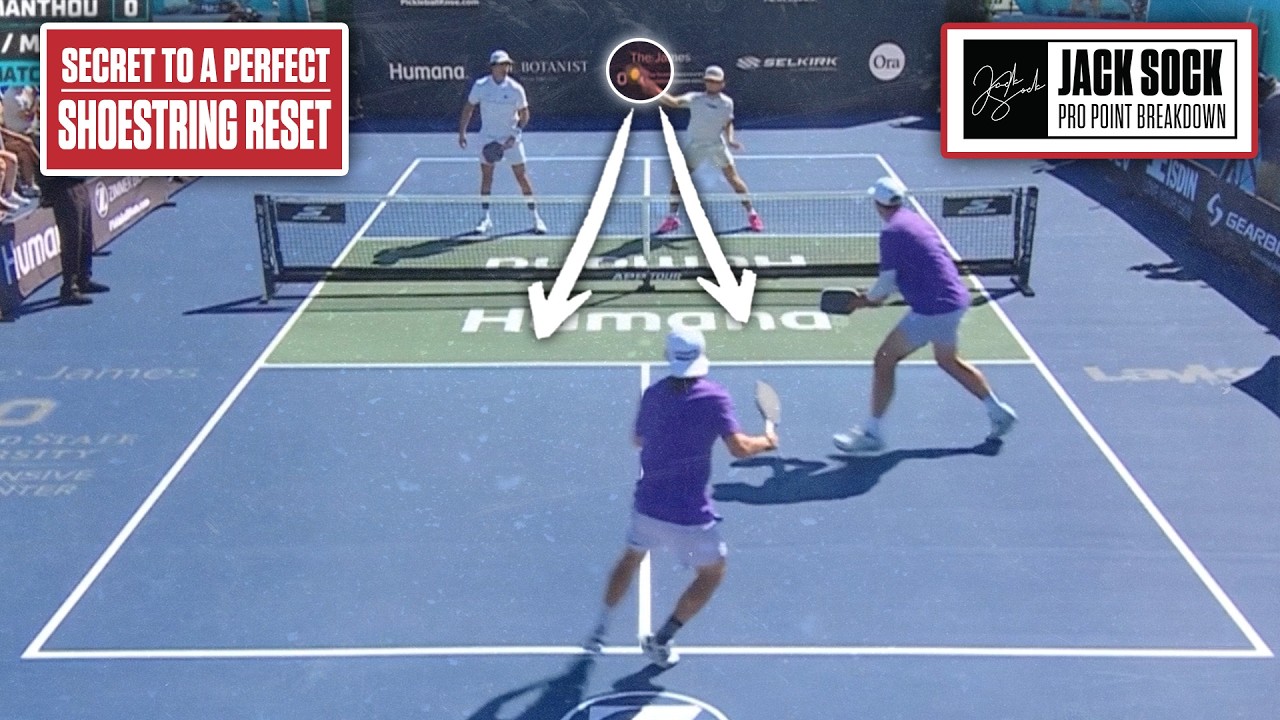
Connor Mogle: Emerging American Pickleball Professional
Connor Mogle stands among the growing ranks of American professional pickleball players who are shaping the future of this rapidly expanding sport. As pickleball continues its meteoric rise across the United States, players like Connor Mogle represent the dedication and talent driving the sport forward.
The United States has become the epicenter of professional pickleball, with the sport experiencing unprecedented growth in participation and viewership. Within this dynamic landscape, emerging professionals are carving out their place in an increasingly competitive field.
The American Pickleball Landscape
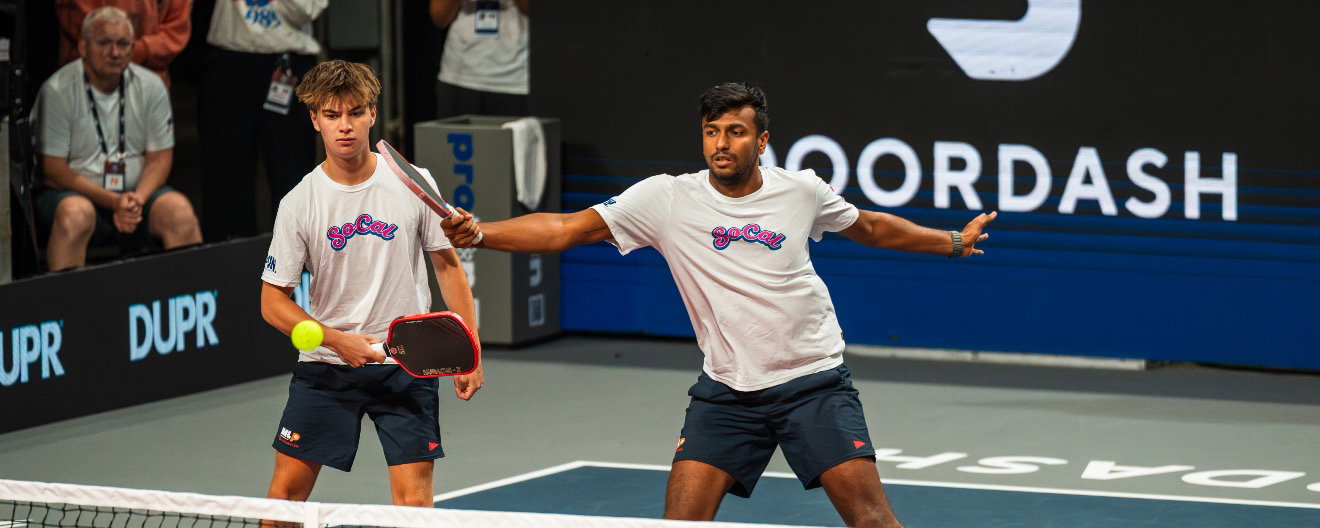
The United States boasts the largest and most competitive pickleball scene globally, with professional tours like the PPA (Professional Pickleball Association) and Major League Pickleball creating opportunities for talented players to showcase their skills. The PPA rankings serve as the primary measurement of professional success in the sport.
American players benefit from extensive tournament schedules, world-class facilities, and growing media coverage that helps elevate the sport's profile. This infrastructure provides emerging professionals with platforms to develop their careers and compete at the highest levels.
Professional Development in American Pickleball
The path to professional pickleball success in America typically involves competing in regional tournaments, gaining experience through amateur competitions, and gradually working up through the professional ranks. Many players transition from other racquet sports, bringing valuable athletic experience to pickleball.
The professional pickleball circuit in the United States offers multiple pathways for player development, from local club competitions to national championship events. This comprehensive system allows talented individuals to progress at their own pace while building the skills necessary for professional competition.
The Current State of Professional Pickleball
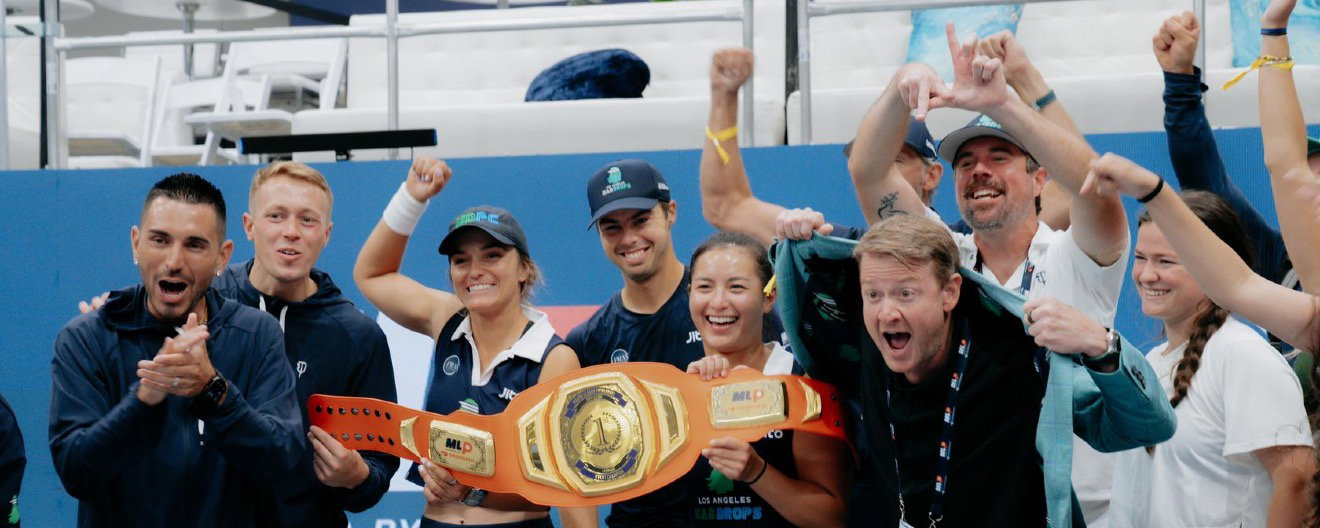
Professional pickleball has evolved dramatically in recent years, with increased prize pools, television coverage, and corporate sponsorships transforming the sport's landscape. American players are at the forefront of this evolution, competing in high-stakes tournaments that attract audiences nationwide.
The sport's growth has created opportunities for players at various skill levels to participate in professional competition. Regional tournaments serve as stepping stones to national events, while the professional tour system provides clear advancement pathways for dedicated athletes.
Equipment and Sponsorship in Professional Pickleball
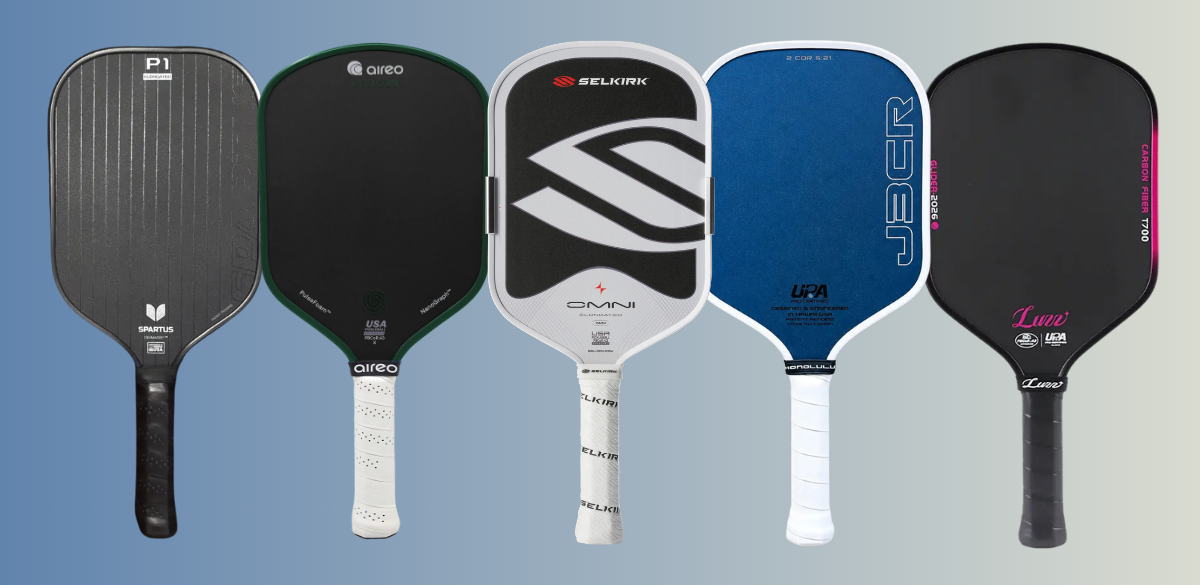
Professional pickleball players typically develop relationships with equipment manufacturers and sponsors as their careers progress. Paddle selection becomes crucial at the professional level, with players often testing multiple options to find equipment that complements their playing style.
The growing commercial interest in pickleball has led to increased sponsorship opportunities for professional players. These partnerships help support players' tournament travel and training expenses while promoting equipment brands to the expanding pickleball community.
Future Prospects in American Pickleball
The future of American professional pickleball appears exceptionally bright, with continued growth in participation, media coverage, and commercial investment. Emerging professionals are positioned to benefit from this expansion as the sport reaches new audiences and markets.
Television contracts, streaming partnerships, and major corporate sponsorships are elevating pickleball's profile nationally. This increased visibility creates additional opportunities for professional players to build their careers and contribute to the sport's continued growth.
The Next Generation of American Players
Young American pickleball professionals are entering a sport with unprecedented opportunities and resources. The established tournament infrastructure, combined with growing prize pools and media attention, provides a solid foundation for career development.
The competitive depth in American professional pickleball continues to increase as more talented athletes discover the sport. This competition drives overall skill levels higher while creating exciting matchups for spectators and fans.
Regional Pickleball Development
Different regions across America have developed distinct pickleball cultures and playing styles. These regional variations contribute to the sport's overall diversity and provide unique training environments for developing professionals.
Local pickleball communities play crucial roles in nurturing emerging talent, providing practice partners, coaching resources, and competitive opportunities. This grassroots support system forms the foundation for professional player development throughout the country.
Training and Competition in Professional Pickleball
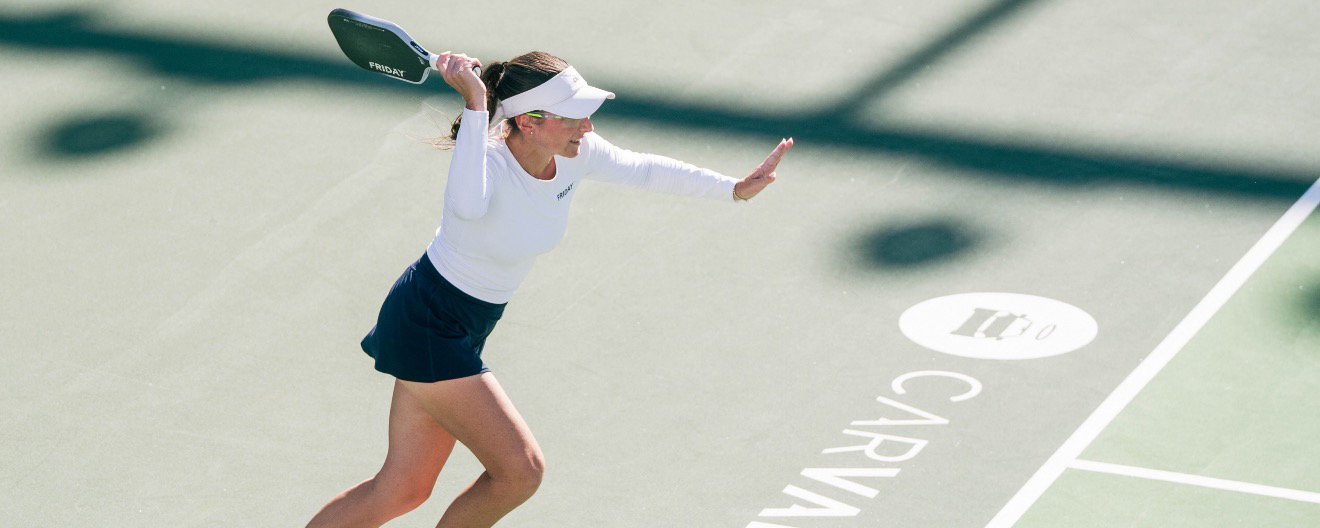
Professional pickleball players dedicate significant time to training, strategy development, and physical conditioning. The sport's unique demands require specialized preparation that combines elements from tennis, badminton, and ping pong.
Tournament competition provides essential experience for developing professionals, allowing them to test their skills against varied opponents and playing styles. This competitive exposure helps players refine their techniques and develop the mental toughness required for professional success.
FAQ
What makes American pickleball players competitive globally?
American players benefit from the world's most developed pickleball infrastructure, including extensive tournament schedules, professional coaching resources, and high-level competition that elevates overall skill levels.
How do emerging professionals break into the pickleball tour system?
Most professionals start by competing in regional tournaments and amateur events, gradually building their skills and rankings to qualify for higher-level professional competitions on the PPA tour.
What role do sponsors play in professional pickleball careers?
Sponsors provide crucial support for professional players, helping cover tournament expenses, equipment costs, and training resources while players focus on developing their competitive careers and building their rankings.