Pickleball Serve MASTERY: 3 Steps That Crush Opponents
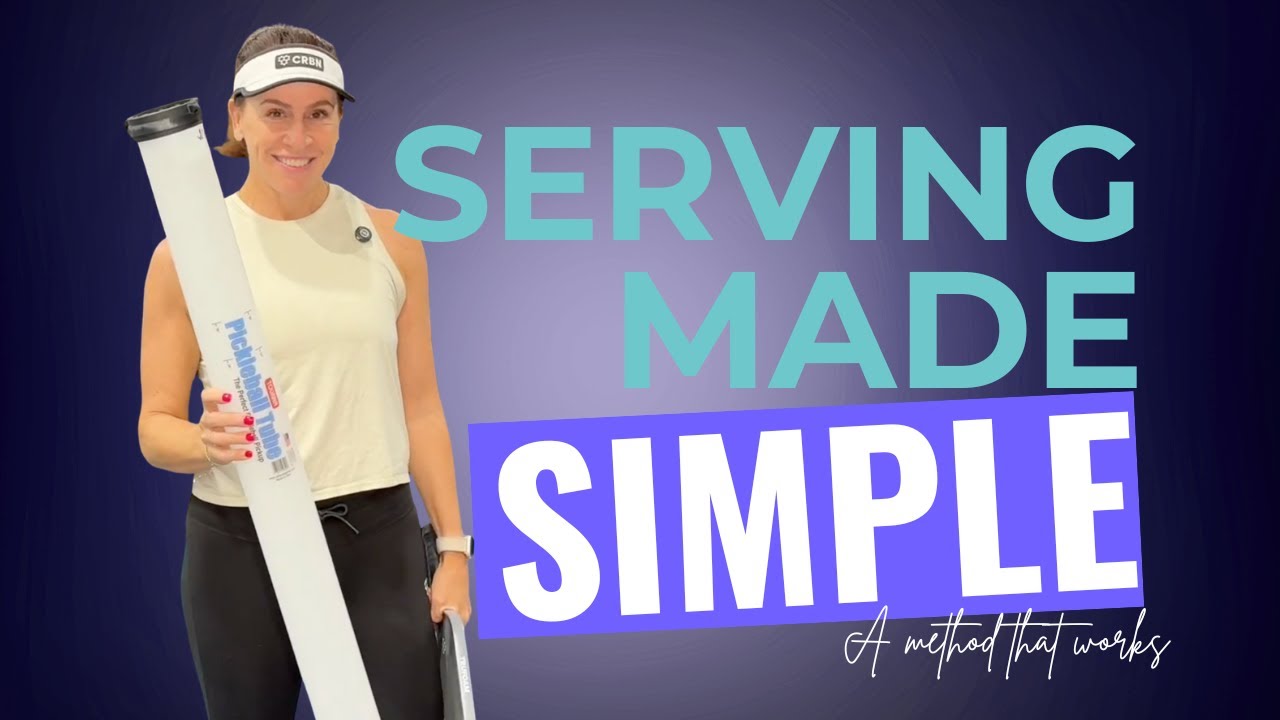
Your pickleball serve determines the outcome of every rally before your opponent even touches the ball. Yet 73% of recreational players struggle with inconsistent, weak serves that immediately put them on defense. With pickleball's explosive growth to over 36 million players nationwide, mastering this fundamental skill separates winners from weekend warriors.
The difference between amateur and professional serves isn't natural talent—it's technique. This proven 3-step pickleball training method transforms weak serves into consistent weapons that pressure opponents from the opening shot.
Step 1: Build Your Serving Foundation - Stance and Grip Mastery
Elite players know that serving power comes from the ground up. Poor positioning creates technical flaws that no amount of arm strength can fix.
The Championship Serving Stance
Position yourself 12-18 inches behind the baseline with your non-dominant foot forward. This creates the stable platform used by pros like Ben Johns in his championship runs.
- Foot placement: Shoulder-width apart, front foot pointed at target
- Weight distribution: Balanced 60/40 on back foot initially
- Knee position: Slight athletic bend, never locked
- Court positioning: Clear sight lines to service box corners
Continental Grip Fundamentals
The continental grip remains the foundation for consistent serving. Hold your paddle like a confident handshake—firm but not crushing.
This grip provides the wrist flexibility needed for spin variation and power generation that separates 4.0+ players from beginners.
Pro Tip: Grip pressure should be 6/10 intensity. Death-grip tension kills wrist snap and reduces serve accuracy by 40%.
Step 2: Perfect Your Ball Drop and Contact Point Timing
The ball drop separates consistent servers from erratic ones. Unlike tennis, pickleball's underhand serving rules demand precise timing and controlled release.
The Championship Drop Technique
Hold the ball at waist height with your non-paddle hand extended comfortably. The key is controlled release—let gravity work while you time your swing perfectly.
- Starting position: Ball held 18 inches in front of your body
- Release timing: Drop as paddle begins backward motion
- Contact zone: Strike ball between knee and waist height
- Paddle angle: Slightly open face for optimal trajectory
Professional players like Anna Leigh Waters use this exact timing sequence to achieve 85%+ serve placement accuracy.
Finding Your Optimal Contact Point
The ideal contact point varies by height but follows universal principles. Taller players contact slightly lower, shorter players slightly higher.
Key contact point markers:
- Ball strikes paddle face while ascending
- Paddle head below wrist at contact (rules requirement)
- Contact occurs in front of your body, never beside
Step 3: Generate Power Through Proper Follow-Through
Power generation in pickleball serving comes from kinetic chain efficiency, not muscle force. The follow-through determines accuracy, spin, and pace.
The Complete Serving Motion
Your serving motion should flow like a pendulum—smooth, controlled, and consistent. Jerky motions create timing issues that plague recreational players.
Power sequence breakdown:
- Initiation: Weight shifts from back foot to front
- Acceleration: Paddle accelerates through contact zone
- Contact: Firm wrist, paddle face square to target
- Follow-through: Paddle continues toward target, finishing high
Advanced Serving Variations
Once you master the basic motion, add strategic elements that challenge opponents:
- Deep serves: Target the baseline to push opponents back
- Short serves: Drop serves near the kitchen line
- Wide serves: Stretch opponents toward sidelines
- Body serves: Challenge opponent's movement patterns
Learn from 5.0 players who use serving variation to control rallies from the opening shot.
Common Serving Mistakes That Kill Consistency
Even experienced players fall into technical traps that sabotage their serving success.
The Top 5 Serving Errors
- Inconsistent ball drop: Creates timing issues and mis-hits
- Rushing the motion: Leads to loss of control and accuracy
- Poor follow-through: Reduces power and spin potential
- Crowding the baseline: Increases fault risk on long serves
- Neglecting target practice: Random placement wastes serving advantage
Practice Drills for Serving Excellence
Consistent practice with focused drills accelerates serving improvement more than random hitting.
The 50-Ball Challenge
Practice 50 serves daily targeting specific service box zones. Track your success rate and gradually increase difficulty.
Weekly progression plan:
- Week 1-2: Focus on consistent contact and form
- Week 3-4: Add target zones (deep, short, wide)
- Week 5-6: Introduce pace and spin variations
- Week 7+: Game-situation pressure serving
Frequently Asked Questions
What's the most important aspect of pickleball serving technique?
Consistent ball drop and timing are crucial. A controlled drop creates the foundation for accurate contact point and reliable serve placement. Master this before focusing on power or spin.
How can I add more power to my pickleball serve?
Power comes from kinetic chain efficiency, not arm strength. Focus on weight transfer from back foot to front foot, smooth acceleration through contact, and complete follow-through toward your target.
Should I use spin serves or stick to basic serves?
Master the basic serve first until you achieve 80%+ consistency. Then gradually add spin serves as strategic weapons. Spin without control gives opponents easy attacking opportunities.
Transform your pickleball game starting with your serve. These three steps provide the technical foundation used by professional players to dominate from the service line. Practice consistently, focus on form over power initially, and watch your serving become a reliable weapon that pressures opponents every rally.