That moment when you've just survived an incredible defensive rally – your heart is racing, adrenaline pumping, and the urge to end the point with a spectacular winner is almost overwhelming. But according to professional player Jack Sock, this is precisely when discipline matters most.
In his recent analysis for Selkirk TV, Sock breaks down why kitchen reestablishment after great defensive sequences is the mark of elite pickleball strategy, even when every instinct tells you to attack.
The Psychology Behind Post-Defense Decision Making
After pulling off remarkable defensive shots, players naturally feel invincible. You've just proven you can handle anything your opponents throw at you – so why not finish them off with an aggressive strike?
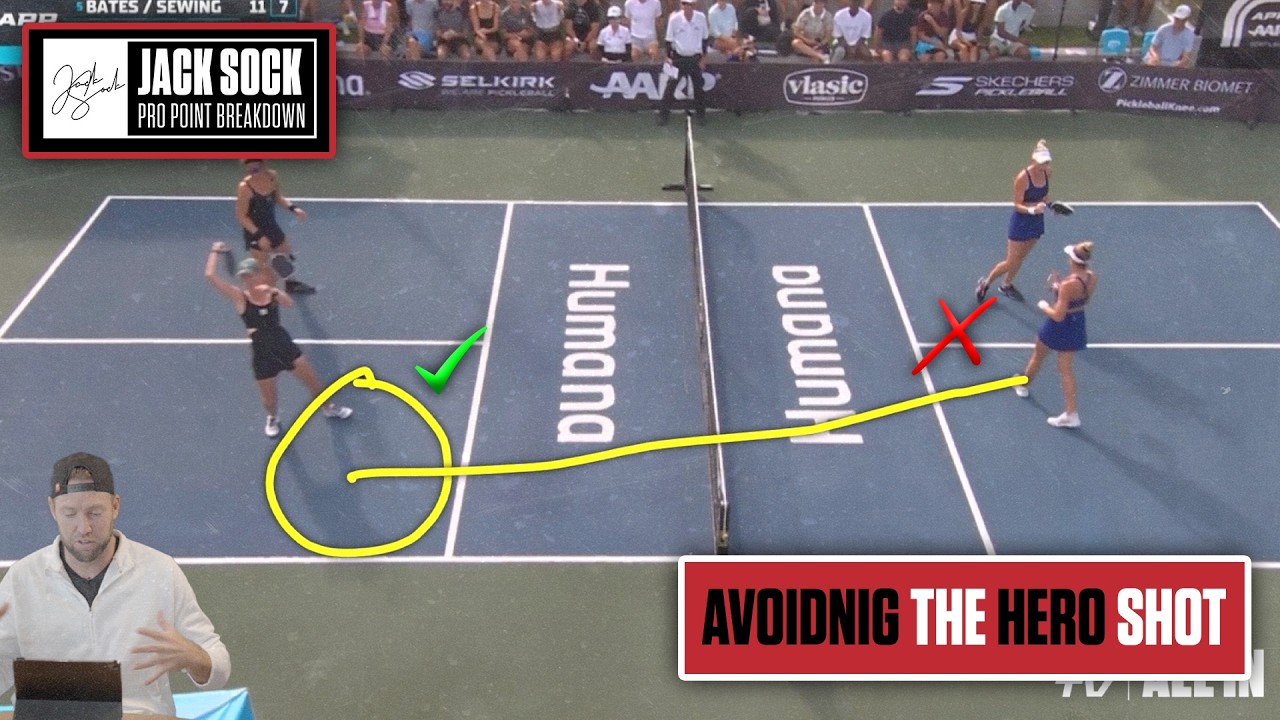
This psychological trap catches even experienced players. The emotional high from great defense creates a false sense of control that often leads to poor shot selection. Sock emphasizes that this is exactly when smart positioning becomes more valuable than flashy attacks.
Why Kitchen Reestablishment Wins Points
Sock's strategy centers on a fundamental truth: consistent pressure beats risky aggression. When you're off-balance or out of position after defense, attempting a speed-up or attack shot carries enormous risk with minimal reward.
The Strategic Advantages
Kitchen reestablishment offers several key benefits that aggressive shots cannot:
- Position Recovery: Dropping back to the non-volley zone gives you time to regain proper court positioning
- Momentum Control: A well-placed reset neutralizes your opponents' offensive momentum
- Error Reduction: Low-risk shots keep you in the point rather than ending it with an unforced error
- Patience Payoff: Forcing opponents to create their own offense often leads to their mistakes
Executing the Perfect Reset After Defense
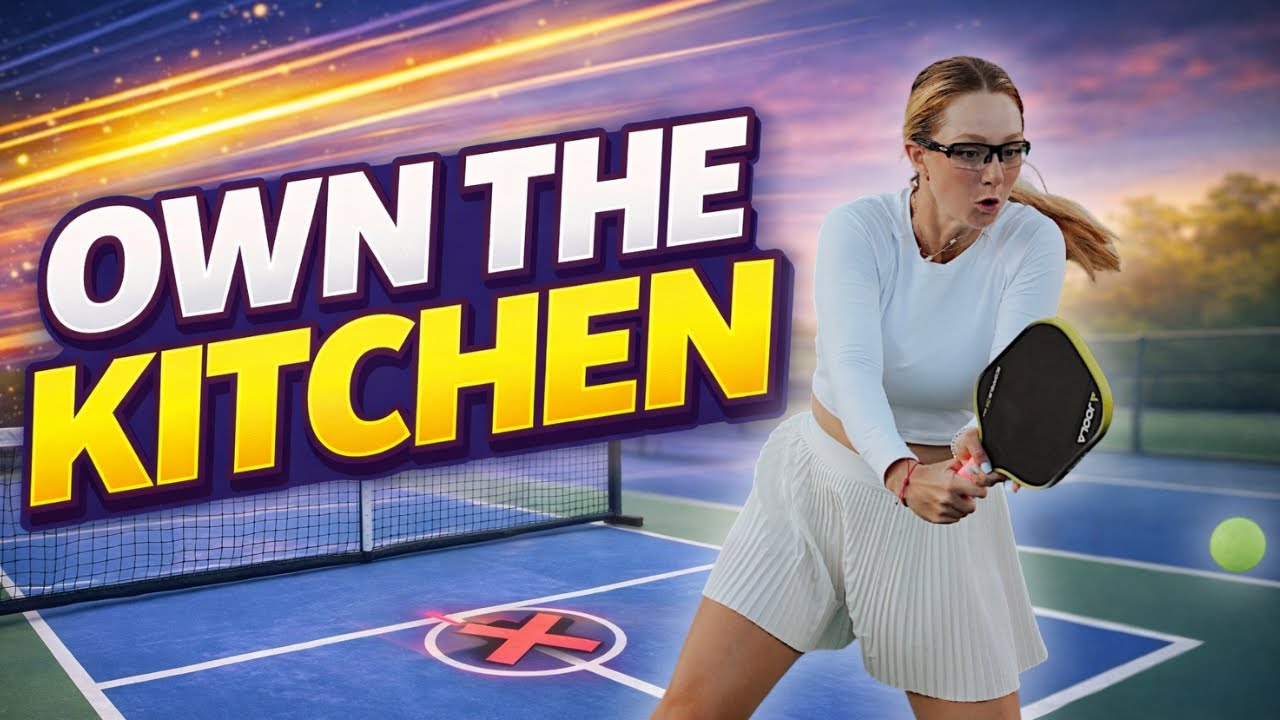
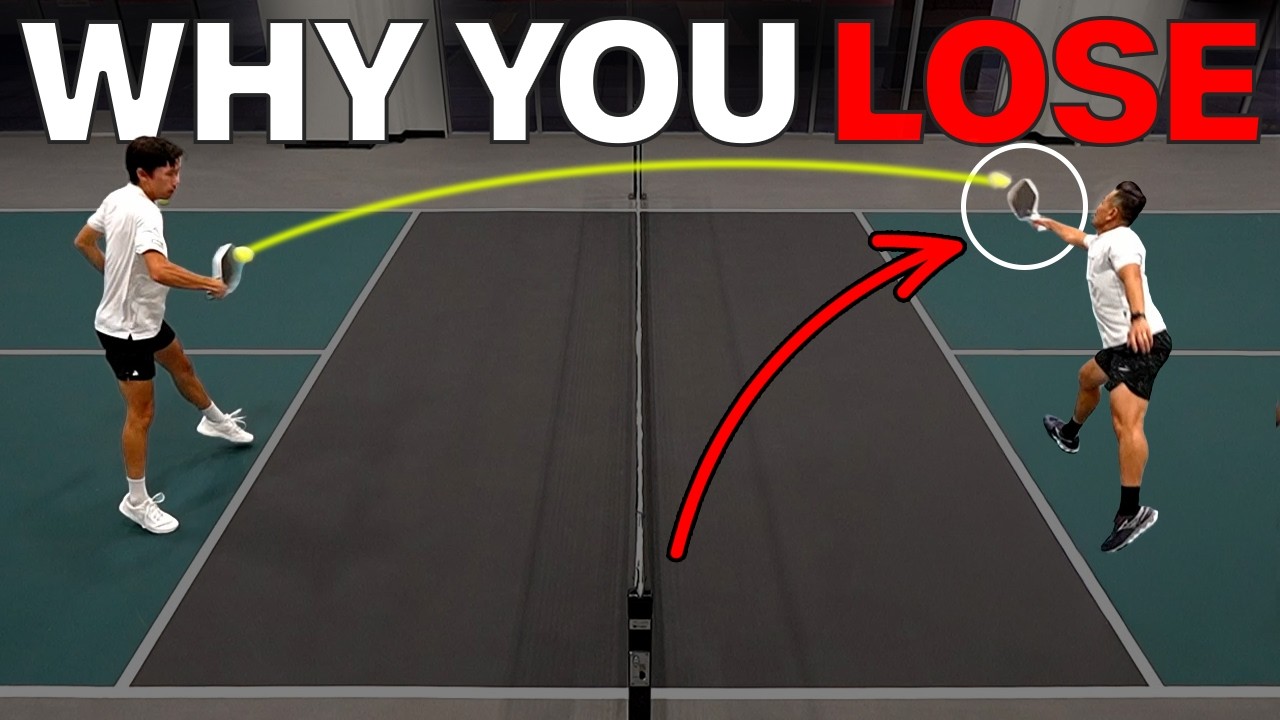
Sock's technique focuses on placement over power. The ideal reset shot lands softly in the middle of the kitchen, forcing both opponents to make difficult decisions about who takes the ball and how to attack from a neutral position.
Key Technical Elements
The execution requires specific technical skills:
Paddle Position: Keep the paddle face slightly open to create the necessary arc for kitchen clearance while maintaining soft landing.
Target Selection: Aim for the middle third of the kitchen to create confusion between opponents and reduce angle opportunities.
Follow-Through: Use a controlled, abbreviated swing that prioritizes accuracy over pace.

When Discipline Beats Instinct
The hardest part of Sock's strategy isn't the technical execution – it's the mental discipline required to choose the smart play over the exciting one. Great defensive sequences create natural momentum that players want to capitalize on immediately.
However, Sock argues that true capitalization comes from extending rallies when you're not in optimal attacking position. By resetting, you're essentially telling your opponents: "I can do this all day." This psychological pressure often proves more effective than any single attacking shot.
Building Long-Term Point Construction Skills
This approach develops crucial point construction abilities that separate recreational players from competitive ones. Instead of viewing each shot as independent, players learn to see the entire point as a strategic sequence.
Sock's methodology teaches players to recognize optimal attacking moments versus situations where patience serves better. This decision-making skill becomes increasingly valuable as opponents improve and margins for error decrease.
Frequently Asked Questions
How do I resist the urge to attack after great defense?
Focus on your court position and balance rather than the emotional high from the defensive save. If you're not in an ideal attacking stance with good balance, choose the reset. Practice this decision-making during drills to build the habit.
What's the difference between a good reset and a bad reset?
A good reset lands softly in the middle of the kitchen with enough arc to clear the net safely. A bad reset either sits up too high (attackable) or aims too close to the sidelines, giving opponents easy angles. Consistency and placement matter more than trying to be too precise.
When should I actually attack after defense instead of resetting?
Attack only when you have good balance, proper court position, and your opponents give you a ball that sits up above net height. If any of these elements are missing, the percentage play is almost always the reset to neutral.