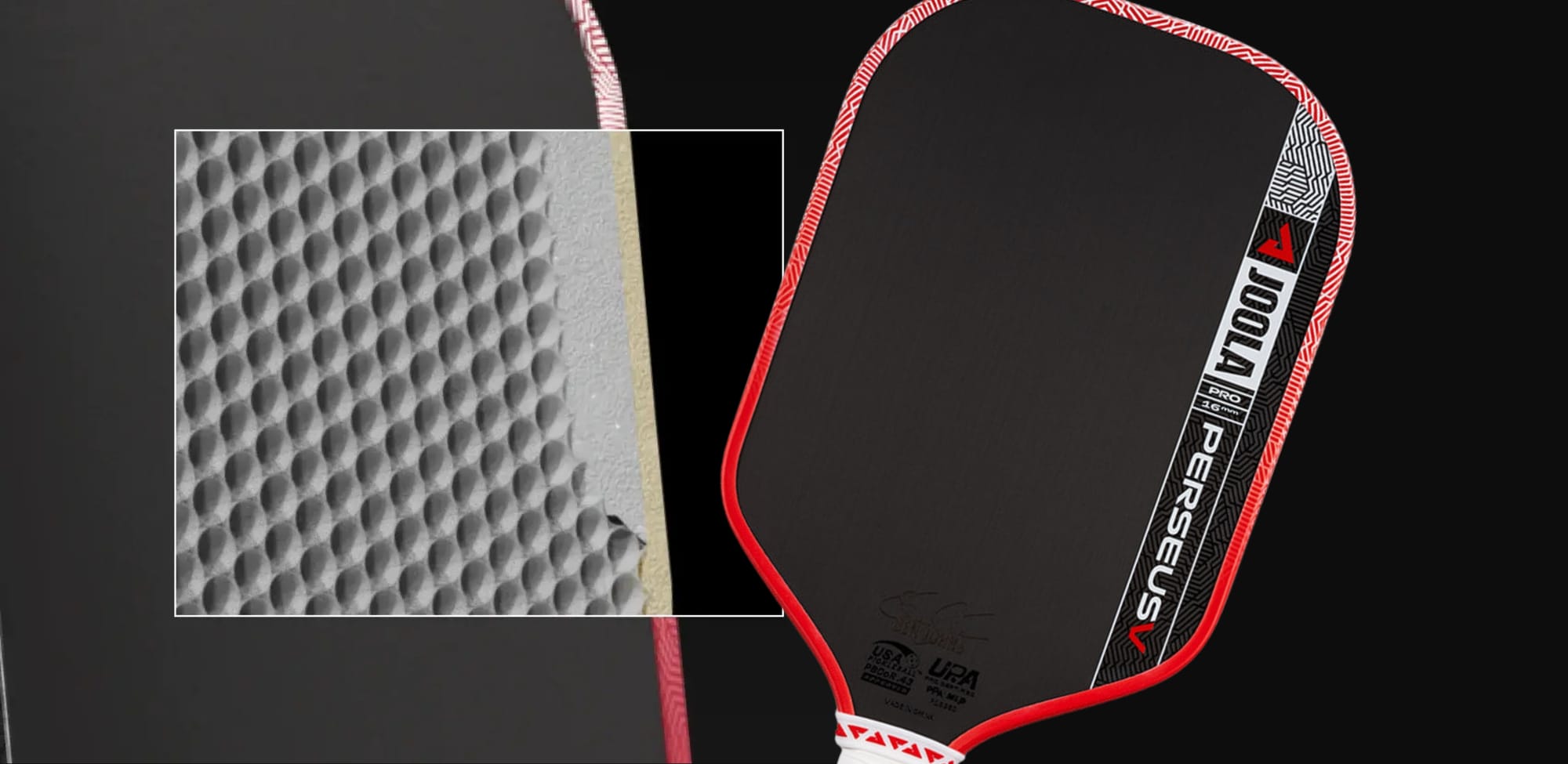
Major Legal Battle Erupts in Pickleball Paddle Industry
The pickleball world was rocked today as JOOLA, one of the sport's leading equipment manufacturers, filed patent infringement litigation against 11 prominent paddle brands. This unprecedented legal action targets major industry players including Franklin Sports, RPM, and Paddletek, marking what could become the most significant intellectual property dispute in pickleball history.
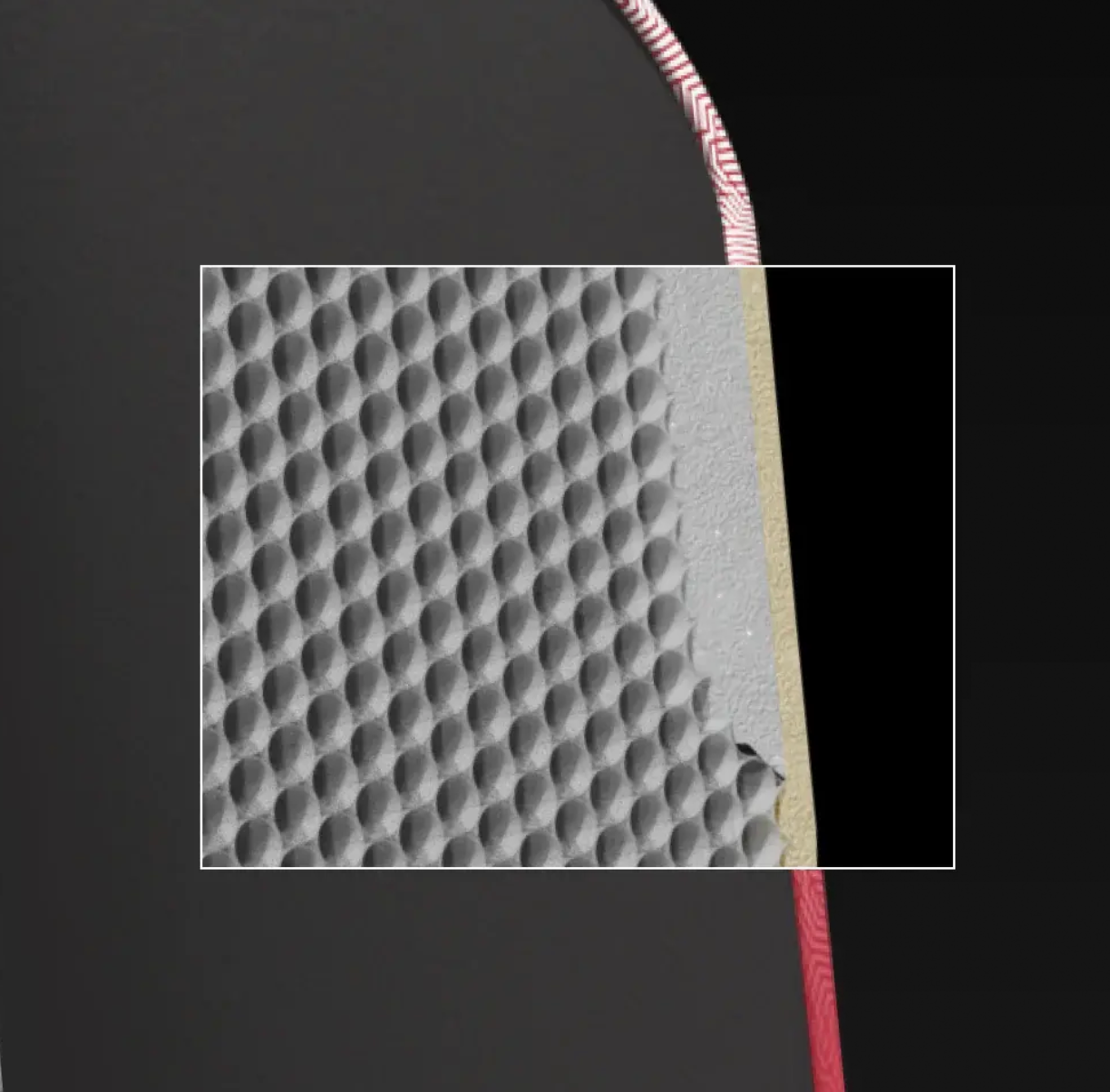
The Heart of the Dispute: Propulsion Core Technology
At the center of JOOLA's legal claims is what the company describes as its proprietary "propulsion core technology." According to court documents, JOOLA alleges that the defendant companies have been manufacturing and selling paddles that incorporate patented design elements without proper authorization or licensing agreements.
This technology appears to relate to the internal core construction of paddles, which has become increasingly sophisticated as manufacturers compete to create equipment that maximizes power, control, and spin capabilities. The propulsion core technology likely refers to specific materials, shapes, or configurations within the paddle's honeycomb or polymer core structure.
Industry Giants Named as Defendants
The lawsuit's defendant list reads like a who's who of the pickleball paddle industry. Beyond Franklin Sports, RPM, and Paddletek, JOOLA has named eight additional manufacturers, though the complete list of companies has not been fully disclosed in initial reports.
These brands collectively represent a significant portion of the pickleball paddle market, with many sponsoring professional players and tournaments. The legal action could potentially impact paddle availability and pricing across multiple product lines if injunctions or licensing agreements result from the litigation.
Potential Industry-Wide Implications
This patent dispute arrives at a critical time for the pickleball industry, which has experienced explosive growth over the past several years. Equipment manufacturers have been investing heavily in research and development to create paddles that meet evolving player demands and USA Pickleball regulations.
Innovation and Competition at Stake
The outcome of this litigation could significantly influence how paddle companies approach innovation and product development. If JOOLA's patents are upheld, competitors may need to redesign existing products or negotiate licensing agreements, potentially leading to industry consolidation or increased costs passed to consumers.
Alternatively, successful challenges to the patents could open new avenues for competitive innovation, allowing manufacturers greater freedom in core technology development.
Legal and Market Ramifications
Patent infringement cases in the sporting goods industry can take years to resolve and often result in substantial financial settlements or ongoing royalty agreements. The complexity of proving both patent validity and infringement in technical products like pickleball paddles means this dispute could involve extensive expert testimony and technical analysis.
Consumer Impact
Players and retailers should monitor developments closely, as preliminary injunctions could potentially restrict sales of certain paddle models during litigation proceedings. However, most patent disputes allow continued sales pending final resolution, minimizing immediate market disruption.
The case also highlights the increasing maturation of the pickleball equipment market, where intellectual property protection has become as important as manufacturing capabilities and marketing reach.
What's Next for the Industry
As this litigation unfolds, industry observers will be watching for several key developments: how defendants respond to the allegations, whether additional companies become involved, and how USA Pickleball's equipment regulations might intersect with patent enforcement.
This legal battle represents more than just a business dispute—it's a defining moment that could establish precedents for intellectual property protection in pickleball equipment design. The resolution will likely influence innovation strategies, competitive dynamics, and ultimately the equipment available to players at all levels.
The pickleball community should prepare for a potentially lengthy legal process that could reshape the paddle landscape for years to come.
Frequently Asked Questions
Will this lawsuit affect paddle availability for consumers?
Currently, most paddles remain available for purchase during patent litigation. However, if courts issue preliminary injunctions, specific models could be temporarily removed from the market pending case resolution.
How long do patent infringement cases typically take to resolve?
Patent disputes in the sporting goods industry often take 1-3 years to reach final resolution, depending on case complexity and whether parties reach settlement agreements before trial.
Could this impact professional tournaments and player equipment?
Professional players and tournaments should continue normally in the short term, though players using affected paddle models may need alternative equipment if injunctions are issued during the legal process.