The difference between intermediate and advanced pickleball players often comes down to one crucial skill: recognizing and capitalizing on dead dinks. These high-floating, slow-moving shots are essentially gifts from your opponent, yet many players fail to convert them into winning opportunities.
Understanding when and how to attack these vulnerable shots can instantly elevate your kitchen line performance and help you dominate points that previously slipped away.
Understanding the Dead Dink
A dead dink is any dink shot that lacks pace, spin, or proper placement, making it vulnerable to attack. These shots typically float higher than normal dinks, land in favorable positions, and give you ample time to set up an aggressive response.
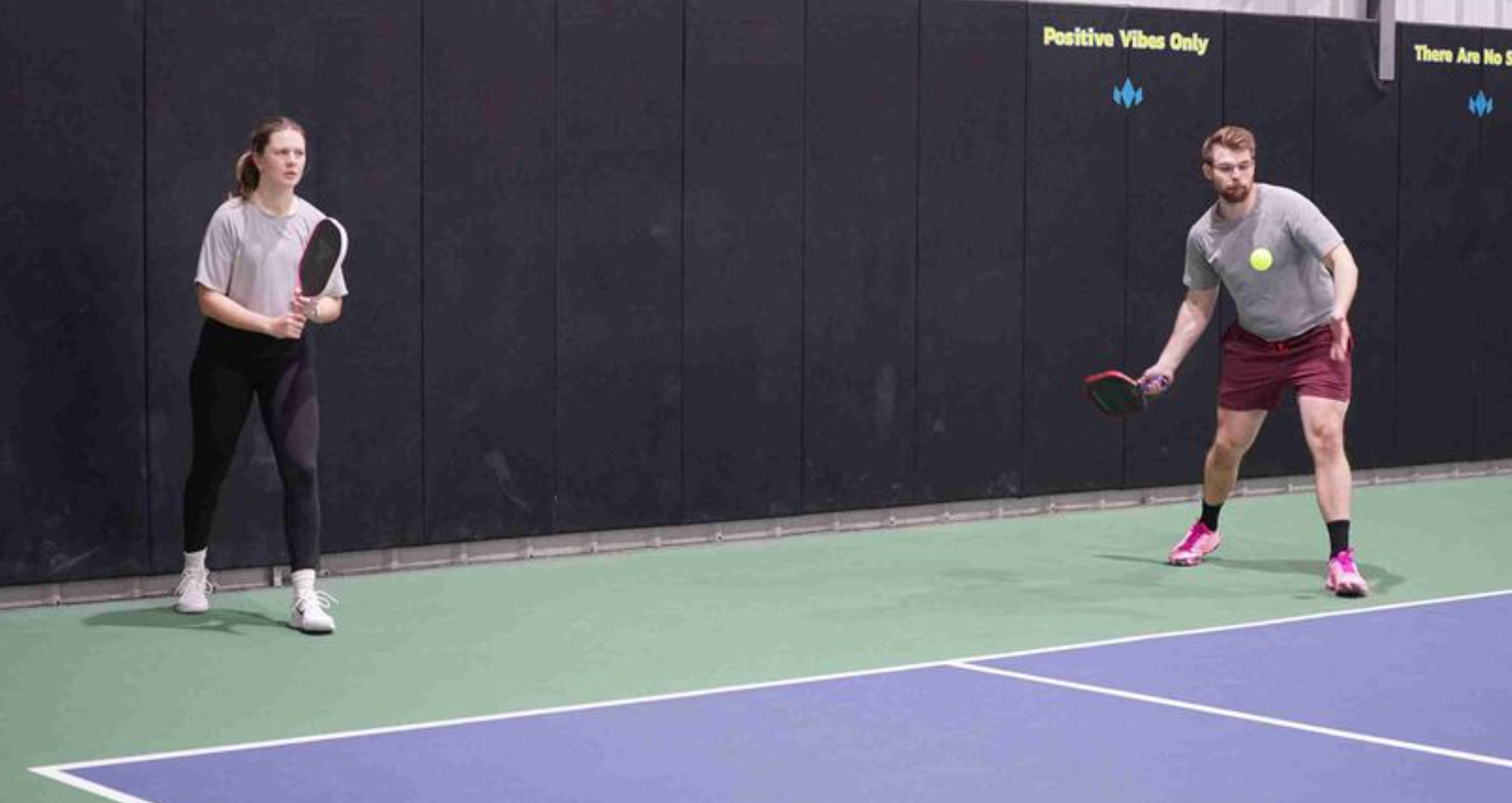
Key characteristics of attackable dead dinks include:
- Height above net level when crossing
- Slow ball speed with minimal spin
- Landing in your optimal strike zone
- Predictable trajectory and bounce
Identifying Attack Opportunities
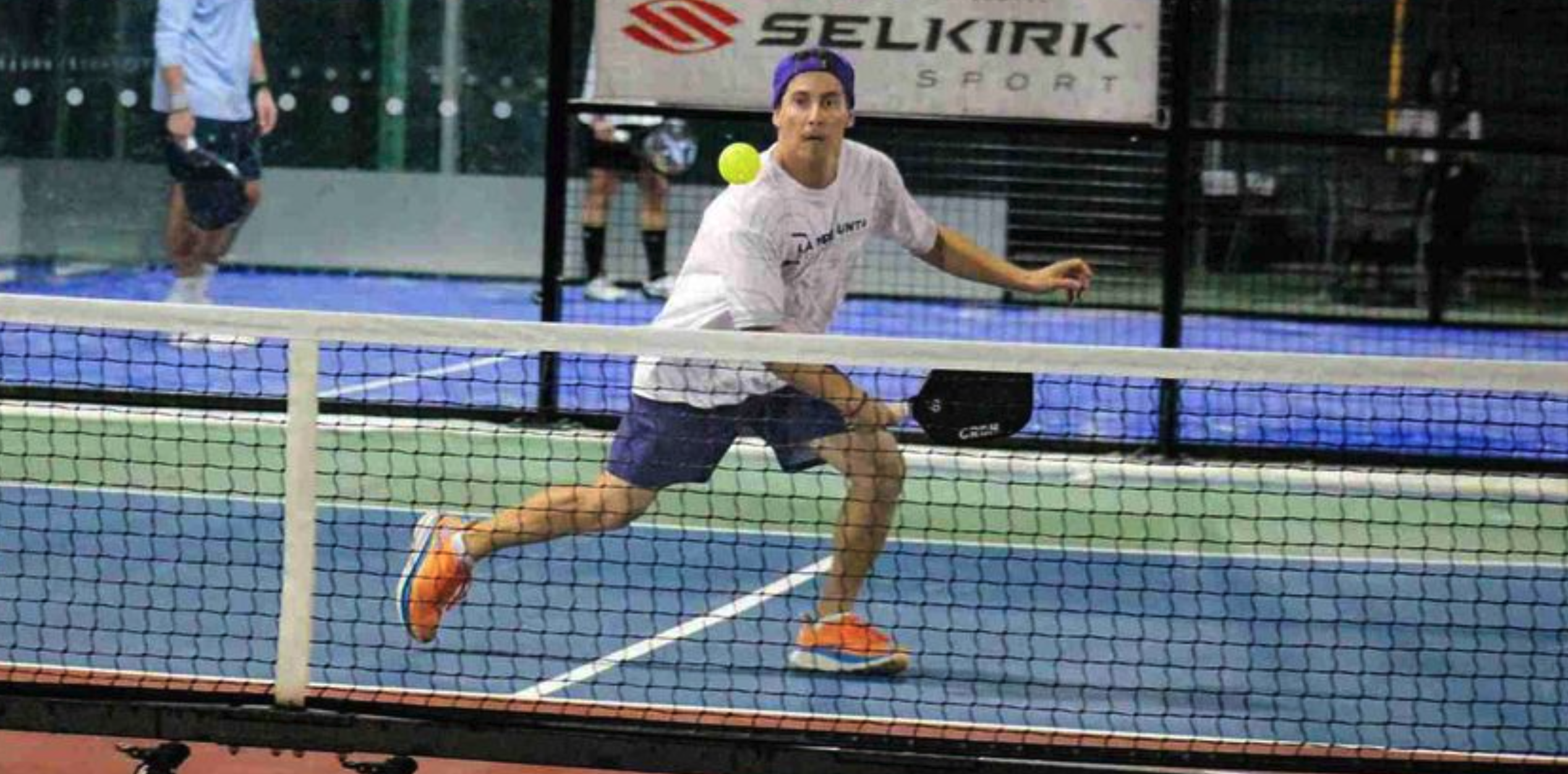
Recognition happens in milliseconds, so developing your eye for dead dinks requires understanding the visual cues. Watch for shots that arc noticeably above the net rather than skimming low across it.
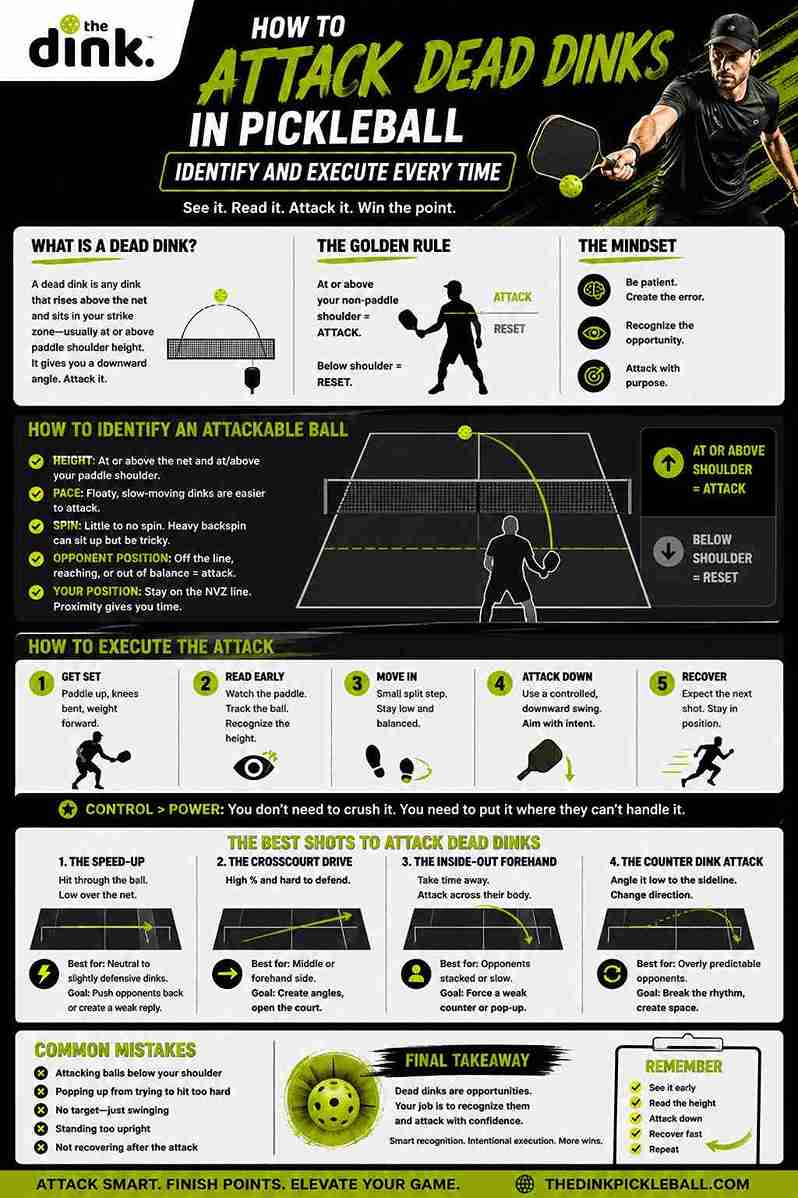
The sweet spot for attacking occurs when the ball bounces in the area between the kitchen line and approximately two feet behind it. Shots landing deeper in your court often require more defensive positioning.
Timing Your Attack
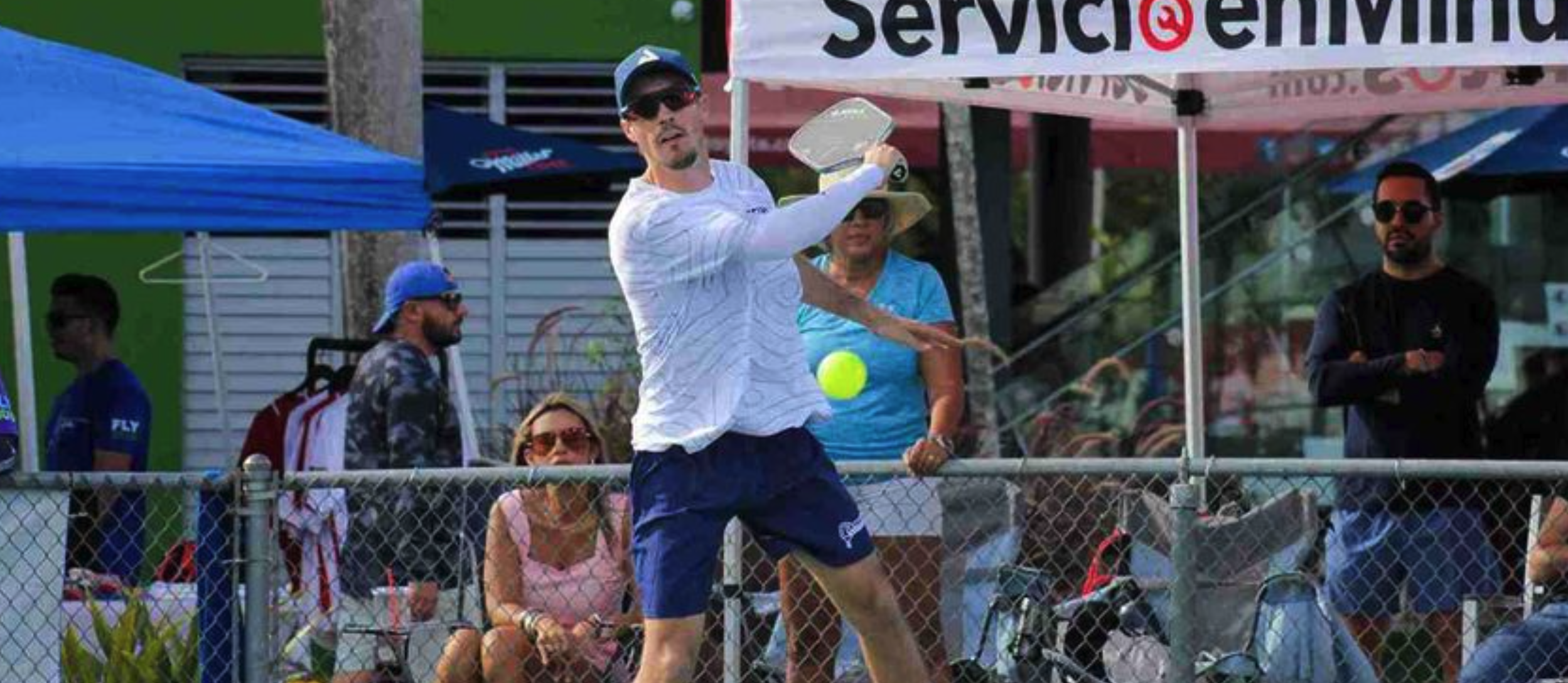
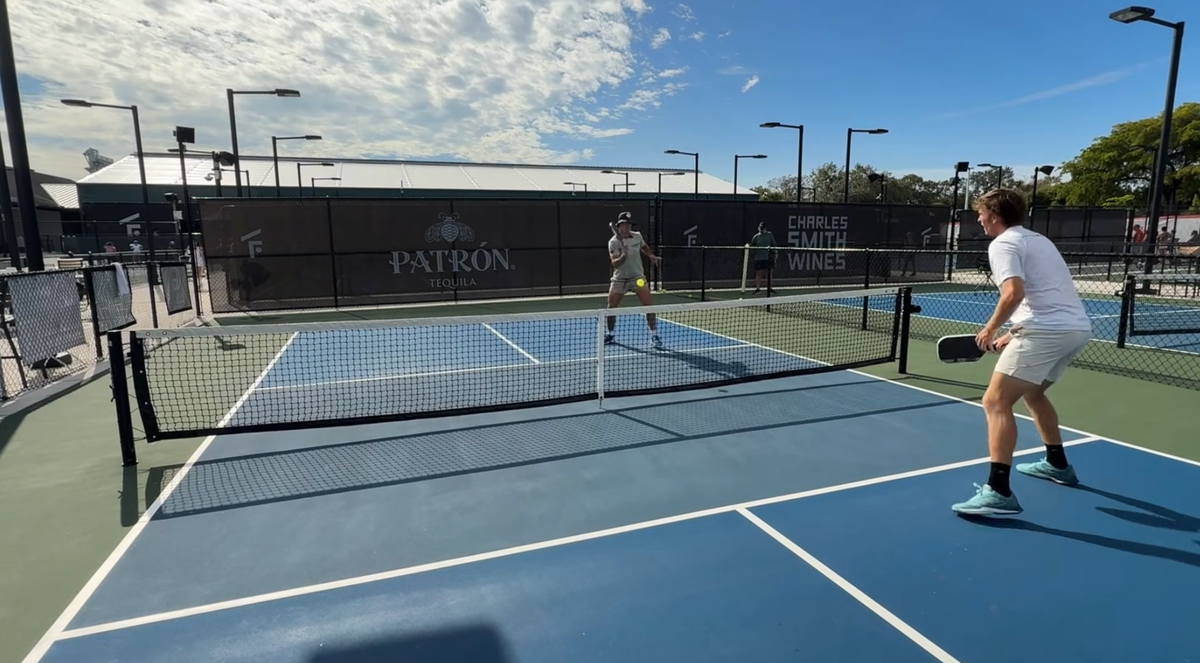
Patience separates successful attackers from overeager players who rush their shots. Wait for the ball to reach its optimal height – typically at or just below your waist level – before initiating your attack.
Execution Strategies
Once you've identified an attackable dink, your shot selection becomes critical. The most effective attacks target specific areas of the court based on your opponent's positioning.
Cross-Court Attacks
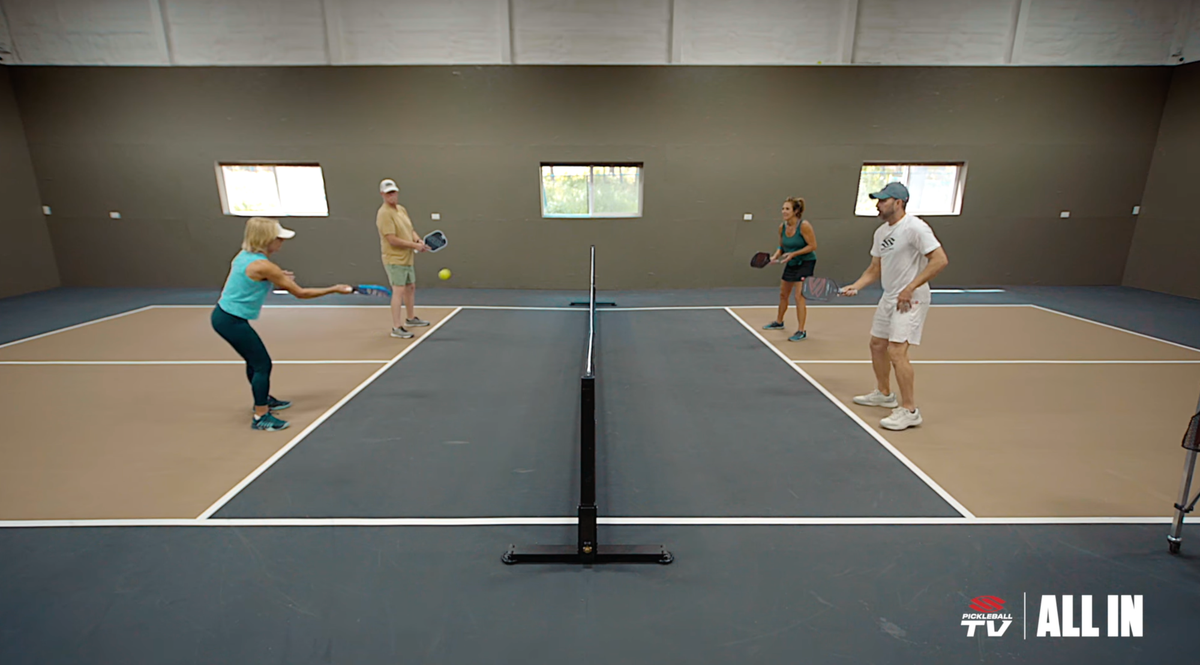
When your opponent is pulled wide, attacking cross-court often provides the highest percentage shot. This approach uses the court's length to your advantage while maintaining a good margin for error.
Down-the-Line Drives
If your opponent is positioned centrally or leaning toward their alley, a well-placed drive down your sideline can catch them off-guard. This shot requires more precision but often results in immediate winners.
Body Shots
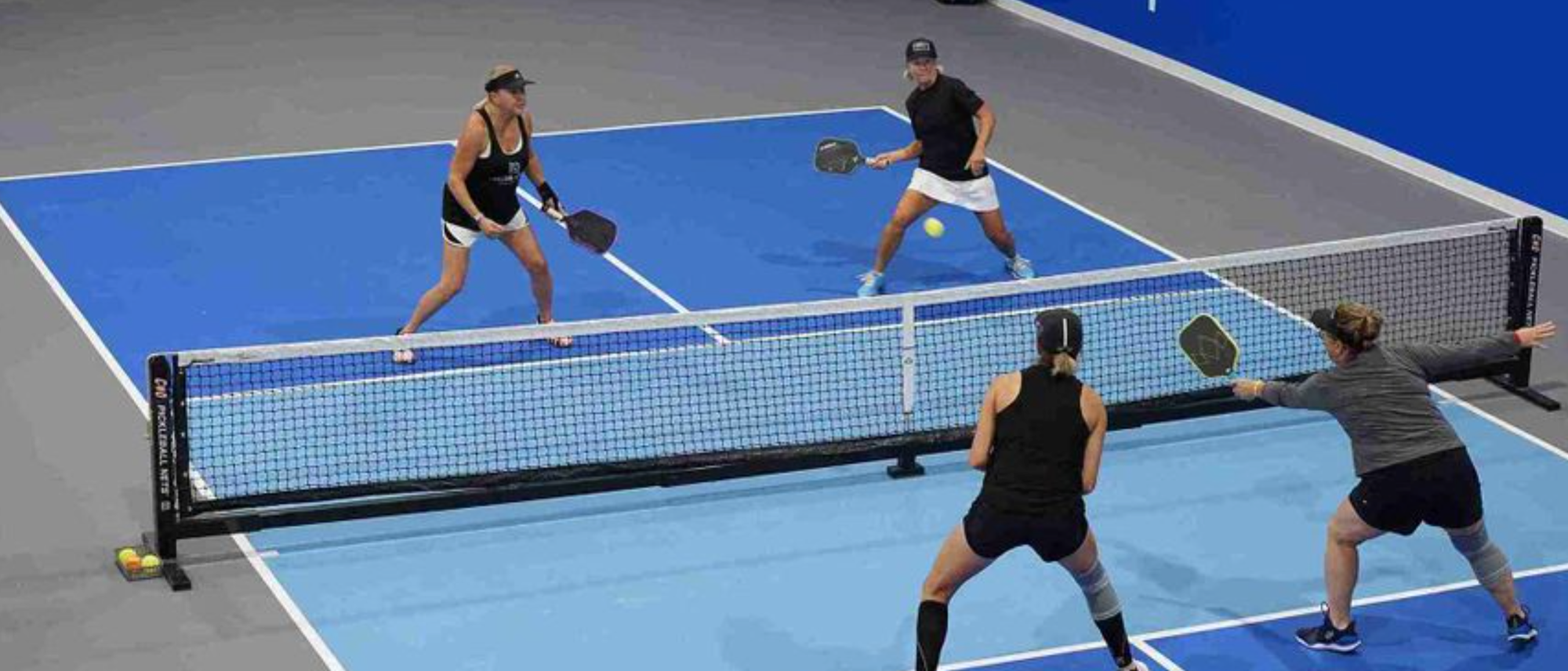
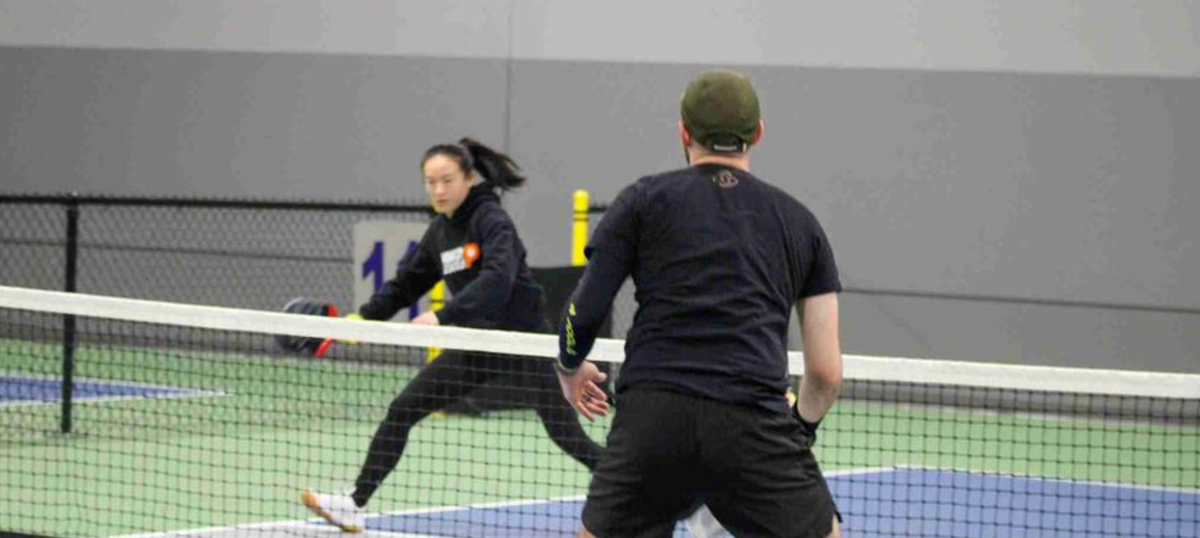
Attacking directly at your opponent's body, particularly their hip area, creates awkward defensive positioning. This strategy works especially well when opponents crowd the net or stand too close together.
Common Attack Mistakes
Even when players recognize dead dinks correctly, execution errors can waste these golden opportunities. The most frequent mistake is attacking too aggressively, resulting in balls sailing long or into the net.
Another common error involves poor shot selection. Players often choose low-percentage angles when simpler, higher-percentage options are available. Remember, the goal is winning the point, not hitting the perfect shot.
Footwork and Positioning
Proper positioning enables better attacks. Stay light on your feet and maintain a ready position that allows quick movement toward attackable balls. Your paddle should be up and ready, not dropped low where recovery takes precious time.
Practice Drills for Improvement
Developing this skill requires specific practice scenarios. Work with a partner who can feed you deliberate dead dinks at various heights and speeds. Start with stationary drills before progressing to movement-based exercises.
Focus on controlled aggression rather than pure power. The most effective attacks combine good placement with moderate pace, making them difficult to defend while maintaining consistency.
Mental Game Considerations
Attacking dead dinks successfully requires confidence and decisiveness. Hesitation often leads to missed opportunities or poorly executed shots. Trust your recognition skills and commit fully to your chosen attack.
Remember that not every elevated dink deserves an attack. Sometimes, continuing the dinking rally while maintaining good positioning proves more advantageous than forcing a marginal attack opportunity.
Frequently Asked Questions
How high should a dink be before I consider attacking it?
Generally, any dink that crosses the net at or above tape level and bounces in your optimal strike zone presents a potential attack opportunity. The key is ensuring you can make solid contact while maintaining good balance and positioning.
What's the biggest mistake players make when attacking dead dinks?
The most common error is trying to hit winners on every attackable ball. Instead, focus on applying pressure and forcing defensive shots from your opponents. Consistent, well-placed attacks often lead to even better opportunities on subsequent shots.
Should I always attack a dead dink when I see one?
Not necessarily. Consider your court position, your opponent's positioning, and the overall point situation. Sometimes maintaining rally control through strategic dinking proves more effective than attacking a marginally dead dink.