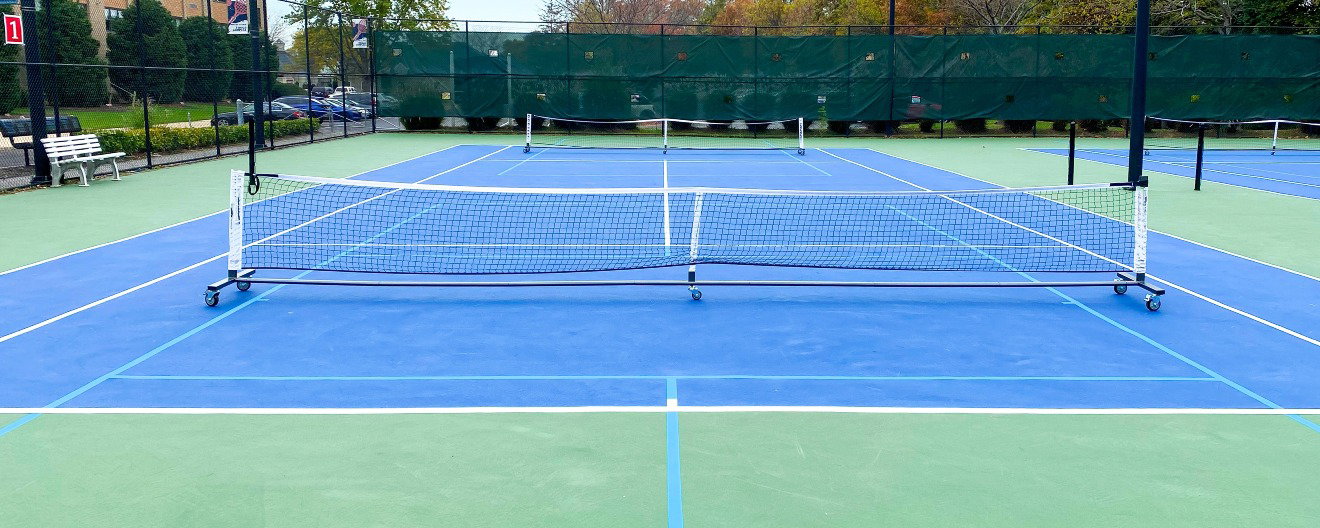
The kitchen line should be your command center—where you dictate pace and control rallies. But when opponents fire aggressive dinks your way, that controlled environment can quickly turn chaotic.
Don't let aggressive dinking derail your game. With the right approach, you can transform these high-pressure moments into scoring opportunities.
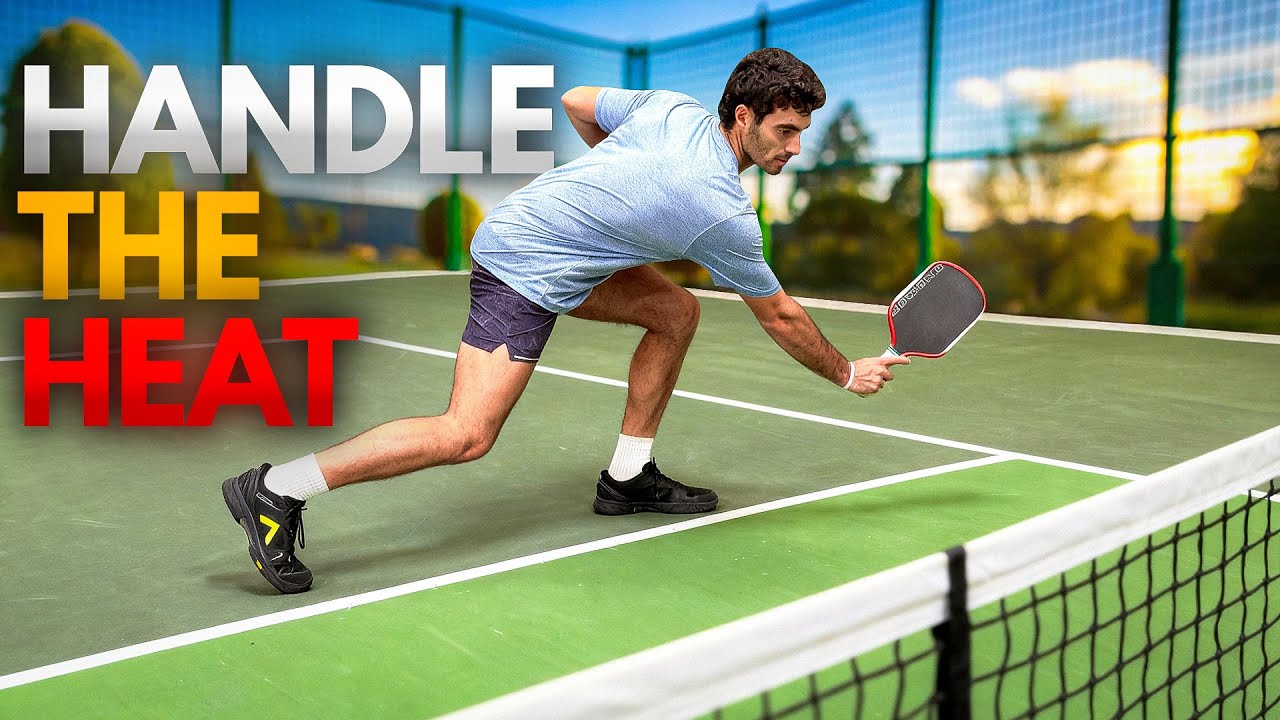
Understanding the Aggressive Dink Challenge
Aggressive dinks create pressure through speed, placement, and timing. Unlike soft, neutral dinks, these shots force quick decisions and can push you out of position. Players between 3.0-4.0 levels often struggle most with this transition from controlled exchanges to rapid-fire responses.
The key insight? Aggressive dinks aren't meant to be winners—they're designed to force errors. Understanding this mindset shift is crucial for developing your counter-strategy.

Core Techniques for Neutralizing Aggressive Dinks
The Absorption Method
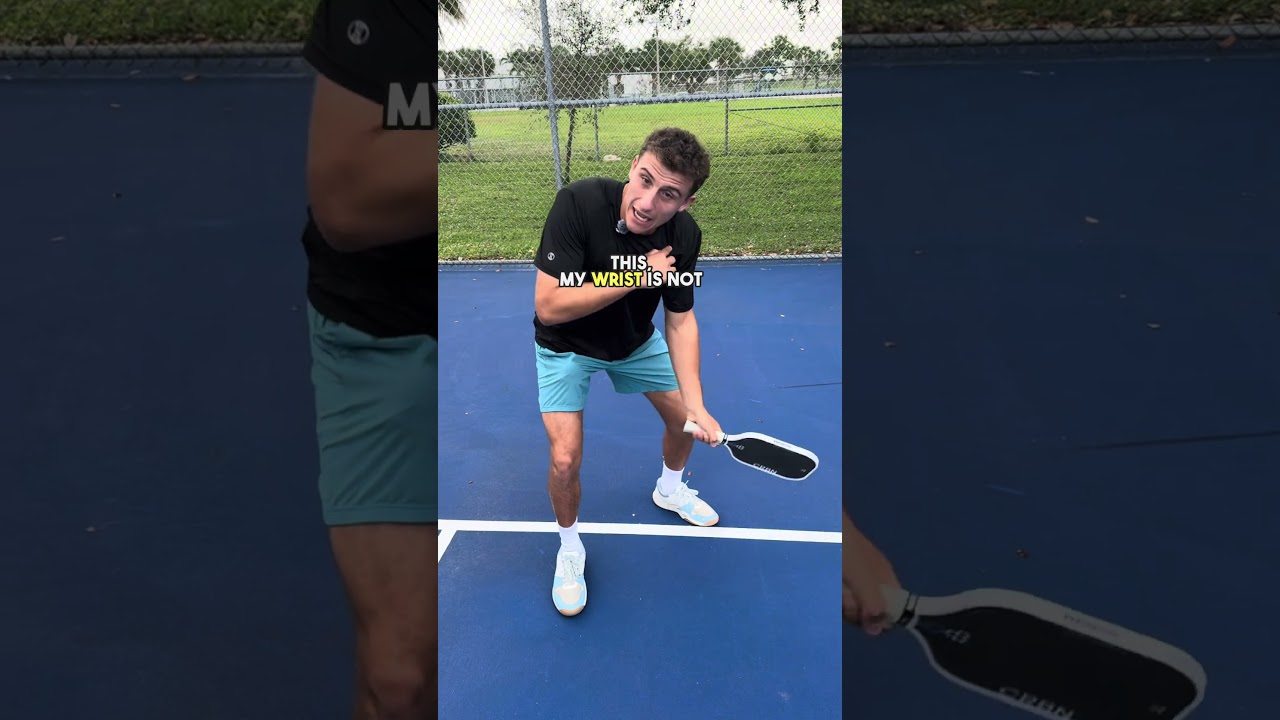
Your paddle becomes a shock absorber. Keep a firm grip but allow slight give in your wrist upon contact. This technique reduces the ball's pace naturally, giving you more control over placement and depth.
Position your paddle face slightly open and focus on redirecting rather than blocking. Think of catching the ball with your paddle rather than meeting it head-on.
Strategic Positioning
Stay balanced on the balls of your feet with knees slightly bent. Position yourself one step behind the kitchen line when expecting aggressive dinks—this extra space provides reaction time without sacrificing court position.
Keep your paddle up in the ready position, roughly chest height. This neutral stance allows for quick adjustments in any direction.
The Reset Shot
Master the reset—your primary weapon against aggressive dinking. Aim for the opponent's feet or slightly behind them, forcing them to hit up on their next shot. This breaks their aggressive rhythm and returns control to you.
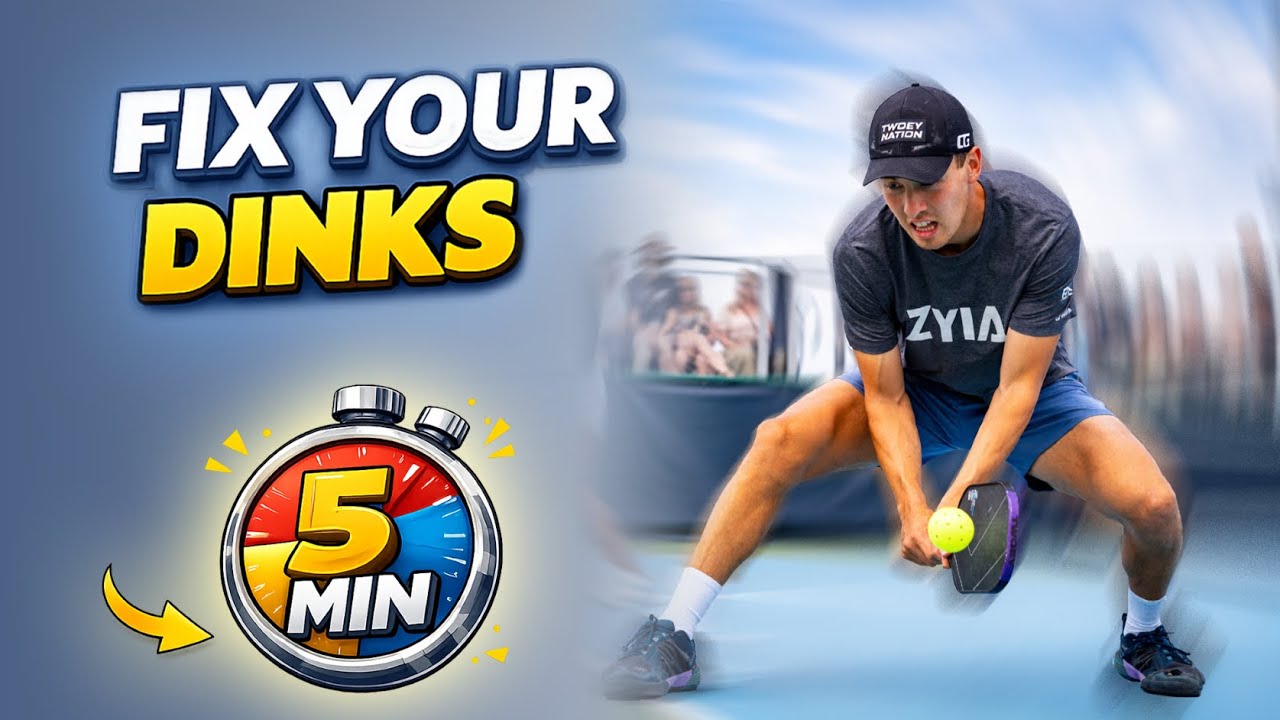
Advanced Counter-Attack Strategies
The Angle Response
When opponents dink aggressively cross-court, respond with a sharper angle. This forces them to cover more ground and often creates openings for your next shot. Practice hitting these angles consistently under pressure.
Height Variation
Mix your response heights strategically. Sometimes a slightly higher dink that lands deep in the kitchen disrupts their timing more effectively than trying to match their aggression.
The Strategic Lob
Don't overlook the surprise lob when facing relentless aggressive dinking. A well-timed lob forces opponents to reset their positioning and often provides the breathing room needed to regain rally control.
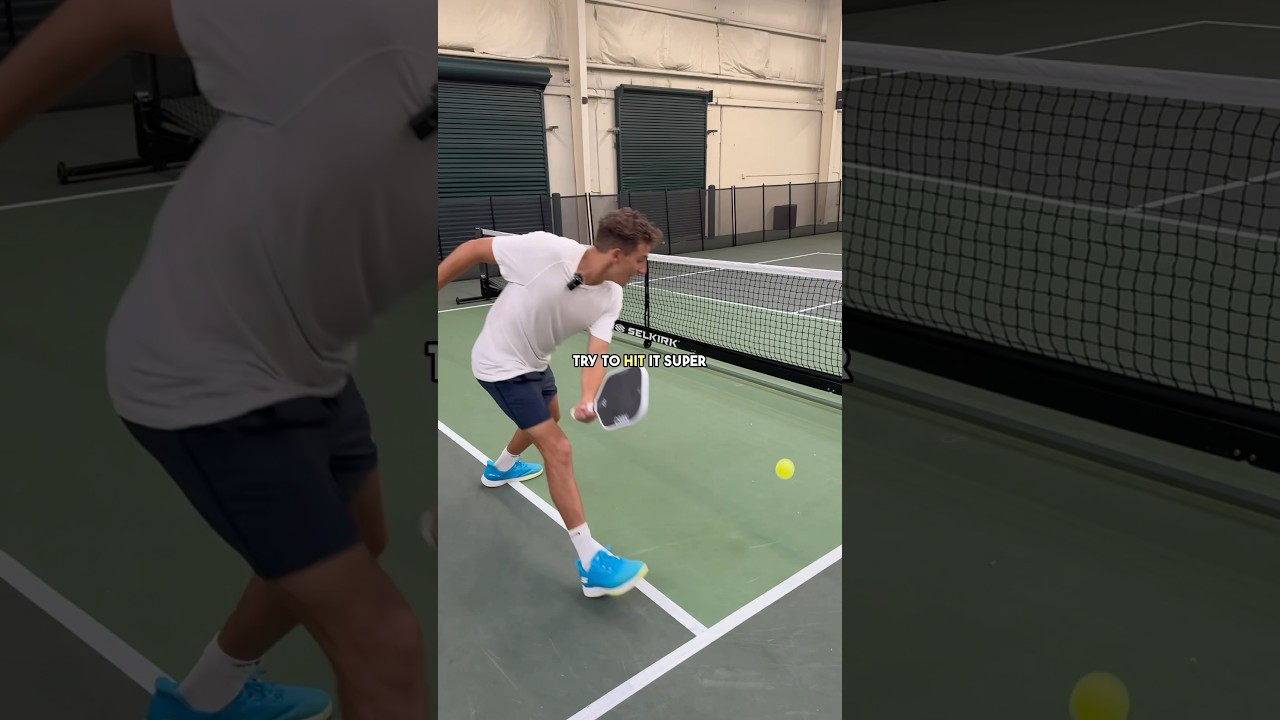
Mental Game and Practice Drills
Develop comfort under pressure through targeted practice. Set up drills where a partner feeds aggressive dinks while you focus solely on neutral returns. Gradually increase the pace as your confidence builds.
Practice the "ten-ball challenge"—see how many consecutive aggressive dinks you can neutralize and return to neutral territory. This builds both technical skill and mental resilience.
Breathing and Focus
Maintain steady breathing even during intense exchanges. Shallow breathing leads to tight muscles and rushed decisions. Practice controlled breathing during pressure drills to make it automatic during matches.
Common Mistakes to Avoid
Avoid the temptation to match aggression with aggression immediately. This often leads to unforced errors. Instead, focus on neutralizing first, then looking for your opportunity to apply pressure.
Don't step too close to the kitchen line when expecting aggressive shots. That extra half-step provides crucial reaction time without significantly impacting your court coverage.
Remember that patience wins dinking battles. The player who maintains composure longest typically controls the rally outcome.
Frequently Asked Questions
How do I know when to reset versus counter-attack against aggressive dinks?
Reset when you're out of position or the ball is below net level. Counter-attack when you're balanced, the ball is at or above net height, and you can see an opening in your opponent's positioning.
What's the biggest mistake players make when facing aggressive dinks?
Trying to end the point too quickly. Most players panic and attempt low-percentage shots instead of working patiently to neutralize the aggression and wait for better opportunities.
How can I practice handling aggressive dinks without a partner?
Use a ball machine set to varying speeds and angles, or practice against a wall with different contact points. Focus on paddle control and consistent depth rather than power during solo practice sessions.