Consistent dinking in pickleball is what separates players who control rallies from those who hand their opponents easy attacking opportunities. The difference between winning and losing often comes down to your ability to execute precise dinks under pressure, yet most players struggle with technique flaws that create predictable errors.
Your dink isn't just a defensive reset—it's a strategic weapon that can force opponents into difficult positions while maintaining rally control. The problem is that most players develop bad habits on at least one side that undermine their effectiveness at crucial moments.
Why Most Players Struggle With Dink Consistency
The mechanics of dinking seem simple on the surface, but consistent execution requires precise paddle control, proper body positioning, and smooth contact timing. Most errors stem from three common mechanical flaws that players unknowingly repeat hundreds of times during practice.
Players often treat dinking as a passive shot, focusing only on getting the ball over the net rather than creating strategic advantages. This mindset leads to loose technique and missed opportunities to apply pressure during extended rallies.
Essential Forehand Dink Technique Fixes
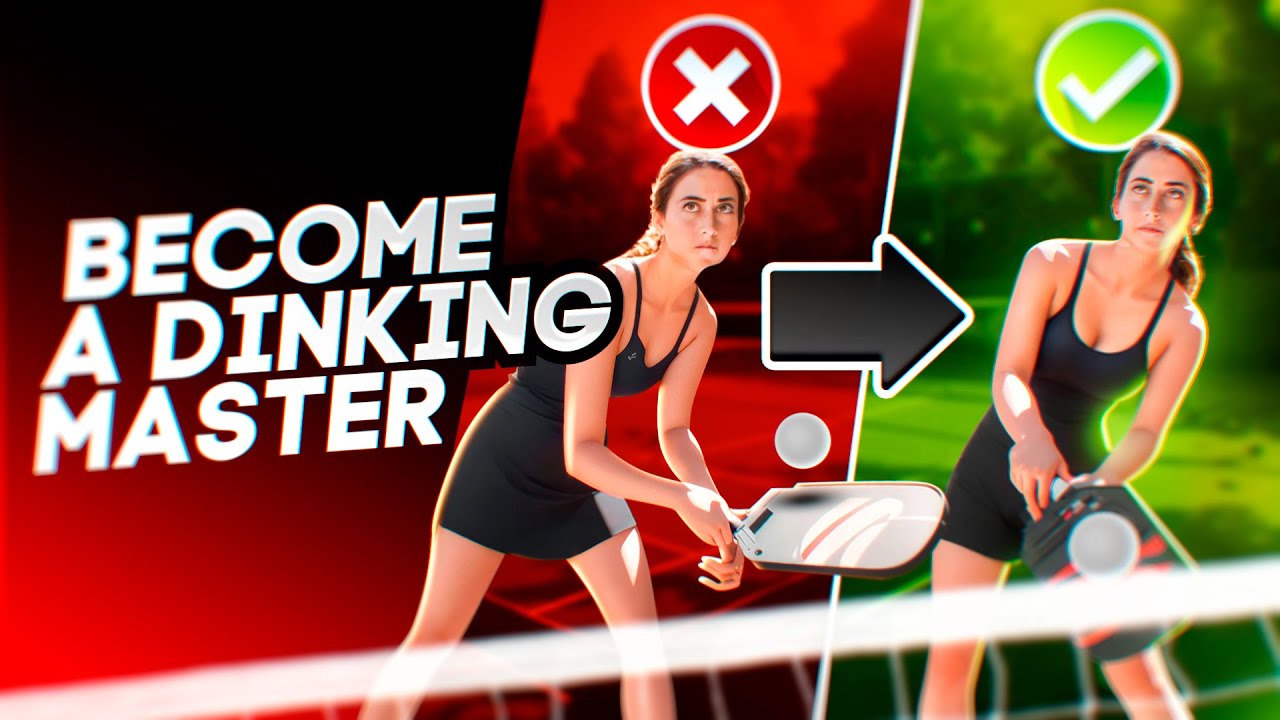
The forehand dink requires a stable foundation with your feet positioned slightly wider than shoulder-width apart. Your paddle face should remain open throughout the entire motion, with the contact point consistently in front of your body.
Paddle Path and Contact
Many players create inconsistency by allowing their paddle to drop below the ball at contact. Keep your paddle head level or slightly above your wrist, creating a gentle upward brush through impact. This technique provides better control over ball trajectory and reduces pop-ups.
Your follow-through should be smooth and controlled, finishing with your paddle pointing toward your target. Avoid jerky or abbreviated swings that create unpredictable ball flight patterns.
Backhand Dink Mastery Techniques
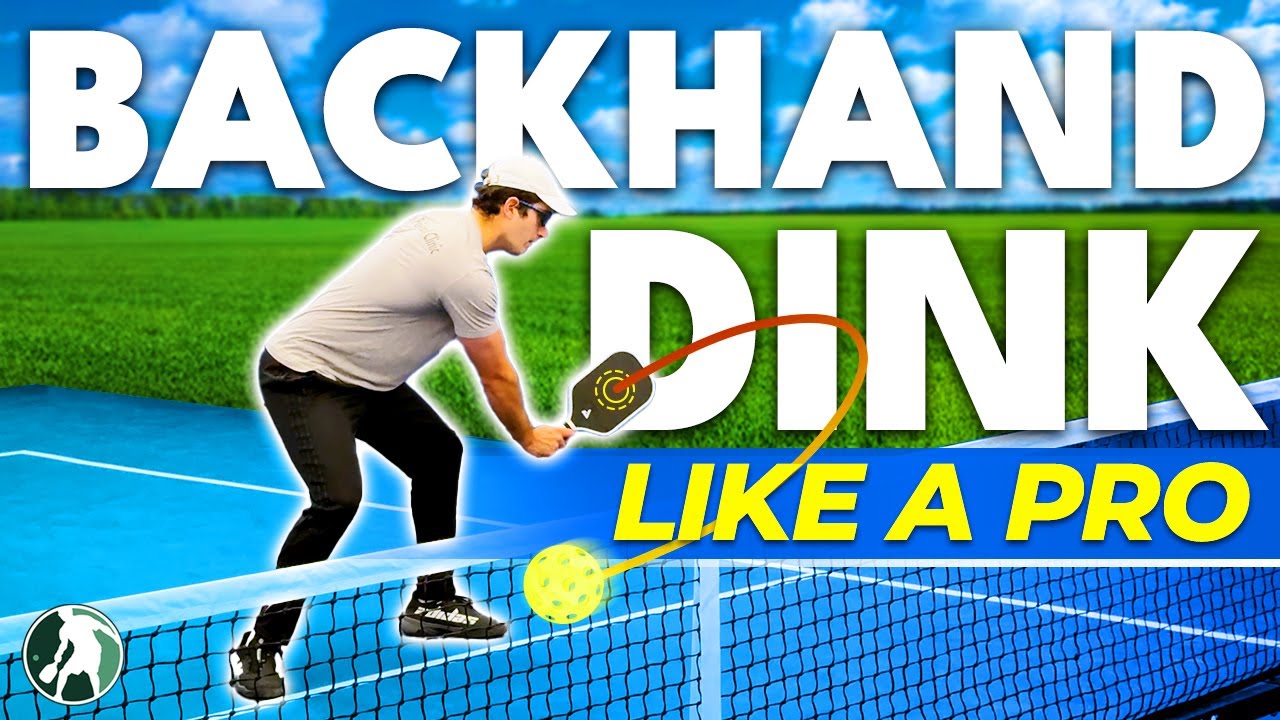
The backhand dink presents unique challenges that require different mechanical adjustments. Position your body so that your non-dominant shoulder faces the net, creating better leverage and control through the hitting zone.
Grip pressure is critical on the backhand side. Many players squeeze too tightly, creating tension that translates into erratic ball control. Maintain a firm but relaxed grip that allows for subtle touch adjustments during contact.
Common Backhand Errors to Avoid
The most common backhand dinking error is allowing the elbow to drift away from the body during the swing. Keep your elbow close to your torso throughout the motion, using your shoulder and forearm to generate controlled power.
Another frequent mistake is rushing the contact point. Take time to let the ball come to you, making contact when it's directly in line with your front hip. This positioning provides maximum control and allows for precise placement.
Practice Drills for Dink Consistency
Effective dinking requires muscle memory developed through focused repetition. Start with stationary cross-court dinking, focusing on landing every ball in the kitchen with consistent depth and pace.
Progress to alternating forehand and backhand dinks, maintaining the same contact point and follow-through on both sides. This drill exposes weaknesses in your weaker side while building confidence in your stronger shots.
Advanced Dinking Strategies
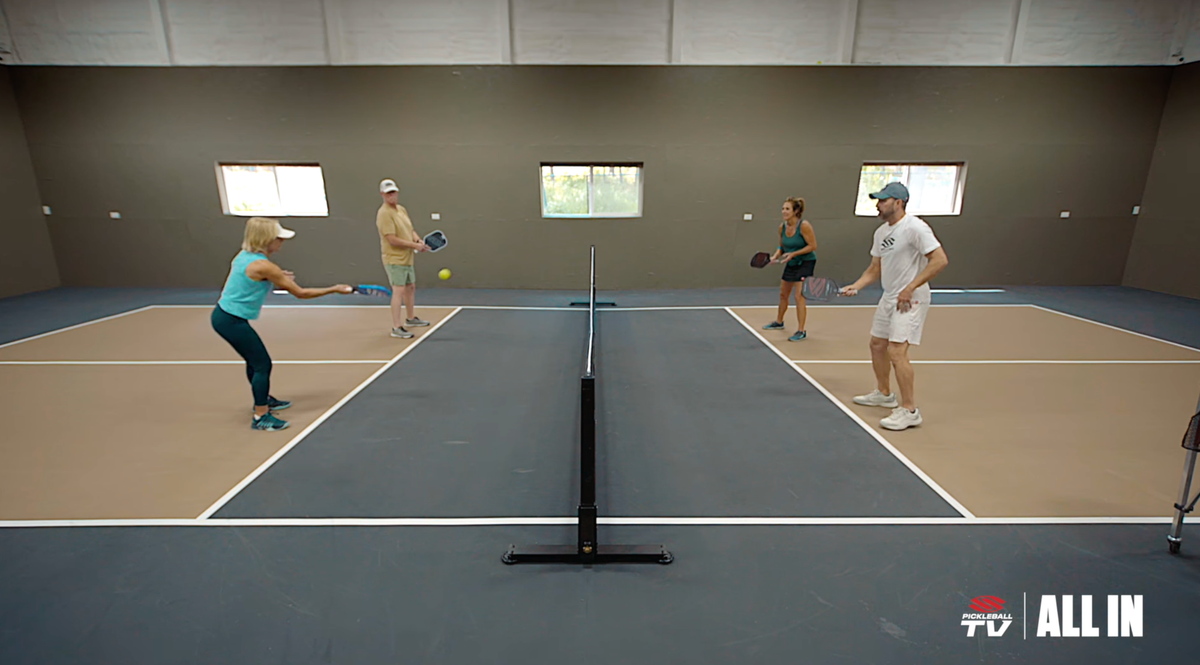
Once you've mastered basic consistency, focus on using dinks strategically to move opponents and create attacking opportunities. Vary your placement between their forehand and backhand sides, forcing them to make difficult adjustments.
Practice changing pace within dinking rallies, mixing slower touch shots with slightly more aggressive dinks that still clear the net safely. This variation keeps opponents guessing and can force errors or weak returns.
Mental Approach to Consistent Dinking
Successful dinking requires patience and tactical thinking. Resist the urge to end points quickly with risky shots. Instead, focus on maintaining consistent depth and placement until your opponent provides an attackable ball.
Develop confidence in your ability to outlast opponents in dinking exchanges. Players who trust their technique and remain patient often win extended rallies through opponent errors rather than forcing winners.
Frequently Asked Questions
How can I stop hitting dinks too high?
Focus on keeping your paddle face slightly closed at contact and following through low toward the net. Practice hitting with a slight downward angle to develop better touch and control over ball trajectory.
What's the ideal pace for consistent dinking?
Aim for a moderate pace that gives you time to prepare for the next shot while applying gentle pressure to your opponent. Too slow allows opponents to attack, while too fast reduces your margin for error.
How do I improve my weaker side dinking?
Dedicate extra practice time to your weaker side, starting with simple cross-court exchanges. Focus on replicating the same smooth motion and contact point that works on your stronger side.