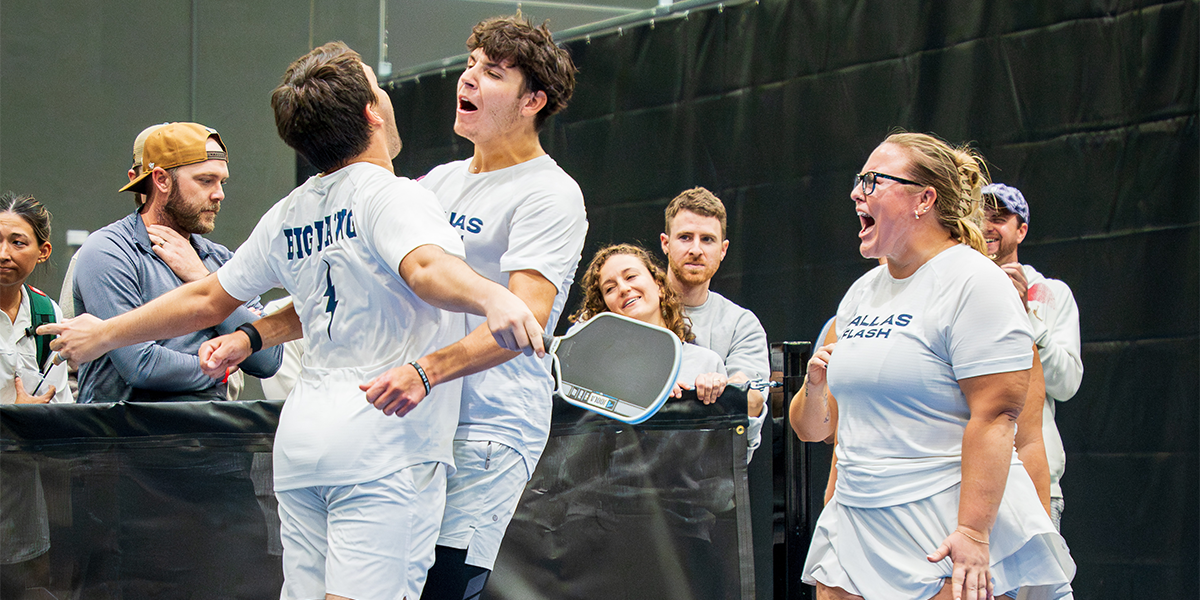
Singles pickleball transforms the game into an entirely different beast. While the court dimensions remain identical to doubles, the rule variations and strategic demands will challenge even seasoned doubles players in unexpected ways.
The transition from doubles to singles isn't just about playing without a partner—it's about rewiring your understanding of scoring, serving sequences, and court coverage. Let's break down everything you need to dominate solo play.
Core Rule Differences Between Singles and Doubles
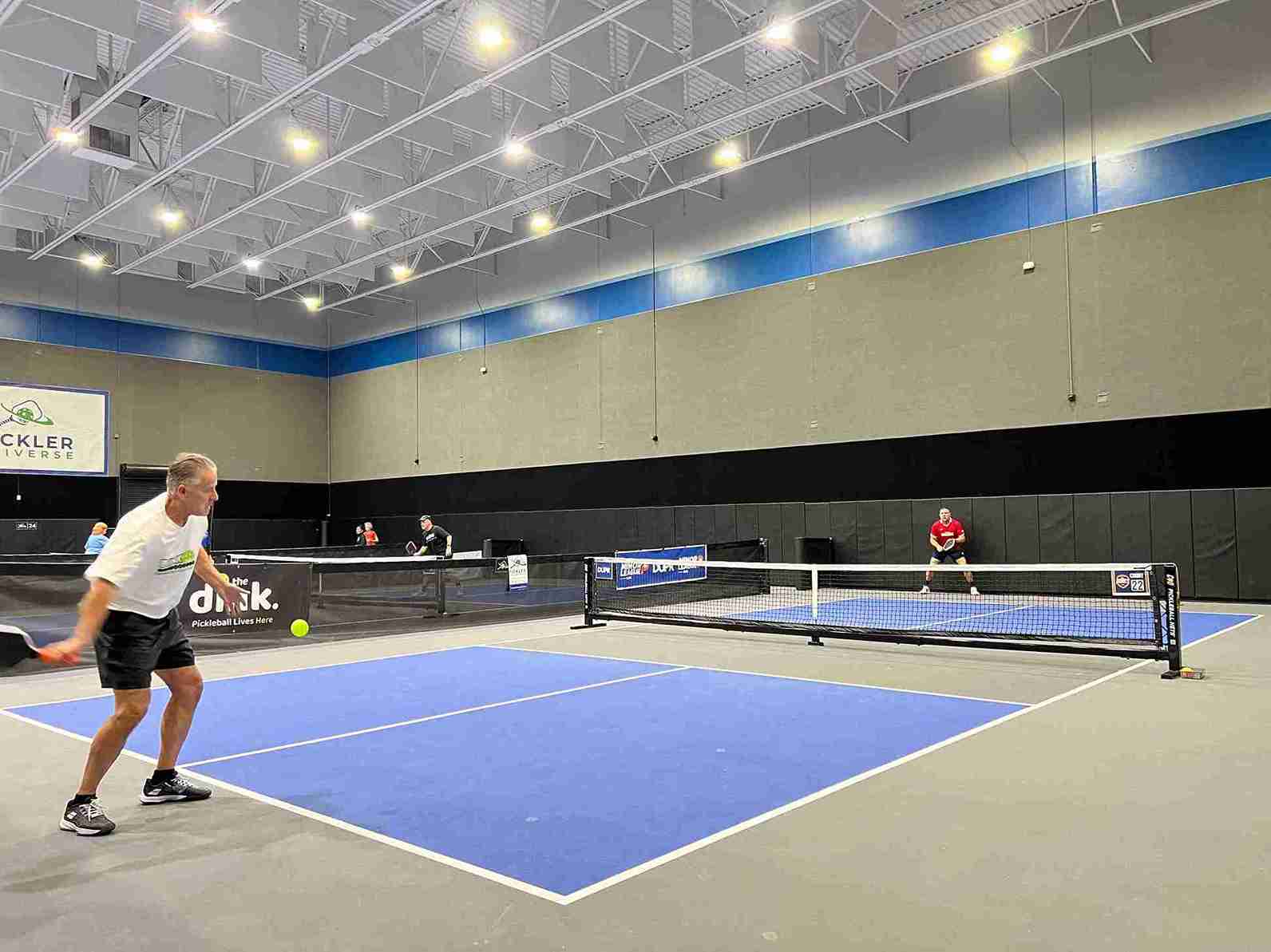
The fundamental framework remains consistent, but key variations make singles a unique challenge. The most significant changes involve scoring announcements, serving patterns, and positional requirements that catch many players unprepared.
Singles Scoring System
Singles scoring eliminates the third number from doubles play. Instead of calling "0-0-2," you simply announce "0-0." The first number represents the server's score, while the second indicates the receiver's score. This streamlined system removes the confusion of server numbers entirely.
Games are typically played to 11 points, win by 2, though tournament formats may vary. The serving player announces both scores before each serve, maintaining the same cadence as doubles without the additional server designation.
Serving Rules and Rotation
Service Court Selection
Here's where singles gets tricky. The serving player must serve from the court that corresponds to their score. When your score is even (0, 2, 4, 6, etc.), serve from the right side. When your score is odd (1, 3, 5, 7, etc.), serve from the left side.
This rule trips up doubles players who are accustomed to different serving patterns. In singles, you're responsible for tracking your own score and positioning accordingly—no partner to remind you which side to serve from.
Service Sequence
Unlike doubles where both players on a team serve before losing the serve, singles follows a straightforward alternating pattern. You serve until you lose the rally, then your opponent takes over serving duties. This creates more frequent momentum shifts and keeps both players constantly engaged.
Court Coverage and Strategic Considerations
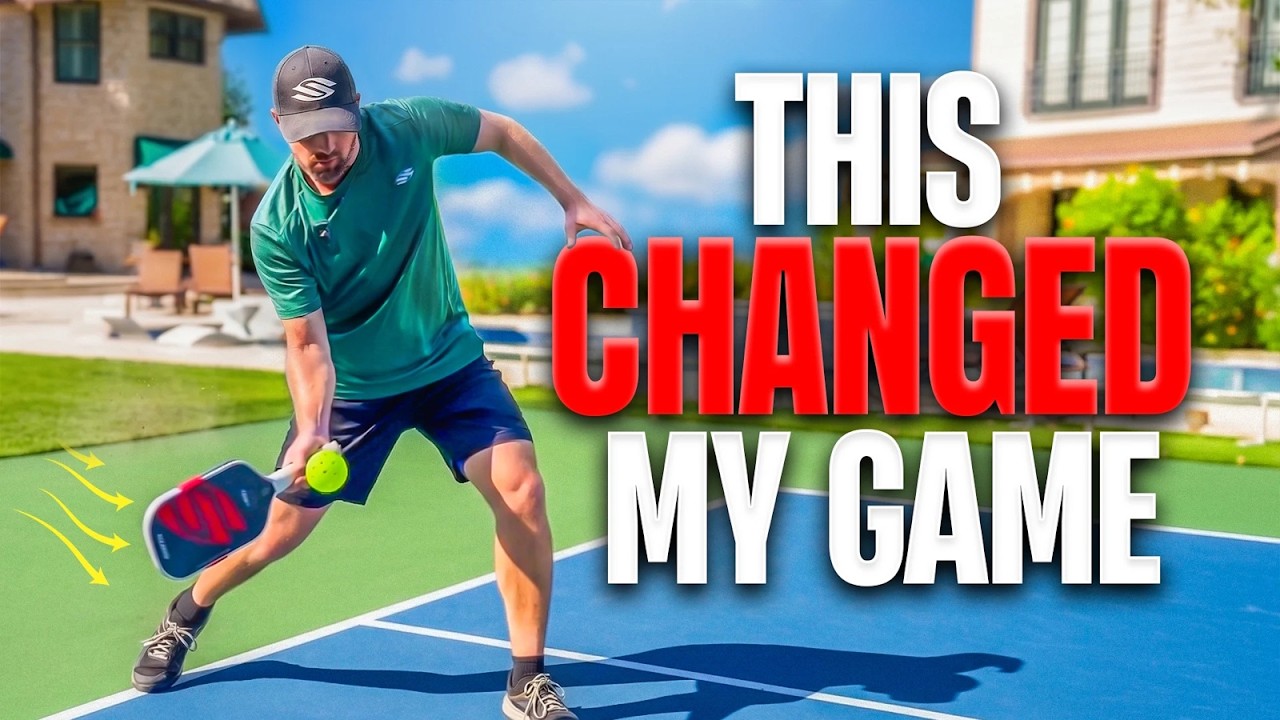
Singles demands exceptional court coverage since you're responsible for the entire playing area. The court doesn't shrink—it's still 20 feet wide and 44 feet long—but now you're covering it solo. This reality fundamentally changes shot selection and positioning strategy.
Kitchen Rules Remain Unchanged
The non-volley zone maintains identical rules to doubles play. You cannot volley while standing in the kitchen or hit a ball in the air immediately after stepping into the zone. However, with no partner to communicate with, you must be extra vigilant about your positioning and footwork.
Essential Singles Strategies
Fitness and Endurance
Singles pickleball is significantly more demanding physically. Every shot requires you to recover to an optimal court position, typically center court, while maintaining readiness for the next return. Cardiovascular fitness becomes crucial for sustained performance.
Shot Selection Philosophy
Conservative shot selection often wins singles matches. Without a partner to cover angles, risky shots that might work in doubles can leave you completely exposed. Focus on percentage plays, deep returns, and patient point construction rather than aggressive winners.
Common Singles Mistakes to Avoid
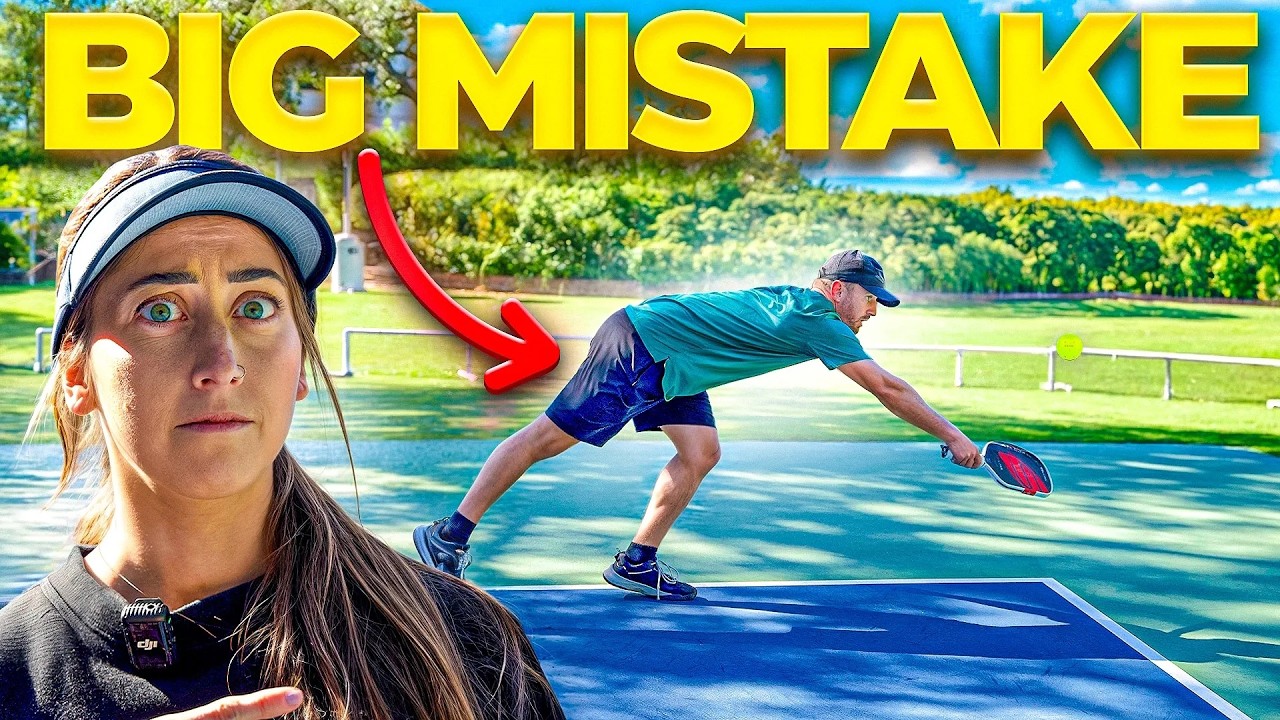
New singles players frequently struggle with court positioning, often hugging one sideline after hitting a shot instead of recovering to center court. This leaves massive gaps for opponents to exploit with simple placement shots.
Another common error involves serving from the wrong side due to score confusion. Develop a consistent routine of checking your score before each serve to avoid costly mistakes.
Tournament and Competition Formats
Singles tournaments may feature different scoring systems, including games to 15 or 21 points. Some formats use best-of-three matches, while others employ single-game elimination. Always verify the specific rules before competition begins.
Frequently Asked Questions
Can I play singles on a doubles court?
Absolutely. Singles uses the same court dimensions as doubles, including the full width of the court. The sidelines and baselines remain identical, making any standard pickleball court suitable for singles play.
Is singles pickleball harder than doubles?
Singles is generally more physically demanding due to increased court coverage requirements, but many players find the simplified scoring and serving rules easier to track. The difficulty largely depends on your fitness level and playing style preferences.
How do I know which side to serve from in singles?
Always serve from the side that matches your score's even or odd status. Even scores (0, 2, 4, 6) require serving from the right side, while odd scores (1, 3, 5, 7) require serving from the left side.