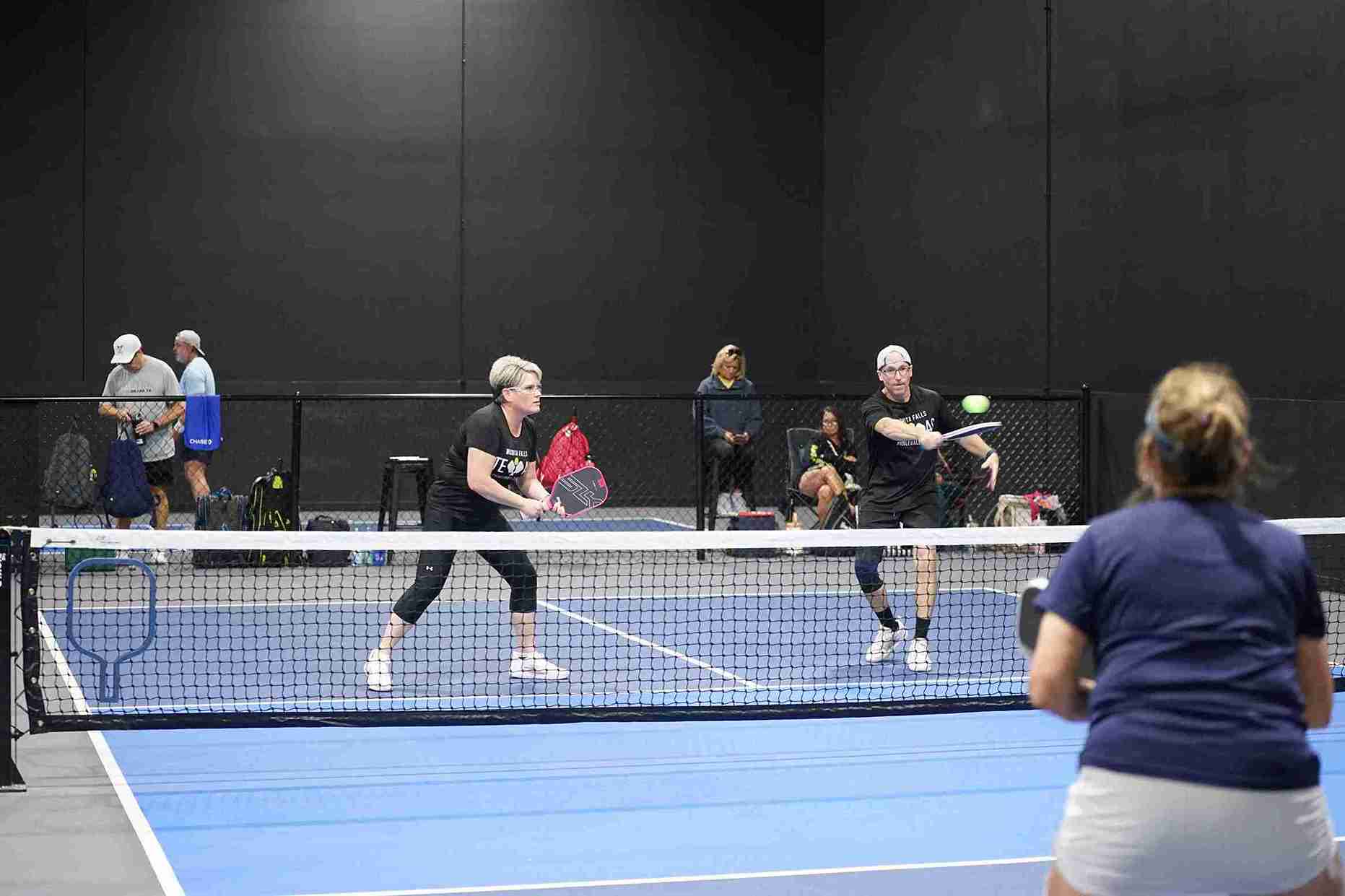
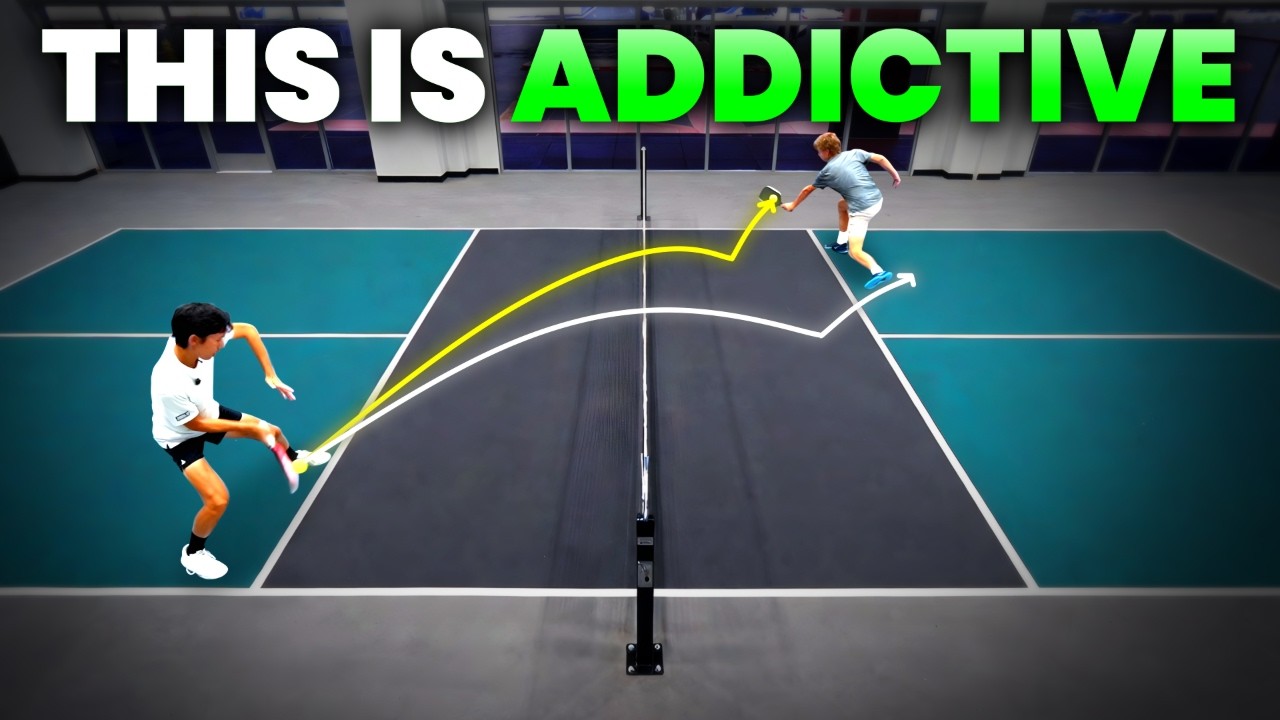
Constantly finding yourself lunging desperately for shots in pickleball? Here's what most players don't realize: the lunge isn't your real problem—it's just the visible symptom of poor court positioning.
By the time you're stretching across the court with your paddle fully extended, the mistake already happened several steps earlier. The good news? This is completely fixable with the right positioning fundamentals.
Why Players Lunge: The Root Causes
Most recreational players between 3.5 and 4.0 levels fall into the lunging trap because they focus on the wrong solutions. They think faster hands or quicker reflexes will solve their reach problems, but the issue runs deeper.
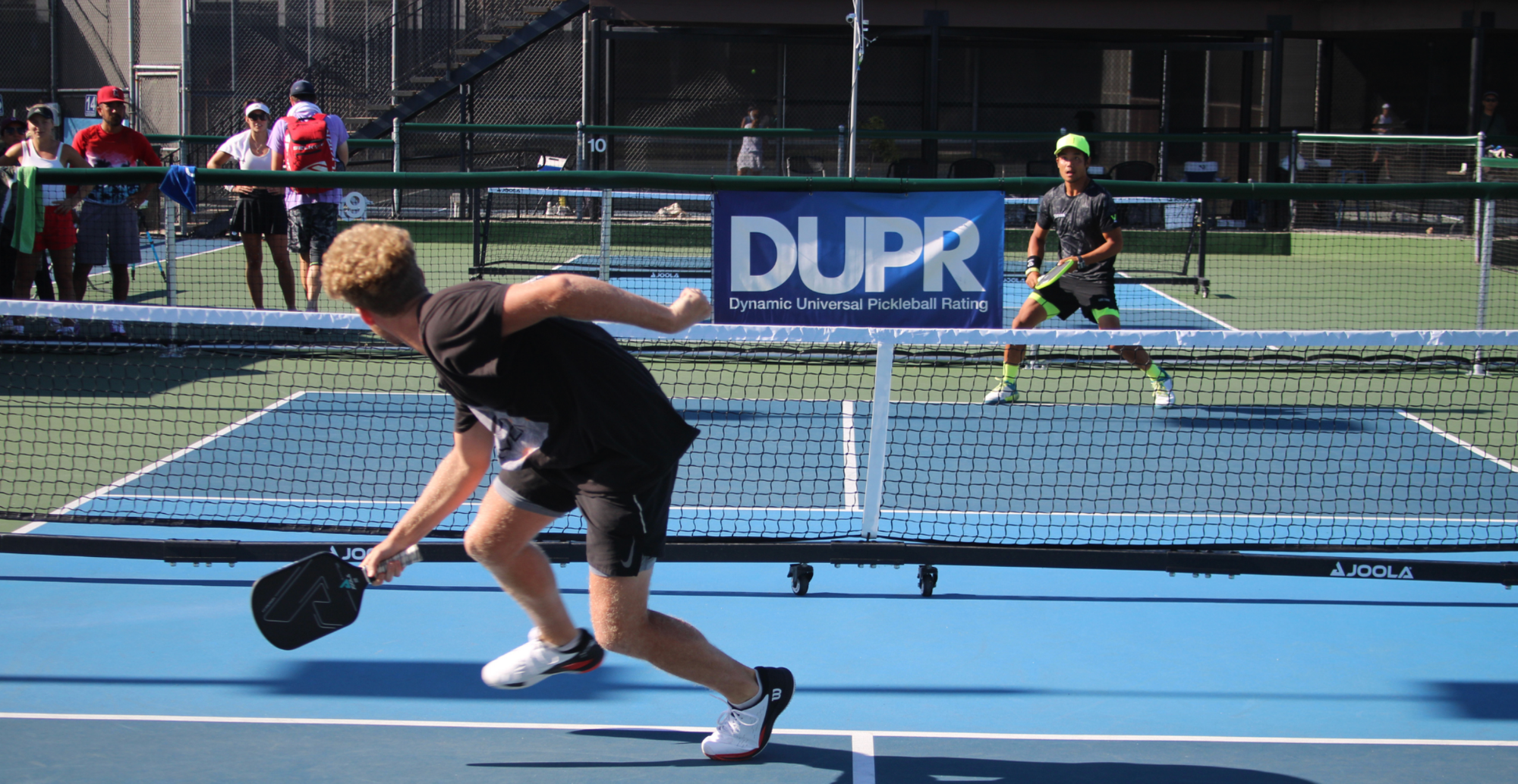
Poor anticipation is the primary culprit. When you're not reading your opponent's body language and paddle position, you're always reacting instead of positioning. This leaves you scrambling to reach balls that should be comfortable shots.
Static footwork compounds the problem. Many players plant their feet and try to handle everything from one spot, forcing them into awkward reaches when a simple step would put them in perfect position.
The Court Position Solution
Effective court positioning starts with understanding the geometry of pickleball. Your position should always be based on where the ball is going, not where it currently is.
Pre-Shot Positioning
Before your opponent strikes the ball, analyze their body position and paddle angle. This telegraphs direction better than waiting to see the actual ball flight. Position yourself to cut off their most likely shot while staying mobile enough to adjust.
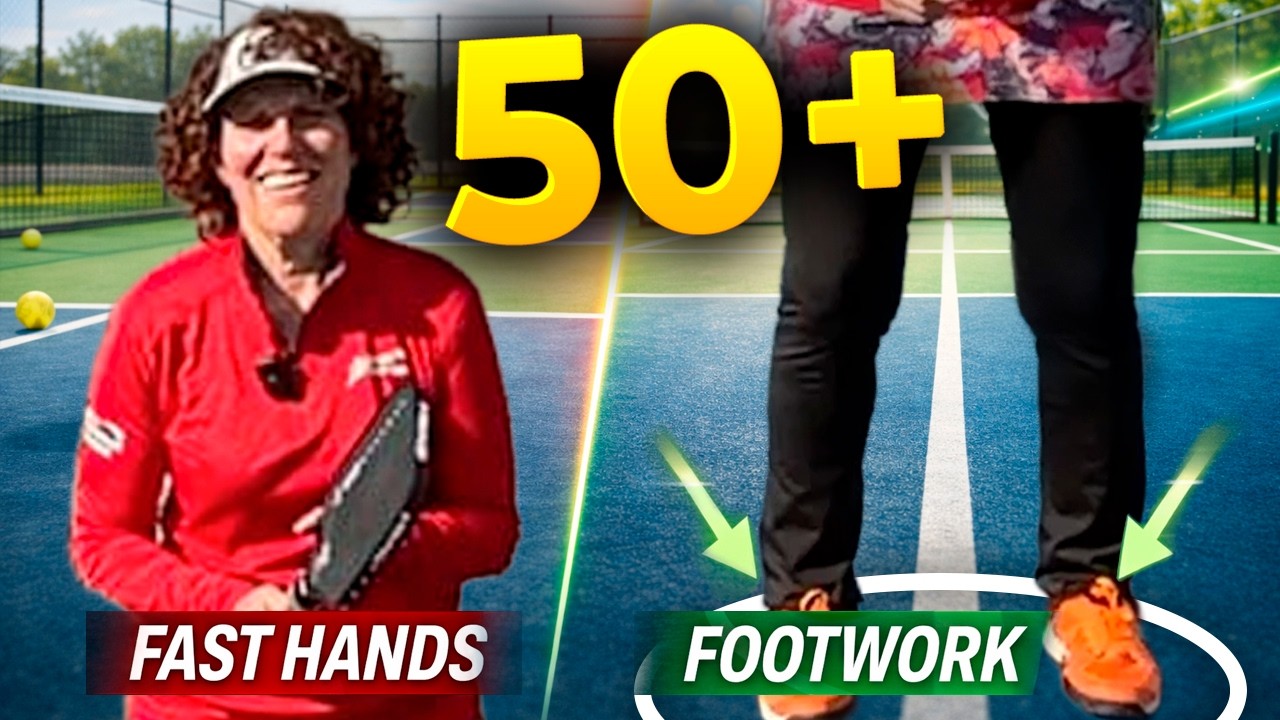
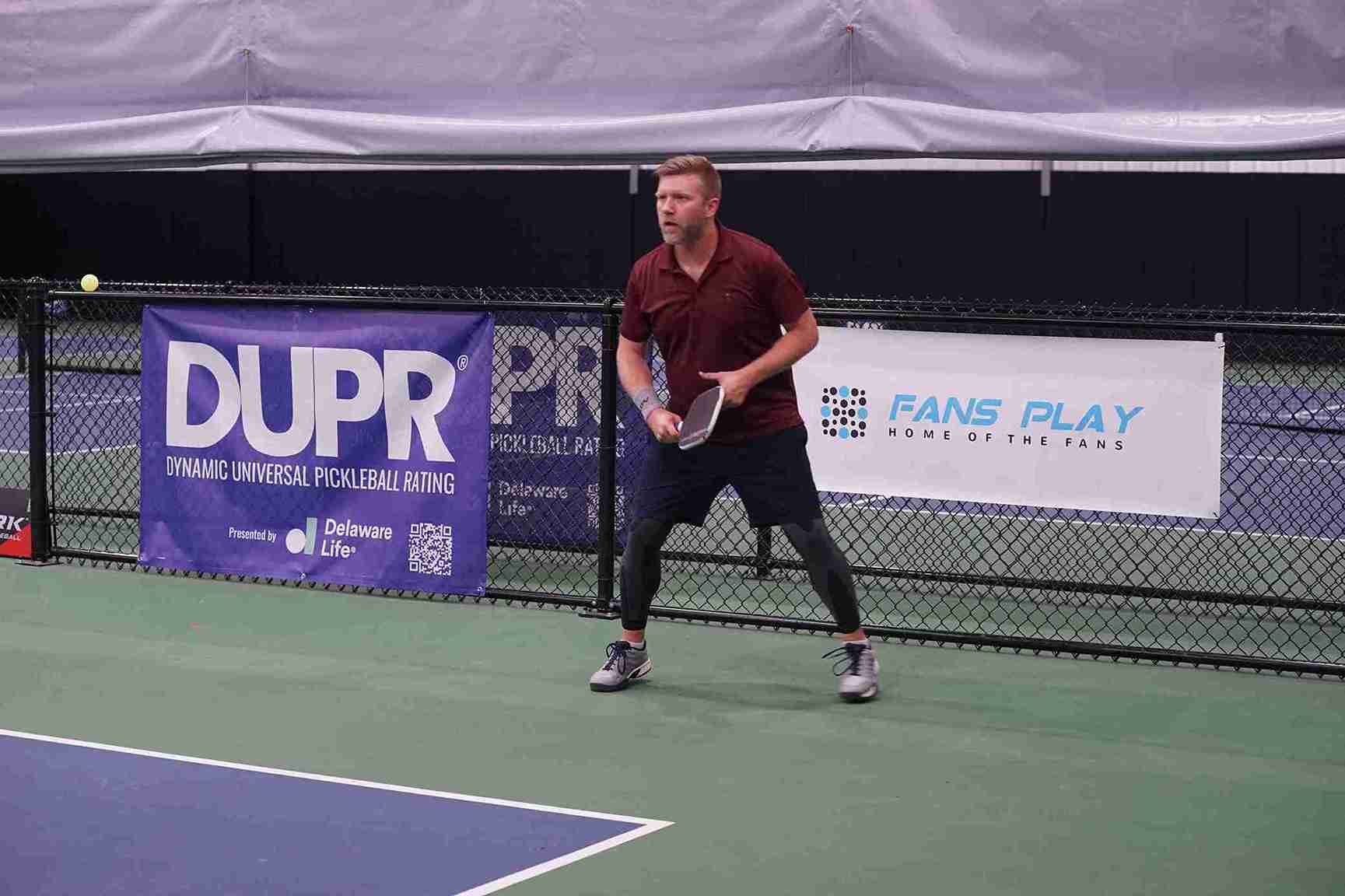
The key is maintaining what we call "ready mobility"—staying light on your feet with your weight slightly forward, knees bent, and paddle in a neutral position. This athletic stance allows for quick directional changes without the desperate lunges.
The Two-Step Rule
Here's a practical technique you can implement immediately: never try to reach a ball that requires more than two steps to get to comfortably.
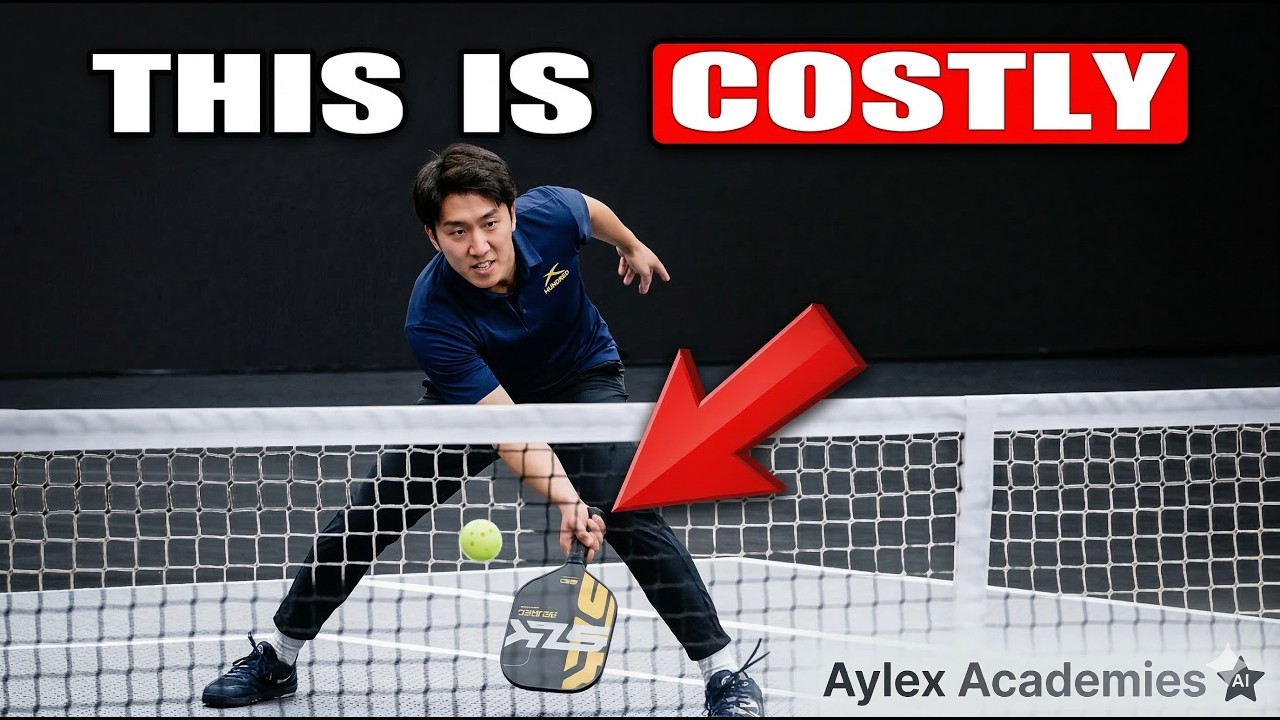
If you need three or more steps, you're either out of position or the shot is genuinely unreachable. Accepting this limitation forces you to position better proactively rather than reactively.
Footwork Fundamentals That Eliminate Lunging
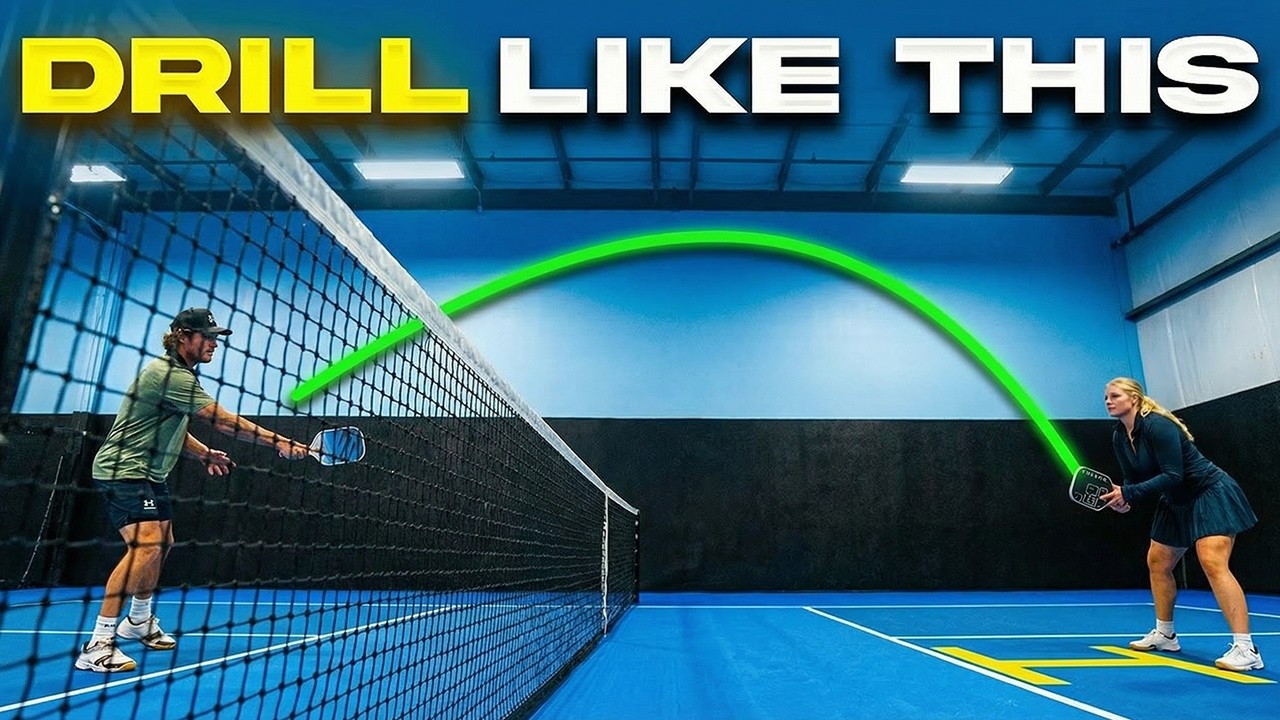
Good footwork in pickleball follows predictable patterns. Master these movement fundamentals and you'll find yourself in position for controlled shots instead of desperate reaches.
The Split Step
As your opponent prepares to hit, perform a small split step—a slight hop that lands with your feet shoulder-width apart just as they make contact. This primes your muscles for quick movement in any direction.
Crossover Steps for Wide Balls
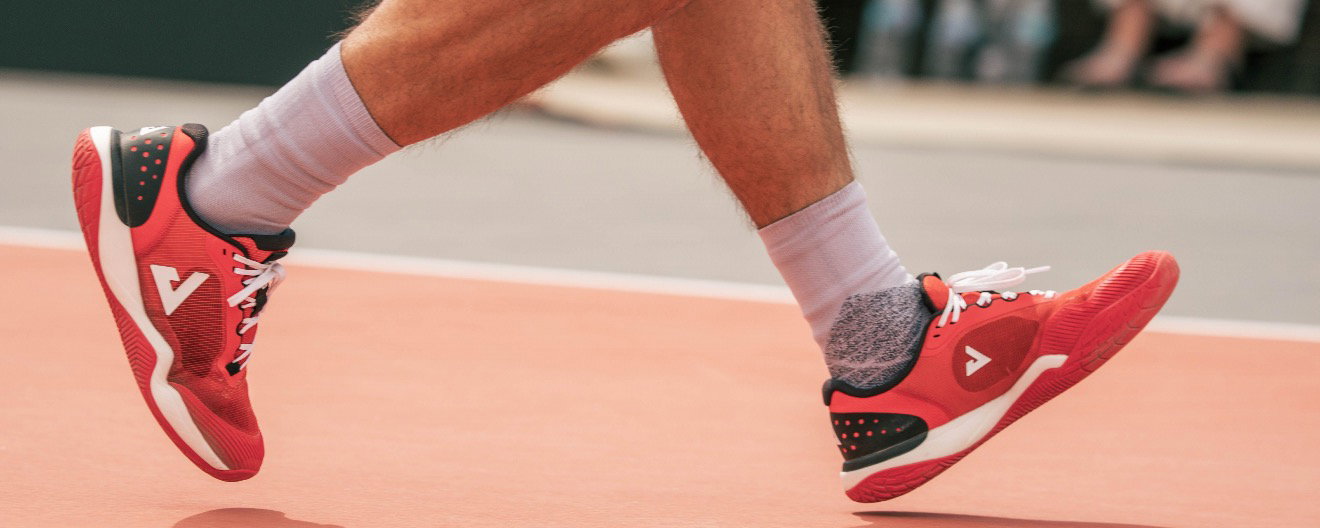
When the ball goes wide, don't shuffle sideways. Use crossover steps to cover ground quickly while maintaining balance. Your first step should be a large crossover, followed by smaller adjustment steps to fine-tune your position.
Recovery Positioning
After each shot, immediately return to your optimal court position rather than admiring your work. The shot you just hit should inform where you position for the next ball.
Practice Drills for Better Positioning
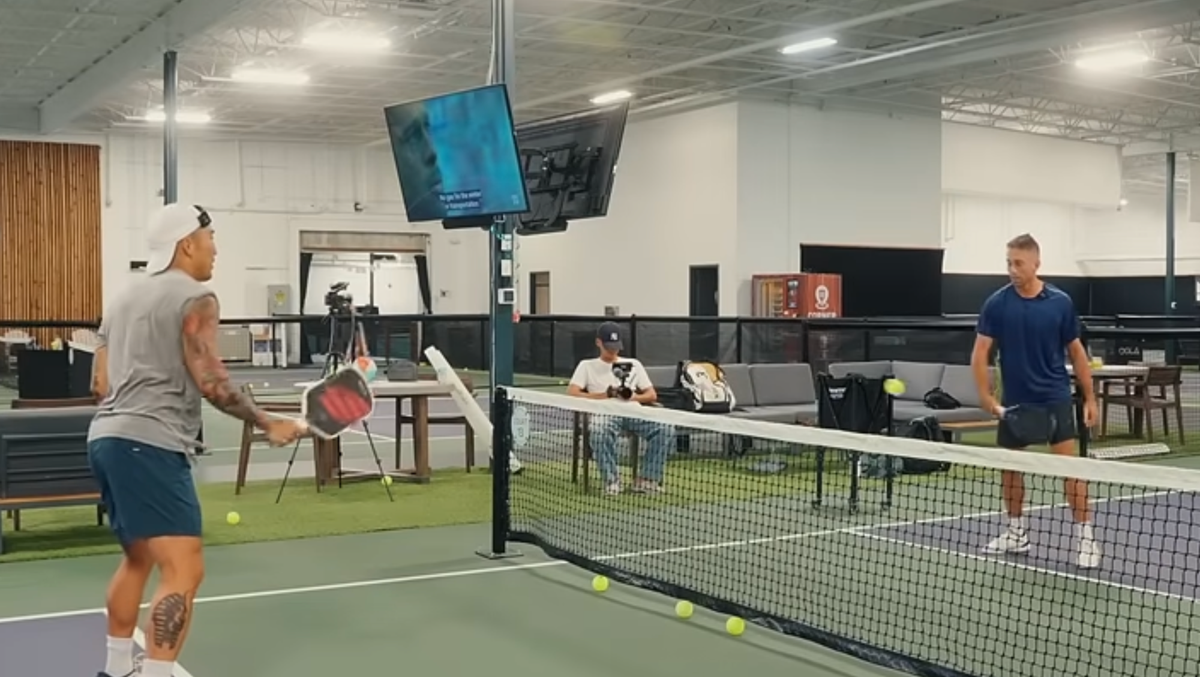
Understanding positioning concepts is one thing—developing the muscle memory is another. These drills will train your feet to move proactively:
Shadow drill: Have a partner point in different directions while you practice your movement patterns without a ball. Focus on efficient steps and recovery.
Restriction drill: Play points where you're only allowed two steps maximum to reach any ball. This forces better anticipation and positioning.
Court zone drill: Divide your side of the court into zones and practice moving between them with proper footwork patterns.
Mental Approach: Think Position, Not Speed
The biggest mindset shift for eliminating lunging is changing from reactive to proactive thinking. Instead of trying to get faster, focus on getting smarter about where you position yourself.
Watch better players and notice how rarely they make spectacular diving saves. It's not because they're lazy—it's because they're in the right place at the right time through superior court sense.
Frequently Asked Questions
How long does it take to fix lunging habits in pickleball?
Most players see significant improvement in 2-3 weeks of focused practice on positioning fundamentals. However, completely eliminating lunging habits typically takes 1-2 months of consistent attention to footwork and court positioning during play.
Should I ever lunge in pickleball?
Occasional lunging for truly exceptional shots is normal, but if you're lunging multiple times per game, it indicates positioning issues. A well-positioned player should lunge less than once per set on average.
What's the most common positioning mistake that causes lunging?
Standing too close to the centerline and trying to cover the entire court from one position. Players should position based on their opponent's most likely shots, not try to cover everything equally from a central location.