Why Your Serve Sets the Tone for Every Point
The difference between recreational and competitive pickleball players often comes down to one crucial element: understanding that your serve is a weapon, not just a way to start the point. While beginners focus solely on getting the ball over the net, advanced players use their serve to create immediate advantages and put opponents on the defensive.
Every successful point begins with a strategic serve that forces your opponent into uncomfortable positions. When executed properly, your serve becomes the foundation for winning rallies before your opponent even returns the ball.
Official Pickleball Serving Rules You Must Know
Before developing advanced serving strategies, you need to master the fundamental rules that govern legal serves in pickleball. Understanding these regulations ensures you can focus on technique without worrying about faults.
Key Serving Requirements
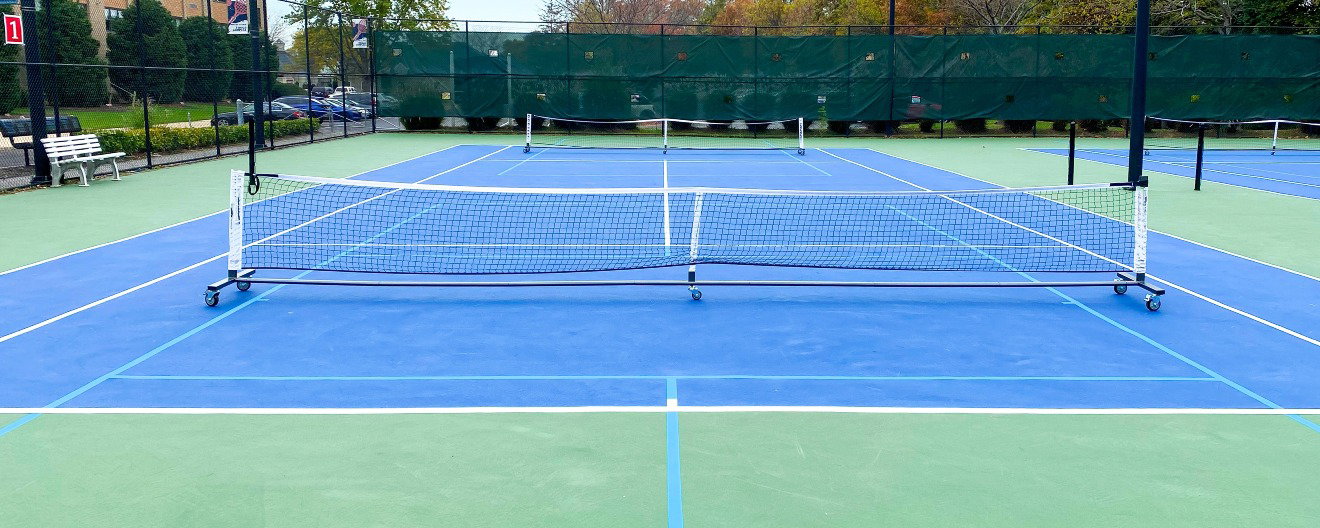
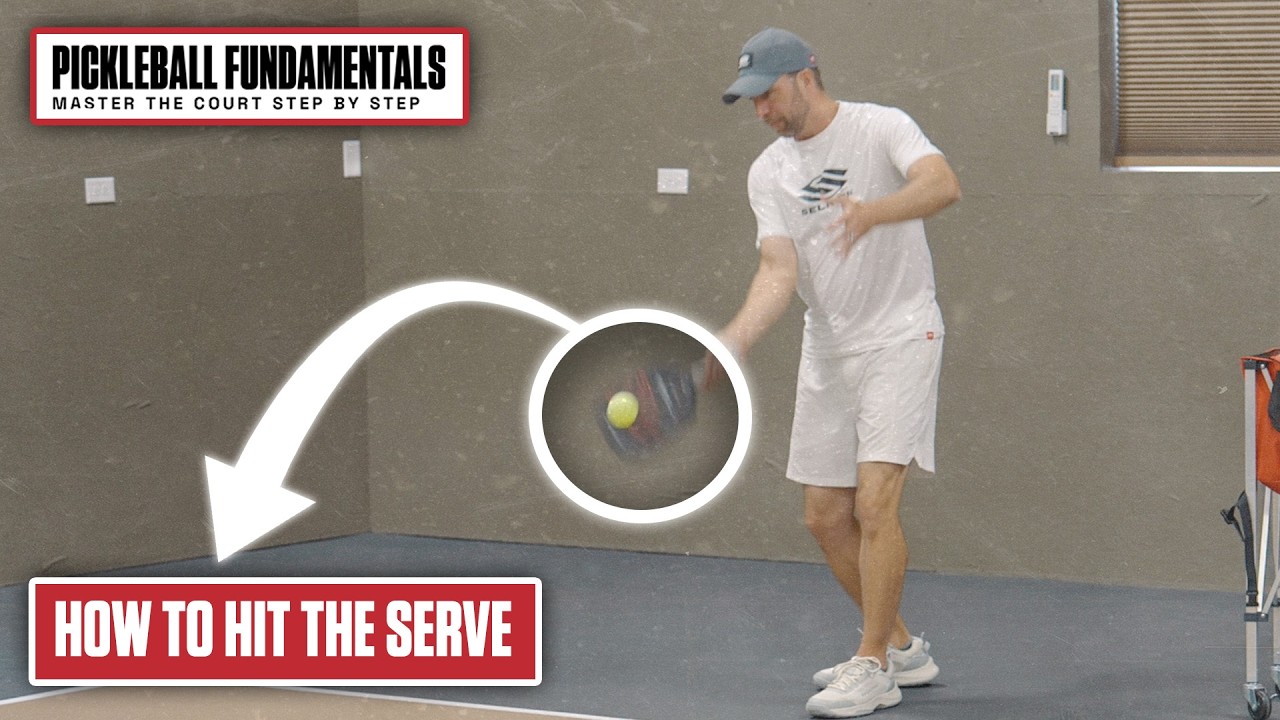
The serve must be hit underhand with contact made below your waist level. Your paddle face must strike the ball in an upward arc, and both feet must remain behind the baseline until after contact. The serve must land in the diagonal service court, clearing the non-volley zone completely.
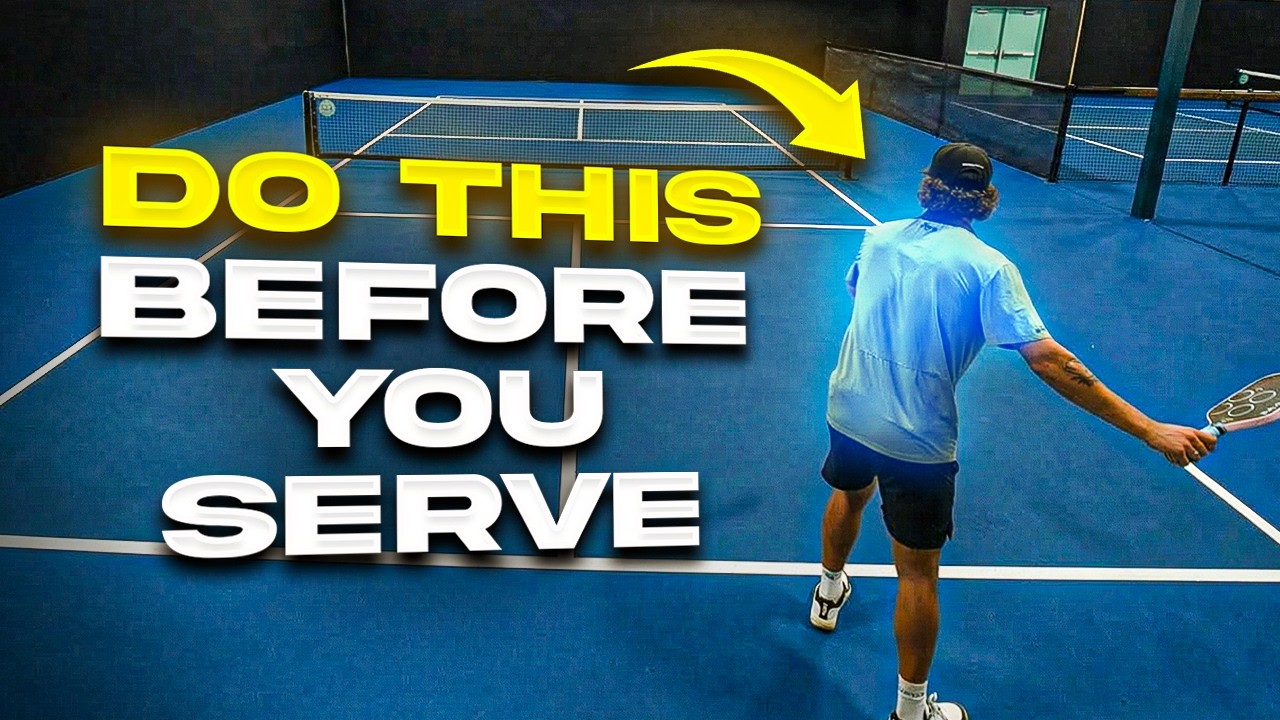
Additionally, you get only one serve attempt per turn (except for the first serve of each game), and you must serve from the correct side based on your team's score. These foundational rules create the framework within which you can develop your serving strategy.
Developing Proper Serving Technique
Your serving stance and motion directly impact both accuracy and the ability to generate strategic placement. The most effective servers establish a consistent routine that maximizes their chances of executing their intended serve.
Optimal Stance and Preparation
Position yourself with your non-dominant foot slightly forward, creating a stable base for your serving motion. Hold the ball in your non-paddle hand at waist level, preparing for a smooth drop that allows clean contact with your paddle.

Your paddle should start in a neutral position, allowing for a controlled upward swing that imparts the desired spin and placement. Focus on maintaining consistent ball placement and timing to develop muscle memory for reliable serves under pressure.
Strategic Serving for Maximum Pressure
Once you've mastered the technical aspects, your serve becomes a tactical tool for controlling points. The most effective serves combine placement, pace, and spin to create difficult returns for your opponents.
Placement Strategies That Work
Deep serves to the baseline force opponents away from the net, making their approach more difficult. Alternatively, short serves that barely clear the non-volley zone can catch aggressive players off guard and limit their attacking options.
Target your opponent's backhand when possible, as most players have weaker backhand returns. Varying your serve placement prevents opponents from anticipating your strategy and preparing their positioning accordingly.
Adding Spin for Enhanced Control
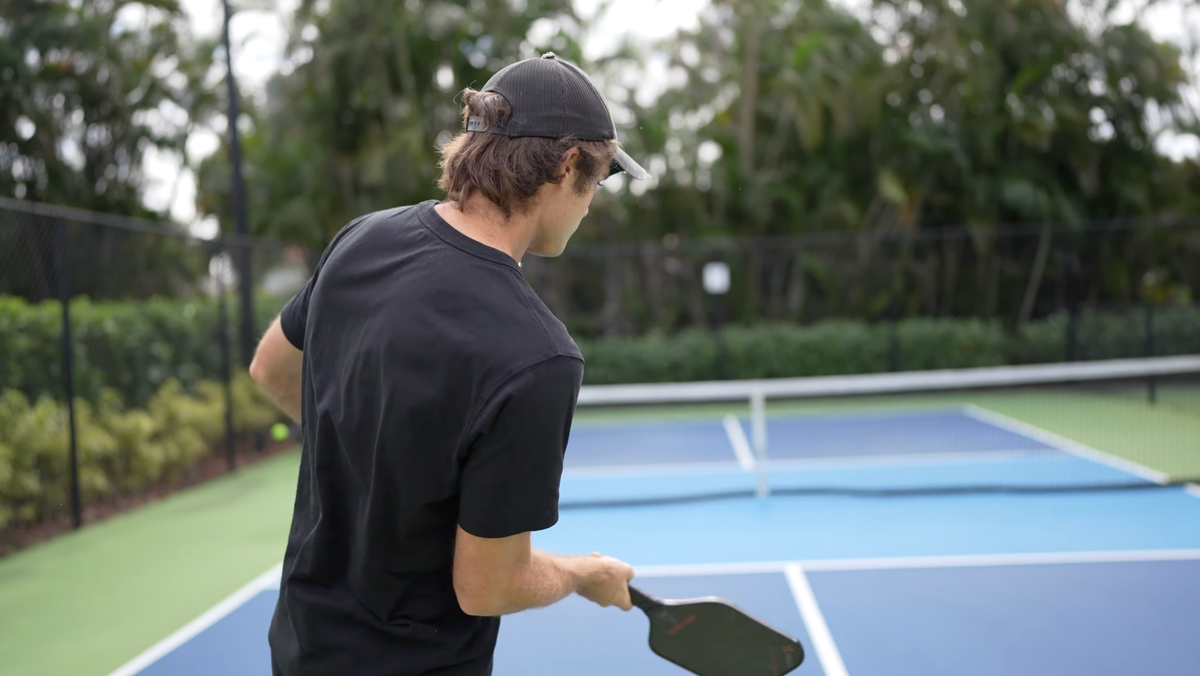
Topspin serves dive quickly after crossing the net, making them challenging to return with pace. Side spin serves curve during flight, potentially pulling opponents wide and opening up court space for your next shot.
Practice different spin techniques during warm-up sessions, but remember that consistency trumps complexity. A reliable serve with moderate spin often proves more effective than an inconsistent serve with excessive spin.
Mental Approach to Serving Success
Your mindset during serving situations significantly impacts your execution and overall effectiveness. Developing confidence in your serve requires both technical practice and mental preparation.
Establish a pre-serve routine that helps you focus and visualize your intended target. Take time between serves to reset mentally and choose your strategy based on the current game situation and your opponent's positioning.
Remember that serving provides you with complete control over how each point begins. Use this advantage to dictate tempo and create scoring opportunities rather than simply putting the ball in play.
Frequently Asked Questions
How can I add more power to my pickleball serve?
Focus on generating power through your core rotation and leg drive rather than just arm strength. A smooth, coordinated motion with proper weight transfer will create more pace than muscling the ball with your arm alone.
What's the most effective serve placement for beginners?
Start by targeting deep serves to your opponent's backhand side. This placement forces them away from the net while attacking their typically weaker stroke, giving you the best chance for weak returns you can attack.
Should I vary my serving speed during matches?
Yes, changing pace keeps opponents off balance and prevents them from timing your serves. Mix harder drives with softer placement serves to maintain unpredictability and force different types of returns.