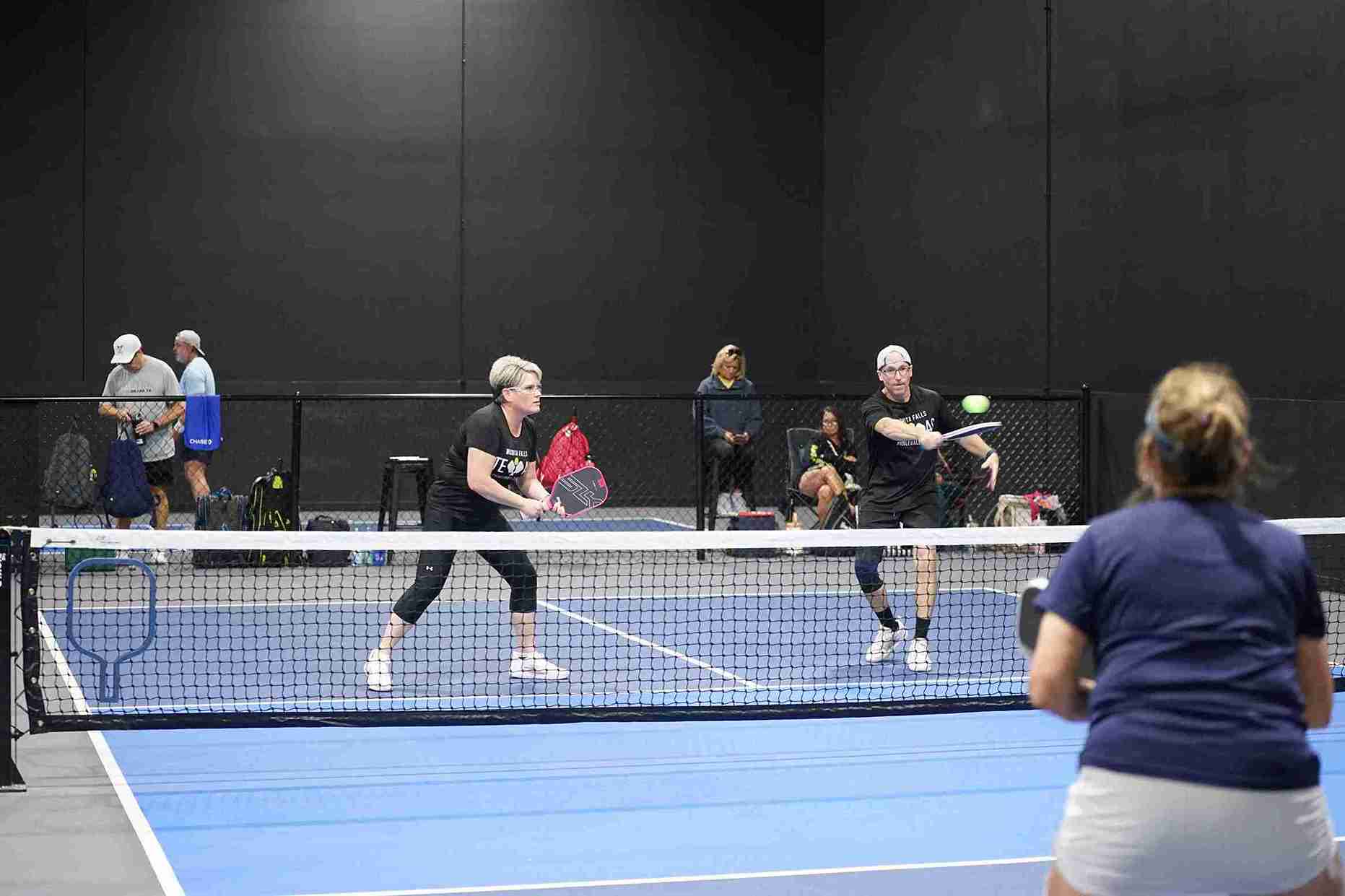
If you're coming from tennis or volleyball, you might wonder whether you can unleash a powerful overhand serve in pickleball. The answer might surprise you – and it's crucial to understand before you step onto the court.
The Official Ruling on Overhand Serves
Overhand serves are completely prohibited in pickleball. This isn't a gray area or interpretation issue – USA Pickleball's official rulebook makes this crystal clear through specific serving requirements that make overhand motions impossible to execute legally.
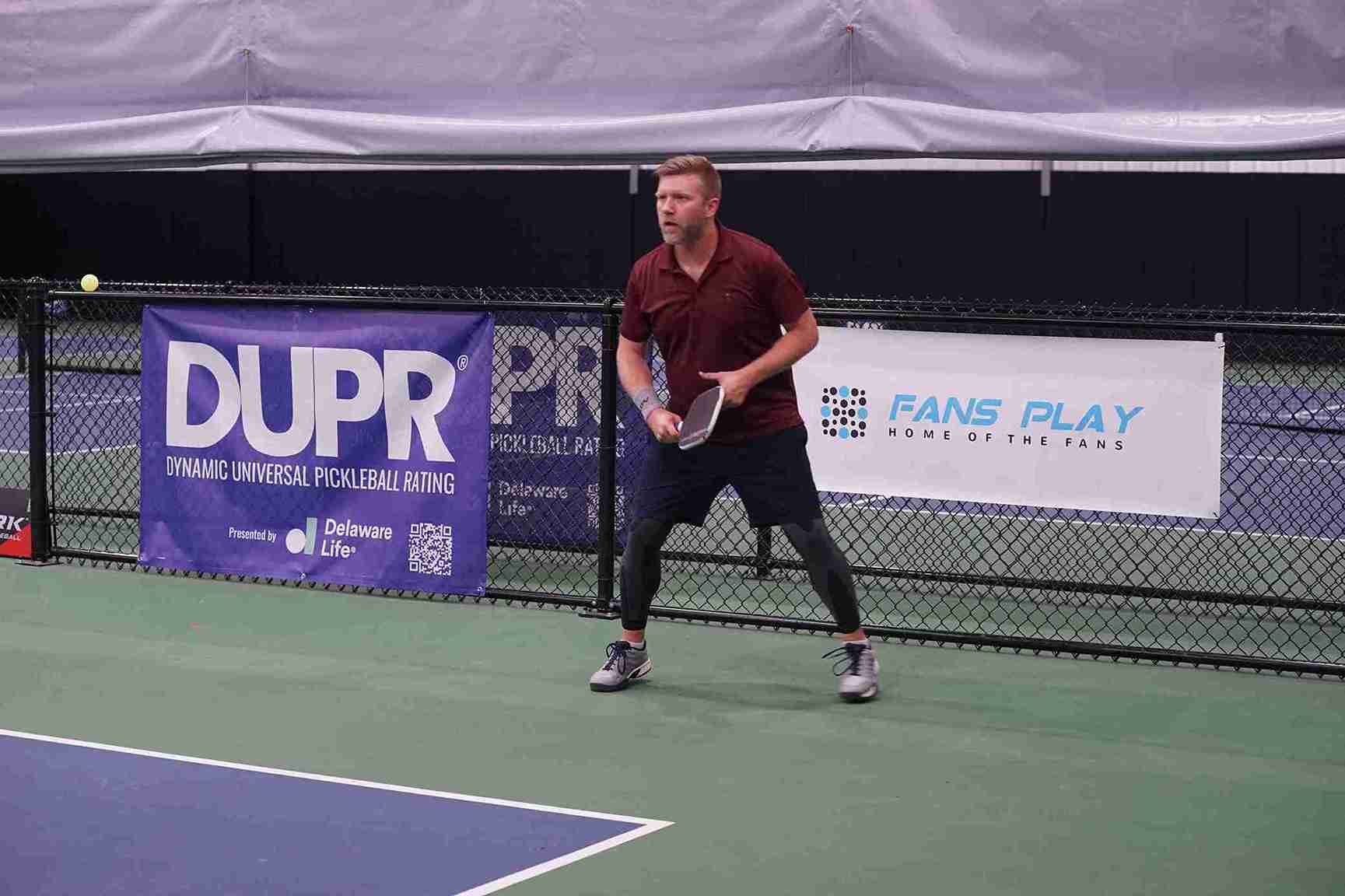
Unlike tennis or volleyball where overhead power serves dominate, pickleball was designed with different principles in mind. The serving rules deliberately level the playing field and emphasize strategy over raw power.
The Three Non-Negotiable Serving Rules
Under USA Pickleball Rule 4.A.4, every legal serve must satisfy three specific requirements simultaneously:
1. Paddle Position Rule
The paddle head cannot be above your wrist at the moment of ball contact. This restriction alone eliminates any possibility of an overhand serve, as overhead motions naturally position the paddle well above the wrist.
2. Contact Point Rule
Ball contact must occur below your waist, specifically defined as below the navel. Even if you could somehow keep your paddle below your wrist, this rule ensures the contact point remains low.
3. Upward Arc Rule
Your paddle must be moving in an upward direction when striking the ball. This creates the characteristic underhand motion that defines pickleball serves and prevents downward striking motions.
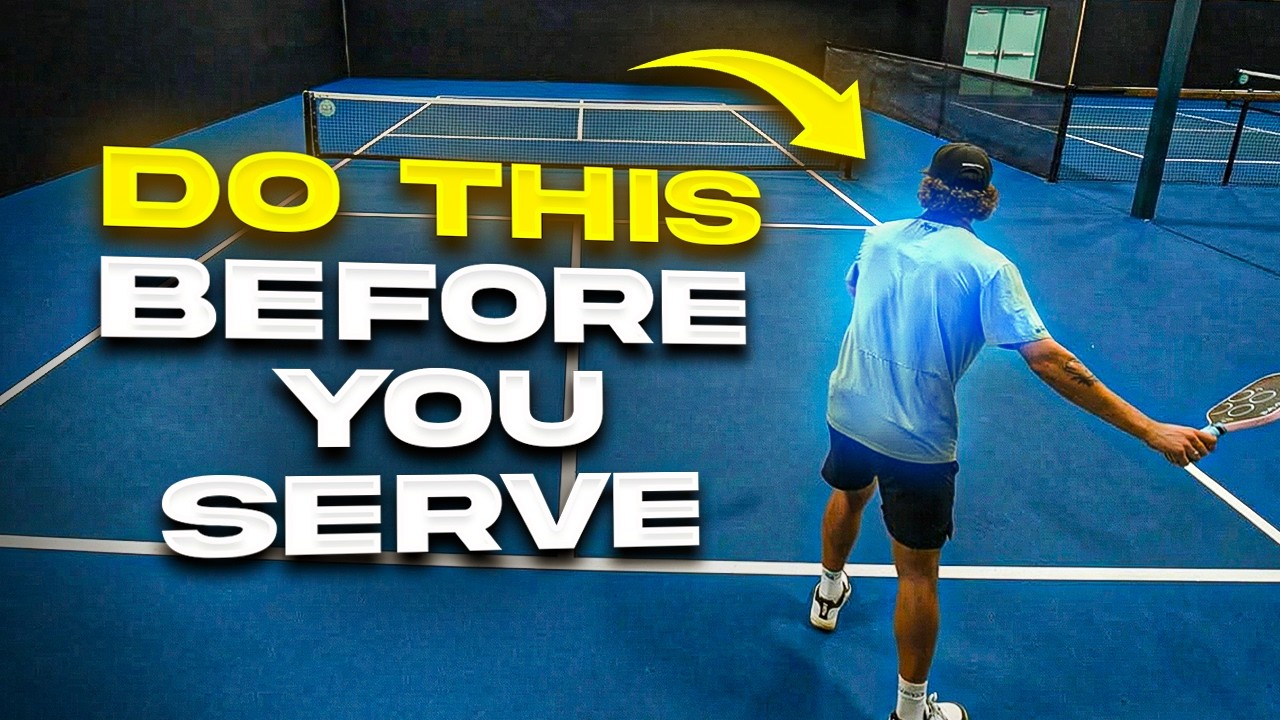
Violating even one of these three rules results in an immediate fault. Attempting an overhand serve breaks all three simultaneously, making it one of the most clear-cut rule violations in pickleball.
Why These Serving Rules Exist
Pickleball's serving restrictions aren't arbitrary – they serve several important purposes:
Safety and Accessibility: Underhand serves reduce injury risk and make the game more accessible to players of all ages and physical abilities.
Strategic Balance: By limiting serving power, the rules ensure that rallies develop through skill and strategy rather than being dominated by serve-and-volley tactics.
Game Flow: The serving rules help create longer, more engaging rallies that showcase the sport's unique characteristics.
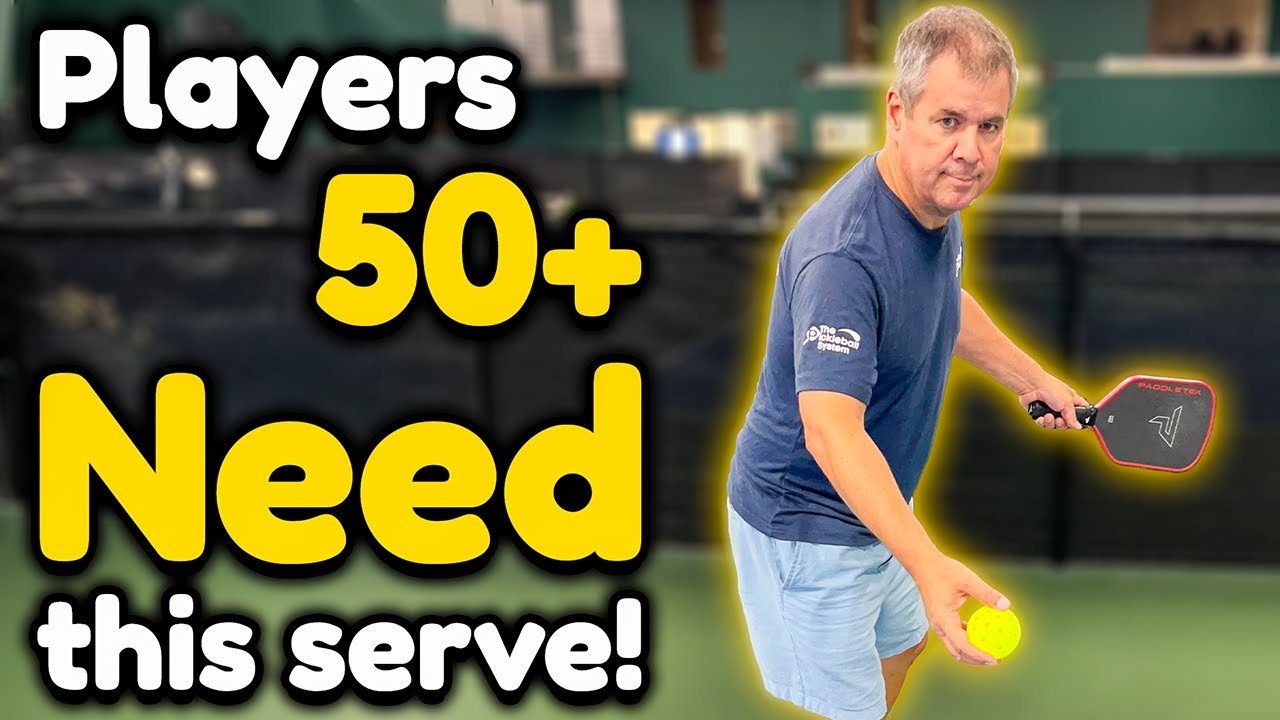
Building a Powerful Legal Serve
Just because you can't serve overhand doesn't mean your serve has to be weak. Here's how to maximize your serving effectiveness within the rules:
Master the Deep Serve
Focus on placement over power. A deep serve that lands near the baseline forces your opponent back and creates opportunities for aggressive third shots.
Develop Spin Variations
Topspin and sidespin can make your serves more challenging to return while staying completely legal. Practice different paddle angles at contact to create spin.
Use Strategic Placement
Target your opponent's backhand, hit to their feet, or place serves wide to pull them out of position. Precision beats power in pickleball serving.
Perfect Your Timing
A smooth, consistent serving motion with proper timing can generate surprising pace while maintaining the required upward arc.
Common Serving Mistakes to Avoid
Even when attempting legal underhand serves, players often commit subtle violations:
• Dropping the paddle head below the wrist just before contact
• Making contact at or above waist level
• Using a sidearm motion that doesn't maintain an upward arc
• Starting the forward swing from too high a position
Practice your serving motion slowly at first, focusing on maintaining all three legal requirements throughout the entire motion.
Frequently Asked Questions
Can you serve sidearm in pickleball?
Sidearm serves are legal only if they meet all three serving requirements: paddle below wrist, contact below waist, and upward arc motion. Most sidearm attempts violate the upward arc rule.
What happens if I accidentally serve overhand during a game?
An overhand serve results in an immediate fault. If you're serving, you lose your serve (or your team loses the serve in doubles). The opposing side gains the serve opportunity.
Are there any exceptions to the underhand serving rule?
No exceptions exist. All serves in tournament play, recreational games, and official matches must follow the same underhand requirements regardless of skill level or game format.