The Great Fitness Face-Off: Pickleball Takes on Step Counting
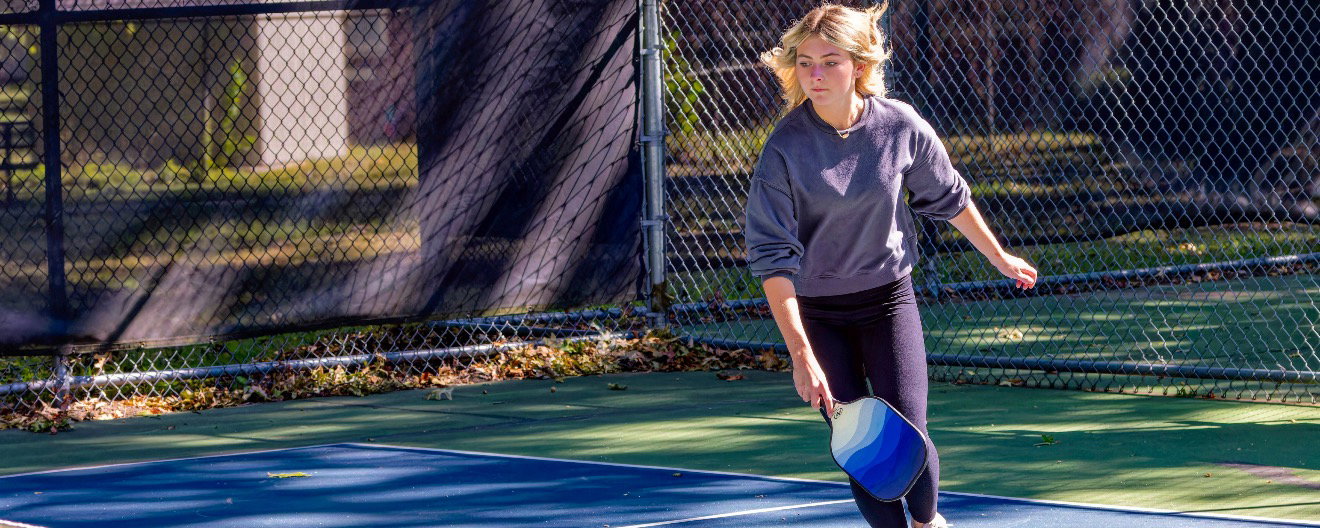
The fitness world is buzzing with a compelling debate that's reshaping how we think about daily exercise goals. While the 10,000-step target has dominated health recommendations for decades, pickleball enthusiasts and medical professionals are making a strong case for racket over routine walking.
This shift in thinking comes at a time when America's fastest-growing sport continues to attract players of all ages, promising not just fun but potentially superior fitness outcomes in a fraction of the time.
Why Traditional Step Counting Falls Short
The iconic 10,000-step goal, while well-intentioned, may not deliver the comprehensive fitness benefits many people assume. Recent expert analysis reveals significant limitations in this approach to daily movement.
Dr. Deepak Agrawal, Senior Consultant in Cardiology at Narayana Hospital in Jaipur, India, explains the fundamental issue: "Routine daily steps are usually not brisk and rarely improve aerobic capacity, muscle strength, or metabolic health."
Most daily steps occur during low-intensity activities like casual walking, household chores, or moving around the office. While these movements contribute to overall activity levels, they don't challenge the cardiovascular system or build muscle strength effectively.
The Intensity Factor
The key differentiator lies in exercise intensity. Walking 10,000 steps typically takes 80-100 minutes of mostly low-intensity movement throughout the day. In contrast, structured activities like pickleball pack high-intensity intervals, strength building, and cardiovascular challenges into concentrated time periods.
Pickleball's Fitness Advantage
What makes pickleball particularly effective as a fitness solution extends far beyond simple calorie burning. The sport combines multiple fitness components that walking alone cannot match.
Full-Body Engagement
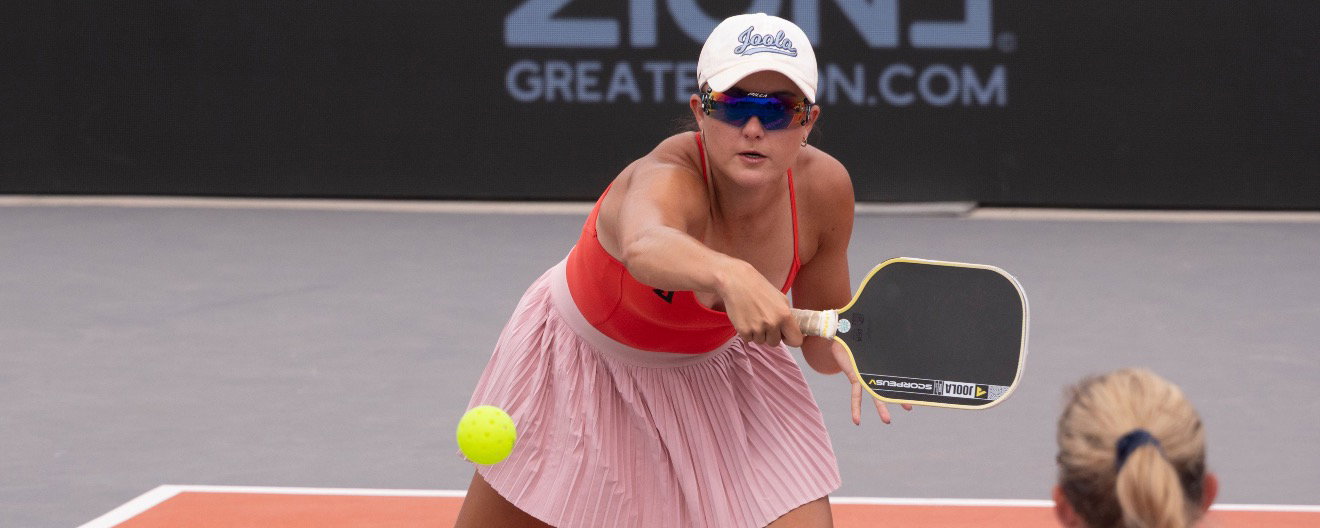
Unlike walking, which primarily engages the lower body, pickleball demands coordination from head to toe. Players constantly engage their core for stability, use their upper body for paddle control, and challenge their legs with quick directional changes and lunges.
This comprehensive muscle recruitment means players build functional strength while improving cardiovascular health simultaneously.
High-Intensity Intervals
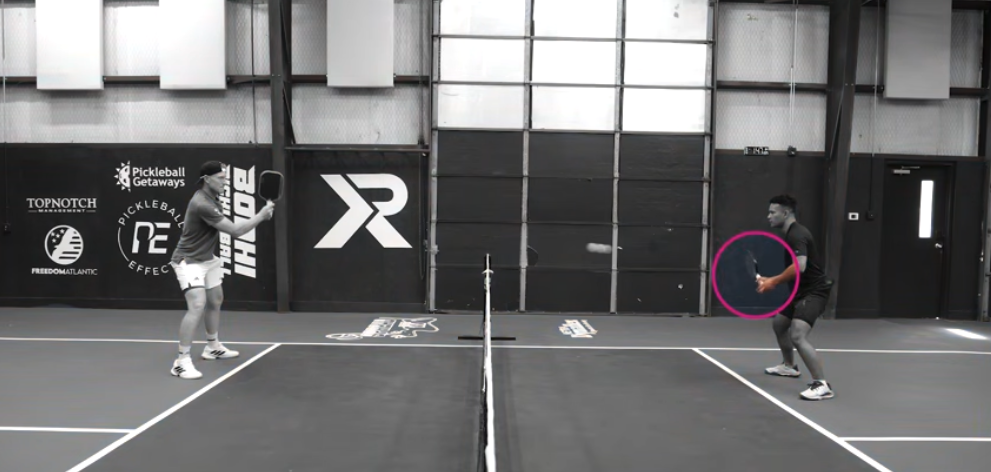
Pickleball naturally incorporates high-intensity interval training (HIIT) principles. Players experience bursts of intense activity during rallies followed by brief recovery periods between points. This pattern has been proven to improve metabolic health, increase aerobic capacity, and enhance fat burning more effectively than steady-state activities.
Cognitive Benefits
The strategic elements of pickleball provide mental stimulation that walking cannot offer. Players must make split-second decisions, track the ball's movement, and anticipate opponents' shots. This cognitive engagement contributes to improved reaction time and mental sharpness.
Time Efficiency Matters
In our time-pressed society, efficiency becomes crucial for maintaining consistent exercise habits. One hour of pickleball can deliver cardiovascular, strength, flexibility, and coordination benefits that might require multiple separate workout sessions to achieve.
The social aspect of pickleball also contributes to exercise adherence. Players often find themselves more motivated to maintain regular playing schedules compared to solitary walking routines.
Finding the Right Balance
While pickleball offers compelling advantages, the ideal fitness approach likely combines both structured activities and daily movement. Steps still matter for overall activity levels and can complement more intensive exercise sessions.
Health experts suggest viewing daily steps as a baseline for general movement while incorporating activities like pickleball for targeted fitness improvements. This hybrid approach maximizes both convenience and effectiveness.
Making the Switch
For those considering prioritizing pickleball over step counting, the transition can be gradual. Start with one or two pickleball sessions per week while maintaining regular daily movement. As fitness levels improve and enjoyment increases, players often naturally gravitate toward more court time.
The key lies in finding sustainable activities that provide comprehensive health benefits while remaining enjoyable enough to maintain long-term.
Frequently Asked Questions
Can pickleball completely replace my daily walking routine?
While pickleball offers superior fitness benefits, maintaining some daily walking or general movement remains valuable for overall health. The ideal approach combines regular pickleball sessions with baseline daily activity rather than completely eliminating one for the other.
How many calories does one hour of pickleball burn compared to 10,000 steps?
One hour of pickleball typically burns 300-500 calories depending on intensity and body weight, while 10,000 steps burn approximately 300-400 calories. However, pickleball's additional benefits in muscle building, coordination, and metabolic improvement make it more efficient overall.
Is pickleball suitable for beginners who currently only walk for exercise?
Absolutely. Pickleball's lower impact nature and scalable intensity make it accessible for most fitness levels. Beginners can start with recreational play and gradually increase intensity as their skills and conditioning improve.