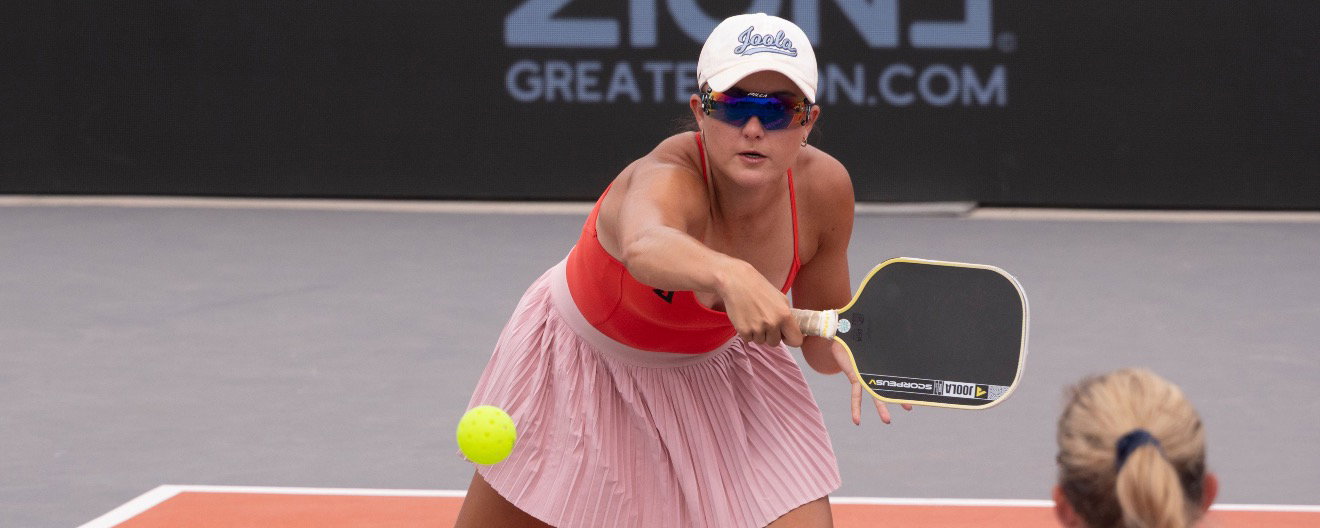
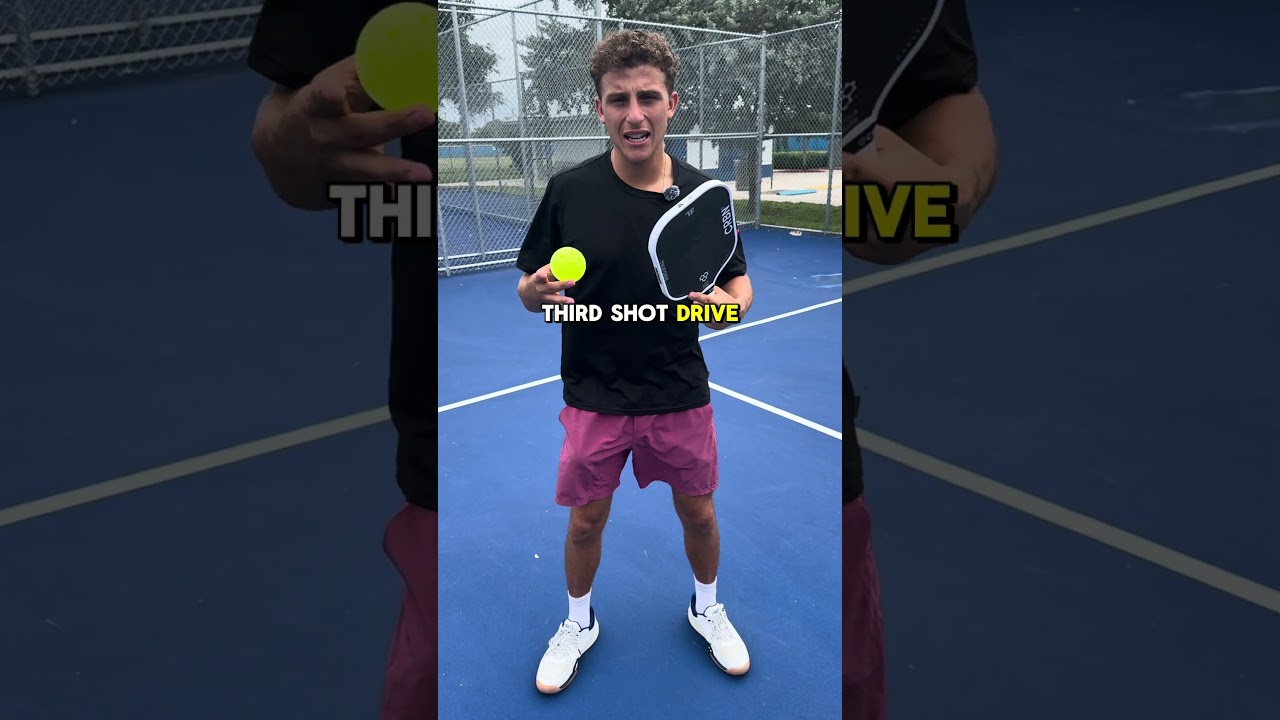
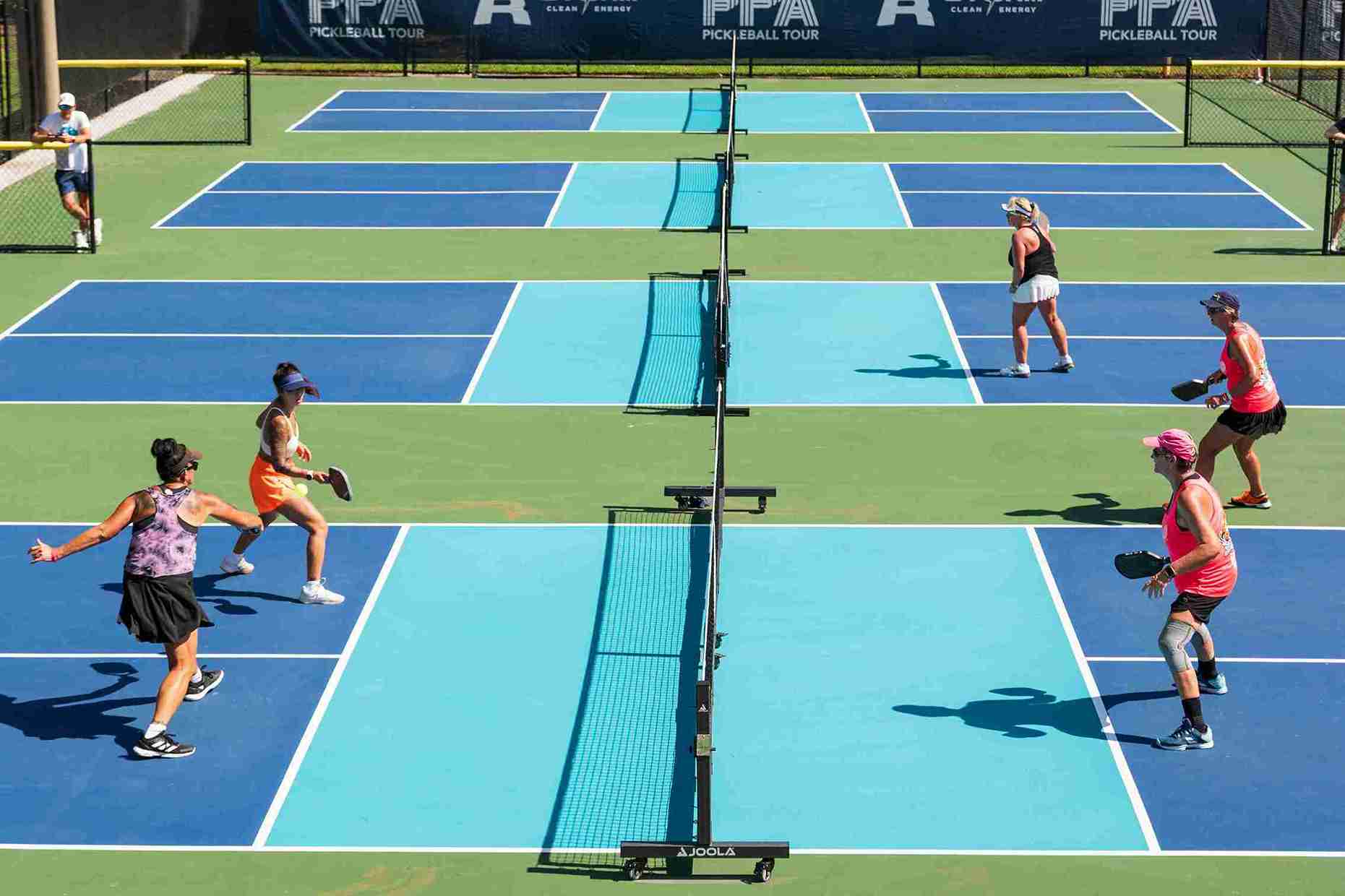
Most recreational players waste their court time hitting aimless shots without any clear objectives. PPA Tour professional John Cincola has a different approach that's transforming how players train across all skill levels.
Cincola, who coaches everyone from weekend warriors to touring professionals, emphasizes that intentional practice separates improving players from those who plateau. His systematic 60-minute framework maximizes every minute on court.
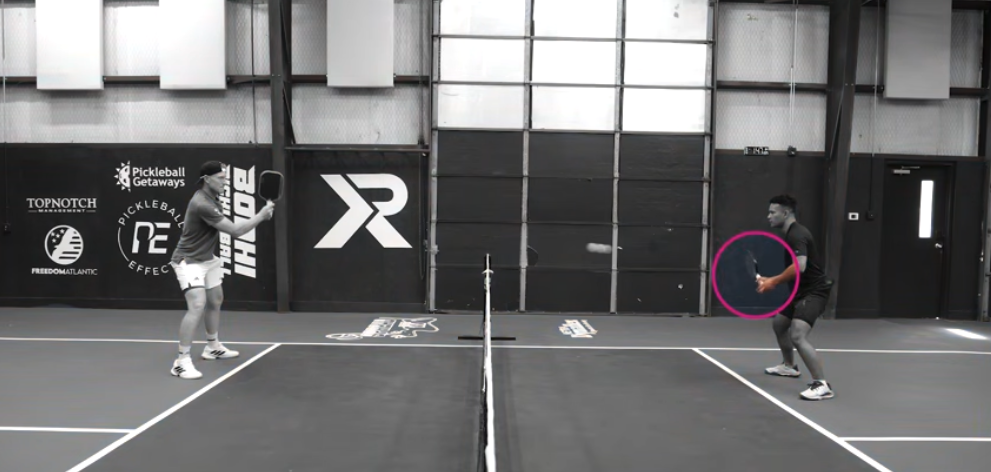
The Foundation: Why Structure Matters
"You wouldn't drive somewhere without directions," Cincola explains. "Yet players show up and randomly hit balls, wondering why they're not improving." His methodology focuses on deliberate skill building rather than casual rallying.
The key principle underlying Cincola's system is progressive difficulty. Each segment builds upon the previous one, creating a logical flow that enhances muscle memory and decision-making under increasing pressure.
Minutes 1-10: Dynamic Warm-Up Protocol
Cincola's practice begins with purposeful movement patterns that activate the kinetic chain used in pickleball. This isn't casual hitting – it's targeted preparation that reduces injury risk while priming neural pathways.
Essential Warm-Up Elements:
- Cross-court dinking with focus on consistency
- Controlled groundstroke exchanges
- Gentle volleys at the kitchen line
- Basic serve and return mechanics
Minutes 11-25: Technical Skill Development
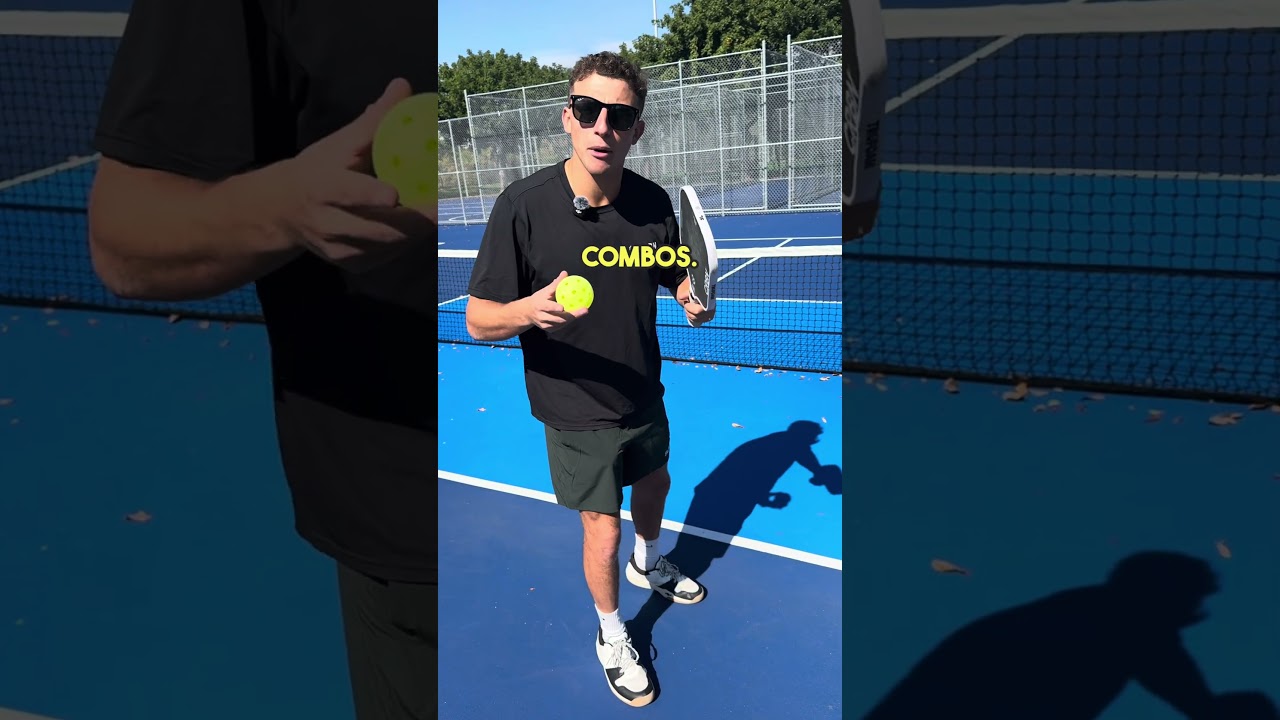
This segment targets specific stroke mechanics through repetitive drilling. Cincola emphasizes quality over quantity, ensuring each repetition reinforces proper technique rather than ingraining bad habits.
Players work on isolated skills like third shot drops, transition volleys, and overhead smashes. The controlled environment allows for immediate feedback and adjustment, accelerating the learning process.
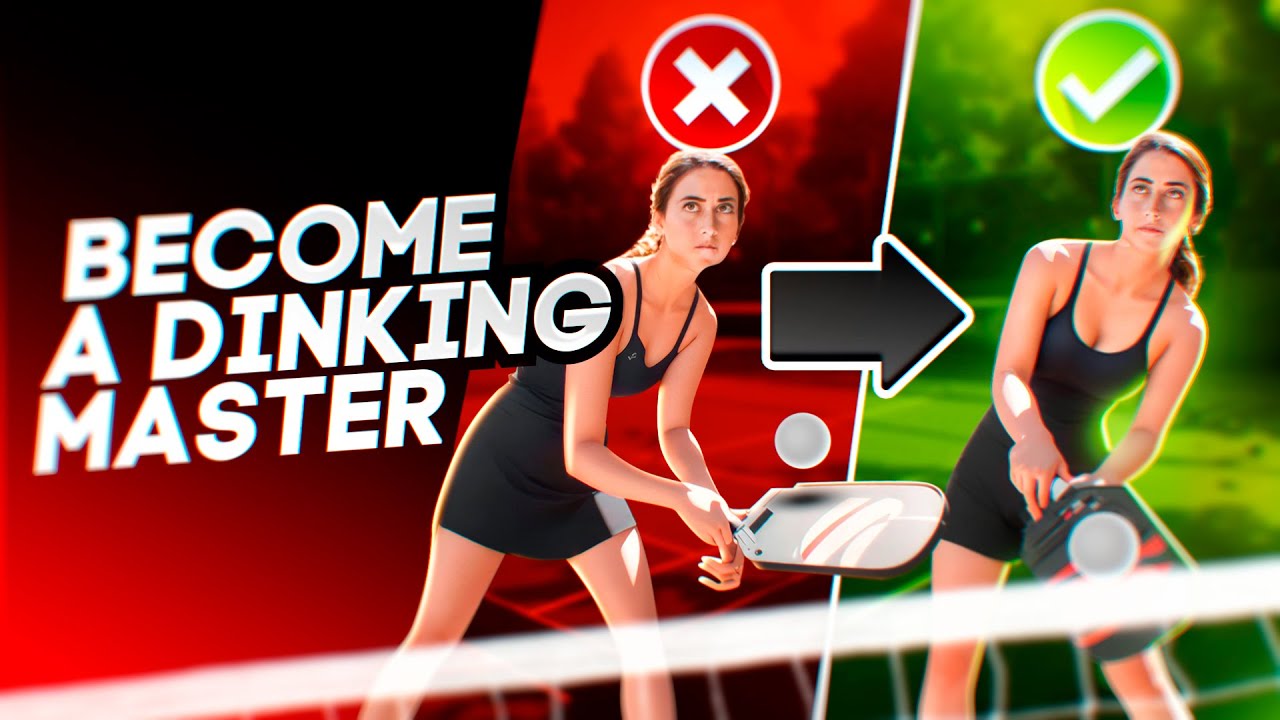
Key Focus Areas:
- Third shot consistency and placement
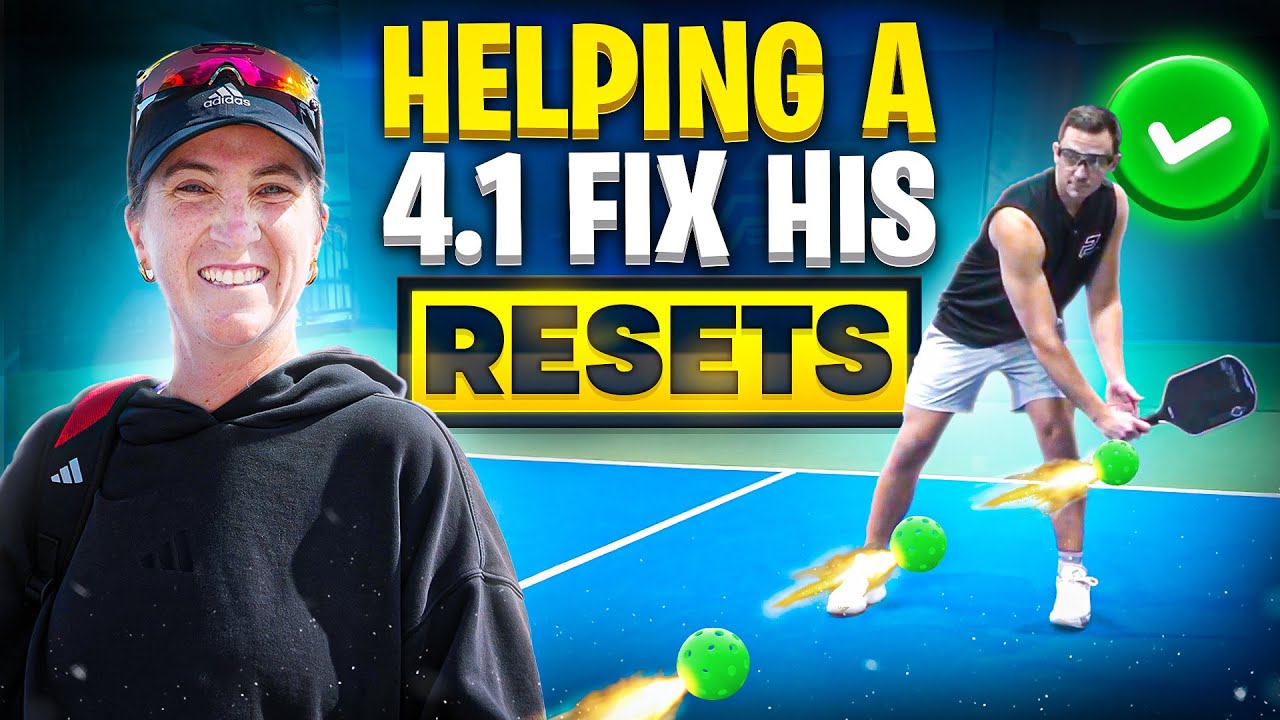
- Kitchen line exchanges and resets
- Transition zone footwork and shots
- Serve placement and spin variation
Minutes 26-40: Situational Pattern Play
Real improvement happens when technical skills transfer to game situations. Cincola structures this phase around common point patterns that occur repeatedly in matches.
Players practice specific scenarios like defending against aggressive attacks, capitalizing on short balls, and executing strategic shot sequences. This bridges the gap between drill proficiency and match performance.
Minutes 41-55: Competitive Point Play
The practice culminates with structured games that apply all previously practiced elements under competitive pressure. Cincola often implements scoring systems that reward specific shots or strategies emphasized during the session.
This phase tests decision-making, shot selection, and execution while maintaining the session's educational focus. Players experience realistic pressure while reinforcing newly developed skills.
Minutes 56-60: Cool-Down and Analysis
Cincola concludes each session with reflection and planning. Players identify successful elements and areas needing continued work, creating accountability for future practice sessions.
This brief analysis phase helps players internalize lessons learned and sets clear objectives for subsequent training. It transforms practice from isolated events into components of a comprehensive improvement journey.
Adapting the Framework
While the basic structure remains consistent, Cincola adjusts content based on player level and specific needs. Beginners might spend more time on fundamental mechanics, while advanced players focus on tactical refinements and pressure situations.
The beauty of this system lies in its scalability. Whether training solo, with a partner, or in groups, the principles remain effective for maximizing practice efficiency.
Implementation Tips for Success
Consistency trumps perfection when implementing this practice structure. Players should focus on maintaining the framework's integrity rather than achieving flawless execution of every drill.
Tracking progress through practice journals or video analysis helps players recognize improvement patterns and adjust focus areas as skills develop.
FAQ
How often should I follow this 60-minute practice plan?
Cincola recommends 2-3 structured sessions per week for optimal improvement, allowing recovery time between intensive practice sessions while maintaining skill development momentum.
Can beginners use this same practice structure?
Absolutely. The framework adapts to all levels by adjusting drill complexity and expectations. Beginners benefit greatly from the structured approach as it builds proper habits from the start.
What if I don't have a full 60 minutes available?
The plan can be condensed proportionally. A 30-minute session might include 5 minutes warm-up, 15 minutes technical work, and 10 minutes point play, maintaining the progressive structure.