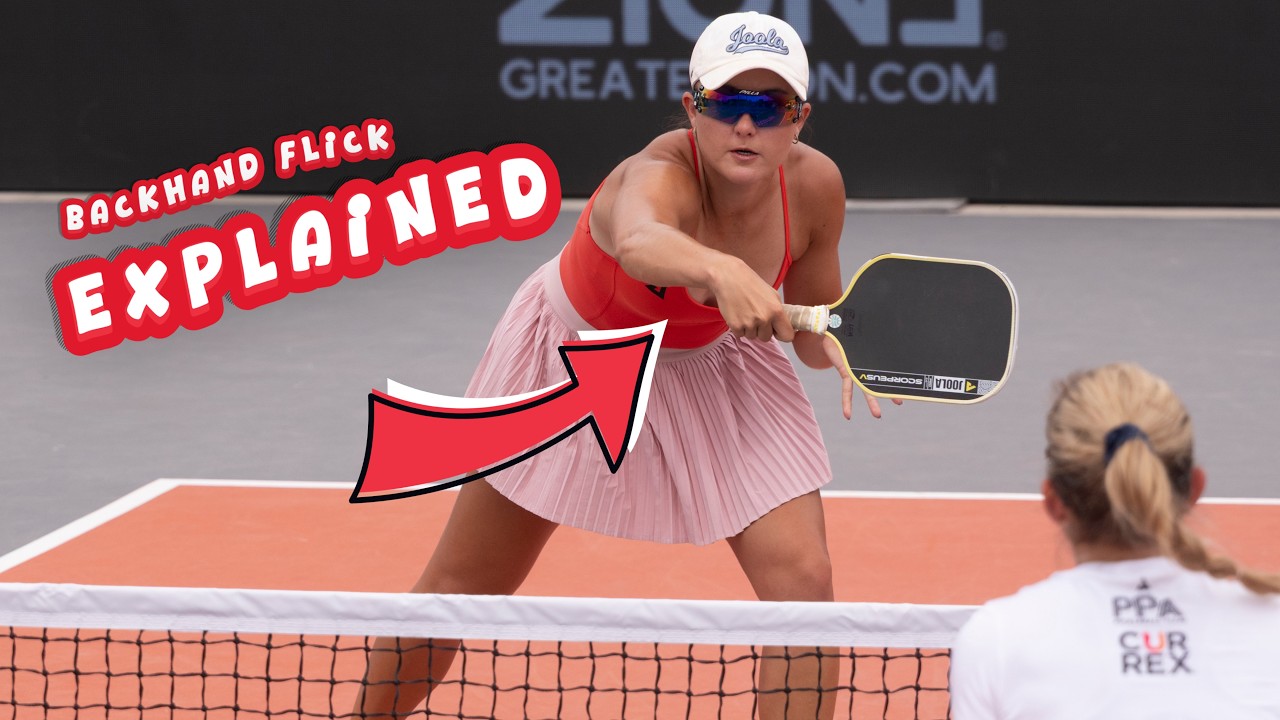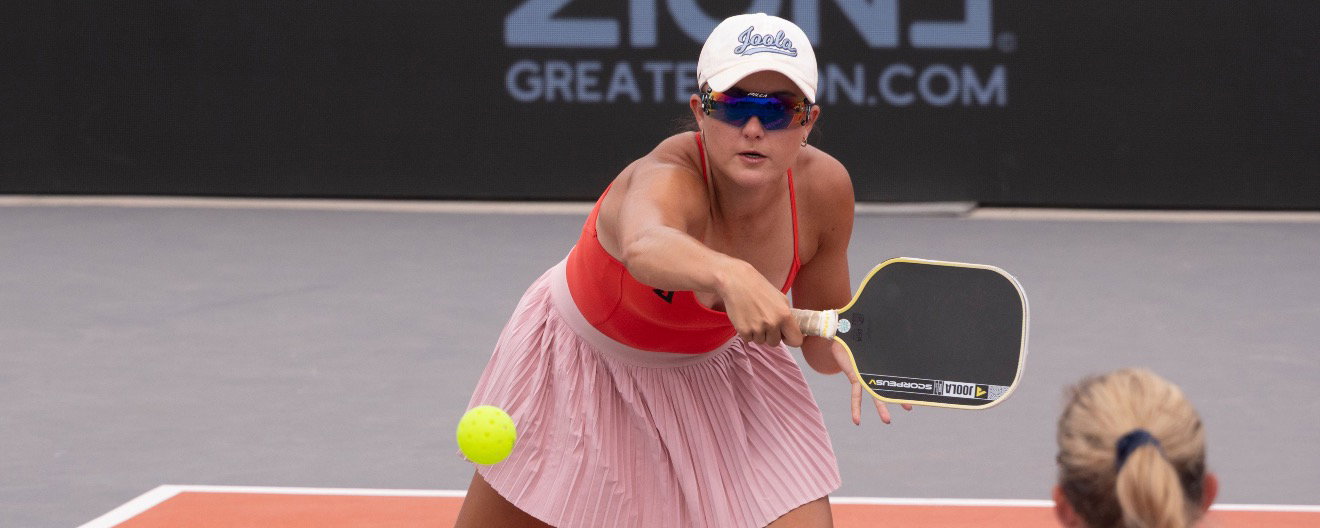
Professional pickleball player Anna Bright has released an in-depth tutorial breaking down one of the sport's most challenging and rewarding shots: the backhand flick. This comprehensive guide comes straight from a player who transformed her technique from struggling with one-handed shots to mastering what she considers one of her strongest weapons.
The Journey from Two-Handed to One-Handed Mastery
Bright's transformation story is particularly inspiring for recreational players. She openly admits that the backhand flick didn't come naturally to her game. Starting as exclusively a two-handed player with poor slicing technique, she developed what many consider one of the most effective one-handed aerial attacks in women's professional pickleball.
"I actually favor it now even over my pulls off the bounce. I think I've developed a really high success rate," Bright explains in her tutorial. This evolution showcases how dedicated practice and proper technique can turn a weakness into a significant strength.
Three Essential Backhand Aerial Attack Variations
According to Bright's breakdown, players need to understand three distinct types of backhand aerial attacks, each serving different tactical purposes on the court:
The Power Flick
This aggressive variation focuses on generating maximum pace and penetration through the opponent's defense. The power flick requires precise timing and body positioning to create the necessary racquet head speed while maintaining control.
The Placement Flick
Emphasizing accuracy over raw power, this technique allows players to target specific court areas and exploit gaps in their opponent's positioning. The placement flick is particularly effective for setting up winning combinations or moving opponents out of position.
The Defensive Reset Flick
When under pressure, this variation helps players regain court position and neutralize aggressive attacks from opponents. The defensive flick focuses on height and depth rather than pace, buying time to recover and reset the point.
Technical Fundamentals for Success
Bright emphasizes several key technical elements that separate successful backhand flicks from common failures:
Grip and Hand Position: Proper grip pressure and hand placement on the paddle handle directly impact shot control and power generation. Too tight creates tension, while too loose sacrifices precision.
Body Rotation: The backhand flick requires coordinated movement between the lower body, core, and shoulder rotation. This kinetic chain creates the foundation for consistent shot execution.
Contact Point Timing: Meeting the ball at the optimal height and position relative to the body determines both shot angle and effectiveness. Early or late contact significantly reduces shot quality.
Common Mistakes and Corrections
Through her teaching experience, Bright has identified recurring errors that prevent players from developing effective backhand flicks:
Many players attempt to muscle the shot rather than relying on proper technique and timing. This approach leads to inconsistent results and increased unforced errors. Instead, focus on smooth acceleration through the contact zone.
Another frequent mistake involves improper court positioning before attempting the shot. Players often try backhand flicks from disadvantageous positions, reducing their success rate significantly.
Practice Progression and Drills
Bright recommends a systematic approach to developing backhand flick proficiency. Start with stationary feeding drills to establish proper form and contact point consistency. Progress to movement-based exercises that simulate game situations.
Partner feeding drills allow players to practice different attack angles and shot selections. Focus on quality repetitions rather than quantity, ensuring each attempt reinforces proper technique.
Integrating the Shot Into Match Play
The backhand flick becomes most effective when players understand appropriate shot selection timing. Bright emphasizes recognizing high-percentage opportunities versus forcing low-percentage attempts that lead to errors.
Successful integration requires patience and confidence built through consistent practice. Players should gradually incorporate the technique into competitive situations as their skill level improves.
FAQ
How long does it typically take to develop a reliable backhand flick?
Development time varies significantly based on practice frequency and quality. Most dedicated players see noticeable improvement within 4-6 weeks of focused training, but achieving match-ready consistency often requires several months of regular practice.
Should beginners focus on backhand flicks or prioritize other shots first?
Beginners should establish solid groundstroke fundamentals before attempting advanced aerial attacks. However, introducing basic backhand flick concepts early helps players develop proper habits and technique foundations for future advancement.
What's the most important factor for backhand flick success?
According to Bright's tutorial, consistent contact point timing combined with proper body rotation creates the foundation for effective backhand flicks. These technical elements are more crucial than attempting to generate excessive power.