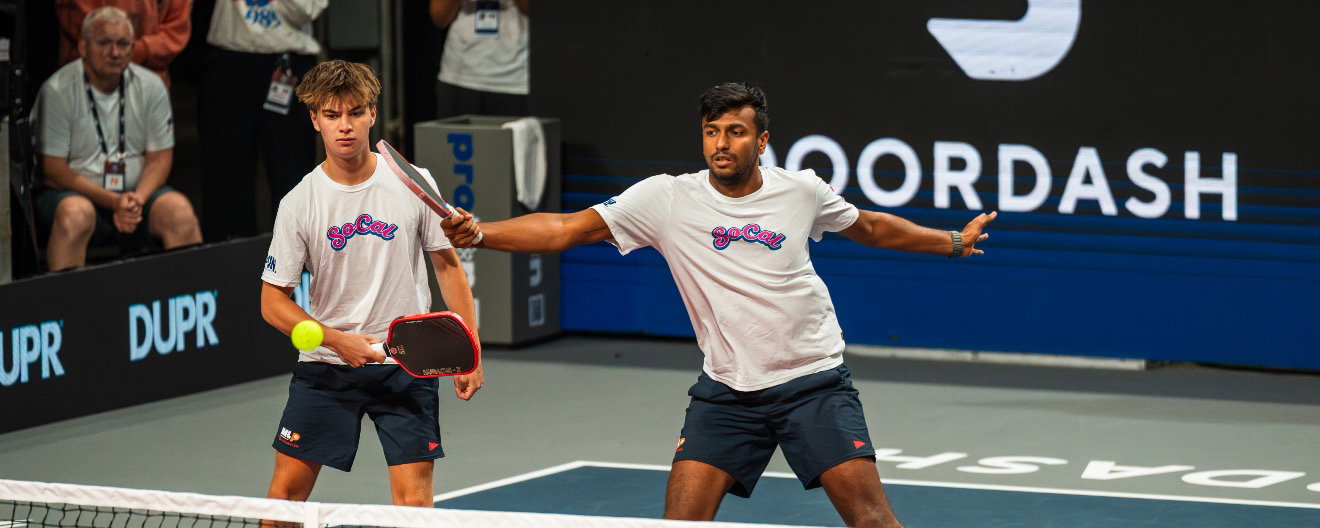
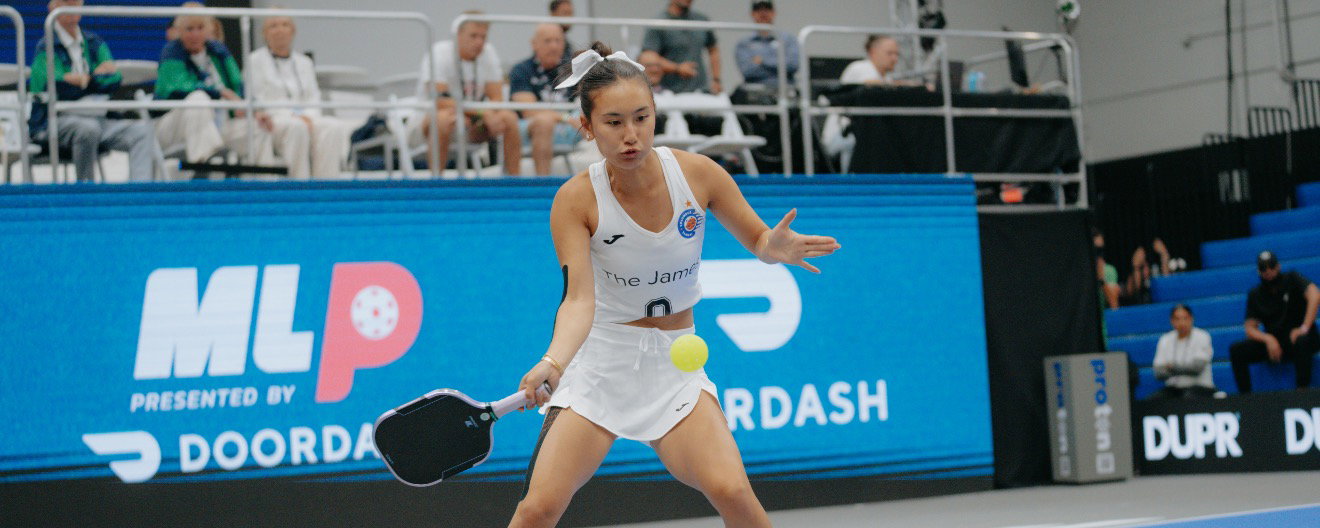
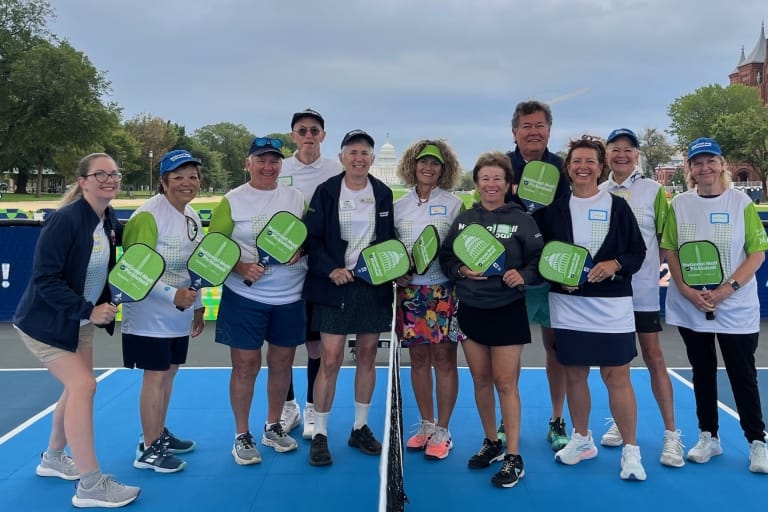
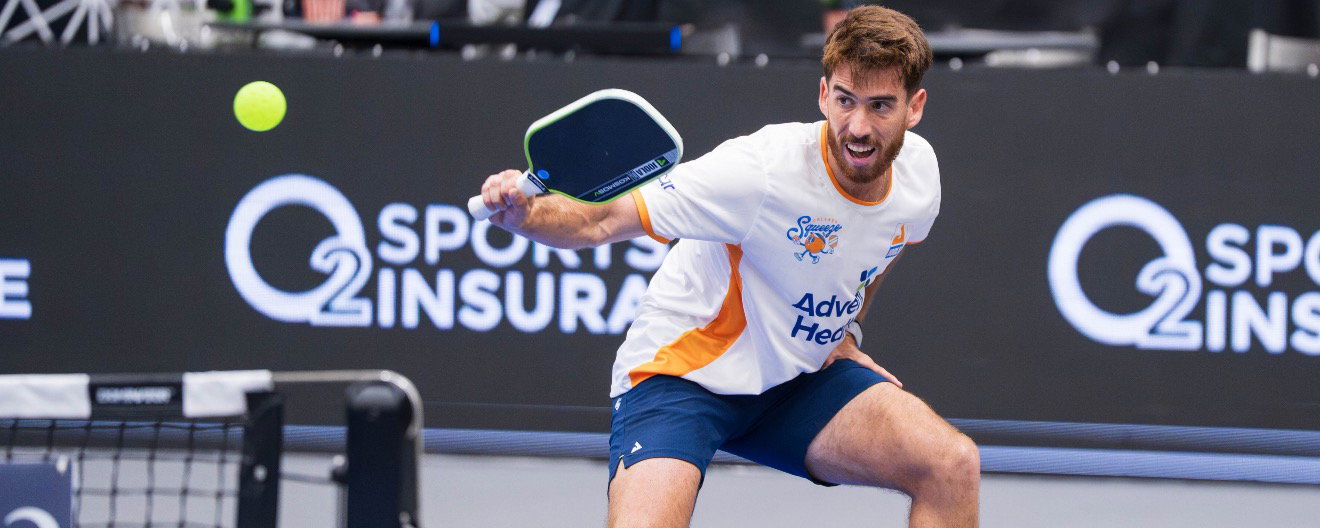
Advanced pickleball players face a growing dilemma that's reshaping how they approach the game. A recent discussion in the pickleball community highlights what many 4.0+ players already know: traditional open play sessions are becoming counterproductive for skill development and genuine enjoyment.
The 4.0 Skill Gap Problem
The issue isn't about elitism—it's about physics and game dynamics. When players of vastly different skill levels share the court, the entire rhythm and strategy of pickleball changes. Advanced players find themselves constantly adjusting their game downward, while intermediate players struggle to keep pace with shots and strategies beyond their current ability.
This creates a frustrating scenario where nobody gets the practice they need. The 4.0+ players can't work on advanced techniques, and the intermediate players get overwhelmed trying to handle pace and placement they're not ready for.
When "Advanced" Doesn't Mean Advanced
Facilities often struggle with session labeling. The moment "advanced" appears on a schedule, players at various skill levels interpret it differently. A 3.5 player might see it as an opportunity to accelerate improvement, while a legitimate 4.5 player expects competitive, high-level play.
This misalignment creates sessions where the skill range spans 1.5+ rating points—essentially mixing recreational players with tournament-level competitors.
The Diminishing Returns of Skill-Building Exercises
Many advanced players try to salvage mixed-skill sessions through artificial constraints:
- Forcing extended dinking rallies before attacking
- Practicing specific shots like cross-court dinks or lobs
- Limiting power and focusing on placement
While these exercises have merit, they become counterproductive when used as constant workarounds for skill mismatches. Players need authentic game situations to develop properly, not artificial scenarios that don't translate to competitive play.
The Mental Game Suffers Too
Beyond technical development, the mental aspects of pickleball—reading opponents, tactical decision-making, and pressure management—can't be practiced effectively when the game flow is constantly disrupted by skill disparities.
Advanced players report feeling guilty about playing their natural game, while intermediate players experience frustration that impedes their learning process.
Solutions That Actually Work
Forward-thinking facilities and player groups are implementing more sophisticated approaches to session management:
Verified Skill-Based Sessions
Rather than relying on self-assessment, some venues require recent tournament results, certified ratings, or coach evaluations to participate in higher-level sessions. This creates more consistent playing environments.
Structured Progression Systems
Instead of arbitrary "beginner," "intermediate," and "advanced" labels, effective programs use specific rating ranges (3.0-3.5, 3.5-4.0, 4.0-4.5) with clear criteria for each level.
Mentorship-Style Sessions
Some groups explicitly organize sessions where advanced players commit to coaching roles, creating a structured learning environment rather than pretending everyone is at the same competitive level.
The Path Forward
The pickleball community needs to acknowledge that one-size-fits-all open play doesn't serve players at any level effectively. As the sport matures, so must our approach to organizing competitive opportunities.
This doesn't mean excluding players or creating elitist environments. Instead, it means creating multiple pathways for players to enjoy and improve at the game within appropriate peer groups.
Advanced players shouldn't feel guilty about seeking challenging, competitive play. Intermediate players deserve environments where they can develop skills progressively rather than being thrown into situations that overwhelm them.
Frequently Asked Questions
How can I find consistently competitive 4.0+ play?
Look for tournament training groups, league play with verified ratings, or private groups organized through apps like PicklePlay. Consider traveling to facilities known for higher-level play if local options are limited.
Should intermediate players avoid playing up entirely?
Not necessarily. Playing up one level occasionally can accelerate improvement, but it should be structured and consensual. Mixed-skill practice sessions work best when everyone understands the purpose and commits to making it educational rather than competitive.
What's the solution for facilities with limited court space?
Implement time-based rotations with stricter skill requirements, use waiting lists that prioritize appropriate skill levels for each session, or partner with local clubs to organize off-site advanced play opportunities.