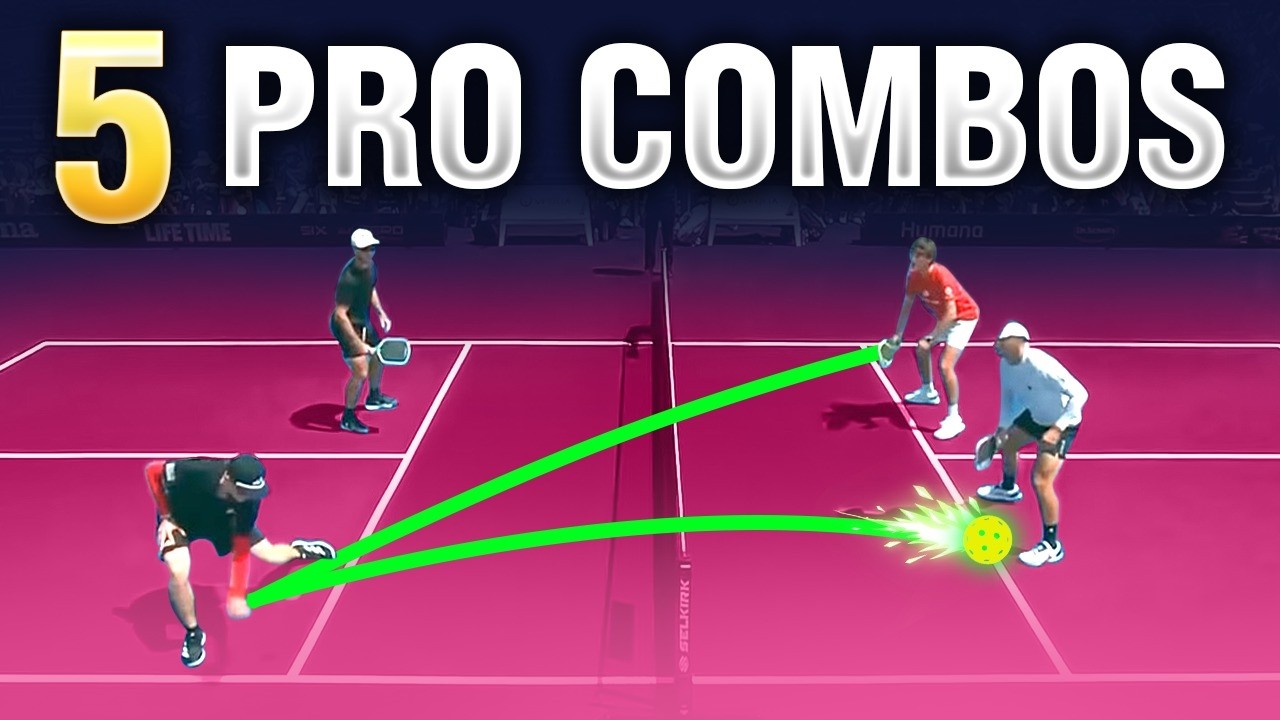
Ever wonder why some pickleball players consistently beat opponents who seem more athletic or powerful? The secret isn't in crushing harder shots—it's in executing proven strategies that elite players have mastered.
Coach Austin Hardy, a PPR-certified instructor with over a decade of racket sports experience, has identified 10 core strategies that separate recreational players from those who compete at higher levels. These tactics emphasize intelligent play over brute force.
The Foundation: Smart Serving Sets the Tone
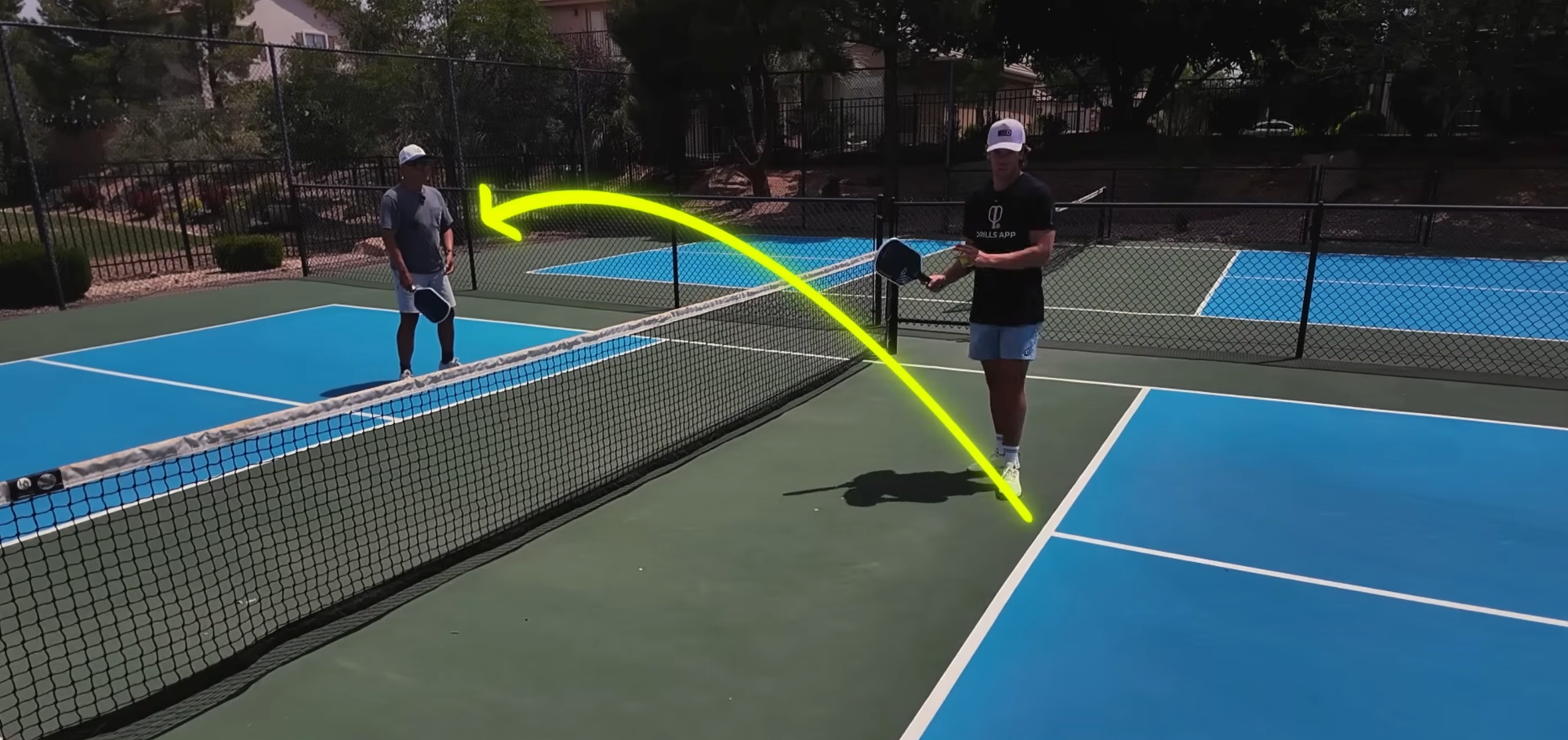
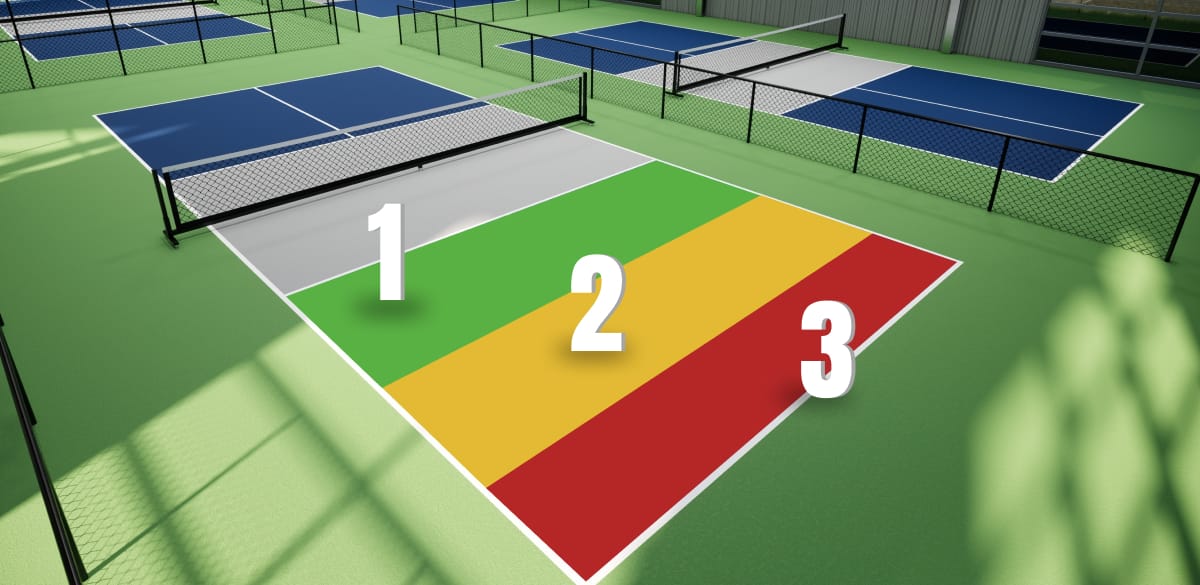
Elite players understand that every point begins with the serve, and depth is everything. Instead of trying to ace opponents, focus on consistent deep serves that push your opponent behind the baseline. This creates immediate court position advantage and forces weaker return shots.
The key is targeting the back third of the service box consistently. This simple adjustment puts pressure on your opponent from the very first shot and sets up easier third shot opportunities.
Master the Mental Game Through Dinking
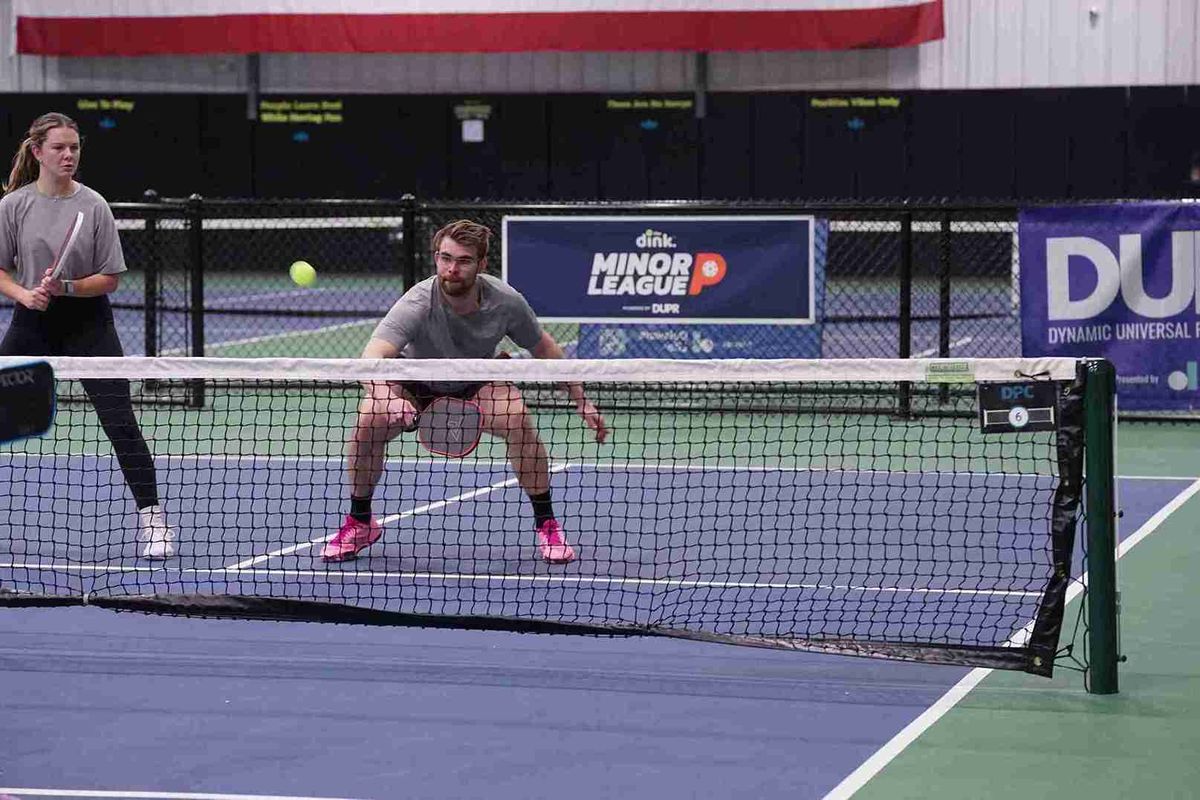
Dinking isn't just about keeping the ball low—it's psychological warfare. Patient, consistent dinking forces opponents into making mistakes, especially those who rely on power shots. Elite players use dinking to:
- Control the pace and rhythm of points
- Force opponents out of their comfort zone
- Create opportunities for winning shots
- Maintain energy for crucial moments
The strategy isn't to dink forever, but to dink with purpose until the right opportunity presents itself.
Court Positioning: Where Champions Separate Themselves
Smart court positioning might be the most underrated skill in pickleball. While recreational players chase every ball, elite players position themselves to make shots easier and limit their opponent's options.
Key Positioning Principles
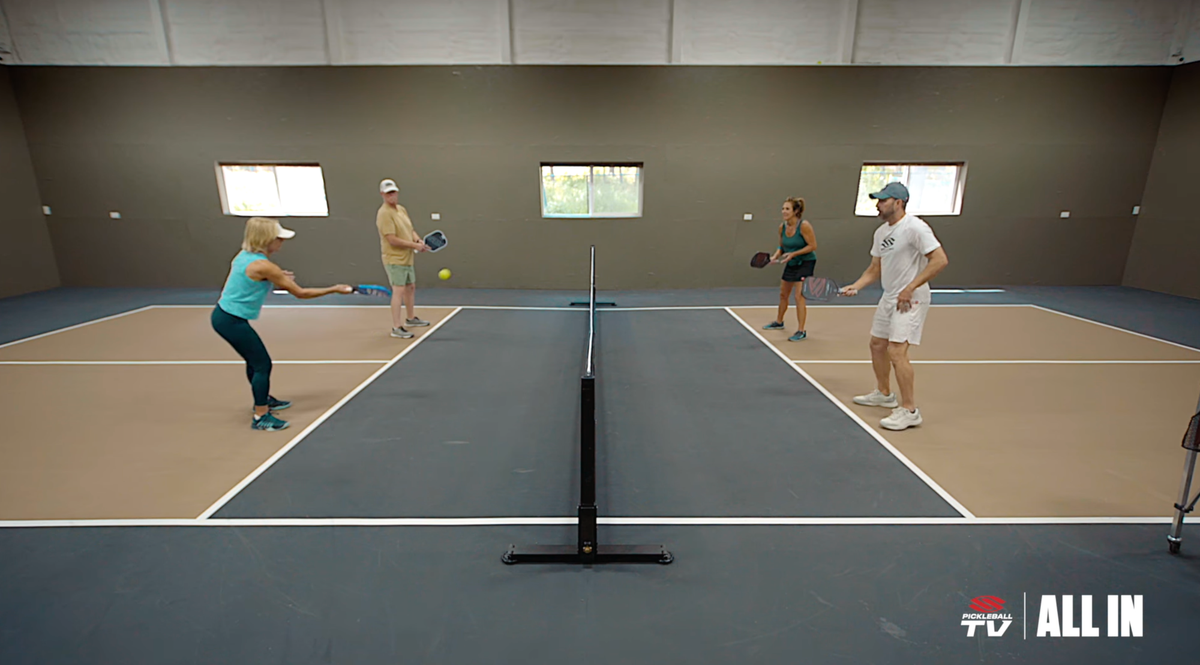
Always maintain proper kitchen line distance—not too close to get lobbed, not too far back to miss short balls. When your partner moves, you move. This synchronized movement creates a wall that's difficult to penetrate.
Additionally, understanding when to split the court versus when to shift based on ball position can turn defensive situations into offensive opportunities.
The Power of Percentage Shots
Elite players rarely attempt low-percentage shots when high-percentage options exist. This means choosing consistency over spectacular winners in most situations. The goal is forcing your opponent to hit one more ball than they're comfortable with.
This strategy works because it puts pressure on opponents to create something from nothing, leading to unforced errors that win points without taking risks.
Advanced Tactical Applications
The remaining strategies focus on reading opponents, varying shot selection, and maintaining composure under pressure. Elite players excel at recognizing patterns in their opponent's play and adjusting their tactics accordingly.
They also understand when to speed up the game and when to slow it down, using tempo changes as another weapon in their strategic arsenal.
Implementation: Making These Strategies Stick
Knowledge without application doesn't improve your game. Start by implementing one or two strategies per practice session rather than trying to master everything at once. Focus on serve depth and court positioning first, as these provide the biggest immediate impact.
Remember, these strategies work because they're based on fundamentals executed with intention. Elite players don't necessarily have better shots—they make better decisions about when and where to use them.
Frequently Asked Questions
How long does it take to see results from implementing these strategies?
Most players notice improvements within 2-3 weeks of consistent practice. Serve depth and positioning changes often show immediate results, while dinking consistency and tactical awareness develop over several months of focused application.
Should I focus on all 10 strategies at once?
No, that's overwhelming and counterproductive. Start with 2-3 strategies that address your biggest weaknesses. Master those before adding new elements to your game. Quality execution of fewer strategies beats poor execution of many.
Do these strategies work at all skill levels?
Absolutely. These principles scale from recreational to professional play. The execution becomes more refined at higher levels, but the strategic foundations remain the same across all competitive pickleball.