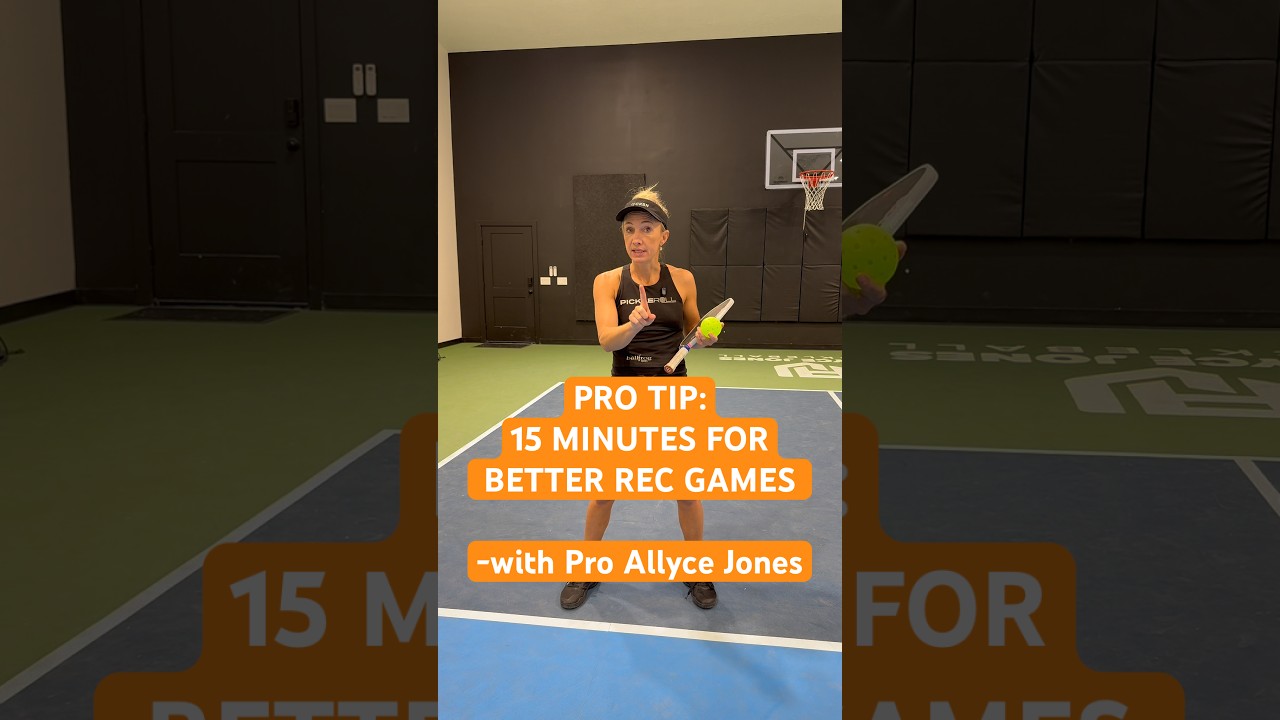
Most pickleball players arrive at the court, grab their paddle, and jump straight into games. But PPA Pro Allyce Jones reveals why this approach might be costing you points before you even start playing.
The secret isn't in playing longer or harder—it's in those crucial 15 minutes before your first game begins.
Why Your Current Warm-Up Isn't Working
Traditional pickleball warm-ups typically involve casual hitting back and forth across the net. While this gets your body moving, it doesn't prepare your mind for competitive play or sharpen the specific skills you'll need during intense rallies.
Research shows that focused, skill-based preparation activates the neural pathways essential for peak performance. When you practice with intention, your muscle memory engages more effectively during actual gameplay.
The 15-Minute Strategic Warm-Up Framework
Instead of random hitting, structure your pre-game routine around one primary skill that directly impacts your performance. This targeted approach builds confidence and creates momentum that carries into your matches.
Minutes 1-5: Dynamic Movement Preparation
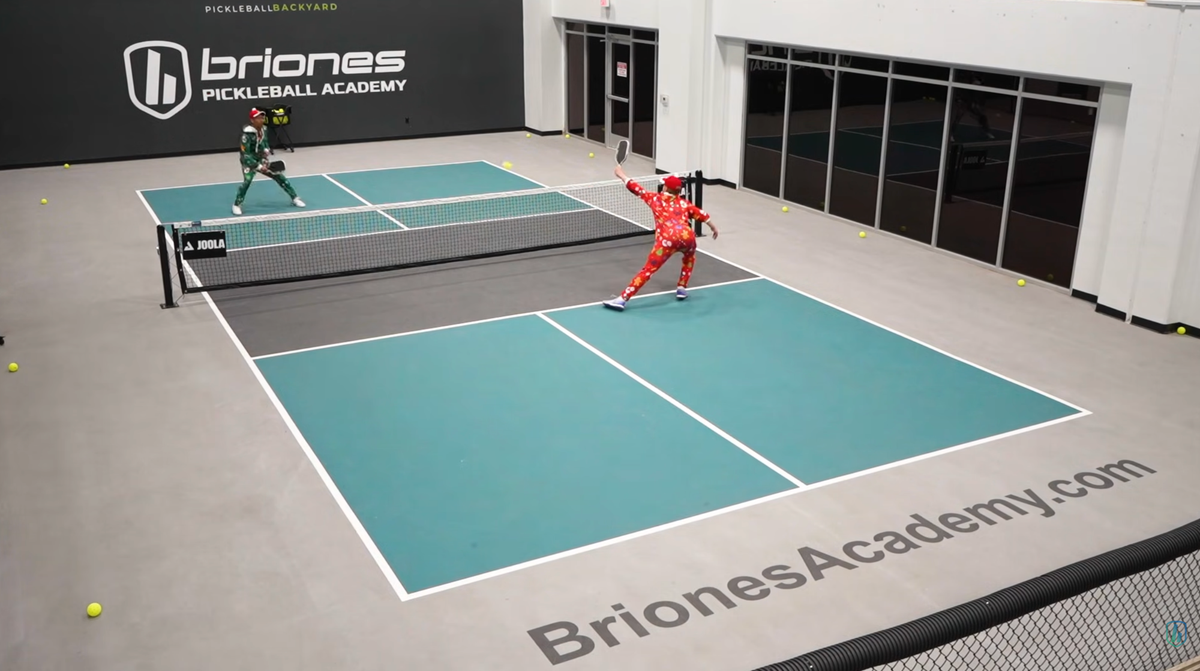
Begin with purposeful movement drills that mirror actual game situations. Focus on split-step timing, lateral shuffles, and forward-backward transitions. This phase activates your core stability and prepares your body for quick directional changes.
Minutes 6-10: Skill-Specific Drilling
Choose one fundamental skill based on your current development needs:
- Third shot drops: Practice consistent placement and arc control
- Dink placement: Work on cross-court angles and net clearance
- Return positioning: Focus on depth and court positioning
- Volley technique: Emphasize paddle face control and reaction time
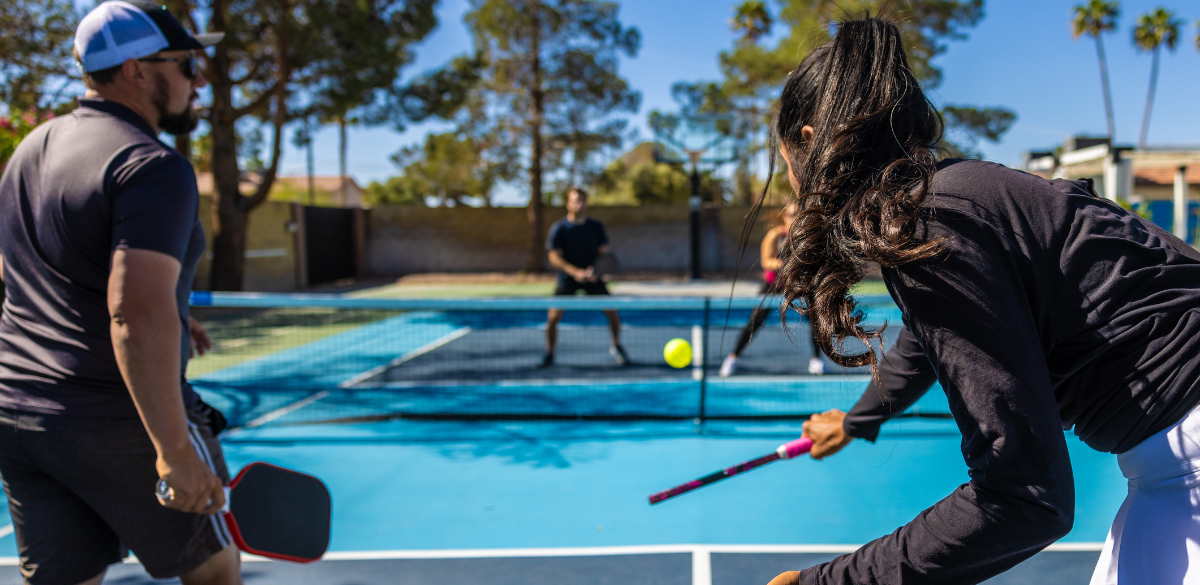
Minutes 11-15: Game Simulation
Finish with scenario-based practice that replicates real match pressure. This might include rapid-fire dinking exchanges, transition shot sequences, or defensive-to-offensive point construction.
Measuring the Impact
Players who implement structured warm-ups report significant improvements in several key areas:
- Reduced unforced errors in the first two games
- Increased confidence during crucial points
- Better shot selection under pressure
- Improved consistency throughout longer play sessions
Adapting Your Routine
Your 15-minute routine should evolve based on your skill level and current challenges. Beginners might focus on basic ball control and court positioning, while advanced players could work on specific tactical situations or shot combinations.
Track which warm-up focuses correlate with your best performance days. This data helps you identify the most effective pre-game preparation for your playing style.
Making It Sustainable
The key to long-term success is consistency rather than perfection. Even when court time is limited, a condensed 10-minute version of focused drilling provides more benefit than jumping directly into competitive play.
Consider partnering with someone who shares your commitment to intentional preparation. Having a dedicated warm-up partner ensures accountability and creates more effective drilling opportunities.
Frequently Asked Questions
What if I only have 10 minutes before my scheduled court time?
Prioritize the skill-specific drilling phase (minutes 6-10 from the framework). Spend 3-4 minutes on dynamic movement, then focus entirely on one fundamental skill that impacts your game most significantly.
Should I change my warm-up focus for different opponents?
While it's tempting to adjust based on your opponent's style, consistency in your preparation routine provides better results. Focus on strengthening your fundamentals rather than reactive strategies during warm-up time.
How do I know which skill to prioritize during warm-up?
Analyze your recent games and identify the most common source of lost points. Whether it's third shot drops, dinking consistency, or return placement, address your biggest weakness first during your focused drilling time.