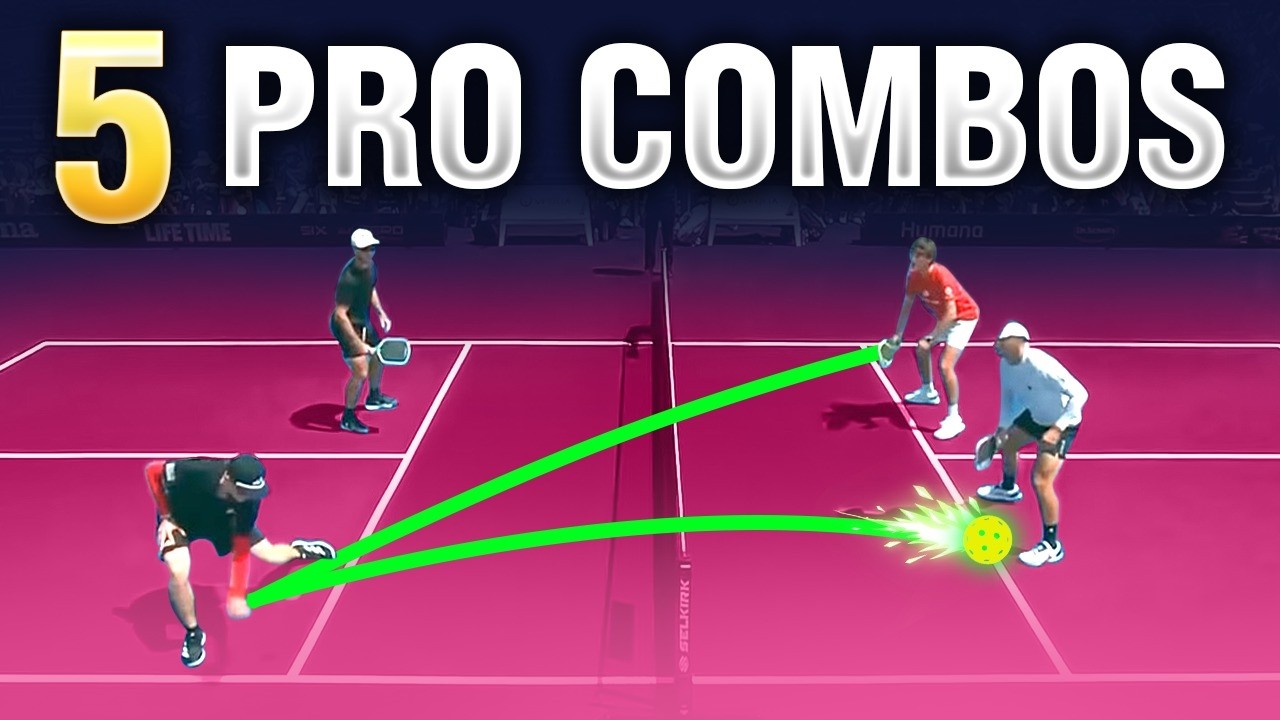
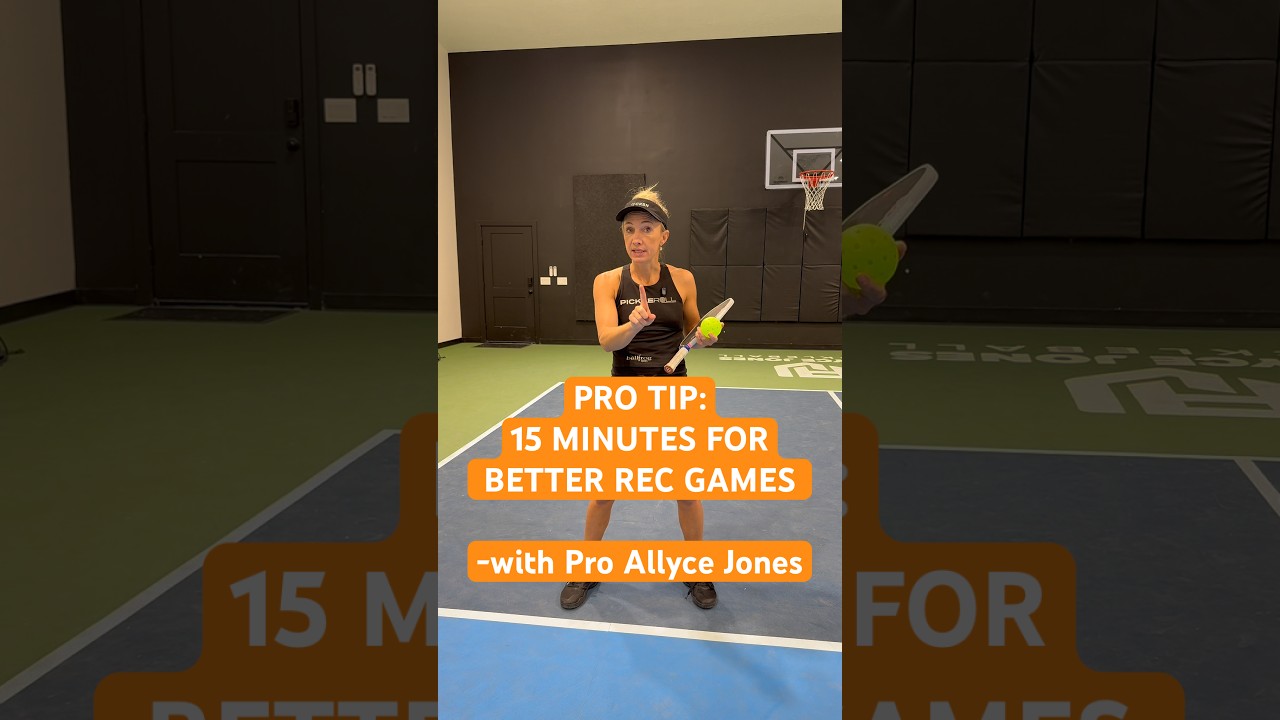
The midcourt transition zone in pickleball strikes fear into players at every level. This dreaded area between the baseline and non-volley zone, commonly called "no man's land," is where rallies go to die and points slip away.
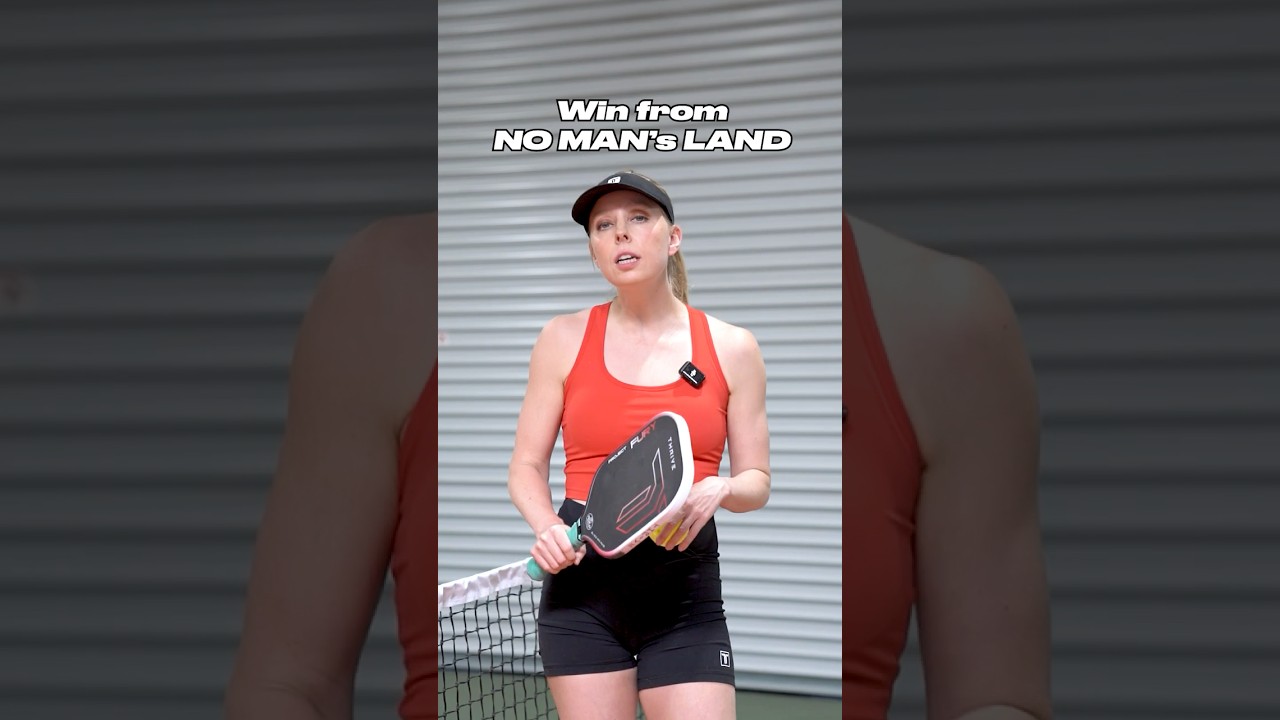
But what if we told you that surviving this danger zone isn't about power or aggression? The secret lies in patience, positioning, and smart shot selection that gets you out alive.
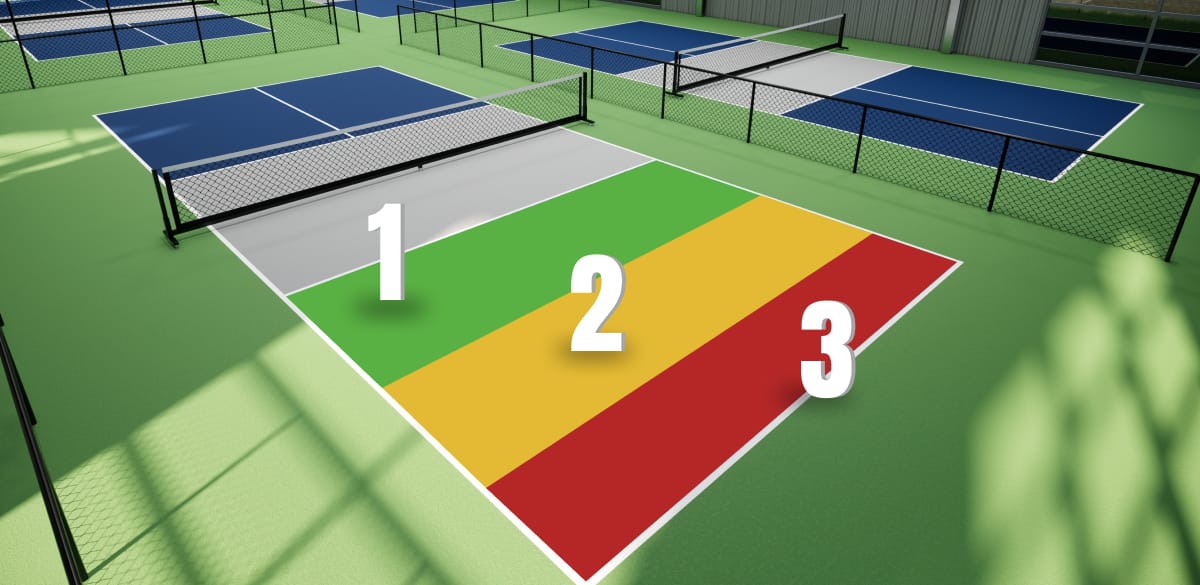
Understanding the No Man's Land Challenge
No man's land exists roughly 3-8 feet behind the kitchen line, where players often find themselves after returning serve or chasing down a drop shot. This position puts you at a severe disadvantage because:
- Opponents can attack your feet with low shots
- You're too far back to volley effectively
- Moving forward leaves you vulnerable to passing shots
- High shots from this position become easy targets
The natural instinct is to attack aggressively to end the point quickly, but this approach backfires more often than it succeeds.
The Survival Strategy: Reset and Advance
Professional instructors emphasize that escaping no man's land requires a fundamental mindset shift. Instead of trying to win the point immediately, focus on neutralizing the situation and creating opportunities to advance safely.
Master the Reset Shot
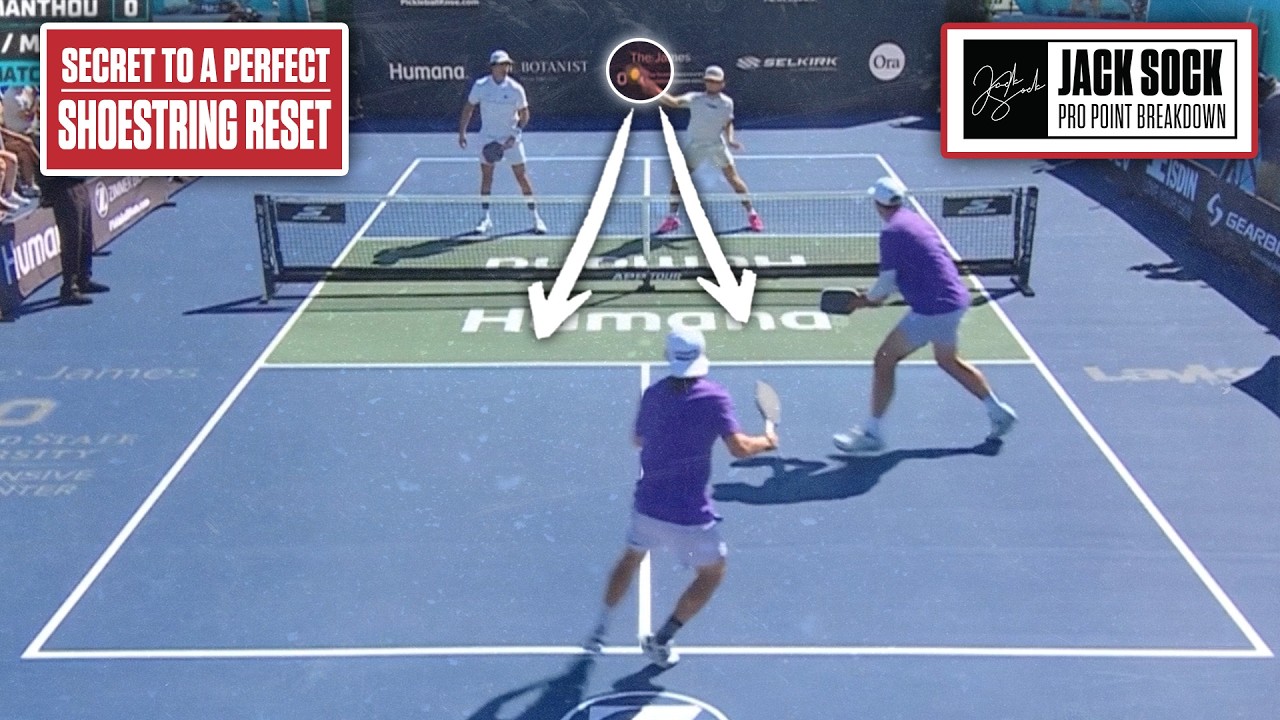
The reset shot is your lifeline in the transition zone. This soft, controlled shot aims to:
- Land in the kitchen or near the kitchen line
- Force opponents into a defensive position
- Buy time to move forward safely
- Reset the rally pace to your advantage
Execute reset shots with a continental grip, keeping your paddle face slightly open and using minimal backswing. The goal is precision over power.
Maintain Proper Body Position
Your stance and movement in no man's land can make or break your escape attempt:

- Stay low: Bend your knees and keep your center of gravity down
- Weight forward: Lean slightly toward the net to enable quick forward movement
- Split step: Time your split step as opponents make contact
- Small steps: Use quick, small steps to adjust positioning
Advanced Escape Techniques
The Crosscourt Reset
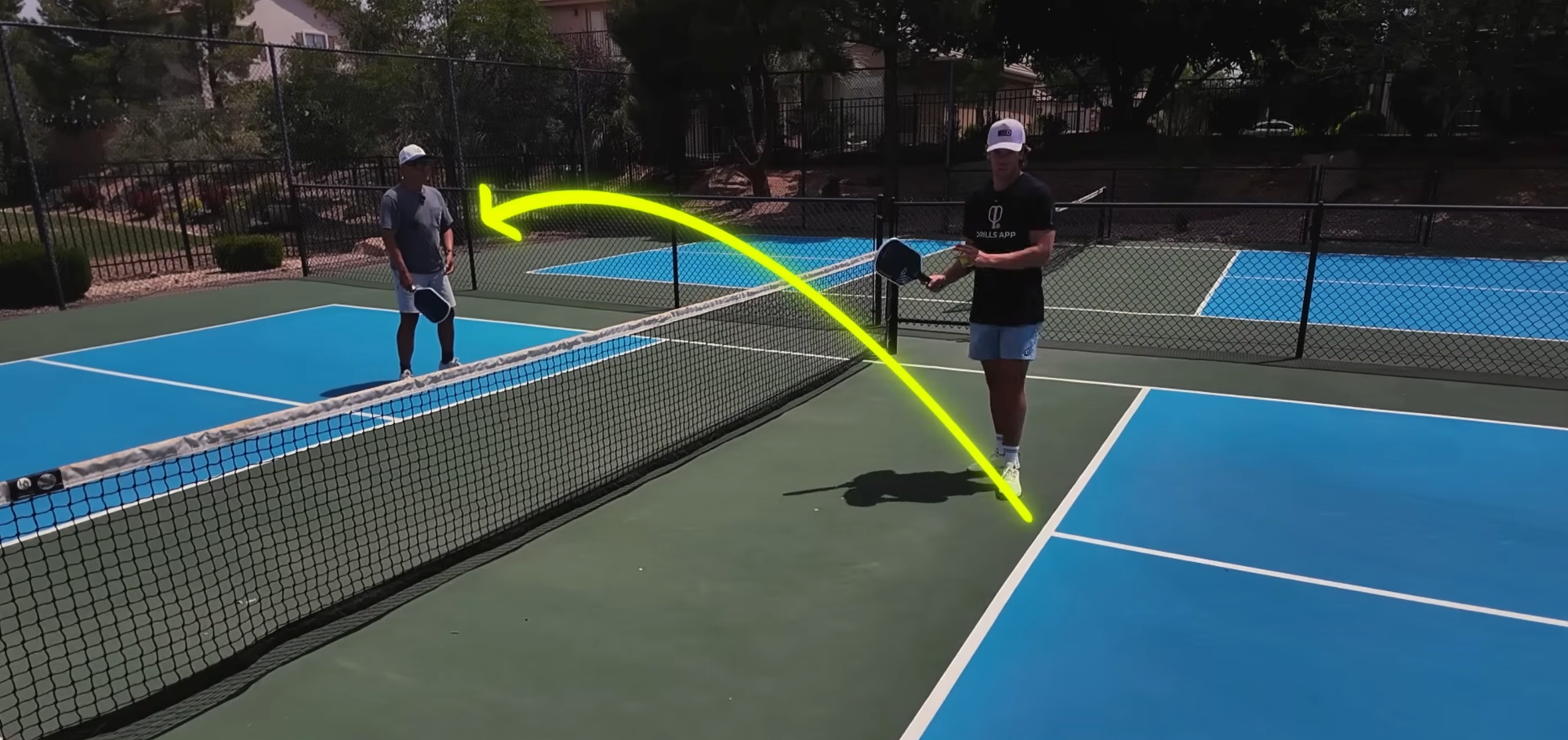
When under pressure, crosscourt resets provide more net clearance and larger target areas. This shot buys additional time while reducing the risk of hitting the net or going long.
The Block and Advance
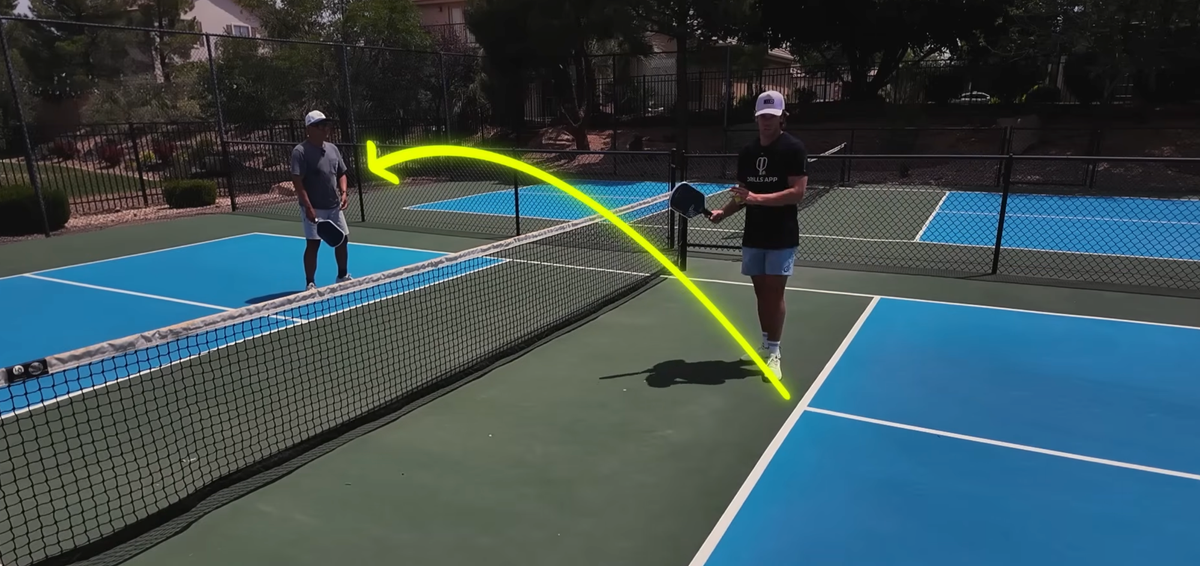
Against aggressive attackers, use your paddle as a backboard to absorb pace and redirect the ball softly into the kitchen. Immediately follow your block with forward movement toward the net.
Strategic Lobbing
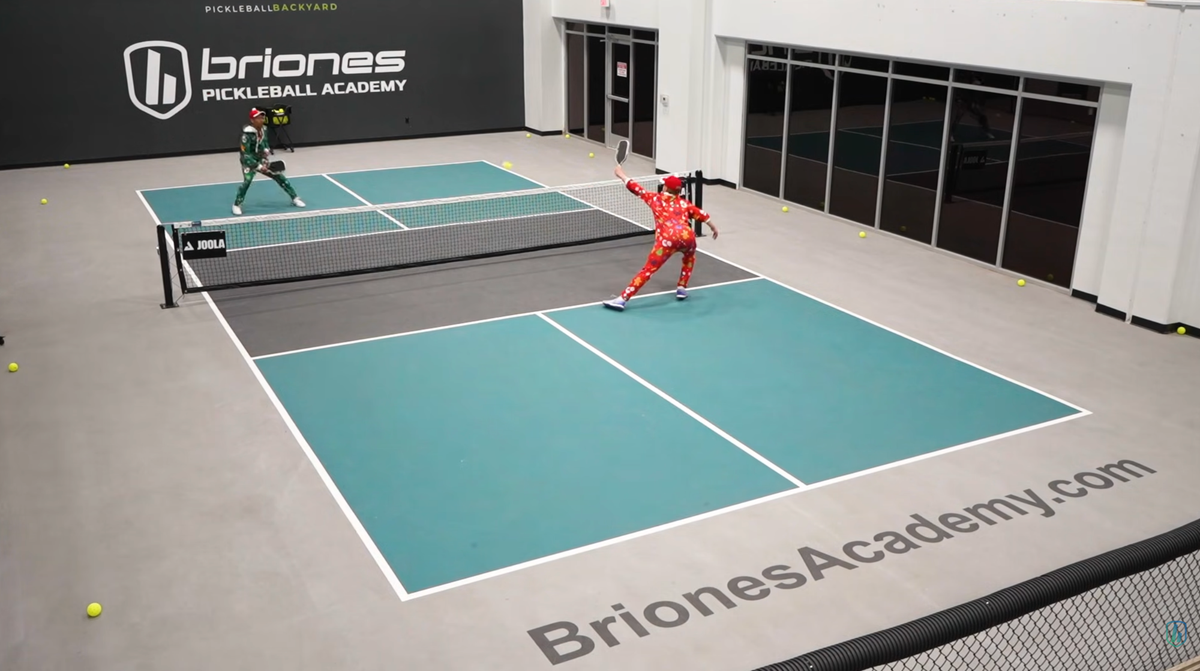
When opponents crowd the net, a well-placed lob can force them back and reset court positioning. Use this tactic sparingly, as predictable lobs become easy targets for overhead smashes.
Common Mistakes That Keep You Trapped
Avoid these critical errors that prolong your stay in no man's land:
- Hitting high resets: Elevated shots give opponents easy attack opportunities
- Rushing forward: Moving too quickly leaves gaps for opponents to exploit
- Standing too upright: Poor posture limits reaction time and mobility
- Panic attacking: Forcing aggressive shots typically results in errors or weak returns
Practice Drills for No Man's Land Mastery
Develop your transition zone skills with these targeted exercises:
Reset Rally Drill: Practice hitting consecutive resets from the transition zone, focusing on consistency and placement rather than winners.
Escape Ladder: Start at the baseline and work forward using only reset shots and proper footwork, advancing one step after each successful reset.
Pressure Cooker: Have partners attack your feet while you practice blocks and resets, simulating real match pressure.
Frequently Asked Questions
How long should I stay in no man's land before advancing?
Stay only as long as necessary to create a safe opportunity to advance. This typically means 2-3 reset shots maximum before attempting to move forward to the kitchen line.
What's the biggest mistake players make in the transition zone?
The most common error is trying to end points with aggressive shots instead of focusing on shot quality and court position. Patience and strategic resets are far more effective than power plays.
Can I ever attack from no man's land?
Attack only when opponents give you a high, slow ball that you can strike from above net height. Otherwise, prioritize resets and positioning over aggressive shot-making.