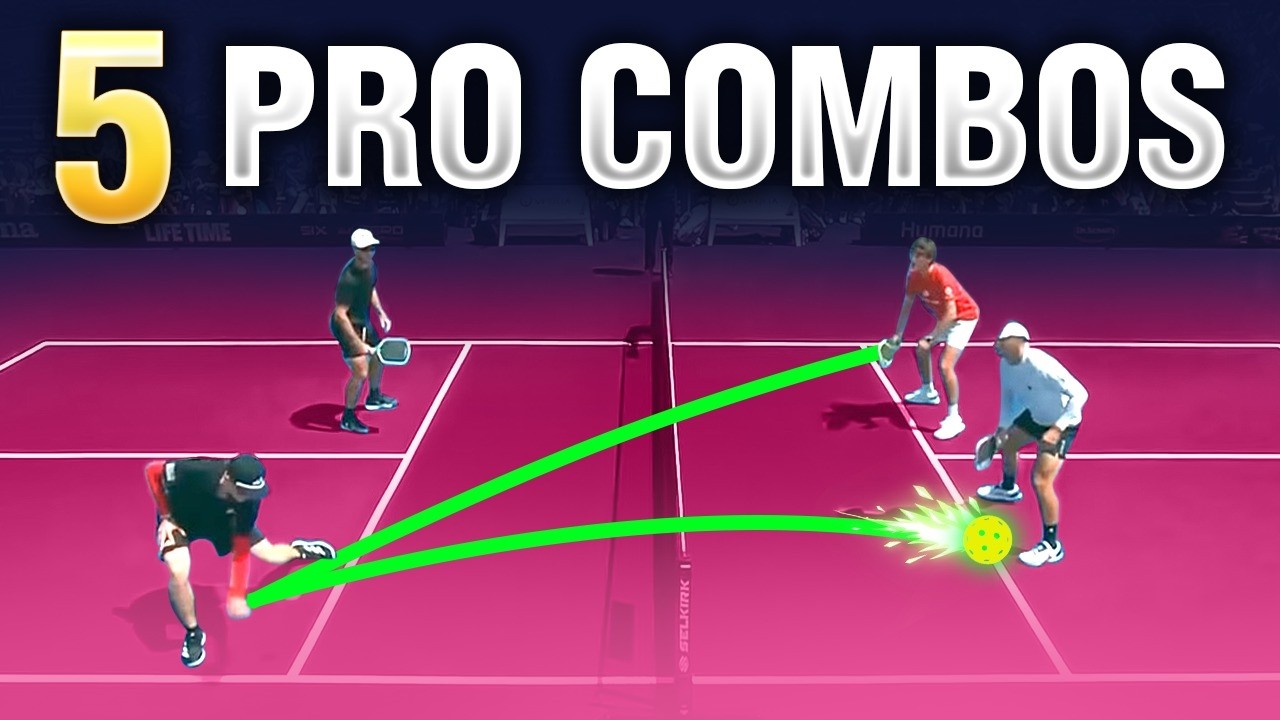
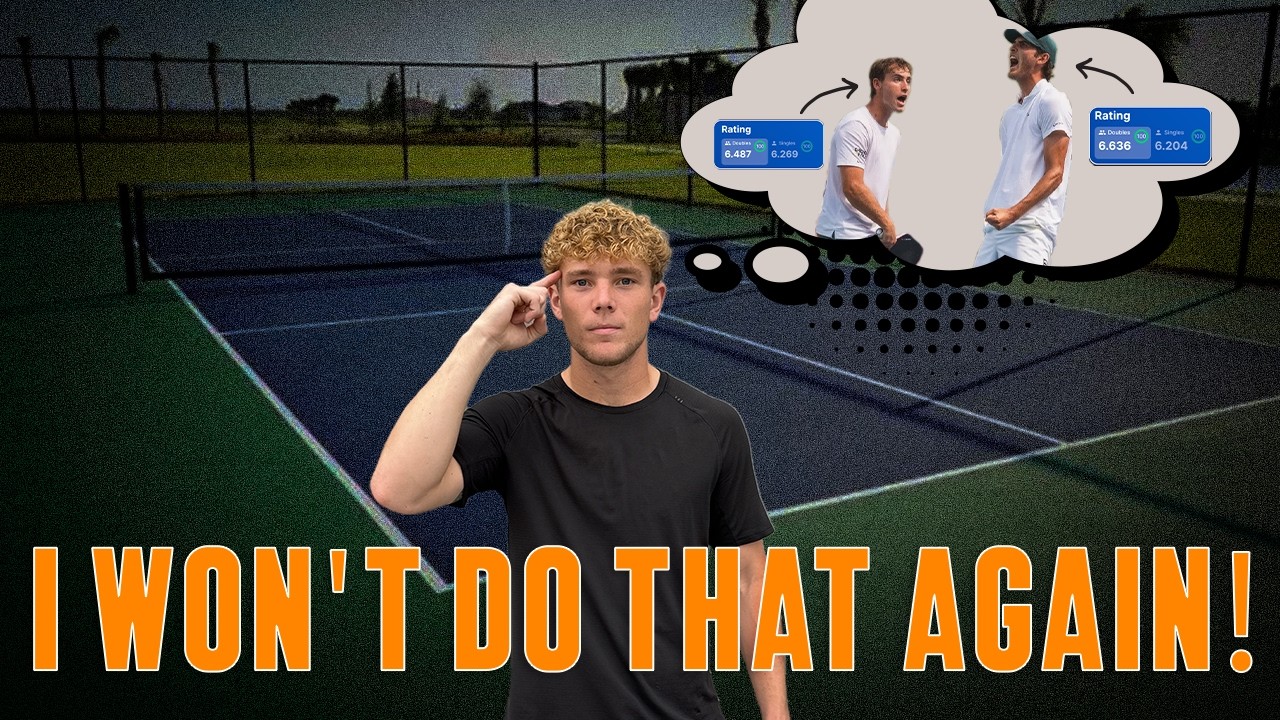
Facing elite pickleball professionals on the court provides invaluable lessons that can't be replicated in practice drills. When Cam Luhring stepped onto the court against top-tier players Eric Oncins and Dylan Frazier during PPA Sacramento, he gained insights into advanced pickleball strategy that translate to players at every skill level.
These three strategic concepts often determine the outcome of tight matches, regardless of whether you're playing recreational games or competitive tournaments.
1. Master Court Positioning and Zone Control
Elite players understand that pickleball isn't just about shot-making—it's about controlling space on the court. The best players consistently position themselves to cut off angles and force opponents into disadvantageous positions.
Key positioning principles include:
- Maintaining proper distance from the non-volley zone line during dinking exchanges
- Moving as a unit with your partner to eliminate gaps
- Anticipating shot placement based on your opponent's court position
- Creating offensive opportunities through strategic positioning rather than power
This concept applies whether you're a 3.0 player learning basic positioning or an advanced player refining court awareness. Focus on being in the right place at the right time, and you'll find yourself winning more points through strategy rather than athleticism.
2. Develop Patience and Point Construction
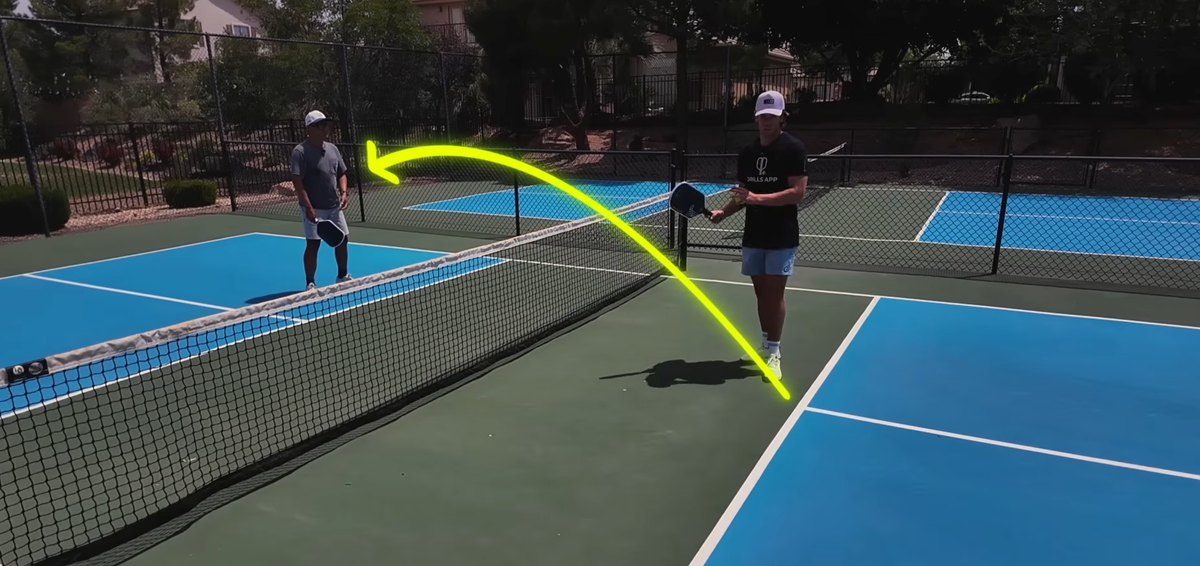
One of the most striking differences between recreational and elite players is patience during point development. Top professionals like Oncins and Frazier rarely rush into aggressive shots without proper setup.
Effective point construction involves:
- Building pressure through consistent, well-placed shots
- Waiting for the right opportunity to attack rather than forcing winners
- Using the dink game to create openings
- Recognizing when opponents are out of position
Many amateur players lose points by attempting winners too early in rallies. Elite players understand that patience often leads to easier putaway opportunities as opponents become increasingly uncomfortable under sustained pressure.
The Mental Game Component
Patience in pickleball also requires mental discipline. When facing skilled opponents, the temptation to end points quickly can lead to unforced errors. Instead, focus on:
- Staying calm during long rallies
- Maintaining shot selection discipline
- Trusting the process of point development
- Recognizing that longer rallies often favor the more patient player
3. Strategic Shot Selection and Variety

Elite players possess an extensive arsenal of shots, but more importantly, they understand when and why to use each one. Shot selection at the highest level isn't about showing off technique—it's about choosing the most effective option for each situation.
Critical shot selection concepts include:
- Varying pace and spin to keep opponents guessing
- Using drops, drives, and lobs strategically rather than habitually
- Targeting weaknesses while avoiding opponents' strengths
- Adapting shot selection based on court conditions and opponent positioning
The key insight from watching elite players is that they rarely use the same shot repeatedly. Instead, they constantly adjust their approach based on what's working and what isn't, keeping opponents off-balance throughout the match.
Implementing Variety in Your Game
To incorporate this strategic thinking:
- Practice multiple shot options from each court position
- Observe opponent reactions to different shots
- Develop reliable backup plans when your primary strategy isn't working
- Focus on quality execution over shot complexity
Putting It All Together
These three strategic elements—positioning, patience, and shot selection—work together to create a complete tactical approach. Elite players excel not because they possess superhuman athletic ability, but because they consistently apply sound strategic principles.
For recreational players, focusing on these fundamentals will yield immediate improvements in match results. Start by choosing one area to emphasize during each practice session or match, gradually incorporating all three concepts into your regular play.
Remember that strategy development takes time and repetition. Even elite players like those Luhring faced continue refining these concepts throughout their careers. The difference between good and great players often comes down to consistent application of these strategic principles under pressure.
Frequently Asked Questions
How long does it take to improve pickleball strategy?
Strategic improvement varies by player, but most people notice better decision-making within 2-3 weeks of focused practice. Consistent application of positioning and patience principles typically shows results faster than shot variety development.
Should I focus on one strategic element at a time?
Yes, concentrating on one area per practice session or match allows for better skill integration. Start with positioning fundamentals, then add patience and point construction, followed by shot selection variety.
Can these strategies work at beginner skill levels?
Absolutely. These strategic concepts scale to all skill levels. Beginners can focus on basic positioning and patience, while advanced players can refine subtle aspects of shot selection and court awareness.