Smart attacking separates good pickleball players from great ones, yet most recreational players make the same costly mistakes that sabotage their offensive game. Pro trainer Connor Derrickson and professional player Travis Rettenmaier have identified three fundamental errors that create a massive performance gap between 4.0 and 5.0 level players.
The secret isn't hitting harder – it's attacking smarter. These seemingly minor adjustments can transform your offensive strategy and help you win more points at the net.
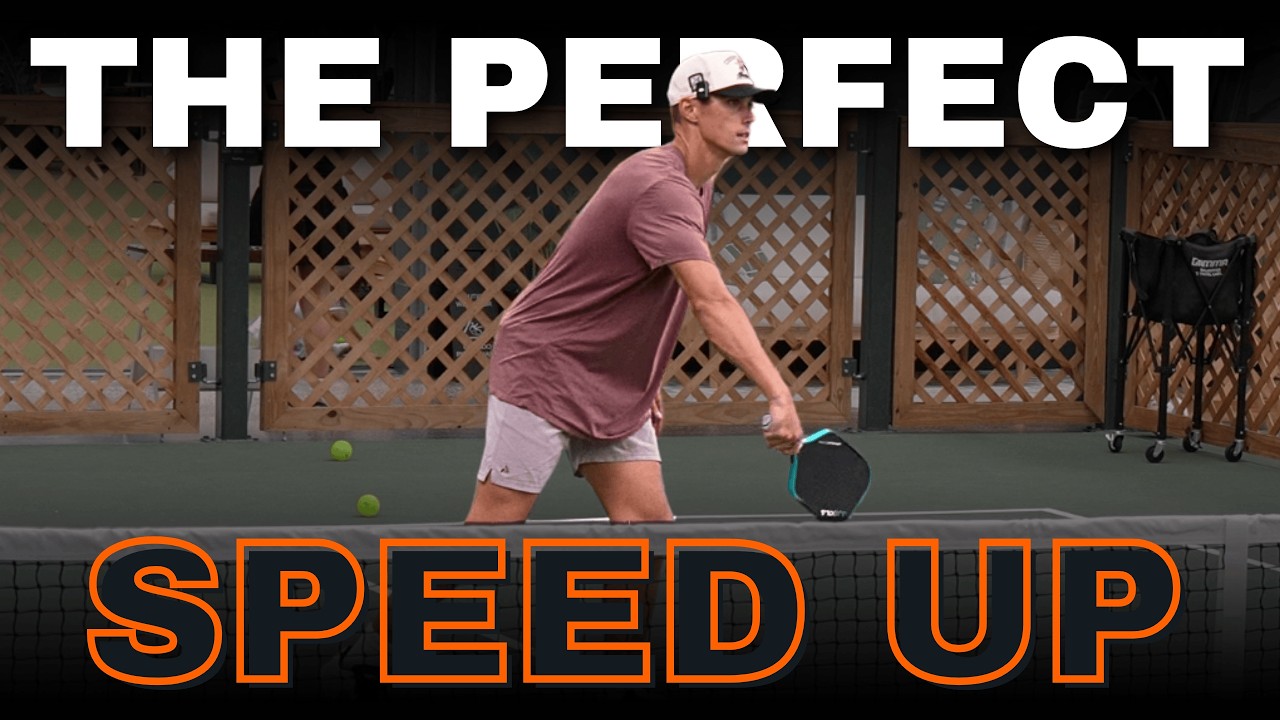
Why Most Pickleball Attacks Fail
The pickleball attack zone is where matches are decided, but amateur players consistently approach it with the wrong mindset. Instead of focusing on power, elite players prioritize precision, timing, and court positioning to create winning opportunities.
According to Rettenmaier's analysis, the gap between intermediate and advanced players often comes down to three specific technical and tactical errors that compound over time, creating significant scoring disadvantages during crucial rally moments.

Mistake #1: Attacking from the Wrong Court Position
Many players attempt aggressive shots from disadvantageous positions, particularly when they're still in the transition zone or haven't established proper court positioning. This premature attacking leads to unforced errors and missed opportunities.
The Fix: Master Your Positioning First
Wait until you've reached the non-volley zone line before attempting your most aggressive shots. Establish your court position, then look for the right ball to attack rather than forcing low-percentage shots from poor positions.
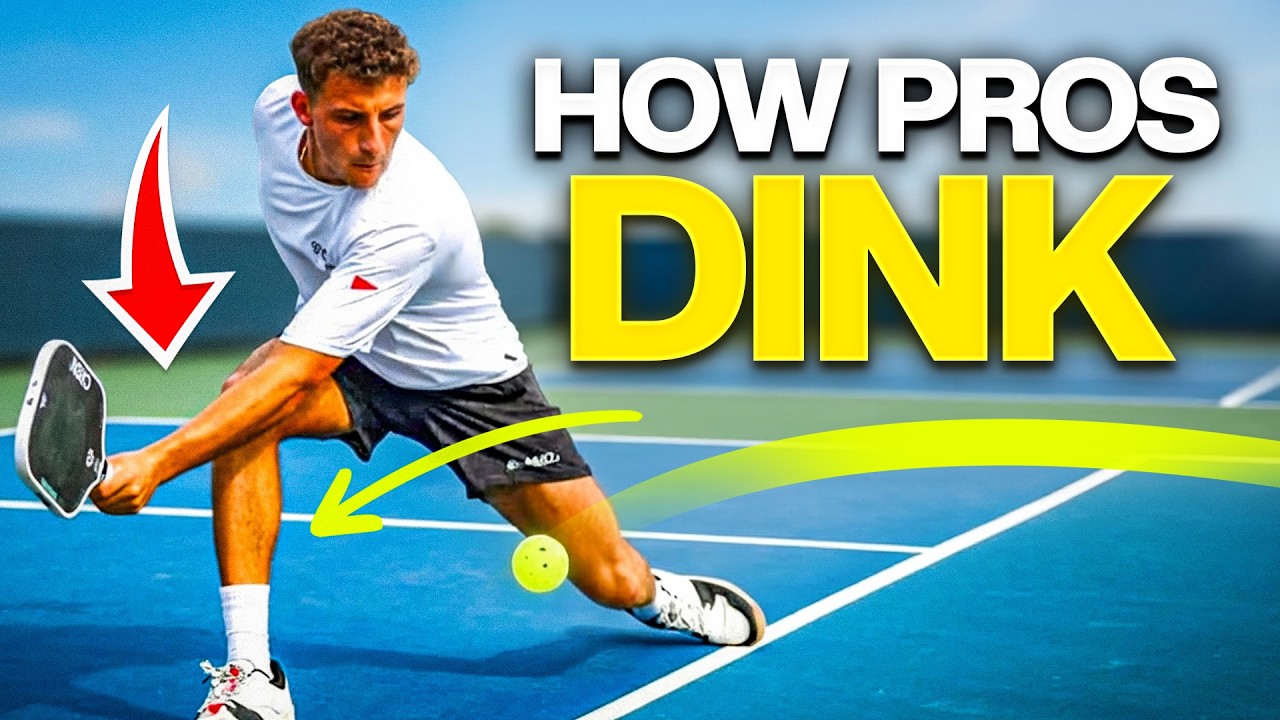
Mistake #2: Poor Target Selection During Attacks
Recreational players often aim for the most obvious targets – typically hitting directly at opponents or attempting impossible angles. This predictable targeting makes it easier for opponents to defend and counter-attack effectively.
The Fix: Attack the Gaps and Feet
Focus on hitting between opponents in doubles play, targeting their feet, or creating sharp angles that force awkward defensive positions. The goal is to create situations where opponents can't mount an effective counter-attack.
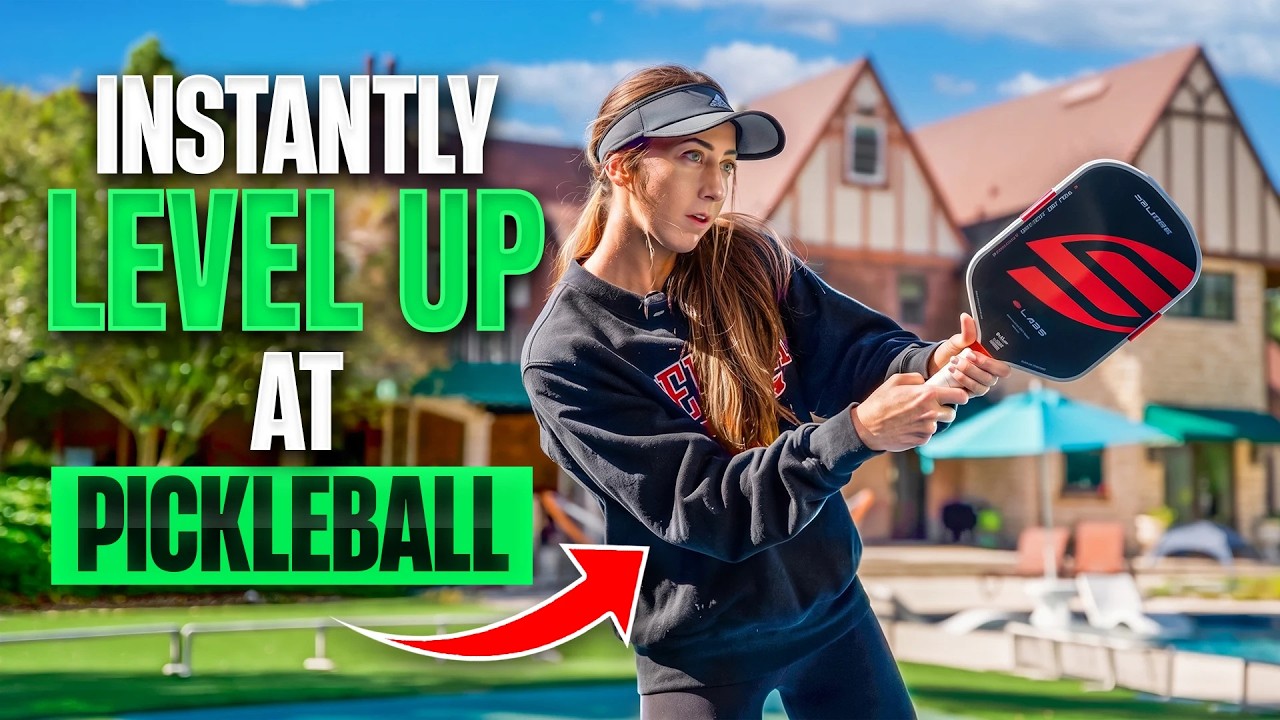
Mistake #3: Timing Your Attacks Incorrectly
The biggest tactical error involves attacking the wrong balls. Many players try to be aggressive on shots that should be reset, while missing genuine attacking opportunities when they arise during rallies.
The Fix: Recognize Attack vs. Reset Situations
Learn to identify when balls are truly attackable – typically when they're above net height and you're in proper position. If the ball is low or you're off-balance, focus on resetting the point rather than forcing an aggressive shot.
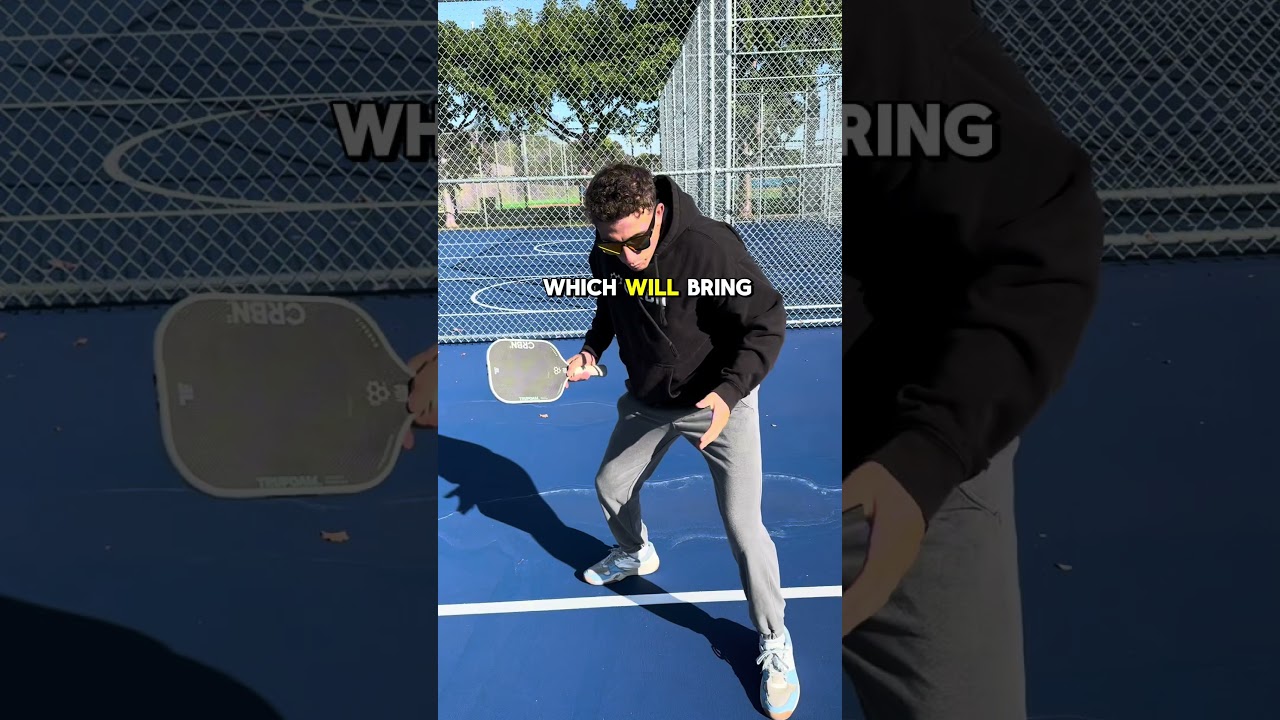
Developing Your Attack Strategy
Successful attacking in pickleball requires patience and tactical awareness. Instead of trying to end every point immediately, build towards your attacking opportunities through consistent play and smart shot selection.
Practice these corrections during drilling sessions, focusing on one element at a time until the proper technique becomes automatic during match play. Remember that effective attacking is about creating opportunities, not just hitting harder shots.
Frequently Asked Questions
When should I attack versus reset in pickleball?
Attack when the ball is above net height, you're in proper court position, and you can maintain balance through your shot. Reset when balls are low, you're out of position, or your opponent has good court positioning to defend.
What's the most important factor in successful pickleball attacks?
Court positioning trumps power every time. Establish proper positioning at the non-volley zone line before attempting aggressive shots, and focus on attacking balls that give you the highest percentage chance of success.
How can I improve my attack target selection?
Practice hitting between opponents, targeting feet, and creating angles that force defensive responses. Avoid predictable targeting and focus on shots that make it difficult for opponents to counter-attack effectively.