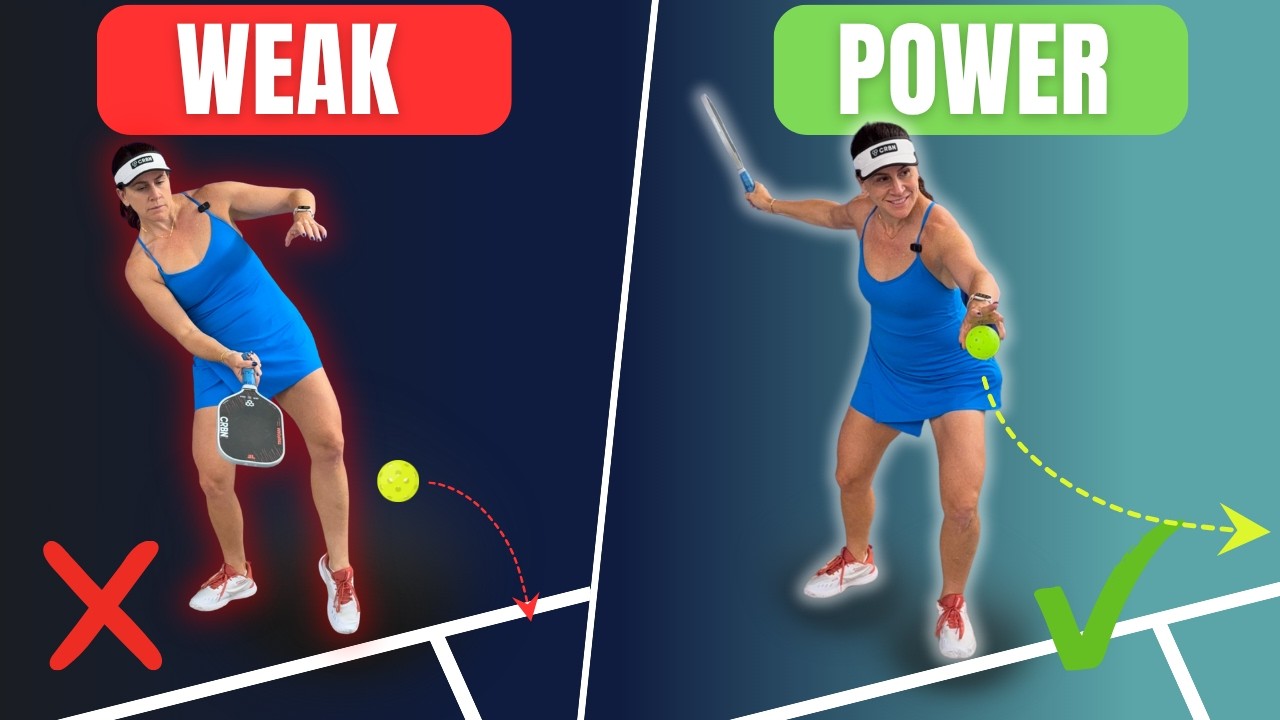
While most recreational players focus entirely on the ball and whoever's hitting it, advanced pickleball competitors understand a crucial truth: the player not hitting the ball often controls the entire point. This concept, known as off-ball positioning, separates intermediate players from true net dominators.
Why Off-Ball Positioning Changes Everything
According to APP professional Richard Livornese, the off-ball player at the net frequently dictates what happens next in any rally. While your partner engages in dinking exchanges, your positioning creates pressure, eliminates angles, and can win points before you even swing your paddle.
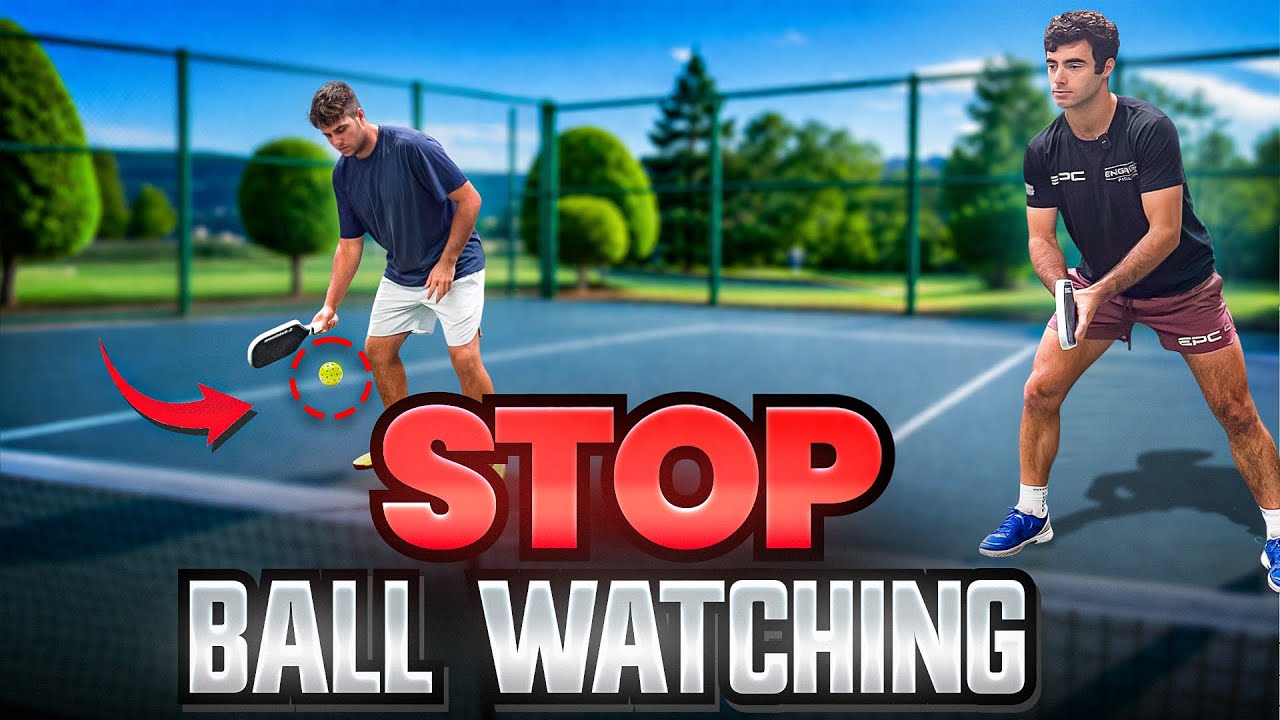
Think of it this way: while your opponent focuses on returning your partner's shot, they're simultaneously calculating their next move based on your court position. Move incorrectly, and you've just gifted them the perfect angle. Position strategically, and you've eliminated their best options before they can execute them.
The Three Pillars of Elite Off-Ball Movement
1. Anticipatory Positioning
Elite players don't react to where the ball goes—they predict it. As your partner prepares to dink, you should already be shifting based on the likely return angles. This means:
- Moving toward the center when your partner dinks cross-court
- Staying wide when they dink down the line
- Adjusting depth based on your opponent's paddle angle
2. Space Control and Angle Elimination
Your off-ball positioning should systematically eliminate your opponents' best shots. By occupying key court real estate, you force them into lower-percentage plays. Advanced players use their body position to:
- Cut off sharp cross-court angles
- Prevent easy poach opportunities
- Create psychological pressure through court presence
3. Communication Through Movement
Your positioning communicates volumes to your partner without saying a word. When you shift aggressively toward the middle, you're signaling confidence in covering certain areas, allowing your partner to take more risks with their shot selection.
Common Off-Ball Positioning Mistakes That Cost Points
Most players make predictable errors that advanced opponents exploit ruthlessly:
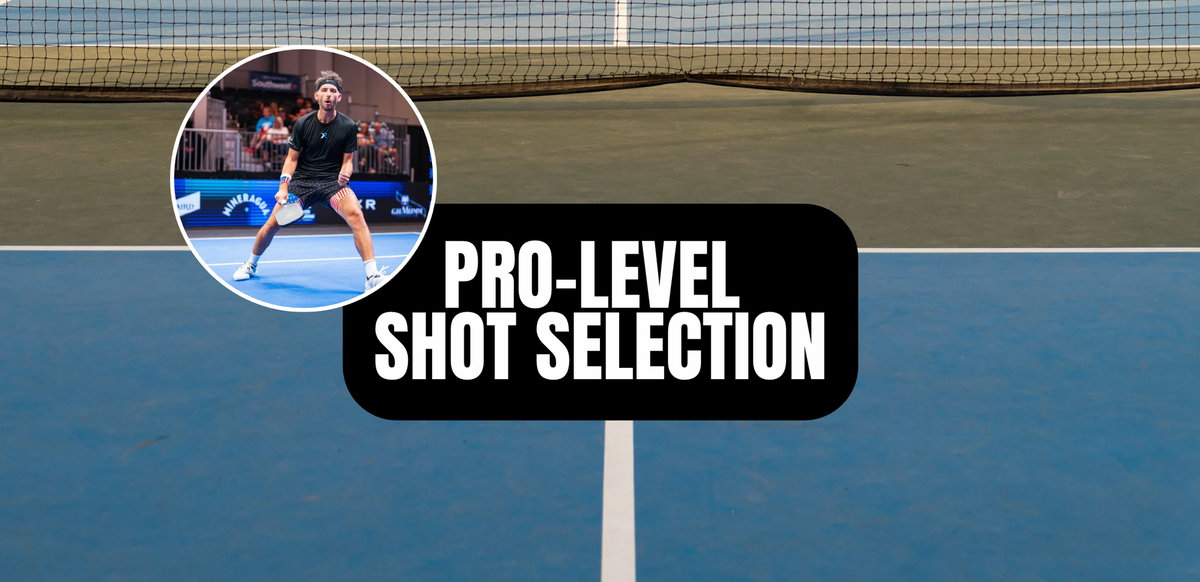
The Statue Syndrome: Standing frozen in one spot while your partner plays. This telegraphs exactly where you can't cover and gives opponents easy targets.
The Mirror Move: Simply copying your partner's movements instead of creating complementary court coverage. This leaves massive gaps in your defense.
The Late Reactor: Only moving after the ball is struck, rather than positioning based on developing shot patterns and court geometry.
Practical Drills to Master Off-Ball Movement
Developing this skill requires specific practice beyond regular gameplay:
Shadow Positioning Drill: Have your partner dink with opponents while you focus solely on positioning without hitting any balls. This isolates the movement patterns you need to develop.
Angle Elimination Exercise: Practice identifying and cutting off specific court angles by positioning your body to intercept likely returns.
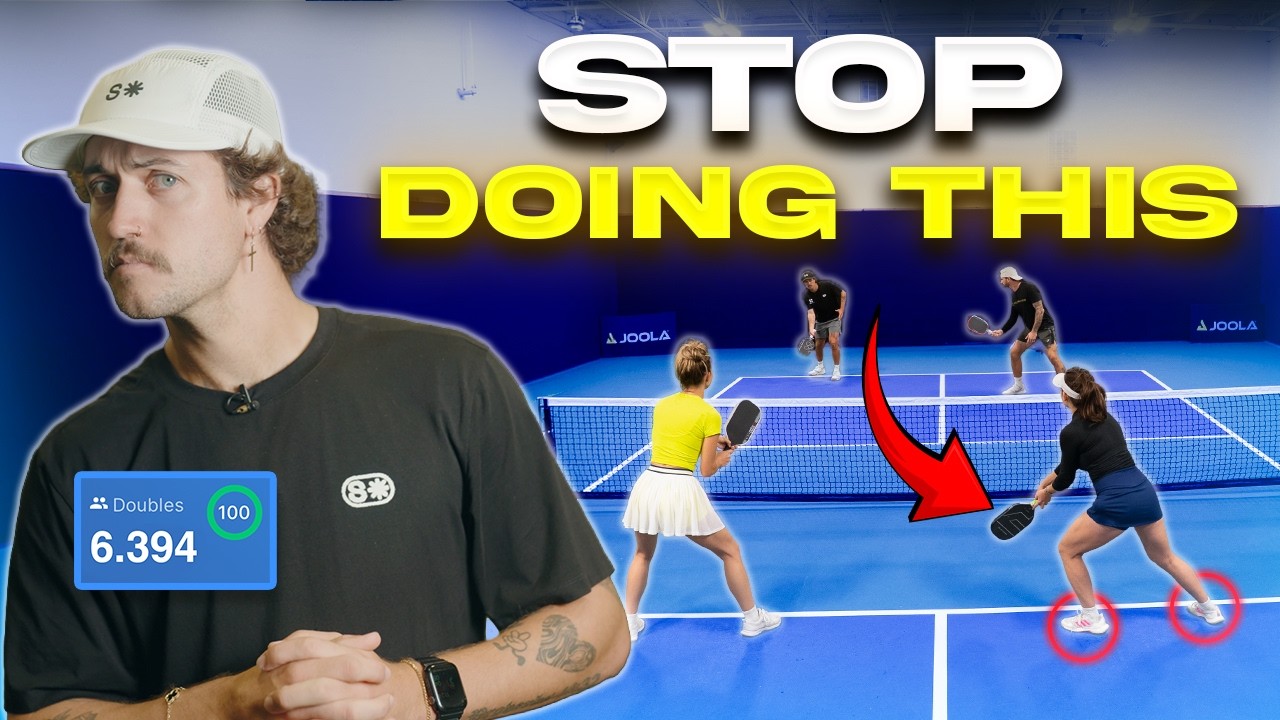
Pressure Point Training: Work on using your court presence to influence opponent shot selection, even when you're not actively involved in the rally.
Taking Your Net Game to the Next Level
Mastering off-ball positioning transforms you from a spectator to an active point controller. When executed properly, you'll notice opponents making more errors, choosing less aggressive shots, and struggling to find openings that were previously wide open.
Remember: championship-level pickleball isn't just about individual shot-making—it's about two players moving as a coordinated unit, with each person's positioning enhancing the other's effectiveness.
Frequently Asked Questions
How do I know when to move versus when to stay put during off-ball situations?
Movement should be based on shot probability rather than reaction. If your partner hits a cross-court dink, immediately begin shifting toward center court to cover the likely return angle. Stay stationary only when your current position already covers the highest-percentage return shots.
What's the biggest mistake intermediate players make with off-ball positioning?
The most common error is focusing on the ball's current location instead of anticipating where it's going next. Advanced players position based on shot patterns and court geometry, not just ball-watching.
How can I practice off-ball positioning if I don't have regular playing partners?
Watch high-level matches and focus exclusively on off-ball player movement rather than following the ball. You can also practice shadow movements during wall practice, visualizing opponent positions and moving accordingly.