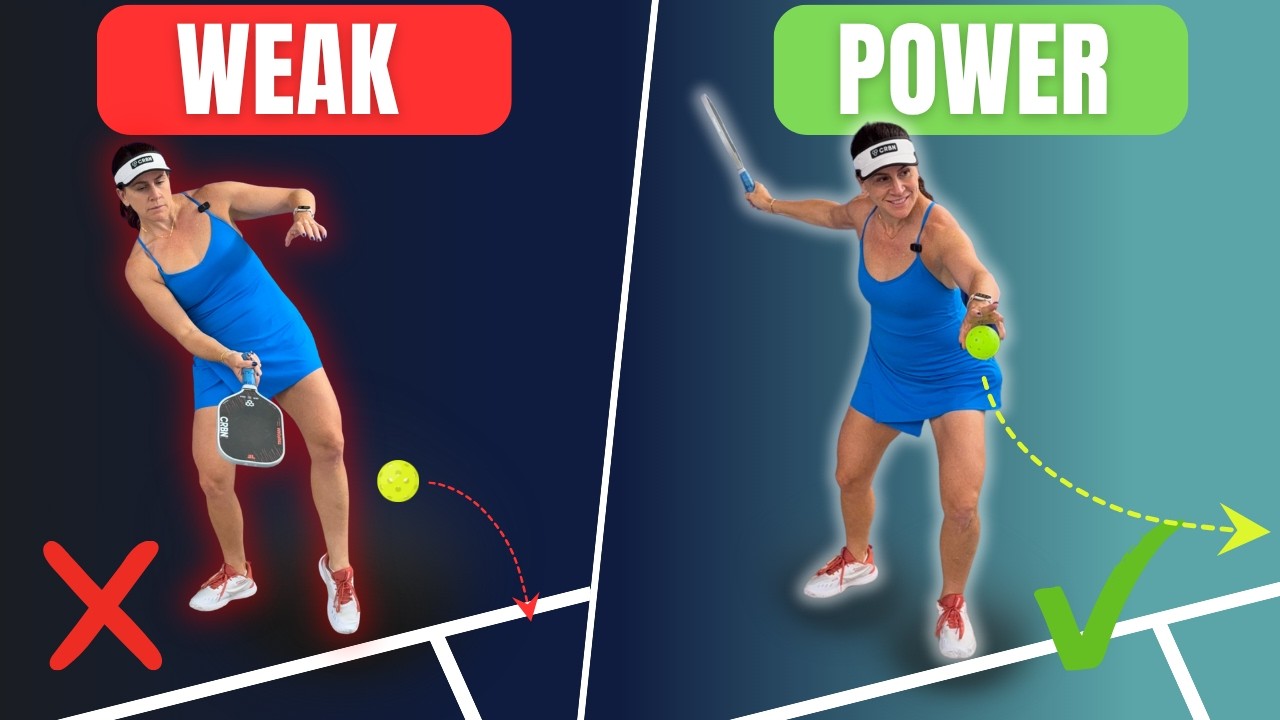
Walk onto any pickleball court and you'll see players practicing their serves endlessly. They're working on power, spin, and speed, believing this single shot holds the key to victory. But according to experienced coaches and top-level players, there's another shot that deserves far more attention: the return of serve.
The return of serve might just be the most undervalued weapon in your pickleball arsenal. It's the shot that sets the tone for every rally, determines court positioning, and can instantly shift momentum in your favor. Yet most recreational players treat it as an afterthought.
Why the Return of Serve Rules the Court
Think about the mathematics of pickleball. In any game, you'll face roughly the same number of serves as you'll hit returns. But here's the crucial difference: a mediocre serve still puts the ball in play, while a poor return immediately hands your opponent the advantage.
The return of serve determines whether you start each point on offense or defense. A well-executed return forces your opponents back, gives you time to advance to the kitchen line, and puts pressure on their third shot. A weak return? You're instantly playing catch-up.
The Three Pillars of Effective Returns
Depth Over Power
Forget about crushing the ball. The most effective returns land deep in your opponent's court, ideally within three feet of the baseline. This depth accomplishes two critical objectives: it keeps your opponents back and buys you precious time to advance to the non-volley zone.
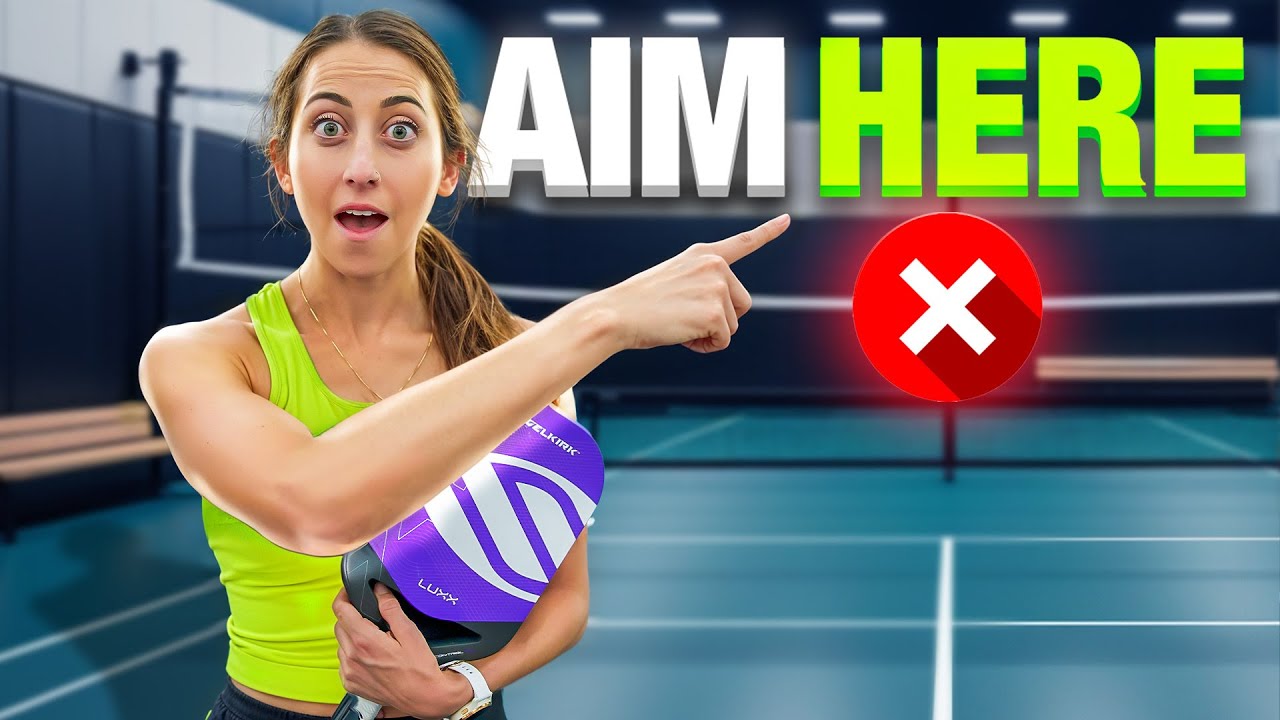
A deep return also limits your opponent's third shot options. They can't hit aggressive angles from the back of the court, and they're more likely to pop the ball up, giving you an attackable shot.
Placement Precision
While depth is crucial, placement adds another layer of strategy. Target the deeper player's backhand, hit behind someone moving forward, or place the ball down the middle to create confusion about who should take the shot.
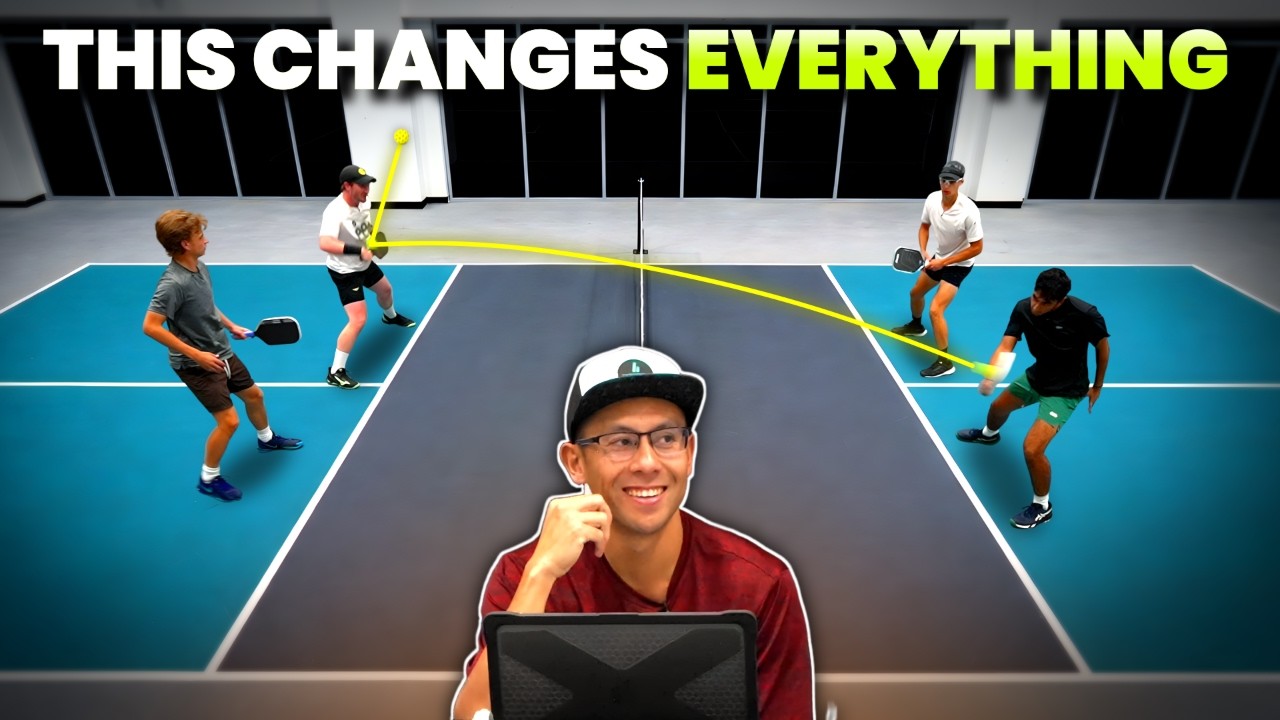
Advanced players often use crosscourt returns to their advantage, creating longer angles and more time to recover to their position. The key is having multiple placement options and using them strategically based on your opponents' positioning and weaknesses.
Consistency Wins Points
The most spectacular return means nothing if you can't reproduce it consistently. Focus on developing a reliable return that you can execute under pressure, when you're tired, and against various serve styles.
Consistency starts with proper footwork and preparation. Get your paddle back early, move your feet to get in optimal position, and use a controlled swing that prioritizes accuracy over power.
Technical Fundamentals for Better Returns
The foundation of any great return starts before your opponent even serves. Position yourself approximately one step behind the baseline, giving yourself room to move forward for short serves while still being able to handle deep ones.
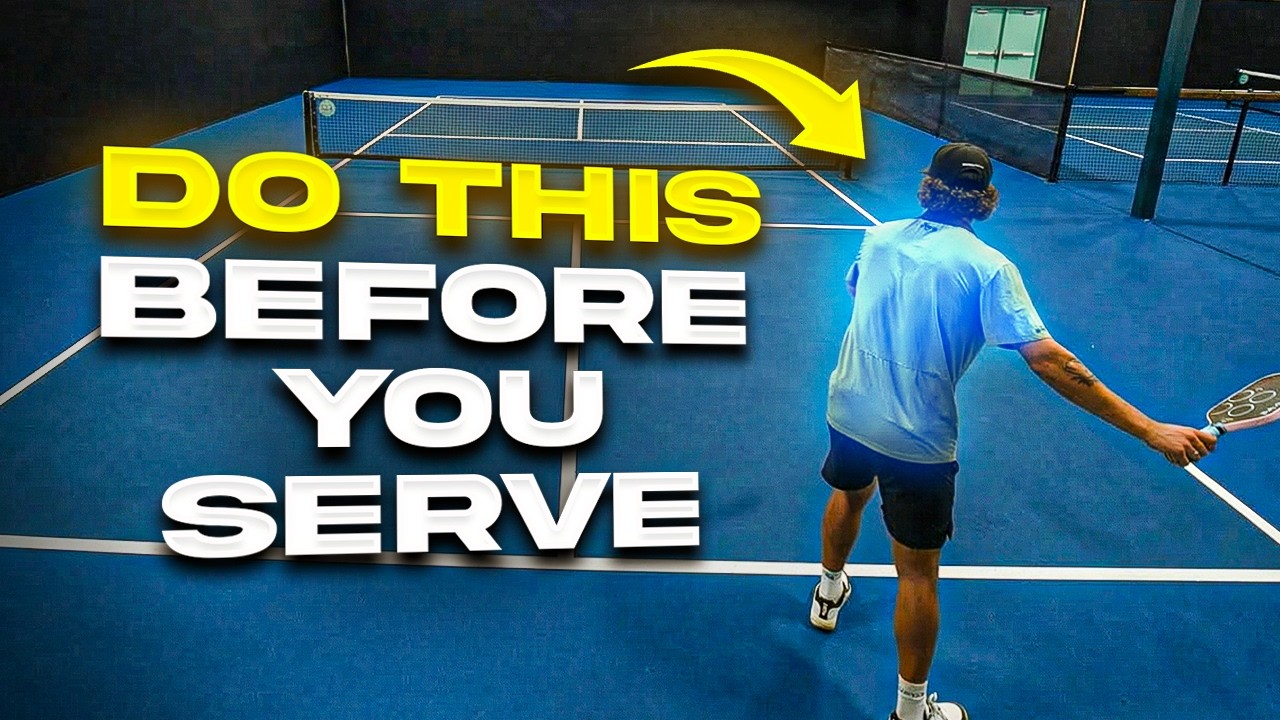
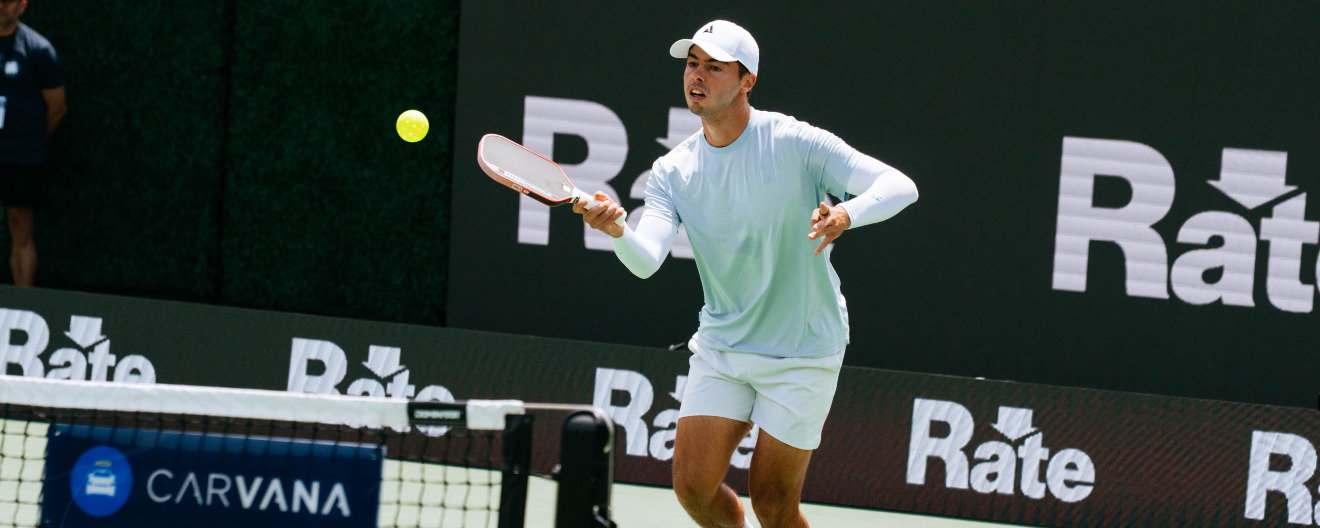
Keep your paddle up and ready, with your weight slightly forward on the balls of your feet. As the serve approaches, focus on making contact out in front of your body and following through toward your target.
For most recreational players, a simple drive or controlled topspin shot works better than attempting complex slices or drop shots. Save the fancy stuff for when you've mastered the basics.
Practice Drills That Make a Difference
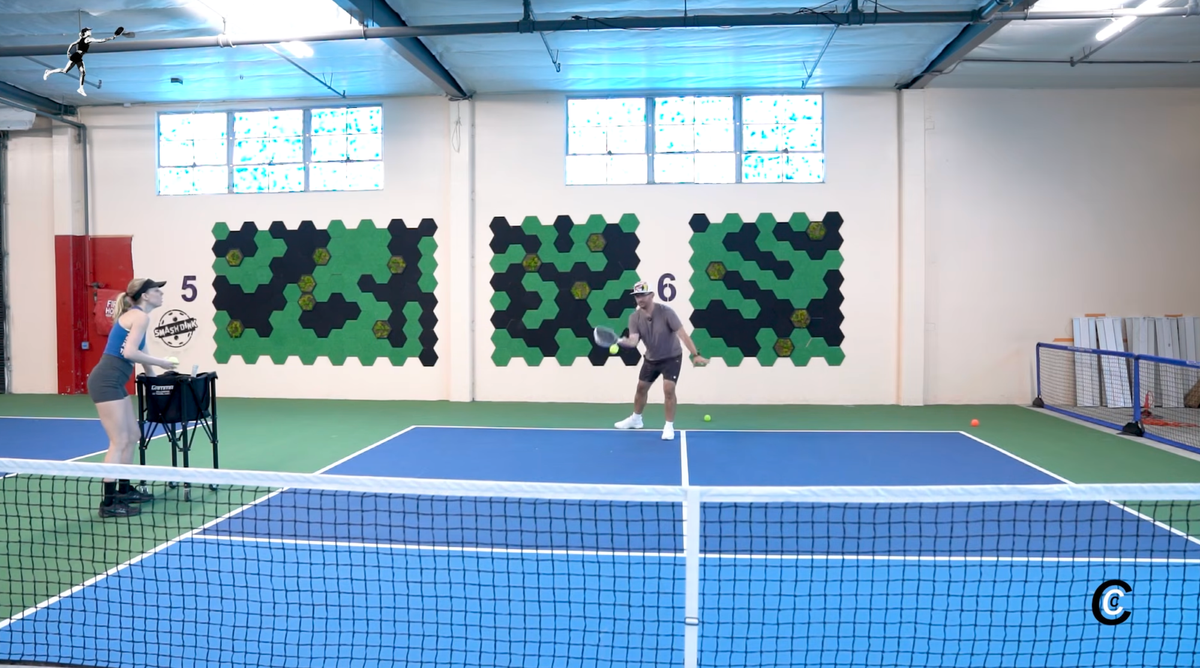
The best way to improve your return is through focused practice. Set up targets in the deep corners and practice hitting consistent returns to those zones. Work on returning serves from different positions and angles to simulate match conditions.
Partner drills work especially well for return practice. Have your partner serve from various positions while you focus on placement and depth. Gradually increase the pace and add movement to make the practice more game-like.
Frequently Asked Questions
Should I always return serve crosscourt?
While crosscourt returns are generally safer due to the longer distance and lower net height, mixing up your return direction keeps opponents guessing. Use crosscourt as your default but occasionally go down the line, especially against players who cheat toward the middle.
How do I handle really fast serves?
Against pace, focus on shortening your backswing and using your opponent's power. Block the ball back with a firm paddle face, aiming for depth rather than trying to generate your own pace. Step back if necessary to give yourself more reaction time.
Is it ever okay to hit a drop shot return?
Drop shot returns can be effective against opponents who stay back after serving, but they're high-risk shots that require perfect execution. Master the basic deep return first, then add drop shots as a occasional change-of-pace option.