Standing at the kitchen line, you're locked in a steady dinking rally when suddenly—BOOM—your opponent fires a winner past you that you never saw coming.
If this scenario sounds painfully familiar, you're not alone. But here's the truth: getting attacked at the kitchen line isn't about bad luck or facing superior opponents. It's about the balls you're feeding them.
Every time you find yourself on the wrong end of a kitchen line attack, one of three fundamental mistakes has occurred. Recognizing these errors is your first step toward dominating net play and keeping your opponents on the defensive.
Mistake #1: Setting Up High, Attackable Balls
The most obvious—yet surprisingly common—mistake is hitting dinks that pop up above the net. When your dink lacks proper arc and control, it gives opponents a golden opportunity to step in and attack.
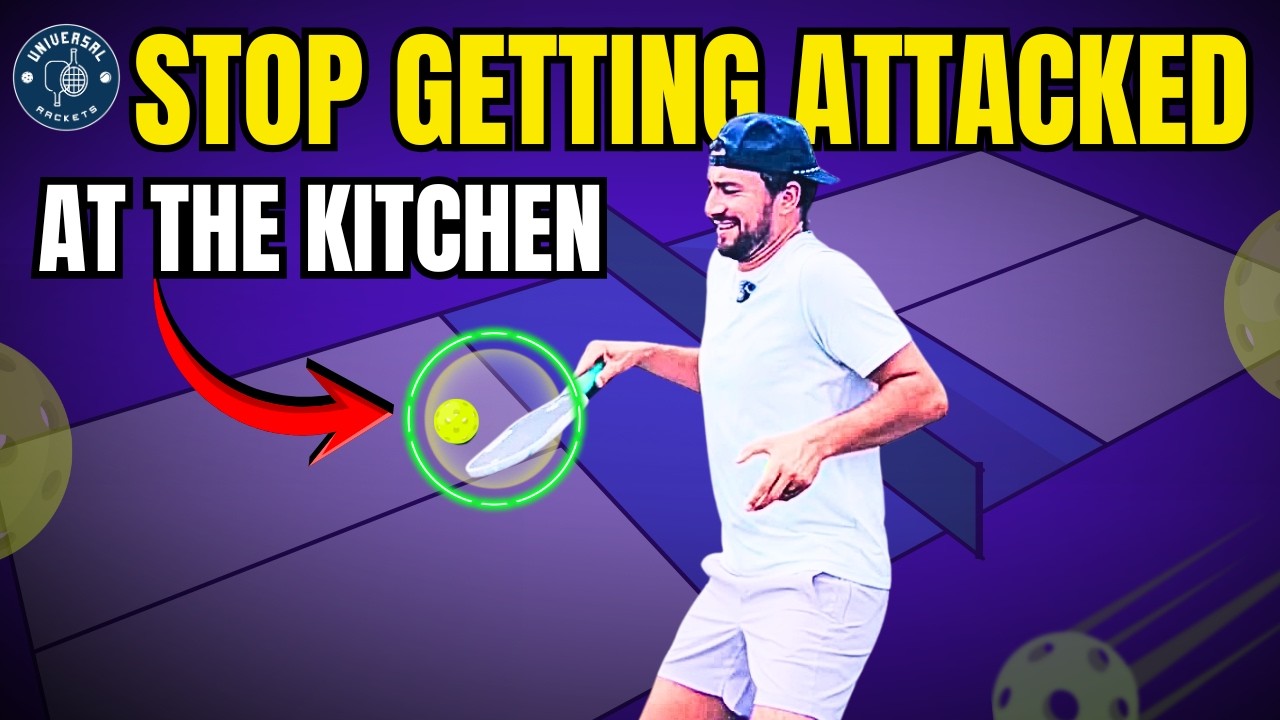
High balls typically result from:
- Rushing your dink preparation
- Using too much wrist action instead of controlled shoulder movement
- Poor paddle angle at contact
- Attempting to hit winners instead of maintaining rally control
The solution starts with your setup. Focus on getting your paddle prepared early, maintaining a consistent low-to-high swing path, and prioritizing placement over pace. Remember: the goal of dinking isn't to hit winners—it's to force your opponent into making the first mistake.
Mistake #2: Poor Court Positioning and Balance
Your physical position at the kitchen line dramatically impacts your vulnerability to attacks. Many players stand too close to the line, lean forward excessively, or position themselves in predictable spots that limit their defensive options.
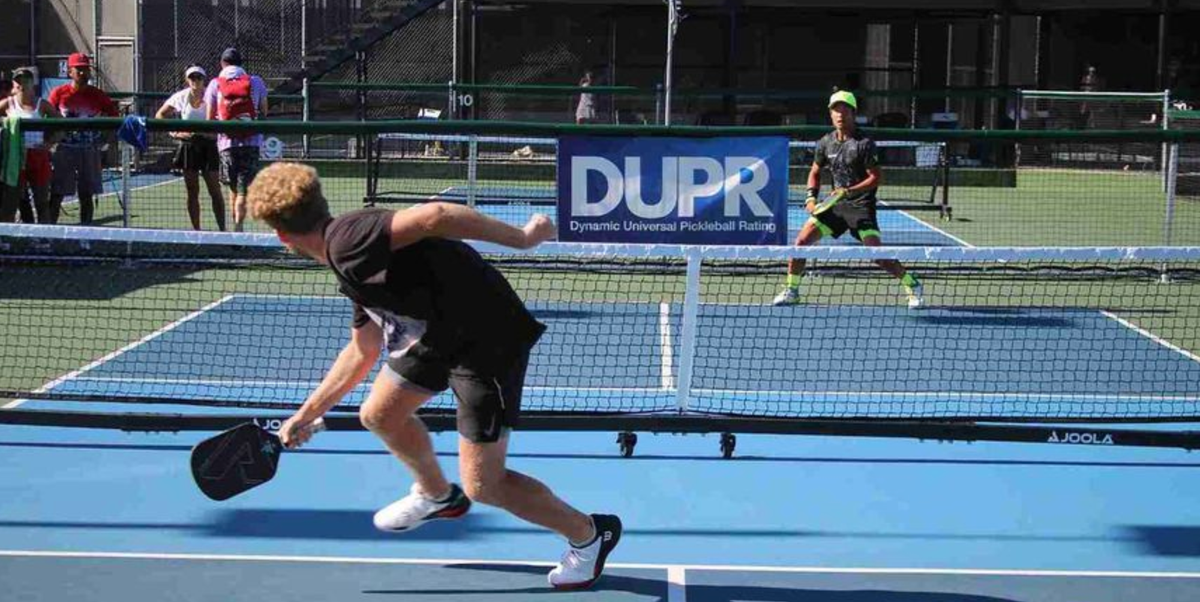
Optimal kitchen line positioning requires:
- Standing 12-18 inches behind the kitchen line for reaction time
- Maintaining athletic balance with slight forward lean
- Keeping your paddle up in the ready position
- Positioning yourself to cover your side while supporting your partner
When you're properly positioned with good balance, you can react quicker to attackable balls and potentially turn defense into offense. Poor positioning, on the other hand, makes you a sitting duck for aggressive opponents.
Mistake #3: Predictable Dinking Patterns
The third critical mistake involves falling into repetitive, predictable dinking patterns that allow opponents to anticipate and set up attacks. Many recreational players dink to the same spots repeatedly or fail to vary their pace and spin.
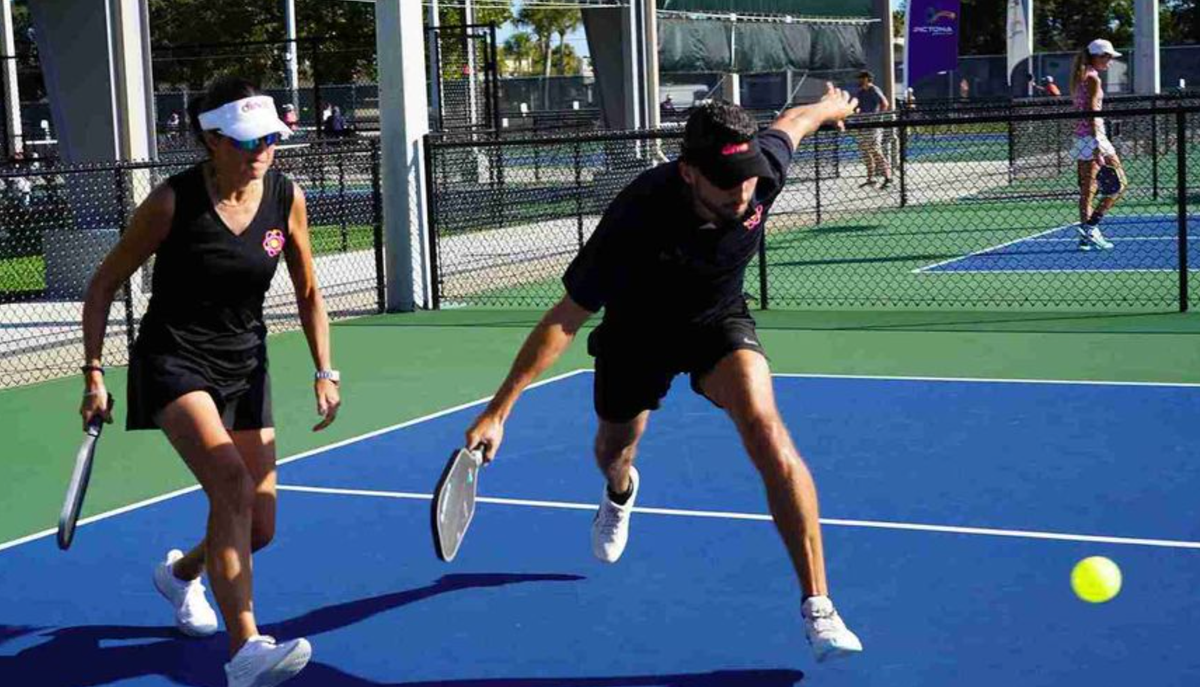
Smart opponents will recognize these patterns and position themselves accordingly. If you're constantly dinking cross-court to the same location, they'll eventually be waiting there with a loaded attack.
Breaking Predictable Patterns
Effective pattern variation includes:
- Mixing cross-court and straight-ahead dinks
- Varying the depth of your dinks within the kitchen
- Changing pace occasionally to disrupt timing
- Using different spins to create unpredictable bounces
- Strategic placement near the sidelines
Essential Drills to Transform Your Kitchen Line Game
Understanding these mistakes is only half the battle. Here are three proven drills to address each problem area:
Consistency Drill for Ball Height Control
Practice dinking with a partner, focusing solely on keeping every ball below net height. Start with slow, controlled exchanges and gradually increase pace while maintaining height discipline. Aim for 20 consecutive low dinks before moving to the next drill.
Movement and Recovery Drill
Have your partner feed you balls to different areas of the kitchen while you focus on proper footwork, balance, and recovery positioning. This drill builds the muscle memory needed for optimal court positioning during live play.
Pattern Variation Drill
Create a structured dinking sequence that forces you to hit to different locations: cross-court, straight ahead, short, deep. Practice this pattern until varying your shots becomes second nature rather than an afterthought.
Taking Control of Kitchen Line Battles
Mastering kitchen line play isn't about hitting harder or moving faster—it's about eliminating the fundamental mistakes that give opponents opportunities to attack. By controlling ball height, maintaining proper positioning, and varying your patterns, you'll transform from a victim of kitchen line attacks into the player dishing them out.
Focus on one mistake at a time during practice sessions. Perfect your ball height control first, then work on positioning, and finally develop pattern variation. This systematic approach ensures lasting improvement rather than temporary fixes.
Frequently Asked Questions
How close should I stand to the kitchen line during dinking rallies?
Position yourself 12-18 inches behind the kitchen line. This distance provides optimal reaction time while keeping you close enough to the net to maintain offensive pressure. Standing directly on the line limits your reaction time, while standing too far back gives opponents more angle opportunities.
What's the ideal paddle position while waiting at the kitchen line?
Keep your paddle up at chest height with the paddle face slightly angled upward. This ready position allows for quick reactions to both defensive dinks and sudden attacks. Avoid letting your paddle drop below waist level, as this creates unnecessary preparation time during fast exchanges.
How can I tell if my dinks are too high and attackable?
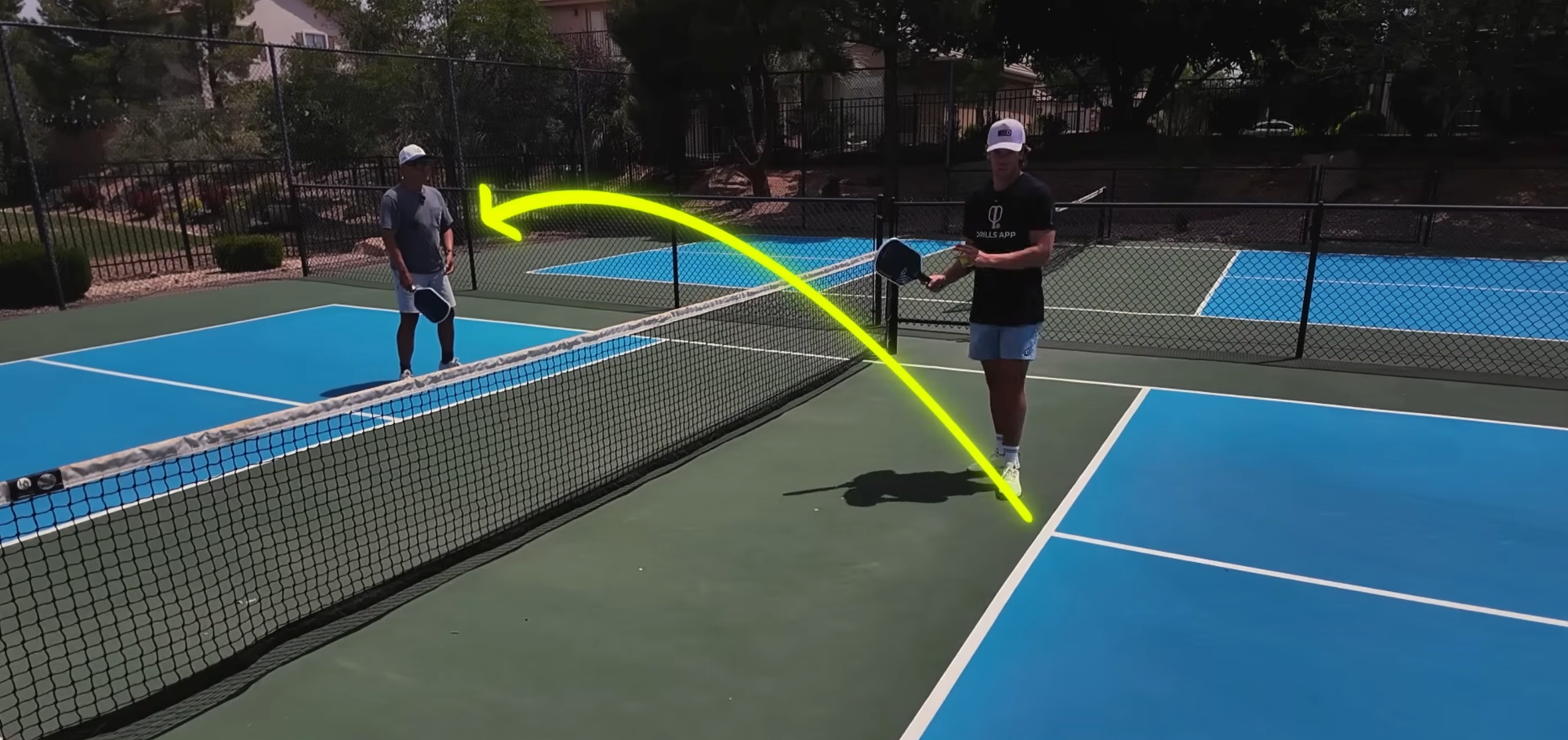
Watch the ball's trajectory over the net. Ideally, your dinks should clear the net by 6-12 inches at their highest point before dropping into the kitchen. If opponents are consistently stepping forward to attack your dinks, or if you notice balls floating rather than arcing downward, you're likely hitting them too high.