The overhead smash should be your ultimate weapon on the pickleball court - the shot that instantly ends rallies and leaves opponents scrambling. Yet most recreational players struggle to execute this powerful finishing move consistently, often missing golden opportunities to put points away.
Professional player and pickleball instructor Tanner Tomassi has identified three critical errors that plague amateur overhead smashes. Understanding and correcting these mistakes can transform your overhead from a liability into a devastating court weapon.
The Foundation: Proper Positioning and Footwork
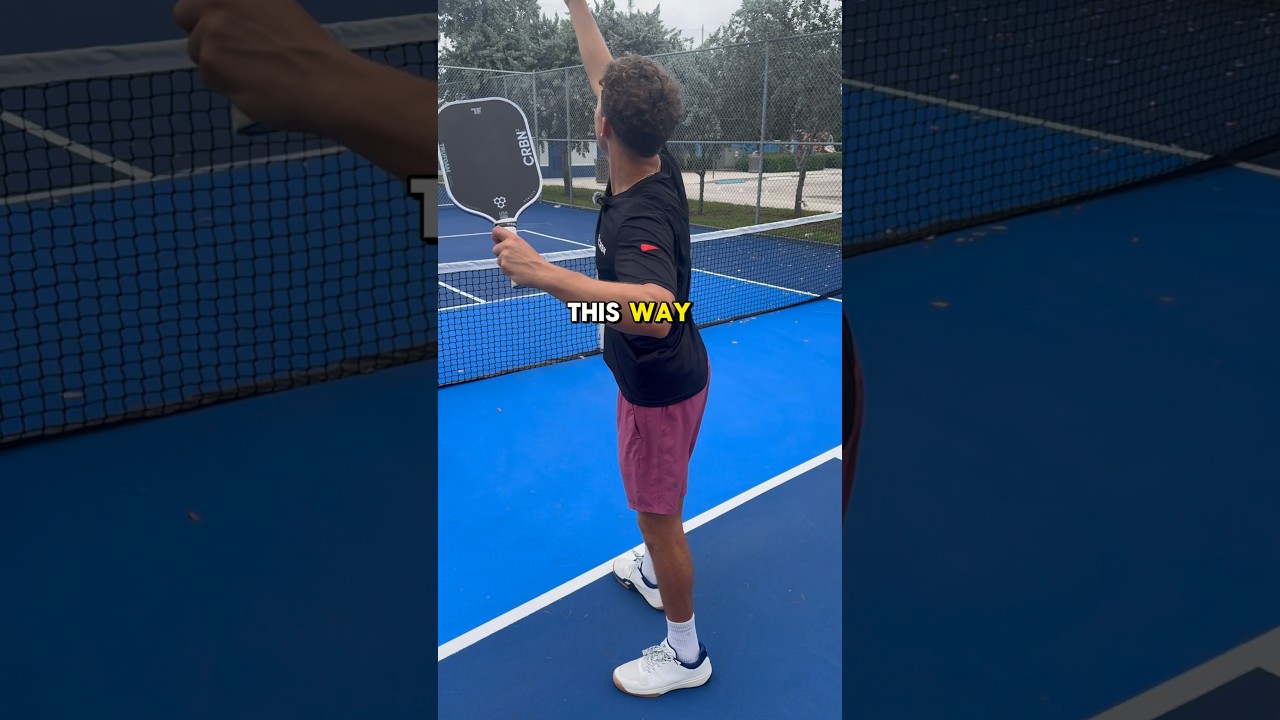
The first major error involves positioning and footwork. Many players attempt overhead smashes while moving forward or standing directly under the ball, which severely limits power and accuracy.
The key is establishing proper court position before making contact. Move your feet to get behind the ball, allowing you to step into the shot with your opposite foot. This creates a stable base and enables you to generate maximum power through proper weight transfer.
Think of the overhead smash like a tennis serve - you need space between yourself and the ball to create the optimal swing path. Standing too close eliminates your ability to use proper mechanics and often results in weak, poorly placed shots.
Grip and Racket Preparation
The second common mistake involves grip pressure and racket preparation. Many players grip their paddle too tightly and fail to prepare their racket early enough, leading to rushed, off-balance shots.
Maintain a relaxed grip pressure throughout the motion, similar to holding a bird - firm enough to maintain control, but loose enough to allow natural wrist action. This relaxed grip enables better feel and more consistent contact.
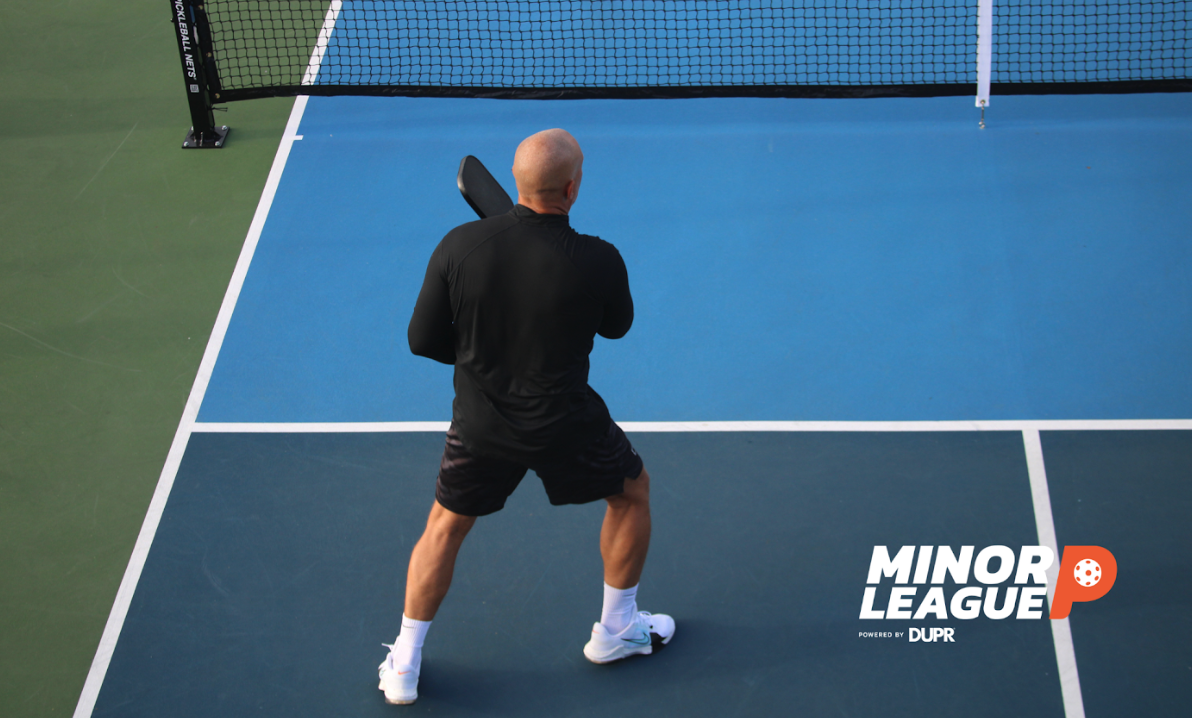
Prepare your paddle early by getting it back as soon as you recognize the lob coming your way. The earlier you prepare, the more time you have to set up properly and execute a smooth, controlled swing.
Contact Point and Follow-Through
The third critical error involves contact point and follow-through. Players often make contact too late or too early, and they frequently cut their follow-through short, reducing both power and control.
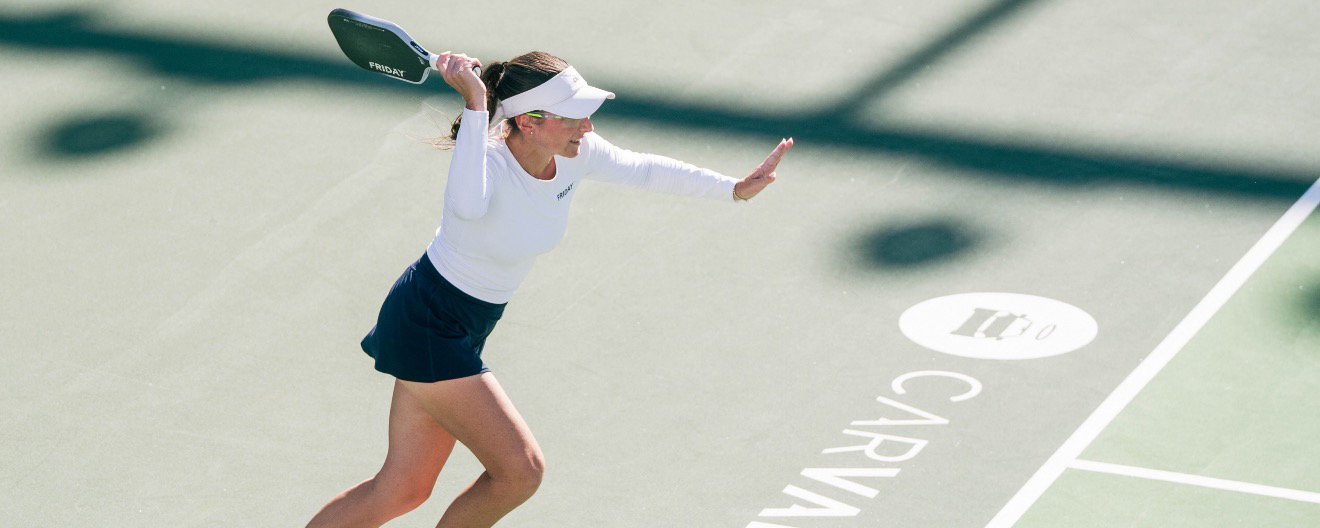
The ideal contact point is slightly in front of your body and at full arm extension. This positioning allows you to hit down on the ball while maintaining balance and control. Making contact behind your body or with a bent arm significantly reduces your ability to direct the ball effectively.
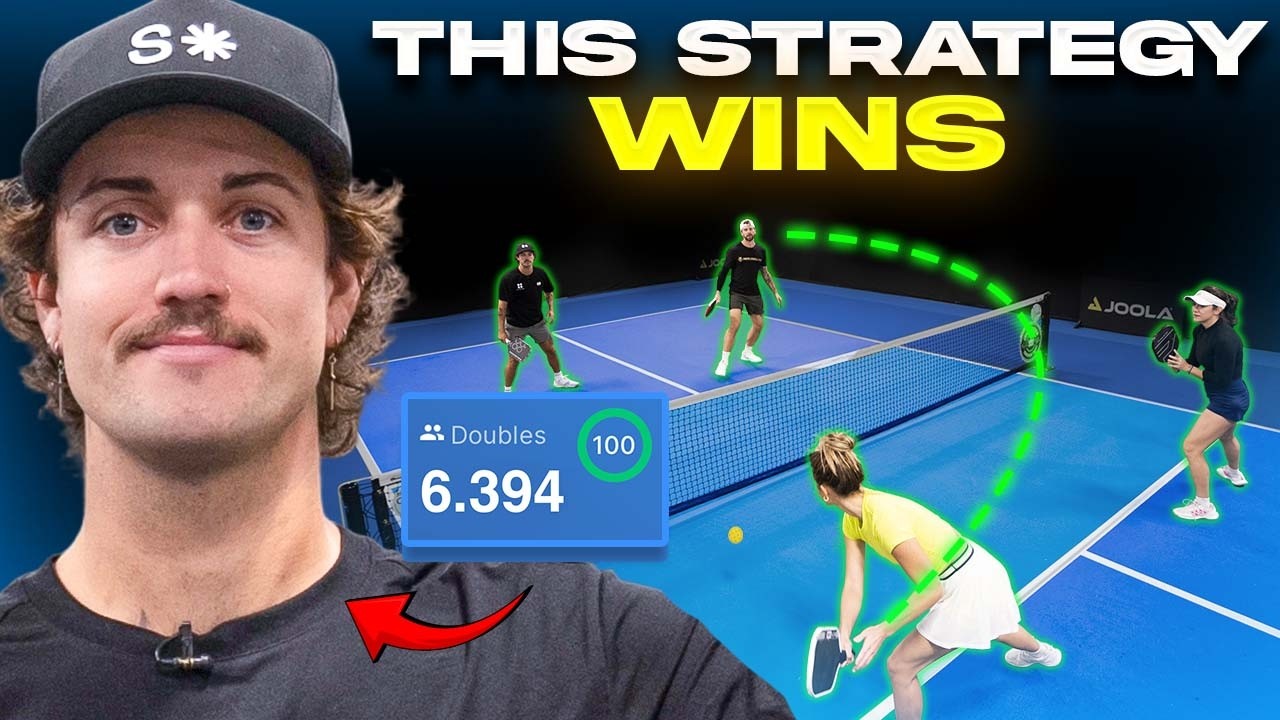
Complete your follow-through by allowing your paddle to continue naturally across your body. A full follow-through ensures maximum power transfer and helps with accuracy. Many players stop their swing abruptly at contact, which wastes energy and creates inconsistent results.
Strategic Shot Placement
Beyond technique, successful overhead smashes require smart shot selection and placement. Don't always aim for the hardest possible shot - sometimes a well-placed, medium-speed overhead is more effective than an all-out power attempt.
Consider hitting your overhead smash to the opponent's backhand side or into the open court space. Varying your placement keeps opponents guessing and prevents them from anticipating your strategy.
Also, remember that not every high ball deserves an overhead smash. If the ball isn't high enough or if you're out of position, consider a defensive lob or drop shot instead of forcing a poor overhead attempt.
Practice Drills for Improvement
Improving your overhead smash requires deliberate practice. Start by having a partner feed you consistent lobs while you focus on proper footwork and positioning. Gradually increase the pace and vary the placement as your technique improves.
Practice shadow swings without a ball to groove the proper motion and timing. This helps build muscle memory for the correct swing path and follow-through.
Work on your overhead smash during warm-up sessions, not just during competitive play. This allows you to focus on technique without the pressure of winning points.
Frequently Asked Questions
How hard should I swing on an overhead smash?
Focus on timing and placement rather than maximum power. A well-timed, properly placed overhead at 80% effort is far more effective than an all-out swing that sacrifices accuracy and control.
What should I do if the lob is too low for an overhead smash?
If the ball isn't high enough for a proper overhead, consider hitting a high backhand or forehand drive instead. Forcing a low overhead often results in hitting the ball into the net or setting up your opponent for an easy return.
Where should I aim my overhead smash?
Target the opponent's feet or the open court space. Avoid hitting directly at players, as this can be dangerous and may result in an easy block return. Mix up your placement to keep opponents guessing.