The kitchen line is where pickleball points are won and lost. While many players focus on keeping the ball in play, the most successful competitors know exactly when and how to attack from the non-volley zone line.
There are three fundamental attacking strategies that separate recreational players from serious competitors. Each technique serves a specific purpose and requires different timing, positioning, and execution. Master these approaches, and you'll find yourself controlling rallies instead of just surviving them.
The Speed-Up: Your Primary Offensive Weapon
The speed-up is the most commonly used attacking shot at the kitchen line, and for good reason. This technique involves hitting a hard, low shot directly at your opponents, forcing them into a defensive position or creating an error.
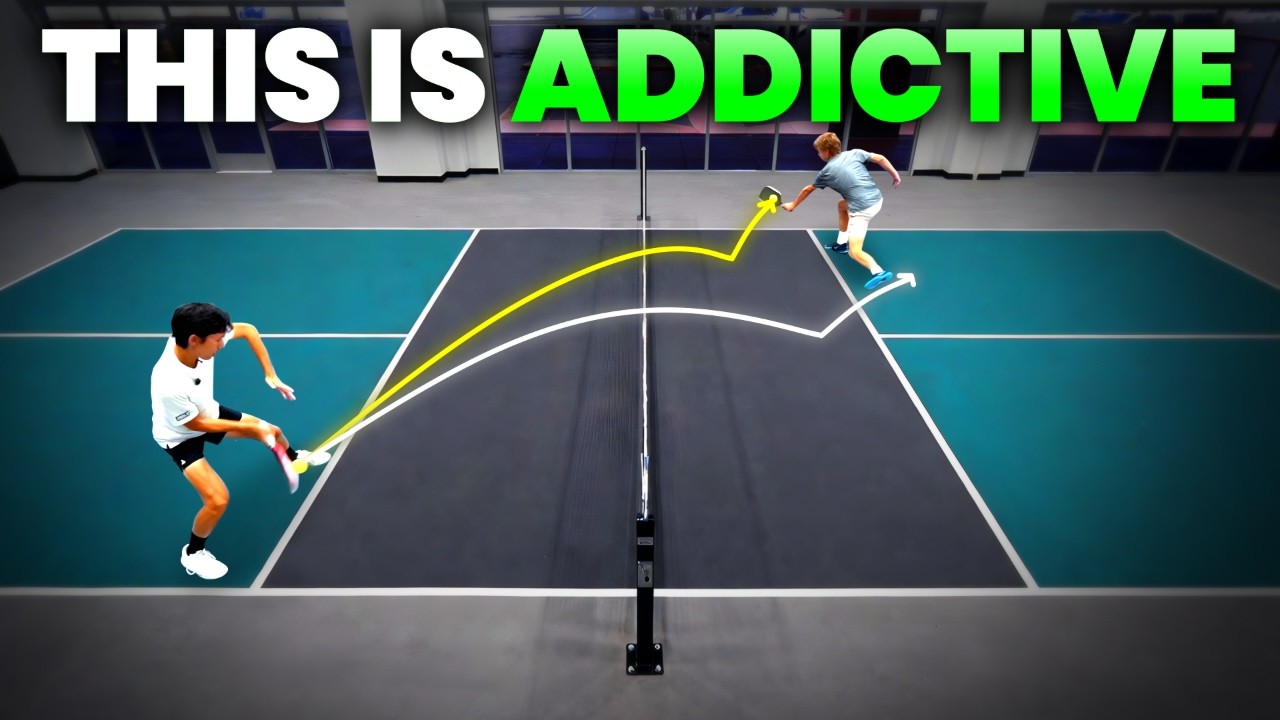
The key to an effective speed-up lies in timing and target selection. Wait for a ball that bounces higher than the net, then drive it aggressively at your opponent's body or backhand side. The goal isn't necessarily to hit a winner, but to create pressure that leads to a weak return you can capitalize on.
Most players make the mistake of speed-up attempts on balls that are too low or too far away. This results in shots that either hit the net or sail long, giving away easy points. Instead, be patient and wait for the right opportunity – a ball that sits up nicely and allows you to maintain good form while generating power.
The Air Attack: Aggressive Net Play
The air attack involves reaching forward into the kitchen to take balls out of the air before they bounce. This aggressive technique catches opponents off guard and allows you to maintain offensive momentum.
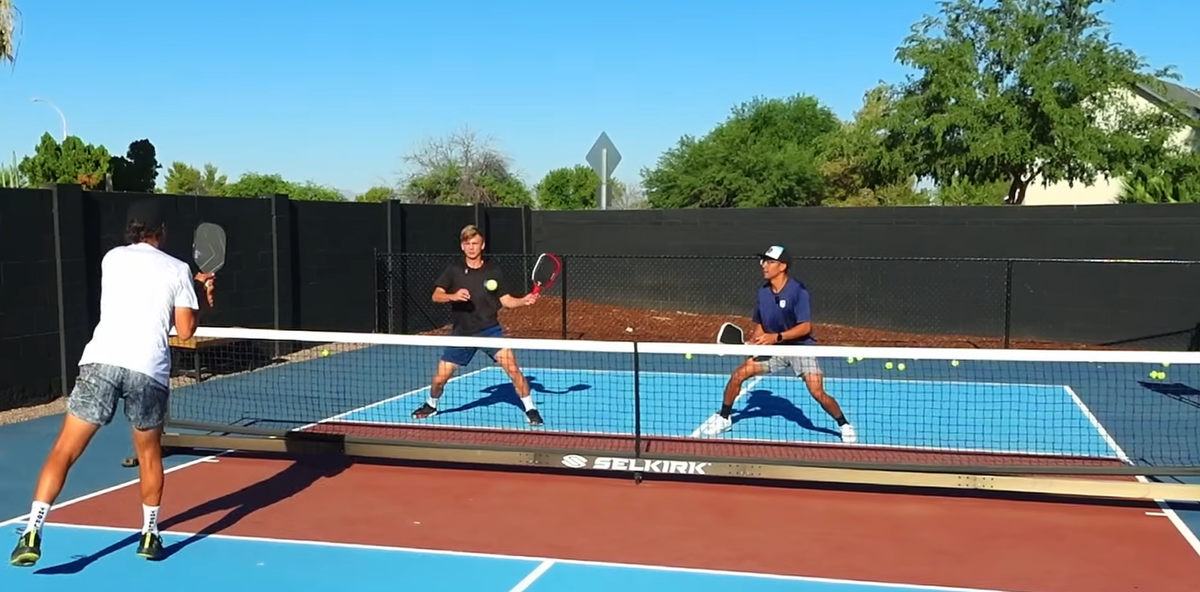
Successful air attacks require excellent footwork and timing. You must establish your position behind the kitchen line, then step forward into the non-volley zone only when making contact with the ball. Any ground contact while inside the kitchen results in a fault.
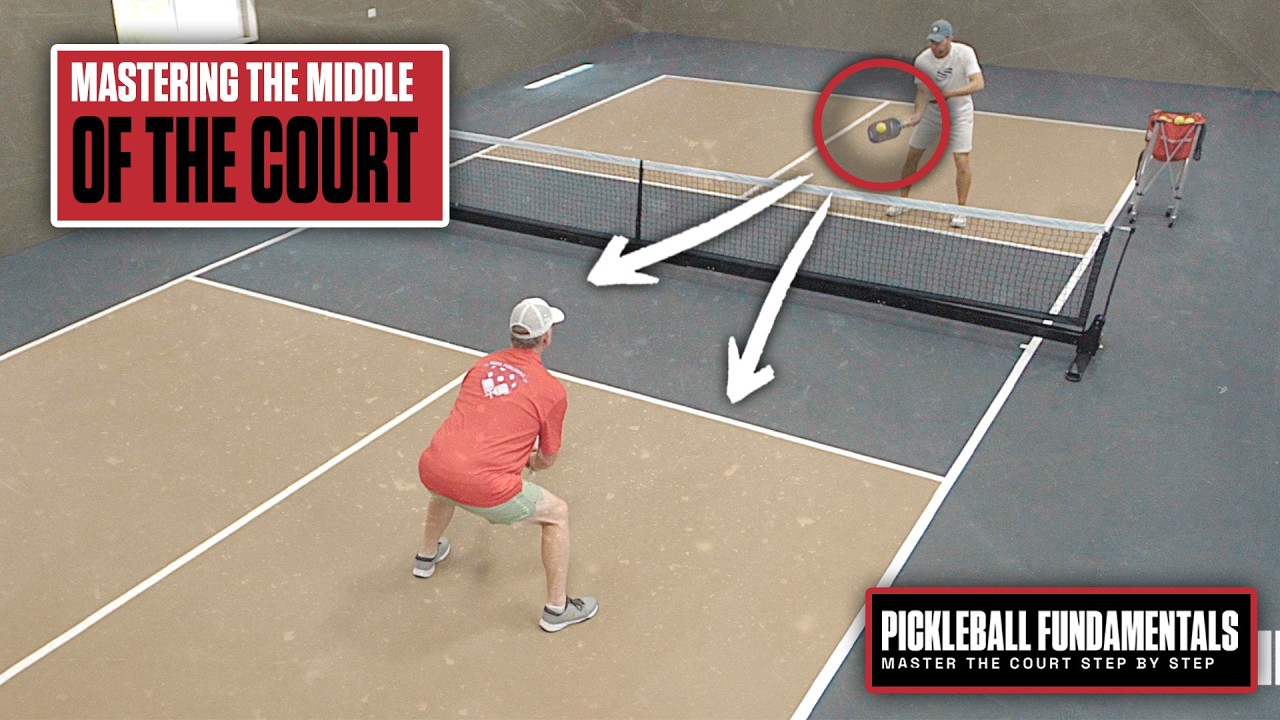
The most effective air attacks target the middle of the court between your opponents or aim for sharp angles that are difficult to retrieve. This technique works best when your opponents are hitting soft dinks that float through the air, giving you time to move forward and intercept.
Footwork Fundamentals for Air Attacks
Proper footwork makes the difference between a successful air attack and a kitchen fault. Start with both feet planted behind the line, step into the kitchen with your lead foot as you make contact, then immediately step back to legal territory.
The Controlled Aggression Approach
Not every attacking opportunity calls for maximum power or aggressive net rushes. The third attacking strategy involves controlled aggression – hitting with increased pace and purpose while maintaining consistency and placement.
This approach works particularly well against opponents who struggle with pace changes. You're not trying to end the point immediately, but rather applying steady pressure that accumulates over the course of a rally. Each shot pushes your opponents slightly more out of position or forces them to handle slightly more pace than they're comfortable with.
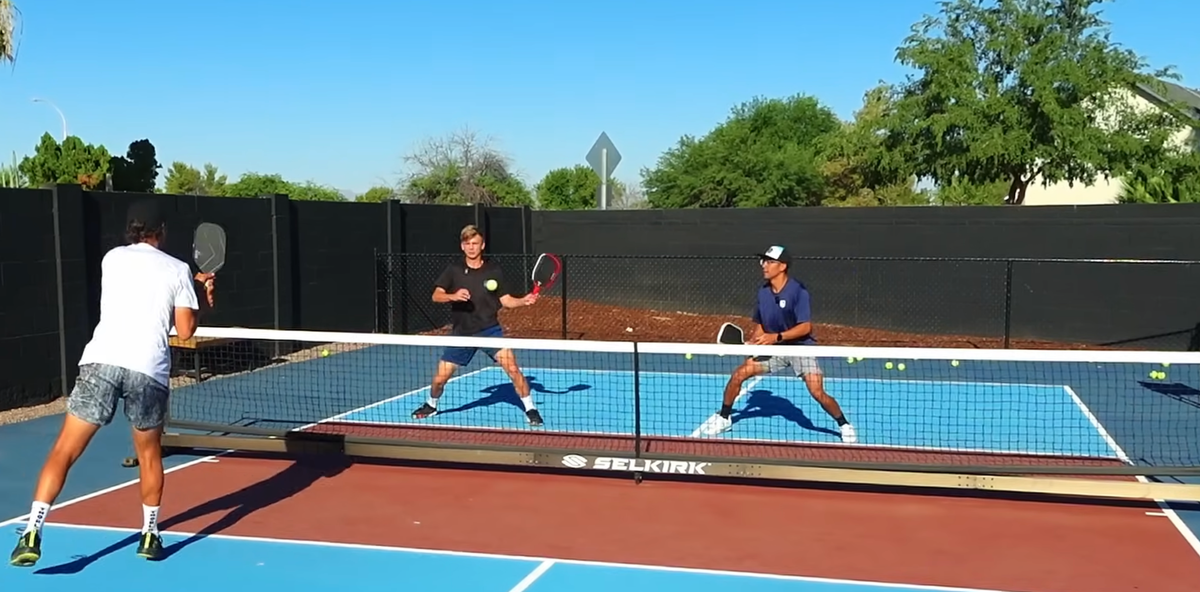
Controlled aggression often proves more effective than all-out attacking shots because it maintains a higher success rate while still applying pressure. You're essentially turning up the heat gradually rather than going for the immediate knockout punch.
When to Deploy Each Strategy
Knowing which attacking technique to use depends on several factors: the height and location of the incoming ball, your position on the court, and your opponents' positioning and tendencies.
Use speed-ups when balls bounce above net height and you have good balance and positioning. Deploy air attacks when opponents hit floating balls and you can legally move into the kitchen. Apply controlled aggression when you want to maintain pressure without taking excessive risks.
The most successful players seamlessly blend all three approaches, keeping opponents guessing about which type of attack is coming next. This unpredictability creates mental pressure that often proves as valuable as the physical execution of the shots themselves.
Frequently Asked Questions
What's the biggest mistake players make when attacking at the kitchen line?
The most common error is attempting to attack balls that are too low or hit from poor positioning. Players should be patient and wait for attackable balls rather than forcing aggressive shots that result in unforced errors.
How can I improve my success rate with kitchen line attacks?
Focus on shot selection first, technique second. Choose your attacking opportunities wisely, ensuring you have good balance and the ball is in an attackable position. Practice all three techniques regularly to build muscle memory and confidence.
Should I always look to attack when I'm at the kitchen line?
No, attacking should be situational. Sometimes the best strategy is to dink patiently until a better attacking opportunity presents itself. Forced attacks often result in errors or weak shots that give opponents easy counter-attack opportunities.