Contrast Training for Pickleball: Build Power That Wins
Why Contrast Training is a Game-Changer for Pickleball Players
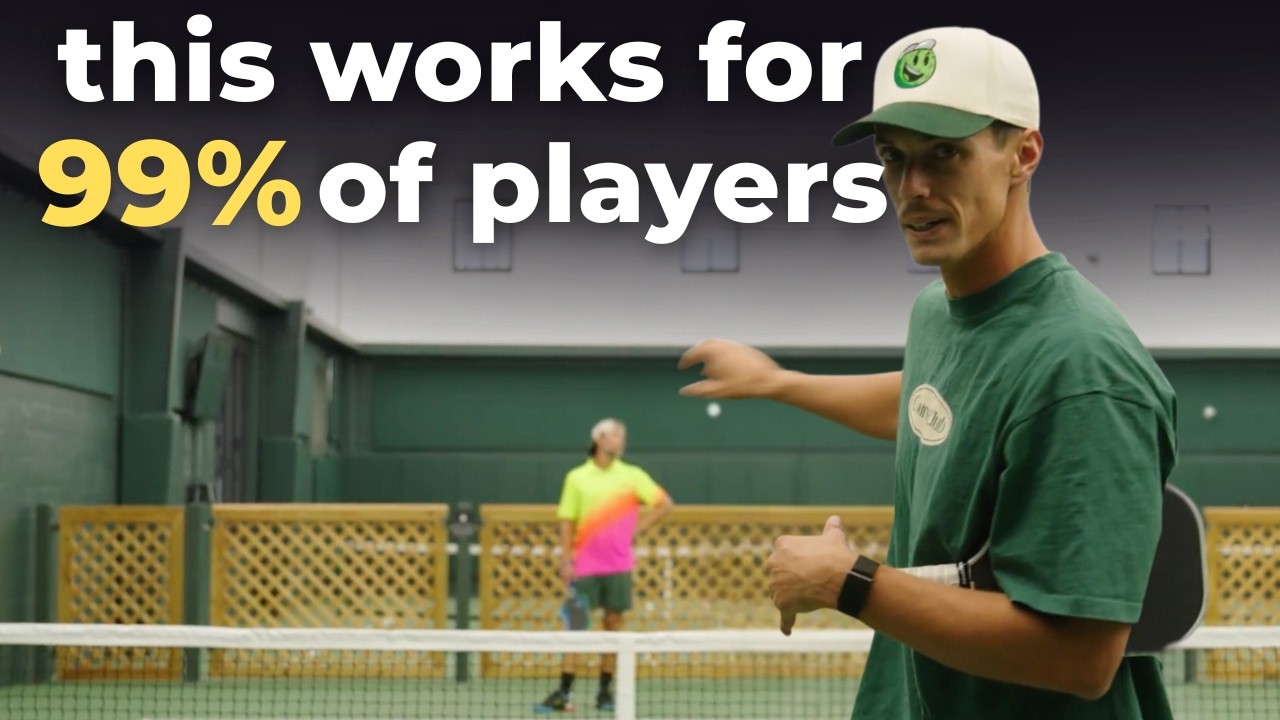
The difference between recreational players and competitive athletes often comes down to one crucial element: purposeful training. Connor Derrickson from That Pickleball Trainer has been advocating for a specific training method that's transforming how players approach their fitness—contrast training.
Contrast training combines heavy strength work with explosive power movements in the same workout session. This method isn't just another fitness trend; it's a scientifically-backed approach that develops the exact type of strength and power pickleball players need on the court.
Understanding Contrast Training for Pickleball
At its core, contrast training pairs a high-load, slow movement with a low-load, explosive movement targeting similar muscle groups. For pickleball players, this translates to improved reaction time, more powerful shots, and better court coverage.
The principle works by first recruiting maximum motor units through heavy resistance, then immediately channeling that neural activation into explosive movements. This creates what exercise physiologists call "post-activation potentiation"—essentially priming your nervous system for peak power output.
Key Benefits for Pickleball Performance
Contrast training offers several advantages specifically relevant to pickleball:
- Enhanced court speed: Quick directional changes and sprint starts become more explosive
- Increased shot power: Both forehand and backhand drives gain velocity without sacrificing control
- Improved reaction time: Neural adaptations help you respond faster to opponents' shots
- Better injury prevention: Stronger muscles and tendons handle the stress of quick movements more effectively
Implementing Contrast Training in Your Routine
A typical contrast training session for pickleball players might include these pairings:
Lower Body Power Development
Pairing 1: Heavy Squats + Jump Squats
Perform 3-5 heavy back squats at 85-90% of your max, immediately followed by 5-8 explosive jump squats. This combination develops the leg drive essential for powerful shots and quick court positioning.
Pairing 2: Romanian Deadlifts + Broad Jumps
Heavy Romanian deadlifts strengthen the posterior chain, while broad jumps translate that strength into horizontal power—crucial for reaching wide shots.
Upper Body Power Integration
Pairing 3: Bench Press + Medicine Ball Throws
Heavy bench pressing builds foundational strength, while explosive medicine ball throws develop the rapid force production needed for powerful groundstrokes and volleys.
Pairing 4: Pull-ups + Explosive Cable Rows
This combination strengthens the pulling muscles used in backhand shots while developing the quick muscle activation patterns essential for defensive play.
Programming Guidelines for Optimal Results
Successful contrast training requires careful attention to programming variables:
Frequency and Recovery
Limit contrast training to 2-3 sessions per week, allowing at least 48 hours between sessions. The high neural demands require adequate recovery to maintain quality and prevent overtraining.
Rest Intervals
Rest 10-15 seconds between the strength and power exercises within each pairing, then take 3-4 minutes between complete pairings. This timing optimizes the post-activation potentiation effect while allowing sufficient recovery.
Periodization Considerations
Integrate contrast training during your off-season and early season preparation. As tournaments approach, reduce the volume while maintaining the neural benefits through lighter contrast work.
Measuring Your Progress
Track improvements through both gym metrics and on-court performance indicators. Monitor increases in your explosive exercise performance (jump height, medicine ball throw distance) alongside court-based assessments like sprint times and shot velocity.
Remember that neural adaptations often occur before visible strength gains, so improvements in court performance may precede obvious changes in your gym numbers.
Frequently Asked Questions
How long before I see improvements in my pickleball game?
Most players notice improved explosiveness and power within 3-4 weeks of consistent contrast training. Neural adaptations happen quickly, but allow 6-8 weeks for significant strength gains that translate to sustained court performance improvements.
Can beginners use contrast training safely?
Beginners should establish a solid strength base before attempting contrast training. Focus on mastering proper movement patterns and building foundational strength for 8-12 weeks before progressing to contrast methods.
Should I do contrast training on the same days as pickleball practice?
Avoid contrast training on the same day as intense pickleball sessions. The high neural demands can impair skill practice quality. Schedule contrast workouts on separate days or at least 4-6 hours apart from court time.