The short hop technique stands as one of pickleball's most crucial yet overlooked skills. While recreational players often struggle with timing and positioning in the midcourt, advanced competitors use this technique to maintain control and create offensive opportunities during high-pressure transitions.
What Is the Short Hop in Pickleball?
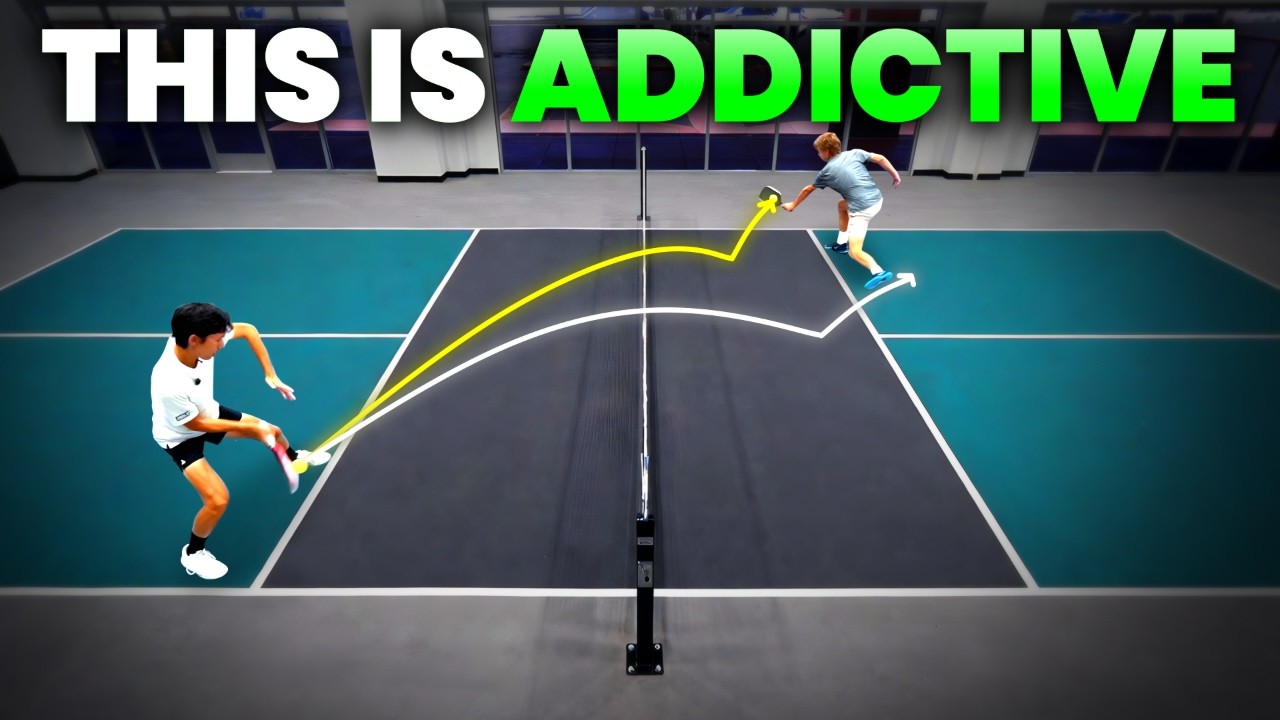
The short hop involves hitting the ball immediately after it bounces, catching it at its lowest point before it rises. This technique allows players to take time away from opponents while maintaining better control than attempting to play balls out of the air or letting them rise to shoulder height.
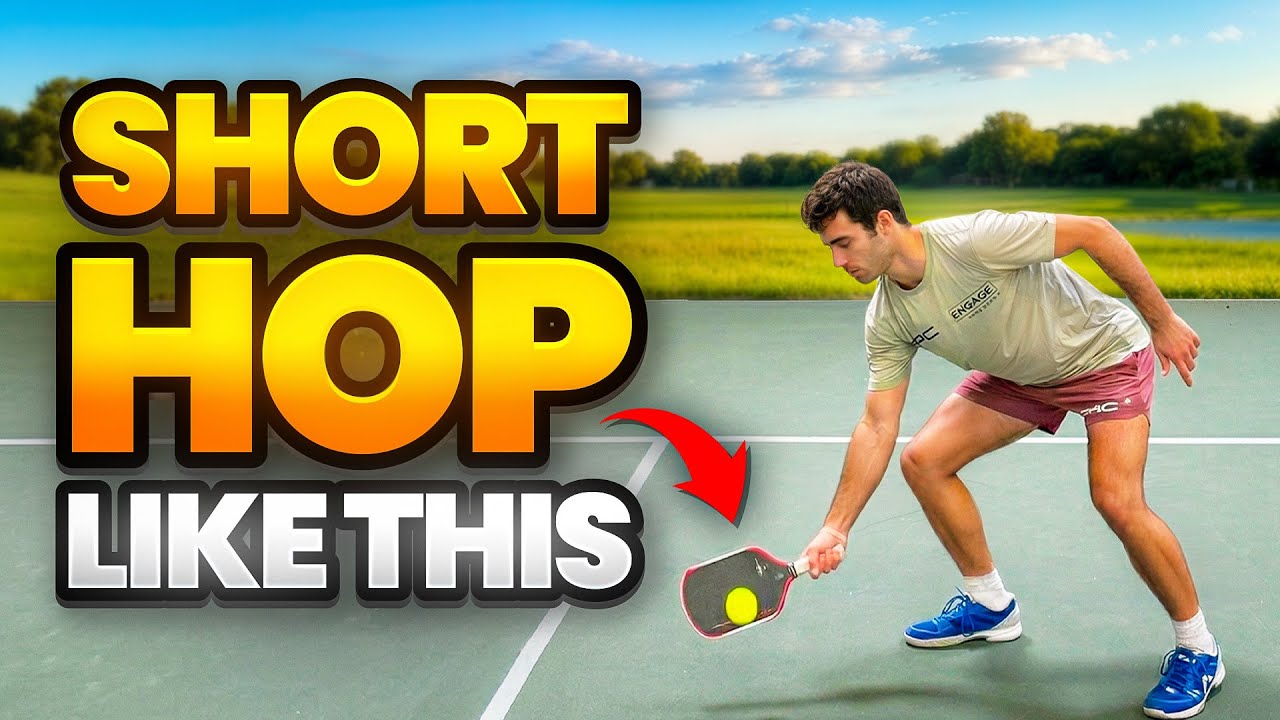
Unlike traditional groundstrokes where players wait for the optimal bounce height, short hopping requires precise timing and positioning. The technique proves especially valuable when transitioning from the baseline to the non-volley zone, where split-second decisions determine point outcomes.
Why the Short Hop Separates Good from Great Players
Advanced players understand that pickleball success depends on controlling the pace and positioning during transitions. The short hop technique provides several competitive advantages:
Superior Court Position
By taking balls early, players can continue moving forward rather than being pushed back by aggressive opponents. This forward momentum proves crucial for reaching the coveted position at the non-volley line.
Reduced Reaction Time for Opponents
Short hopping eliminates the time opponents expect when hitting deep shots. This compressed timeline often forces errors or weak returns that create offensive opportunities.
Consistent Contact Point
Taking balls at their lowest point after the bounce creates a more predictable contact zone compared to waiting for varying bounce heights on different court surfaces.
Essential Technique Components
Footwork and Positioning
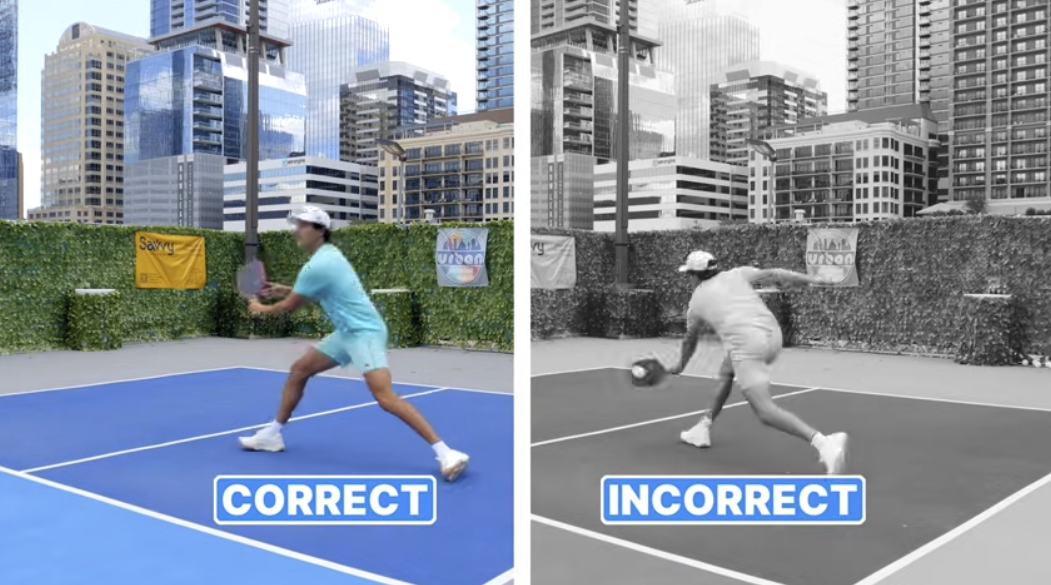
Successful short hopping begins with exceptional footwork. Players must read the incoming ball early and position themselves to arrive at the contact point as the ball reaches its lowest trajectory post-bounce.
The key lies in taking smaller, controlled steps rather than large strides that might cause overshoot. Maintain a slightly wider stance than normal to provide better balance when hitting from this compressed position.
Paddle Preparation
Keep your paddle preparation compact and efficient. The shortened time frame doesn't allow for elaborate backswings. Instead, focus on a controlled, abbreviated preparation that emphasizes placement over power.
Contact and Follow-Through
Make contact with a firm wrist and abbreviated follow-through. The goal centers on controlling the ball's direction and depth rather than generating maximum pace. Think "punch" rather than "swing" when executing the short hop.
When to Use the Short Hop
The short hop technique proves most effective in specific game situations:
- Transition shots: When moving from baseline to net position
- Deep drives: Against opponents trying to push you back with pace
- Serve returns: On hard, deep serves that require immediate forward movement
- Defensive situations: When under pressure but needing to maintain court position
Common Short Hop Mistakes
Many players struggle with short hop execution due to these frequent errors:
Late positioning: Failing to read the ball early enough to arrive in proper position. This forces players to reach or make awkward contact.
Overhitting: Attempting to generate too much pace instead of focusing on placement and control.
Poor timing: Making contact too early (while ball is still descending) or too late (after the ball begins rising significantly).
Practice Drills for Short Hop Mastery
Develop your short hop technique through targeted practice:
Wall Practice: Stand close to a wall and practice short hopping balls that bounce off at various angles.
Partner Feeding: Have a partner feed balls to your midcourt area while you practice the timing and footwork.
Transition Drilling: Combine short hop practice with forward movement to simulate game conditions.
Frequently Asked Questions
When should I choose short hopping over letting the ball rise?
Use the short hop when you need to maintain forward momentum, take time away from opponents, or when the ball is bouncing at an awkward height that would force you backward.
Is the short hop technique suitable for beginners?
While beginners can learn the concept, short hopping requires good timing and footwork. Focus on mastering basic groundstrokes first, then gradually incorporate short hop techniques as your skills develop.
How do I practice short hop timing?
Start with slower-paced balls and focus on reading the bounce early. Practice positioning yourself so you're in the right spot as the ball reaches its lowest point after bouncing.