The middle court in pickleball—known as the transition zone—is where most recreational players lose control of rallies. This critical area between the baseline and non-volley zone is often misunderstood, leading to forced errors and missed opportunities.
While beginners tend to avoid this space entirely, advanced players use it strategically to set up winning shots. The key to conquering this area lies in mastering the reset shot, a defensive technique that neutralizes aggressive attacks and regains court position.
Understanding the Transition Zone Challenge
The transition zone presents unique difficulties because players must handle balls at various heights while moving forward. Unlike baseline exchanges or net volleys, shots in this area require split-second decisions about positioning and shot selection.
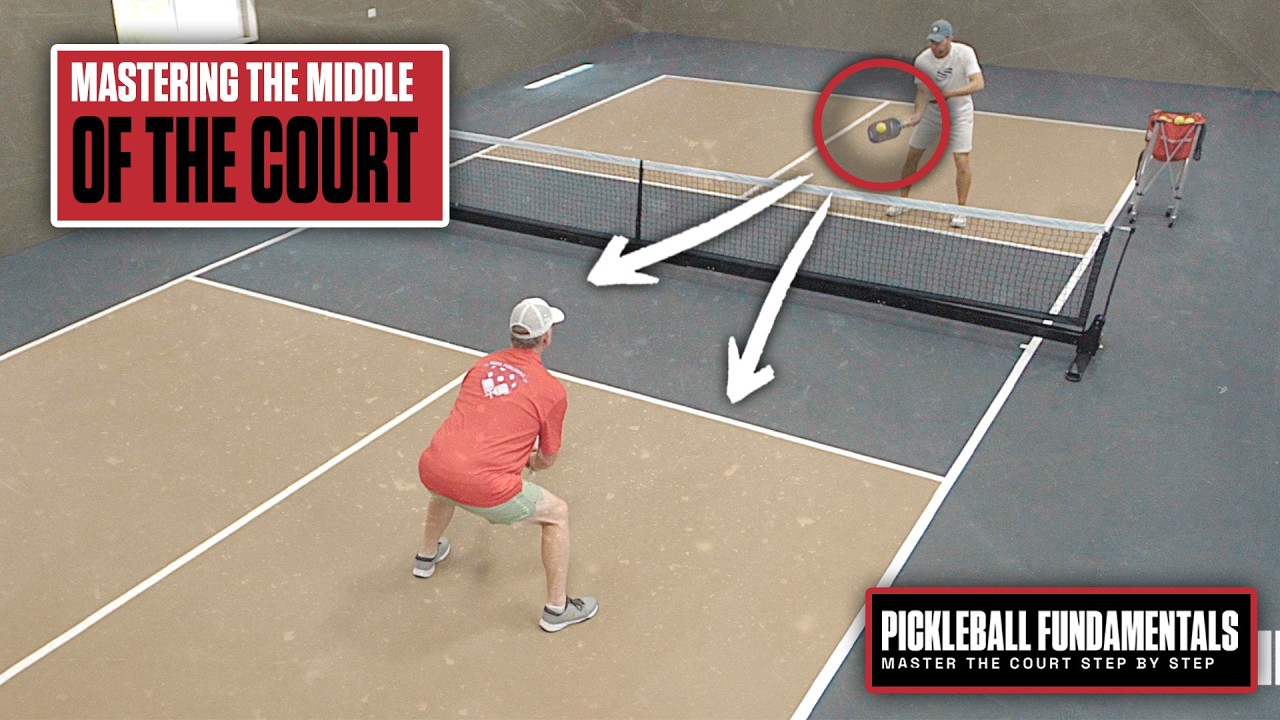
Most players make the mistake of rushing through this zone without establishing proper court position. This leads to weak returns that opponents can easily attack, creating a cycle of defensive play.
Common Transition Zone Mistakes
- Attempting aggressive shots from poor positions
- Moving too quickly without reading the ball trajectory
- Using improper paddle angles for mid-court shots
- Failing to communicate with partners in doubles play
The Reset Shot: Your Transition Zone Weapon
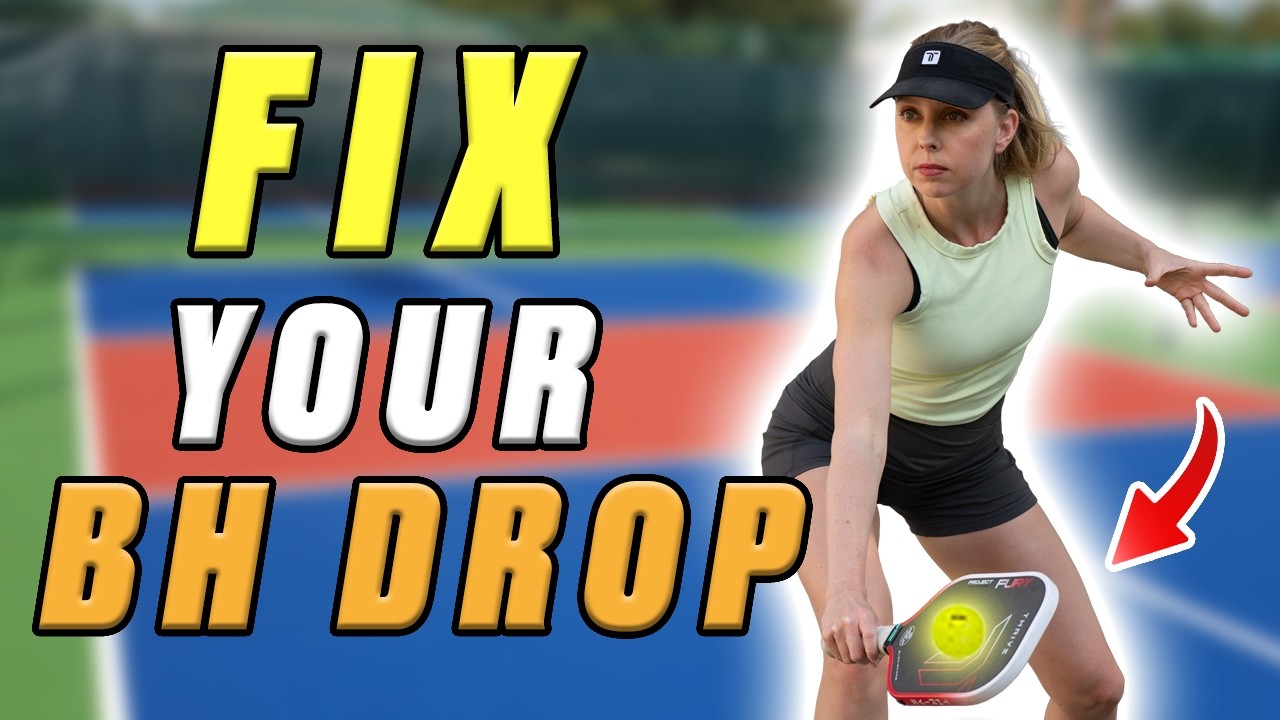
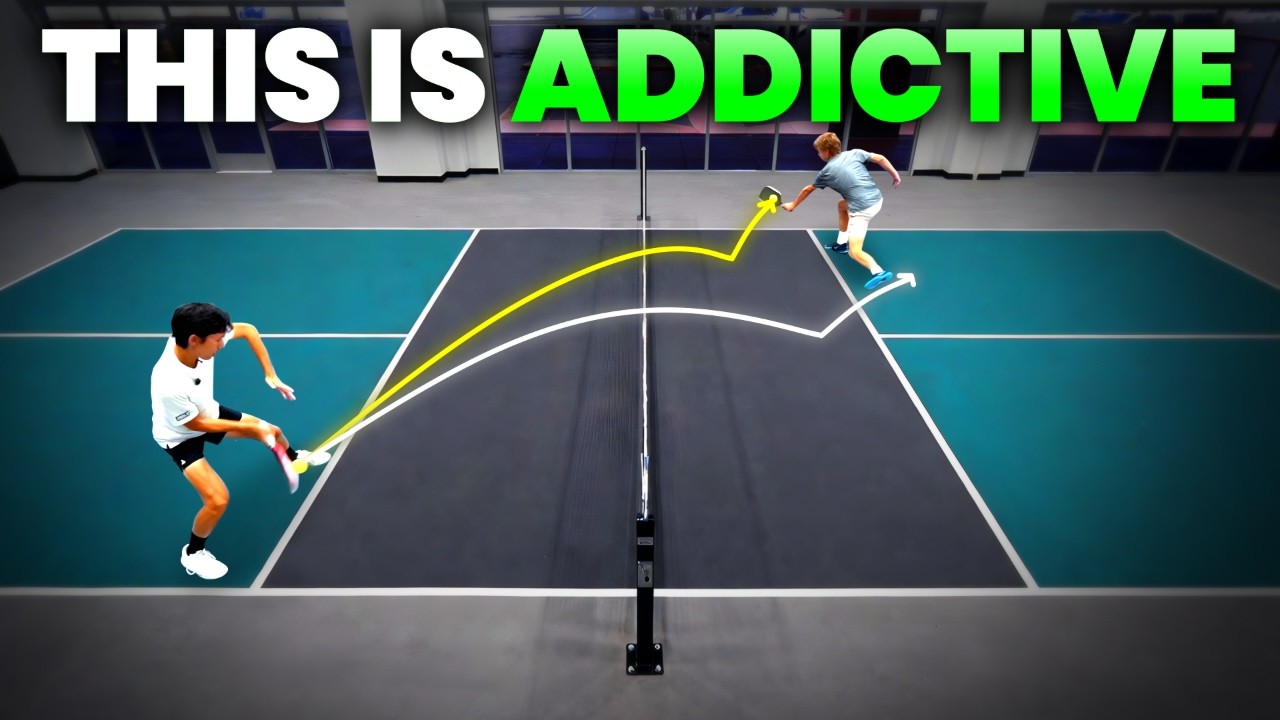
The reset shot is a controlled, soft shot that takes pace off aggressive drives and drops the ball into the non-volley zone. This technique allows you to neutralize opponents' attacks while positioning yourself for the next exchange.
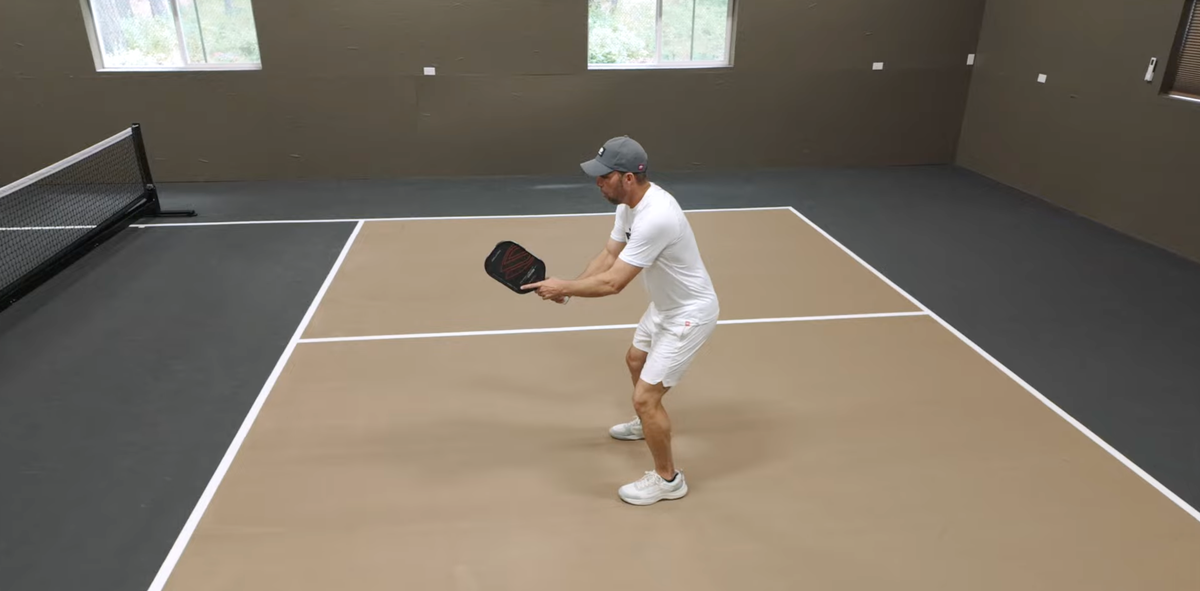
Proper reset shot execution requires three key elements: paddle positioning, body mechanics, and court awareness. The goal isn't to win the point immediately but to regain control of the rally.
Reset Shot Technique Breakdown
Paddle Preparation: Keep your paddle face slightly open and positioned in front of your body. Avoid excessive backswing, which reduces control and timing.
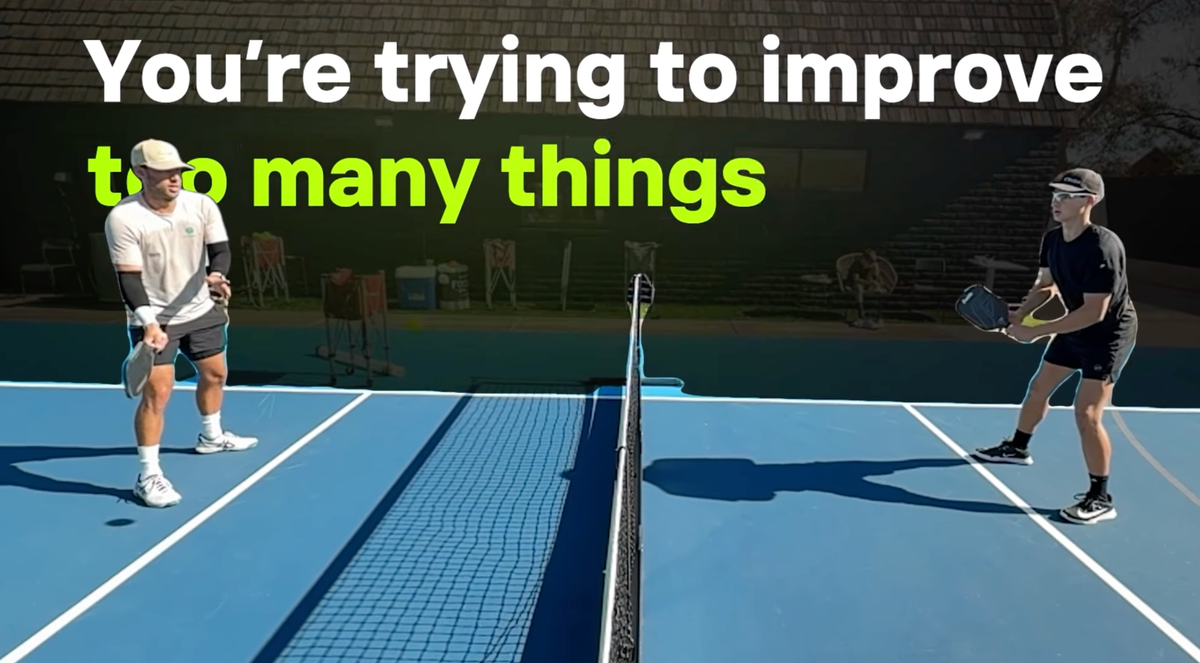
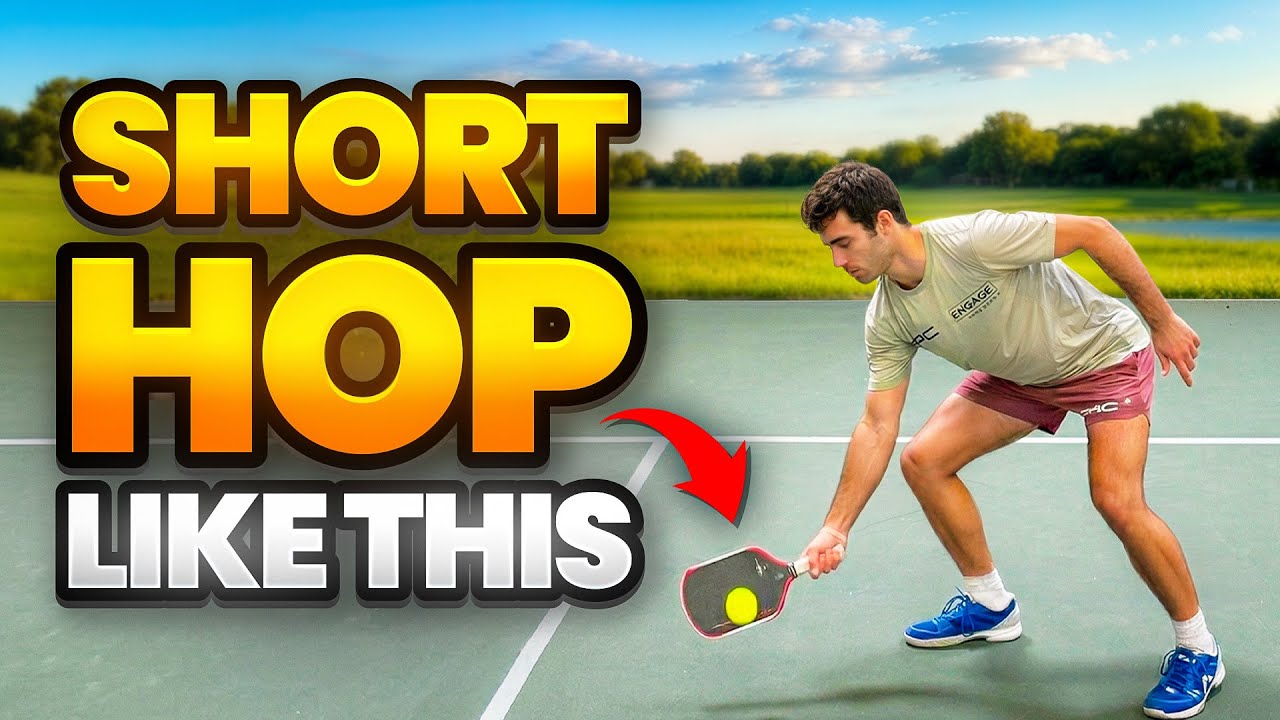
Contact Point: Meet the ball at waist height when possible, using a gentle upward motion to clear the net. Focus on consistency over power.
Follow Through: Finish with your paddle pointing toward your target in the kitchen, maintaining soft hands throughout the motion.
Strategic Positioning in the Transition Zone
Successful transition zone play requires understanding when to move forward and when to hold position. The key is reading your opponent's shot early and adjusting accordingly.
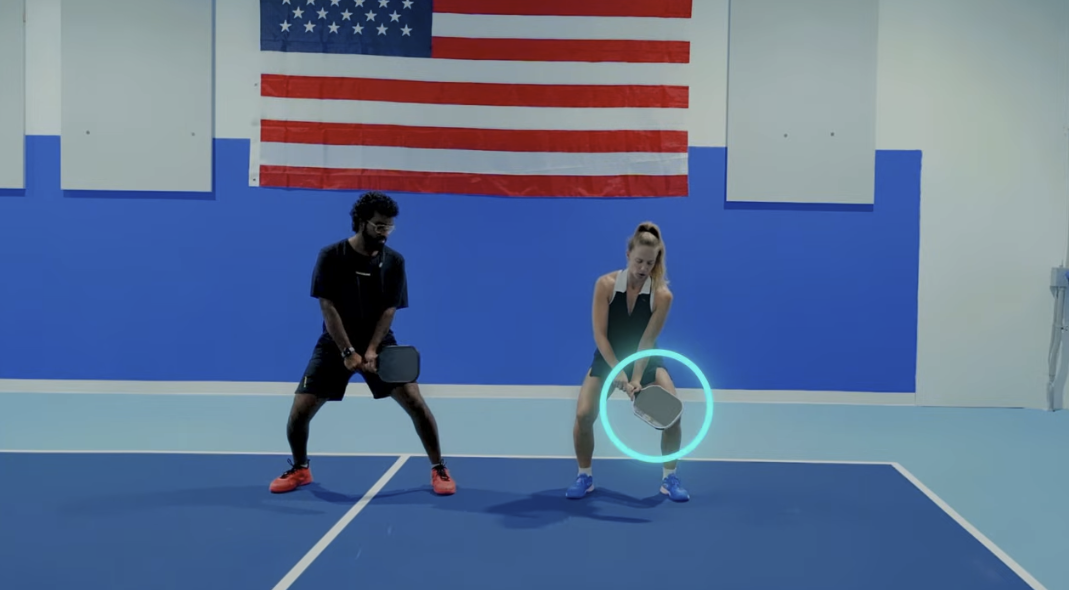
When receiving a hard drive, establish a stable base before attempting the reset. This might mean taking an extra step to get balanced rather than reaching for a difficult shot.
Movement Patterns That Work
Effective transition zone movement follows a stop-and-go pattern rather than continuous forward motion. Move between shots, then establish position before the next ball arrives.
In doubles play, coordinate with your partner to avoid leaving gaps in court coverage. One player should typically handle the reset while the other prepares for the next shot.
Practicing Reset Shot Consistency
Developing reliable reset shots requires specific practice drills that simulate game situations. Start with stationary exercises before adding movement and pressure.
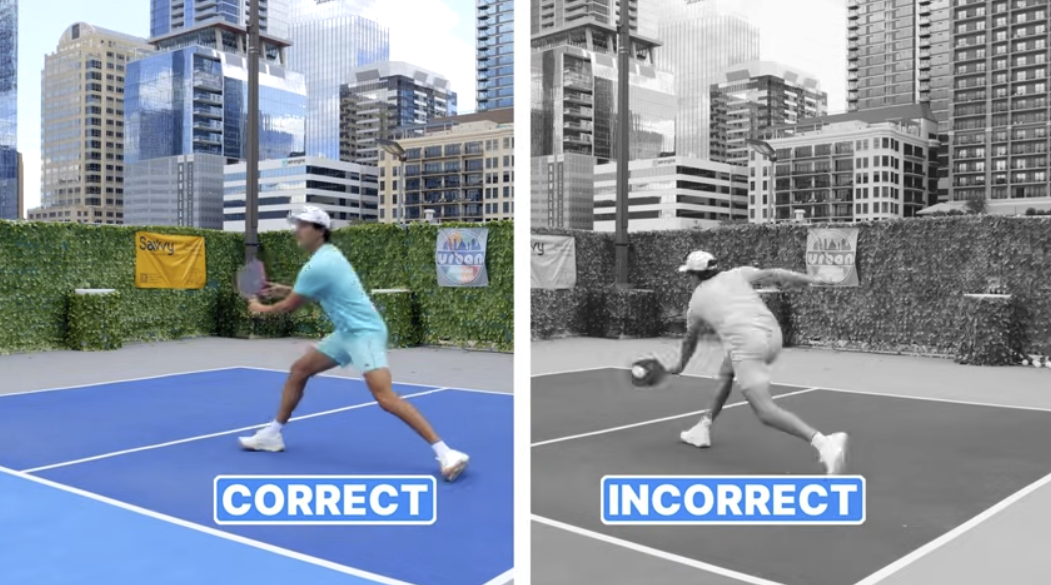
Have a partner feed you drives from the baseline while you practice resets from various transition zone positions. Focus on landing balls consistently in the kitchen rather than trying for winners.
Progressive Training Approach
Begin with slow-paced drives and gradually increase intensity as your consistency improves. Add lateral movement once you master the basic technique.
Practice from both forehand and backhand sides, as game situations will require resets from various court positions. Develop muscle memory through repetition.
Reading Your Opponent's Intentions
Advanced transition zone play involves anticipating opponent shots and positioning accordingly. Watch for visual cues like paddle preparation and body positioning.
When opponents consistently drive at your transition zone position, use this predictability to your advantage by preparing early for reset opportunities.
Frequently Asked Questions
How do I know when to use a reset shot versus attacking?
Use reset shots when the ball is below net height, you're off balance, or under pressure from aggressive opponents. Attack only when you have proper positioning and the ball is above net level.
What's the biggest mistake players make with reset shots?
The most common error is using too much force, trying to hit winners from defensive positions. Reset shots should prioritize placement and consistency over pace.
How long does it take to master transition zone play?
Most players see improvement within 2-4 weeks of focused practice, but true mastery requires months of consistent drilling and match play experience.