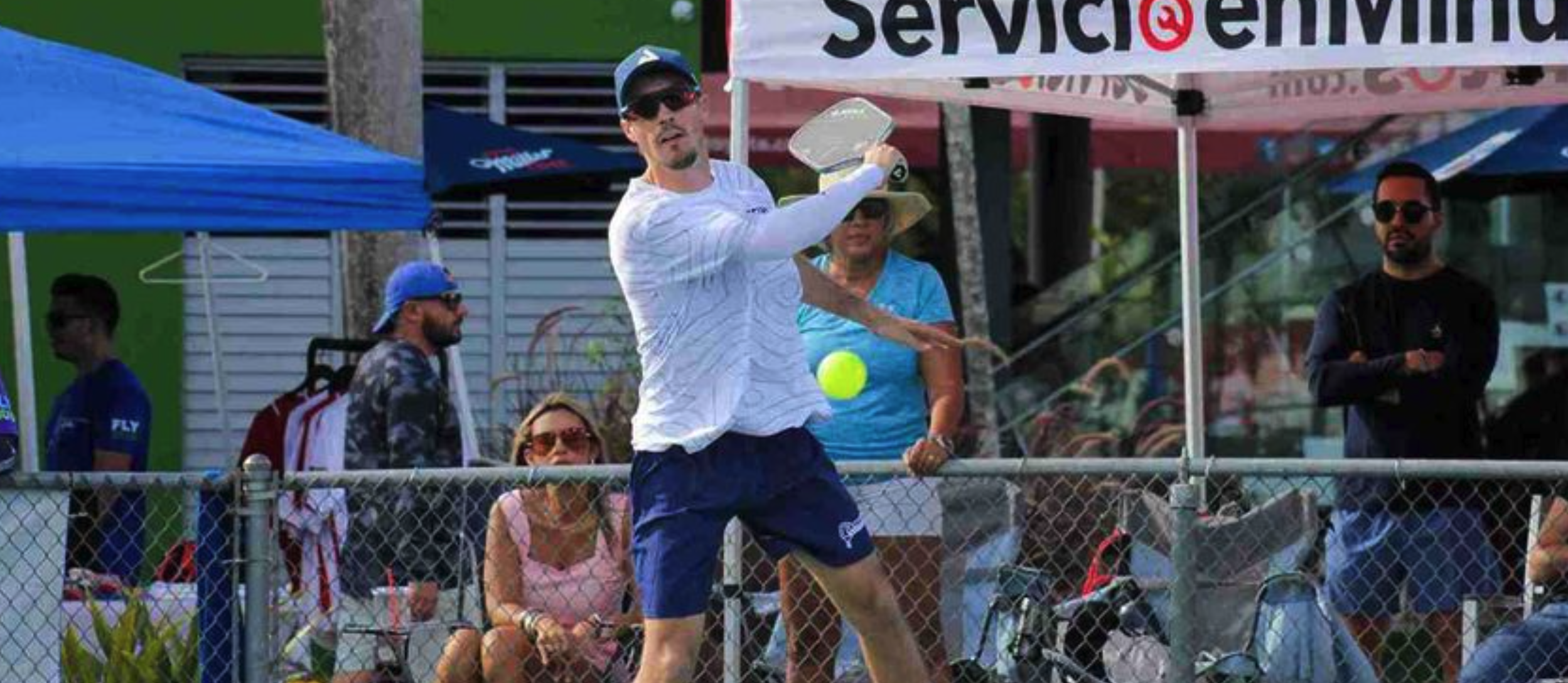
Every pickleball player knows the frustration: you're positioned perfectly at the kitchen line, ready to execute a soft dink, but instead of a controlled low shot, the ball sails high over the net, giving your opponent an easy put-away opportunity.
Popping up dinks isn't just a beginner's problem—it plagues players at all levels and can be the difference between winning and losing crucial points. The good news? This common mistake has identifiable causes and straightforward solutions.
Understanding Why Dinks Pop Up
Before diving into the fixes, it's essential to understand that popped-up dinks aren't random occurrences. They result from specific technical issues in your setup, paddle position, or timing. Recognizing these patterns is the first step toward consistent, controlled dinking.
Fix #1: Correct Your Paddle Face Angle
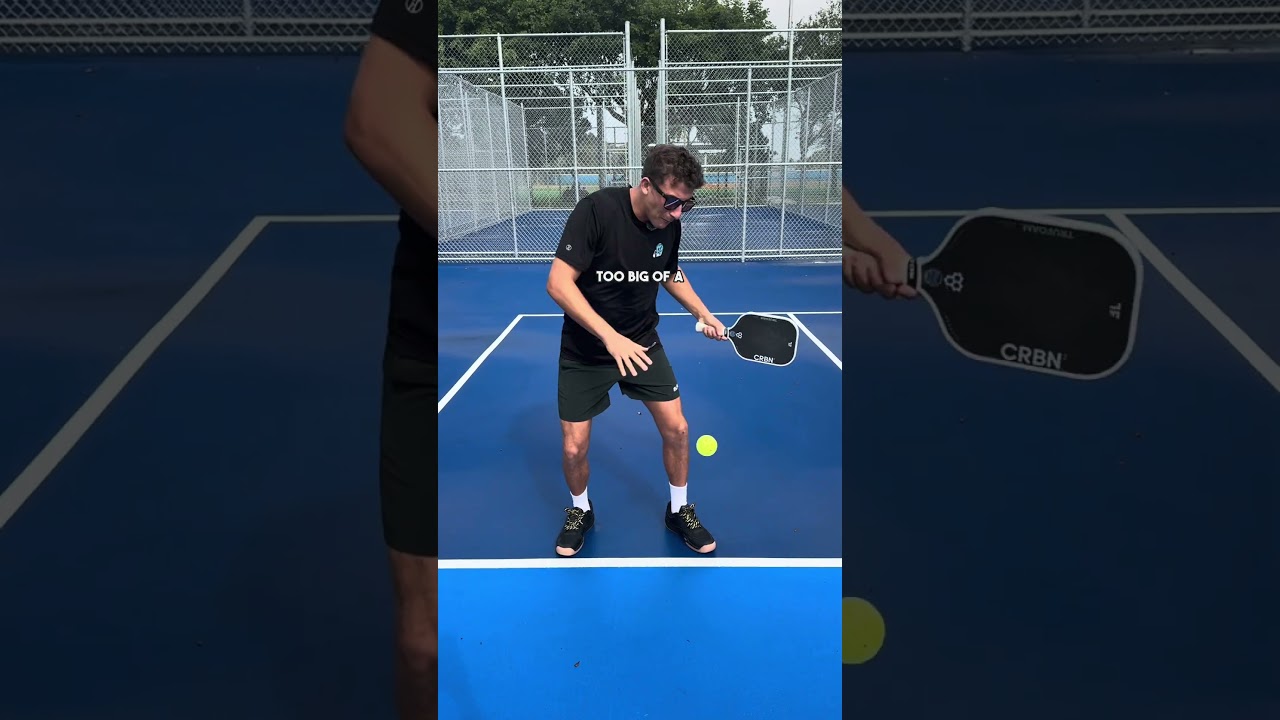
The most common culprit behind high dinks is an open paddle face at contact. When your paddle tilts back too much, it acts like a ramp, naturally sending the ball upward regardless of your swing path.
The Solution:
- Keep your paddle face slightly closed (tilted forward) at contact
- Think about "covering" the ball with your paddle
- Practice against a wall, focusing on keeping shots below knee height
- Check your grip—a continental grip naturally promotes better paddle face control
This adjustment alone can dramatically improve your dink consistency. Start with stationary practice, then gradually incorporate movement as the correct paddle position becomes automatic.
Fix #2: Improve Your Contact Point
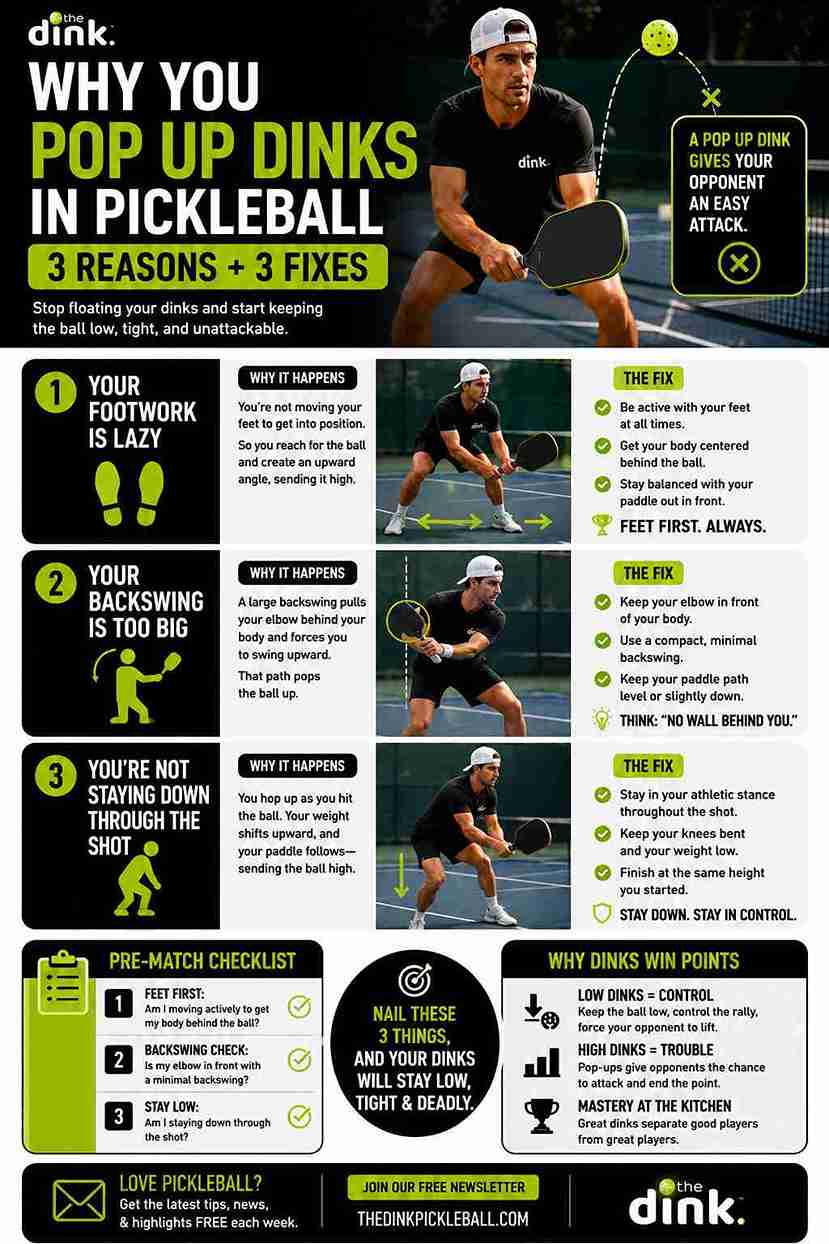
Many players make contact too late or too early, forcing compensatory movements that lead to inconsistent results. Late contact often occurs when players are caught off-guard or positioned poorly.
The Solution:
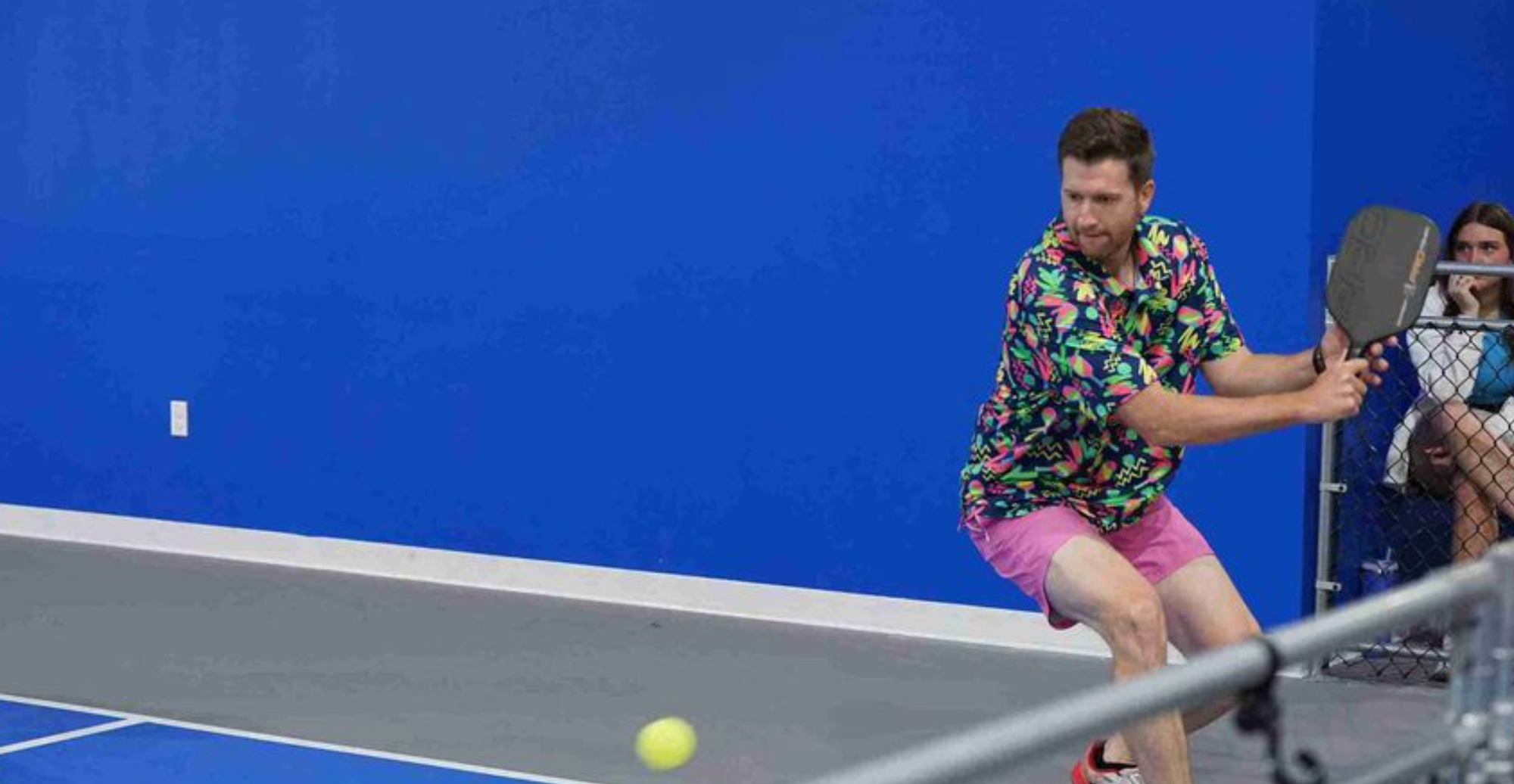
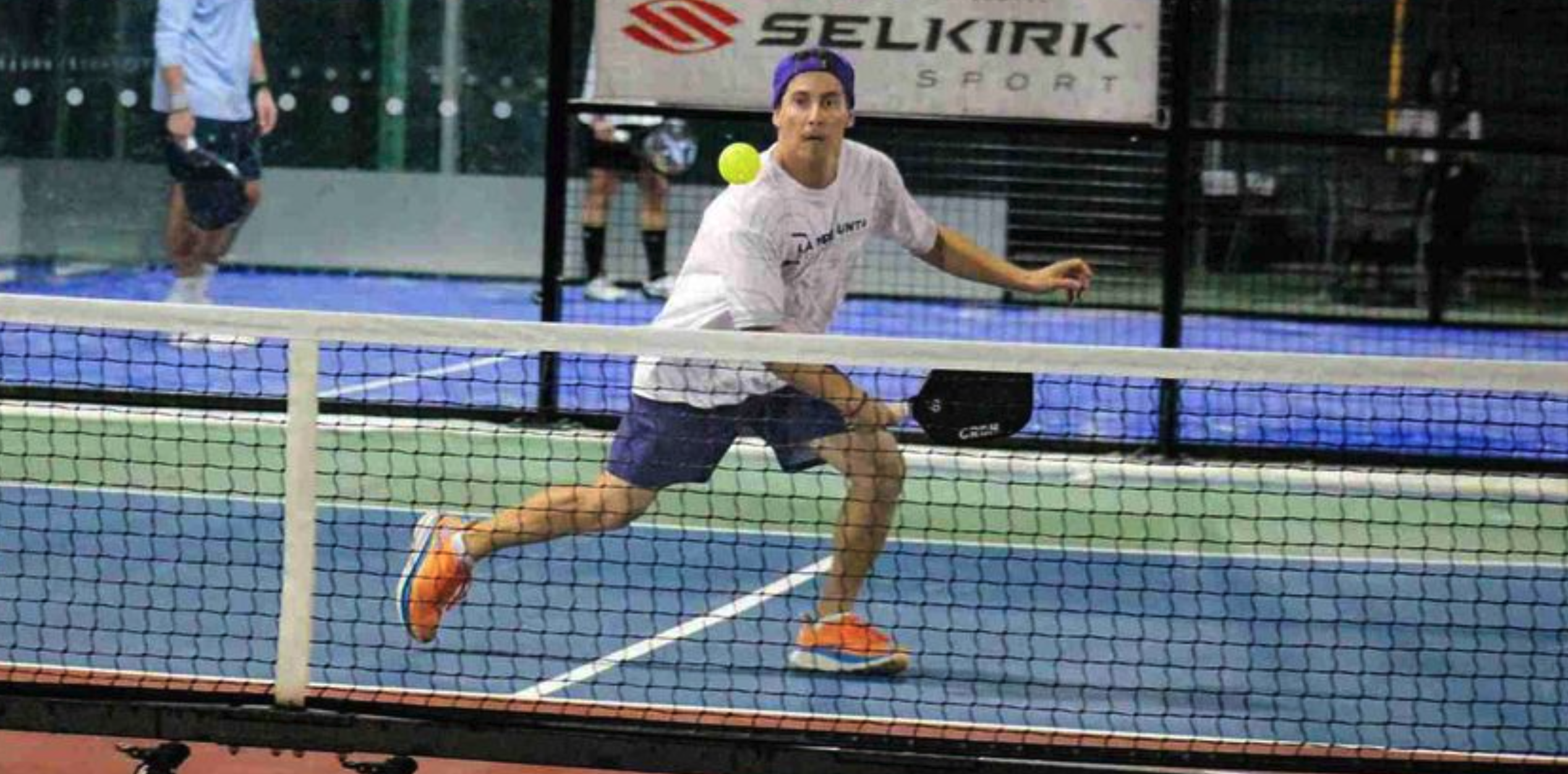
- Make contact in front of your body, ideally at thigh level
- Move your feet to get into proper position rather than reaching
- Keep your eye on the ball through contact
- Practice the "ready position" with knees bent and paddle out front
Proper contact point gives you maximum control and allows for consistent paddle face presentation. Focus on small, quick steps to maintain optimal positioning throughout rallies.
Fix #3: Control Your Swing Path and Follow-Through
Even with correct paddle face angle and contact point, an upward swing path will send your dinks high. Many players unconsciously lift the ball, especially under pressure.
The Solution:
- Use a slightly downward or level swing path
- Keep your follow-through low and forward, not up
- Think "push" rather than "lift" when contacting the ball
- Practice with a target zone just over the net to develop feel
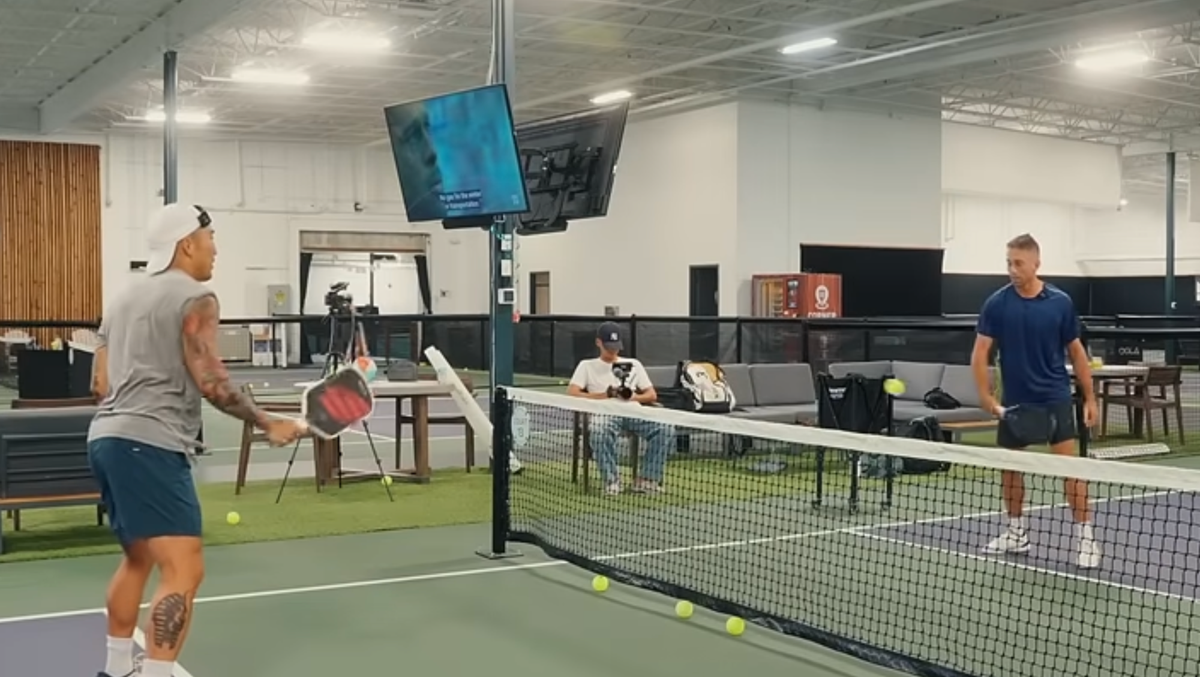
The key is developing touch and feel for the shot. Start with slower-paced dinking and gradually increase intensity while maintaining control.
Putting It All Together
These three fixes work synergistically. A closed paddle face, proper contact point, and controlled swing path combine to produce consistently low, controlled dinks that keep you in points and create offensive opportunities.
Practice these elements separately at first, then integrate them into live play. Remember that muscle memory takes time to develop, so be patient with the process. Focus on one element at a time during practice sessions, then gradually combine them as each becomes more natural.
Consistent dinking is foundational to advanced pickleball strategy. Master these fundamentals, and you'll find yourself winning more points through patient construction and precise placement rather than giving away easy opportunities through unforced errors.
Frequently Asked Questions
How long does it take to fix a popped-up dink problem?
With focused practice, most players see improvement within 2-3 weeks. However, developing consistent muscle memory for proper technique typically takes 1-2 months of regular practice and play.
Should I practice dinking drills alone or with a partner?
Both are valuable. Solo practice against a wall helps develop proper paddle face control and swing path, while partner drills simulate game conditions and improve timing and positioning under pressure.
What's the ideal height for a good dink shot?
The best dinks clear the net by 6-12 inches and land in the opponent's kitchen. Focus on consistent height rather than trying to hit perfect shots every time—consistency beats perfection in dinking rallies.