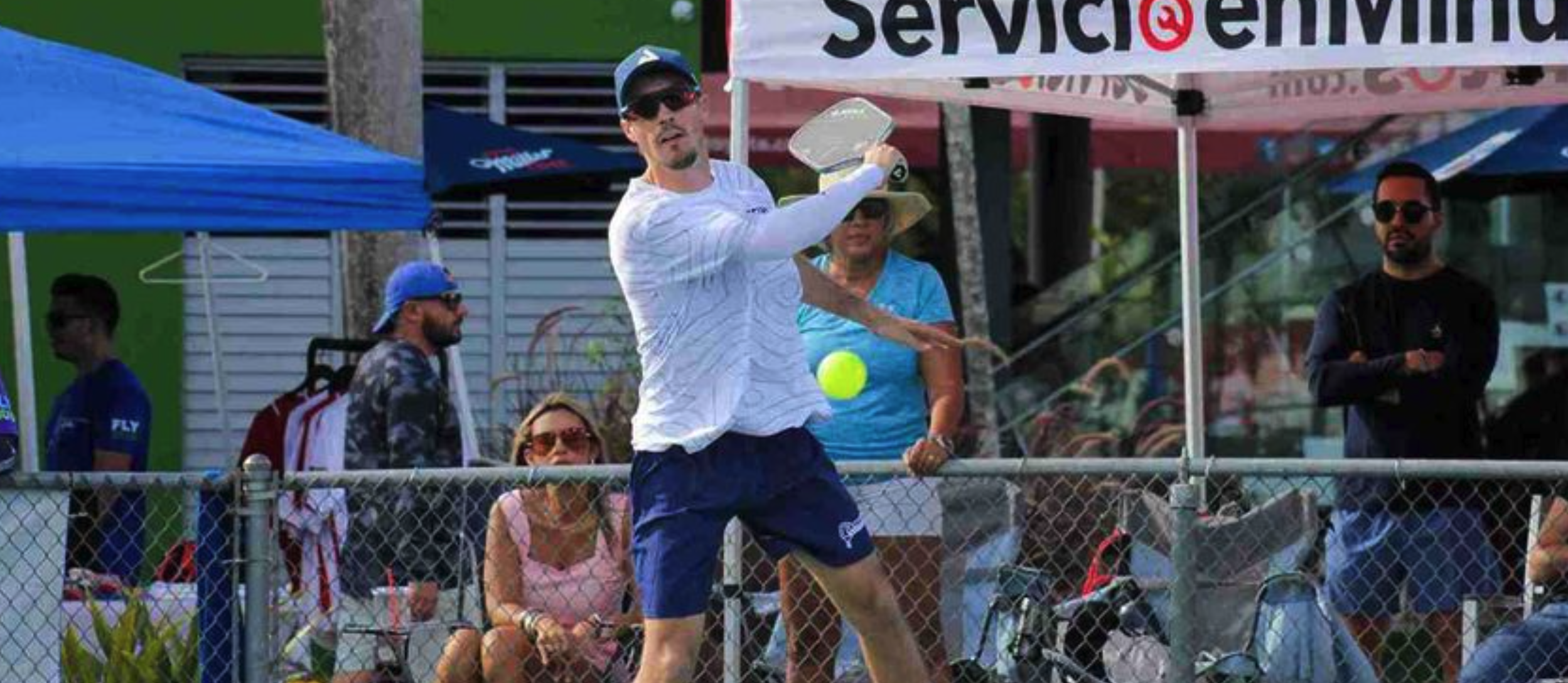
The difference between pickleball players who excel under pressure and those who fall apart isn't found in their equipment or even their technical skills—it's all mental. While countless players spend hours perfecting their serves and third shot drops, they completely neglect the psychological aspect that often determines match outcomes.
Mental toughness in pickleball is a trainable skill, yet most recreational and competitive players leave it to chance. The players who come back from significant deficits, who perform their best when the stakes are highest, have developed specific mental strategies that keep them locked in throughout the entire match.
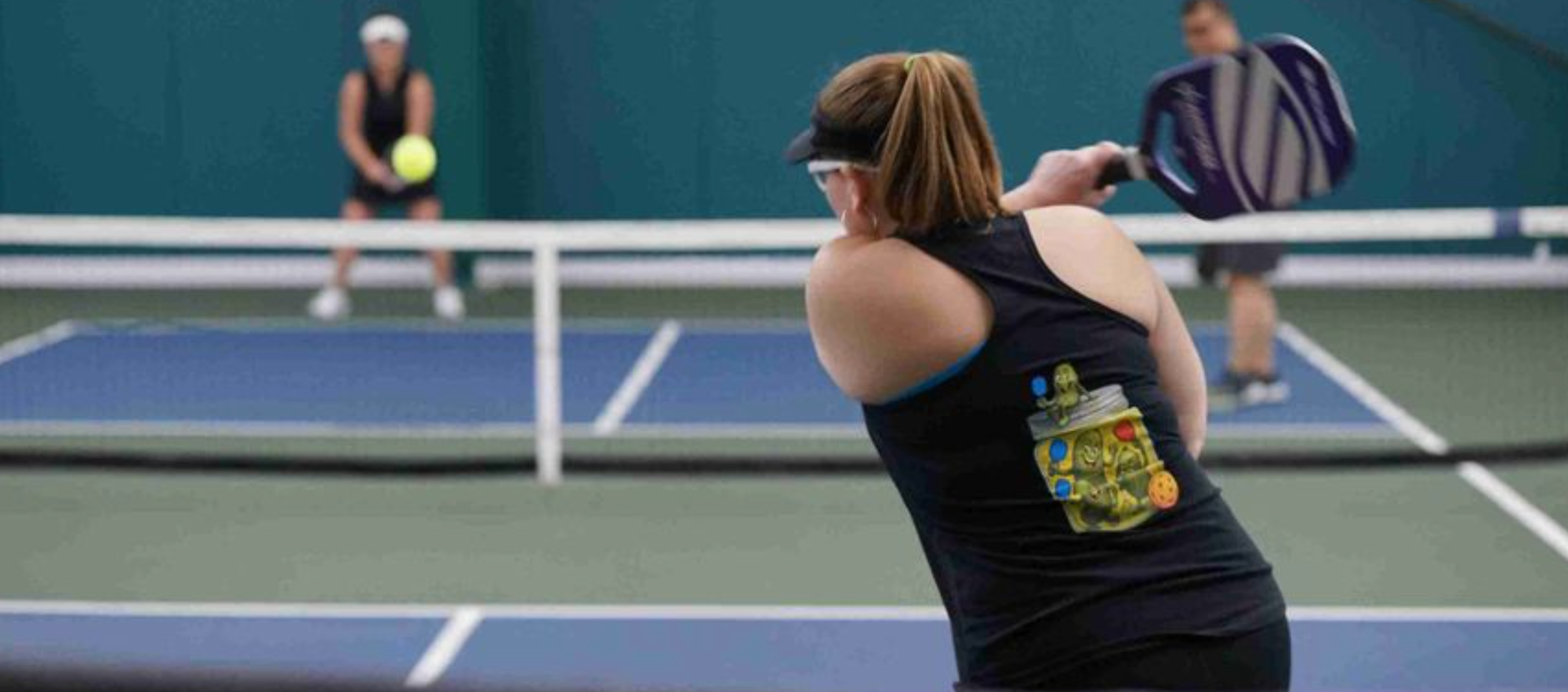
Why Mental Focus Matters More Than Perfect Technique
You can execute flawless dinks during practice, but if your mind starts racing during a crucial game point, all that technical training becomes worthless. The mental game affects every aspect of your performance:
- Shot selection and decision-making speed
- Reaction time and court positioning
- Consistency under pressure situations
- Recovery from mistakes and momentum shifts
Elite players understand that physical preparation only gets you so far. The real battle happens between your ears.
5 Proven In-Game Mental Techniques
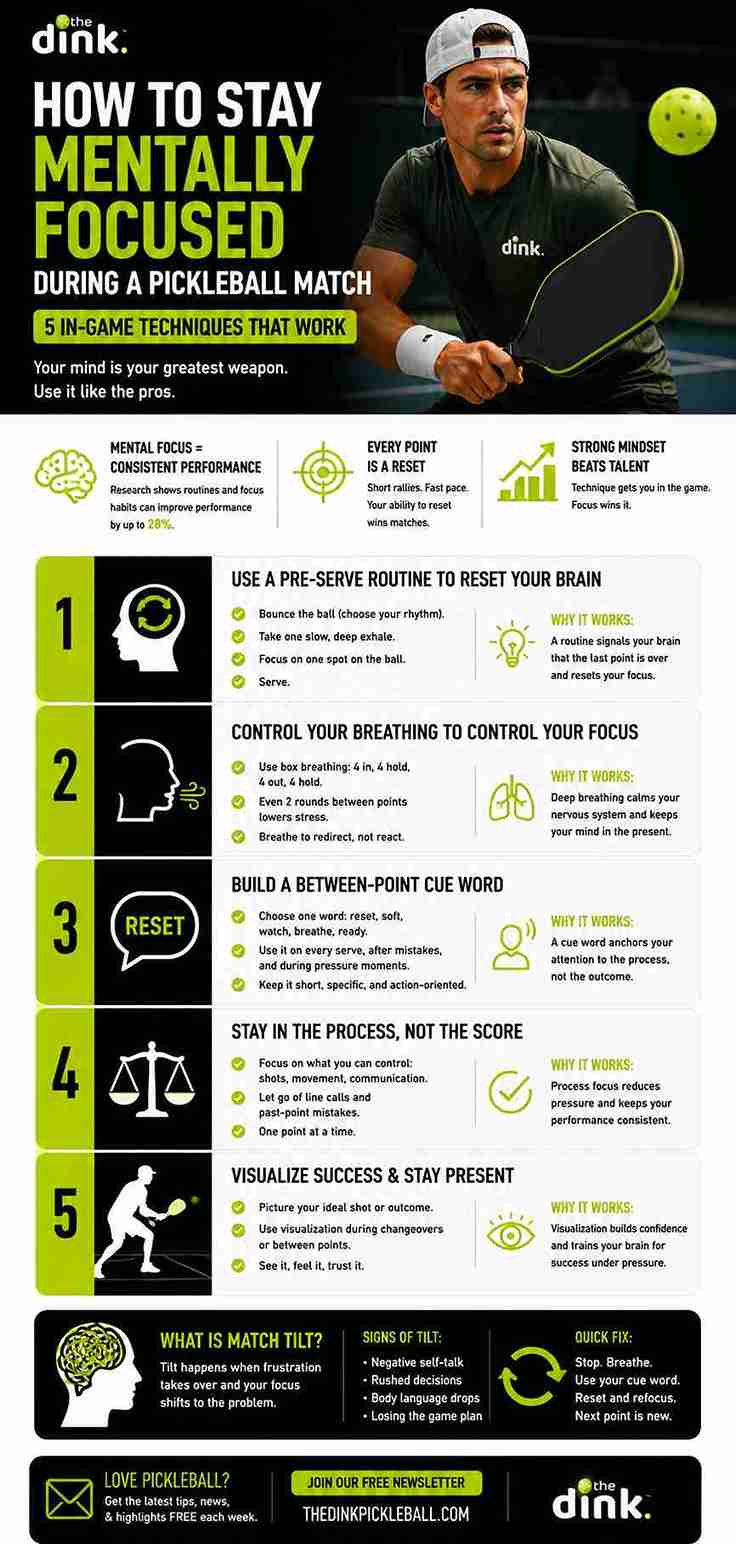
1. The Reset Breath
Between every point, take one deep breath that lasts exactly 4 seconds in and 6 seconds out. This physiological reset helps regulate your heart rate and clears mental clutter. Use this time to release the previous point—whether it was brilliant or terrible—and focus solely on the upcoming serve.
2. Process-Focused Cue Words
Instead of thinking about winning or losing, use simple cue words that focus on execution. Words like "smooth," "watch," or "through" help direct your attention to the process rather than the outcome. Choose one word that resonates with your playing style and repeat it before challenging shots.
3. The 3-Second Rule
After making an error, allow yourself exactly 3 seconds to acknowledge it, then immediately shift focus to your next move. This prevents the downward spiral that destroys so many players' matches. Set a mental timer—feel the frustration briefly, then let it go completely.
4. Target Visualization
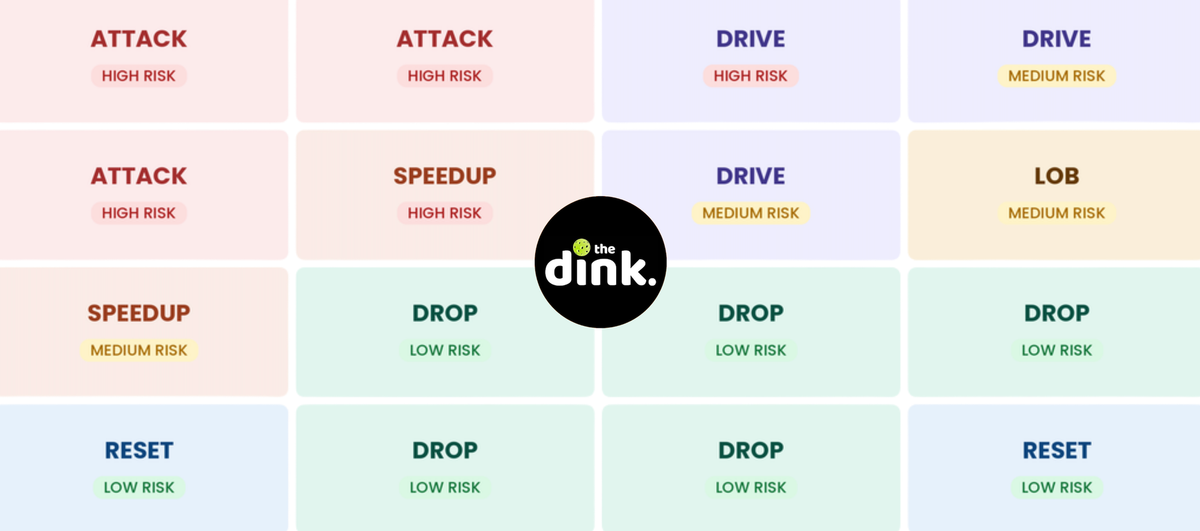
Before each serve and return, quickly visualize exactly where you want the ball to land. This isn't about positive thinking—it's about giving your brain a specific target to execute. The clearer your mental picture, the better your body can deliver the desired result.
5. Present Moment Anchoring
When pressure builds, anchor yourself to physical sensations: the grip of your paddle, your feet on the court, or the sound of the ball. This technique prevents your mind from jumping ahead to potential outcomes or dwelling on past mistakes.
Implementing Mental Training in Your Practice
These techniques only work if you practice them regularly, not just during matches. During your next practice session, deliberately create pressure situations and apply these mental strategies. Have your practice partner call out the score as "game point" randomly, then execute your reset breath and cue word routine.
Track your mental performance just like you would track your physical stats. Notice which techniques work best for your personality and playing style, then refine them through repetition.
Building Long-Term Mental Resilience
Mental toughness isn't built overnight, but these five techniques provide an immediate framework for improvement. Start with one technique per practice session, gradually incorporating all five until they become automatic responses rather than conscious efforts.
Remember, every professional pickleball player has developed their mental game alongside their physical skills. The players who seem "naturally clutch" have simply trained their minds as rigorously as their bodies.
Frequently Asked Questions
How long does it take to see results from mental game training?
Most players notice improved focus within 2-3 practice sessions when consistently applying these techniques. However, developing automatic mental responses under pressure typically takes 4-6 weeks of regular practice.
Should I use these techniques during recreational play or save them for tournaments?
Practice these mental strategies during every type of play, including casual games. The more you use them in low-pressure situations, the more naturally they'll emerge when stakes are high.
What if I forget to use these techniques during intense moments?
This is normal and expected. Start by focusing on just one technique per match until it becomes habitual, then gradually add others. Mental training requires the same patience as developing any new skill.