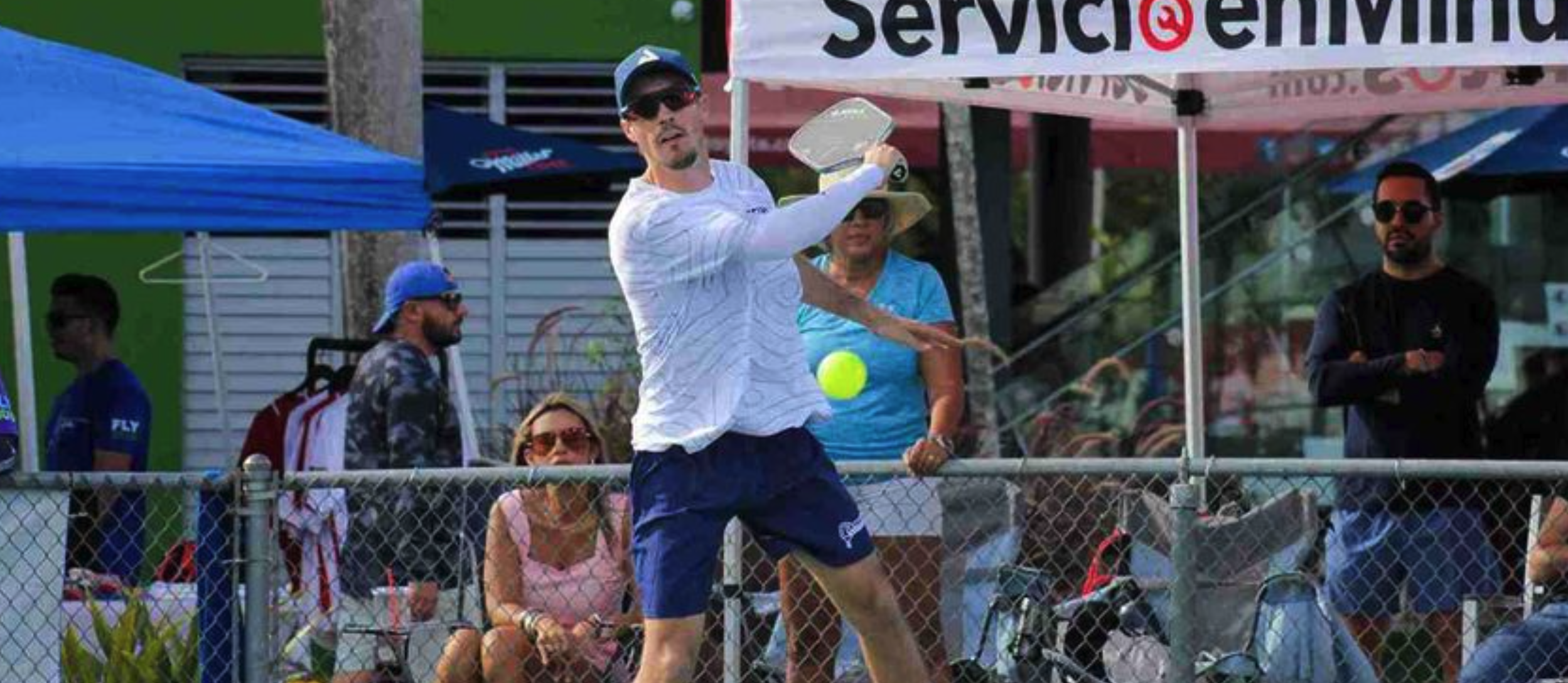
The pickleball serve is your gateway to controlling every point. Whether you're stepping onto the court for the first time or looking to refine your fundamentals, mastering the serve gives you an immediate competitive edge that transforms your entire game.
Unlike tennis or other racquet sports, pickleball serving follows unique rules that trip up newcomers. Understanding these fundamentals isn't just about avoiding faults—it's about starting every rally with confidence and strategic advantage.
Essential Pickleball Serving Rules
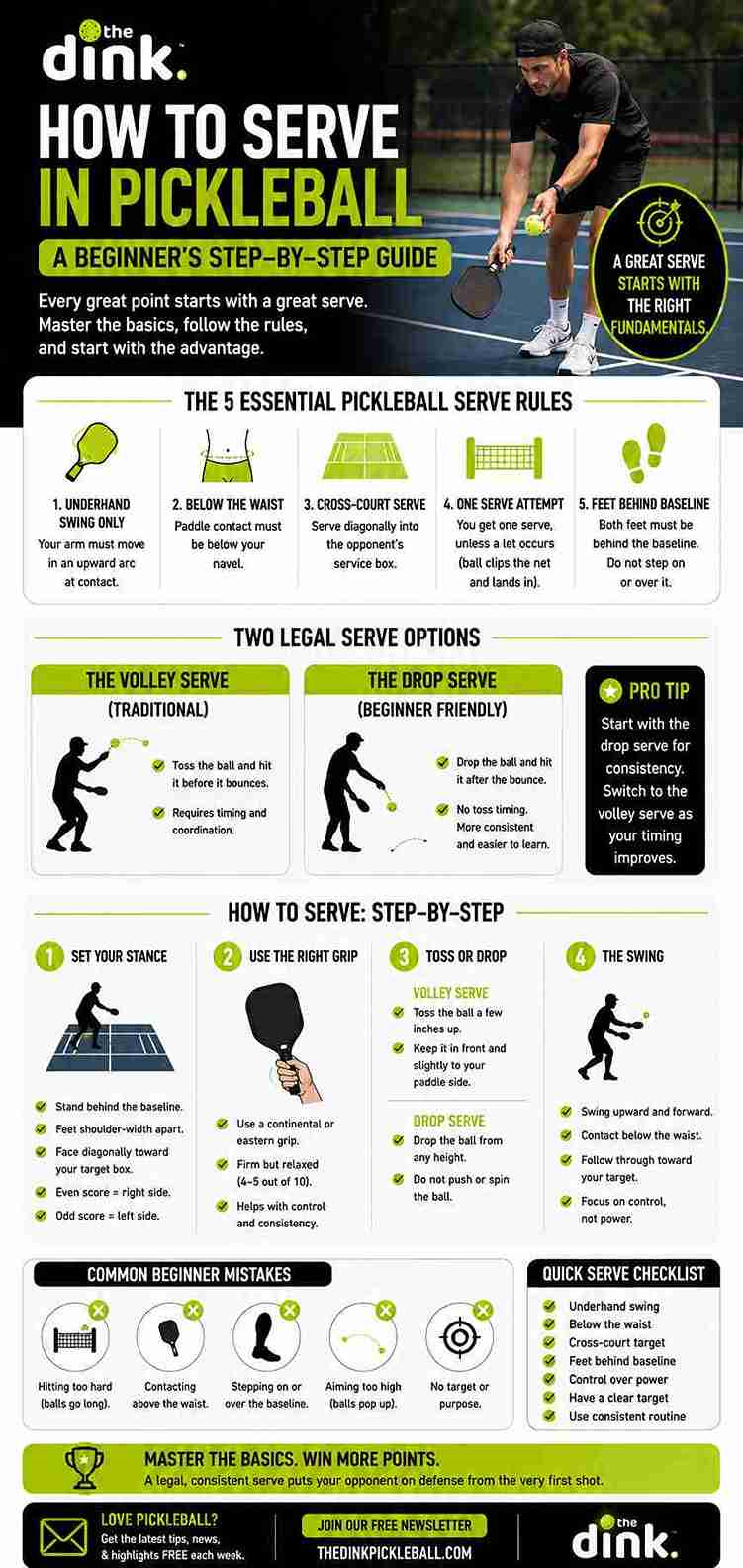
Every legal pickleball serve must follow two non-negotiable requirements: underhand motion and cross-court direction. These aren't suggestions—they're mandatory elements that determine whether your serve counts or results in a fault.
The Underhand Requirement
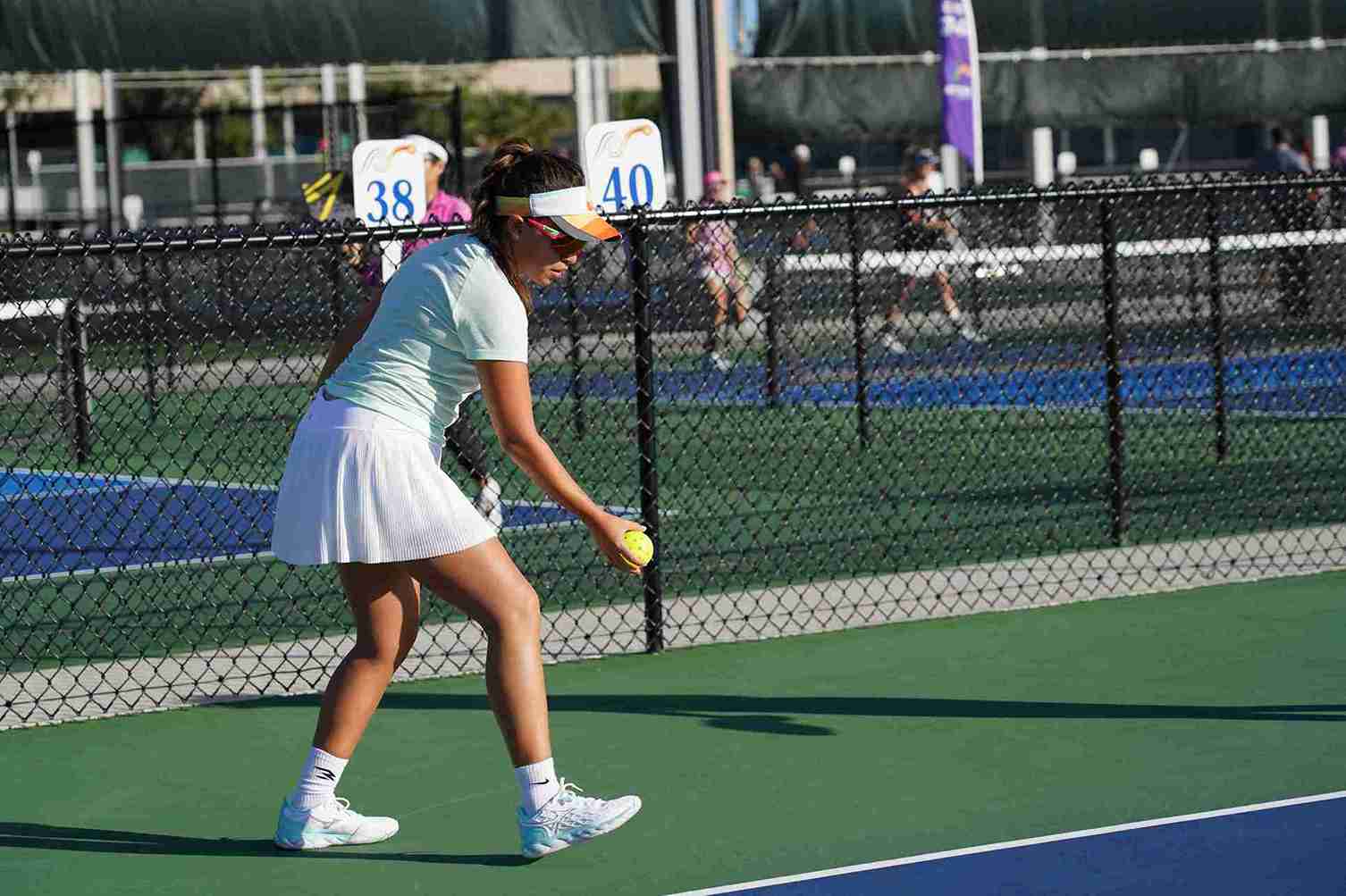
Your paddle must contact the ball below your waist level, with an upward swing motion. The paddle face should be angled upward at contact, never downward like a tennis serve. This underhand rule ensures the serve remains a setup shot rather than an aggressive weapon.
Cross-Court Targeting
Every serve must land diagonally across the court in the opponent's service area. From the right side, aim for the left service box. From the left side, target the right service box. The ball cannot land in the non-volley zone (kitchen) or on any boundary lines.
Step-by-Step Serving Technique
Positioning and Stance
Stand behind the baseline with both feet planted. Your front foot should point toward your target area, while your back foot provides stability and power transfer. Keep your weight balanced, ready to shift forward during the swing motion.
Ball Drop and Contact
Hold the ball at waist height, then release it for a clean drop. Contact the ball after it bounces once, striking it with your paddle below waist level. The timing between bounce and contact determines your serve's accuracy and power.
Follow-Through Motion
After contact, continue your upward swing motion toward your target. Your paddle should finish pointing toward the intended landing area, ensuring proper ball trajectory and spin control.
Common Serving Mistakes to Avoid
Foot Fault Violations
Many beginners step on or over the baseline before completing their serve. Both feet must remain behind the baseline until after paddle contact with the ball. Even touching the baseline with your toe results in a fault.
High Contact Point
Striking the ball above waist level violates the underhand rule, regardless of your paddle angle. Practice dropping the ball consistently to maintain legal contact height throughout your serving motion.
Kitchen Line Violations
Serves landing in the seven-foot non-volley zone result in immediate faults. Aim for the deeper portion of the service area to avoid short serves while maintaining cross-court accuracy.
Advanced Serving Strategy
Once you've mastered basic legal serves, focus on placement and spin variation. Target your opponent's backhand corner, vary your serve depth, and develop both power and soft serves to keep opponents guessing.
Consider your opponent's positioning and weaknesses. Some players struggle with serves to their forehand side, while others have difficulty with deeper serves that push them behind the baseline.
Practice Drills for Serve Improvement
Dedicate practice time specifically to serving consistency. Set up targets in each service box and aim for 8 out of 10 successful serves before moving to the next target area.
Practice serving from both right and left sides, as you'll need equal proficiency from each position during actual games. Focus on repeatable mechanics rather than maximum power.
Frequently Asked Questions
Can I serve overhand in pickleball?
No, all pickleball serves must be performed underhand with contact below waist level. Overhand serves result in immediate faults and loss of serving opportunity.
What happens if my serve hits the net but lands in bounds?
Unlike tennis, pickleball has no "let" serves. Any serve touching the net results in a fault, even if the ball subsequently lands in the correct service area.
How many serves do I get per turn?
In singles play, you get one serve attempt per turn. In doubles, each team member gets one serving opportunity before the serve transfers to the opposing team, except at the game's start when only one player serves.