While recreational players focus on getting to the kitchen line, elite competitors are mastering a game-changing technique that's reshaping modern pickleball strategy. The fourth ball pressure shot has emerged as the defining skill that separates professional players from weekend warriors.
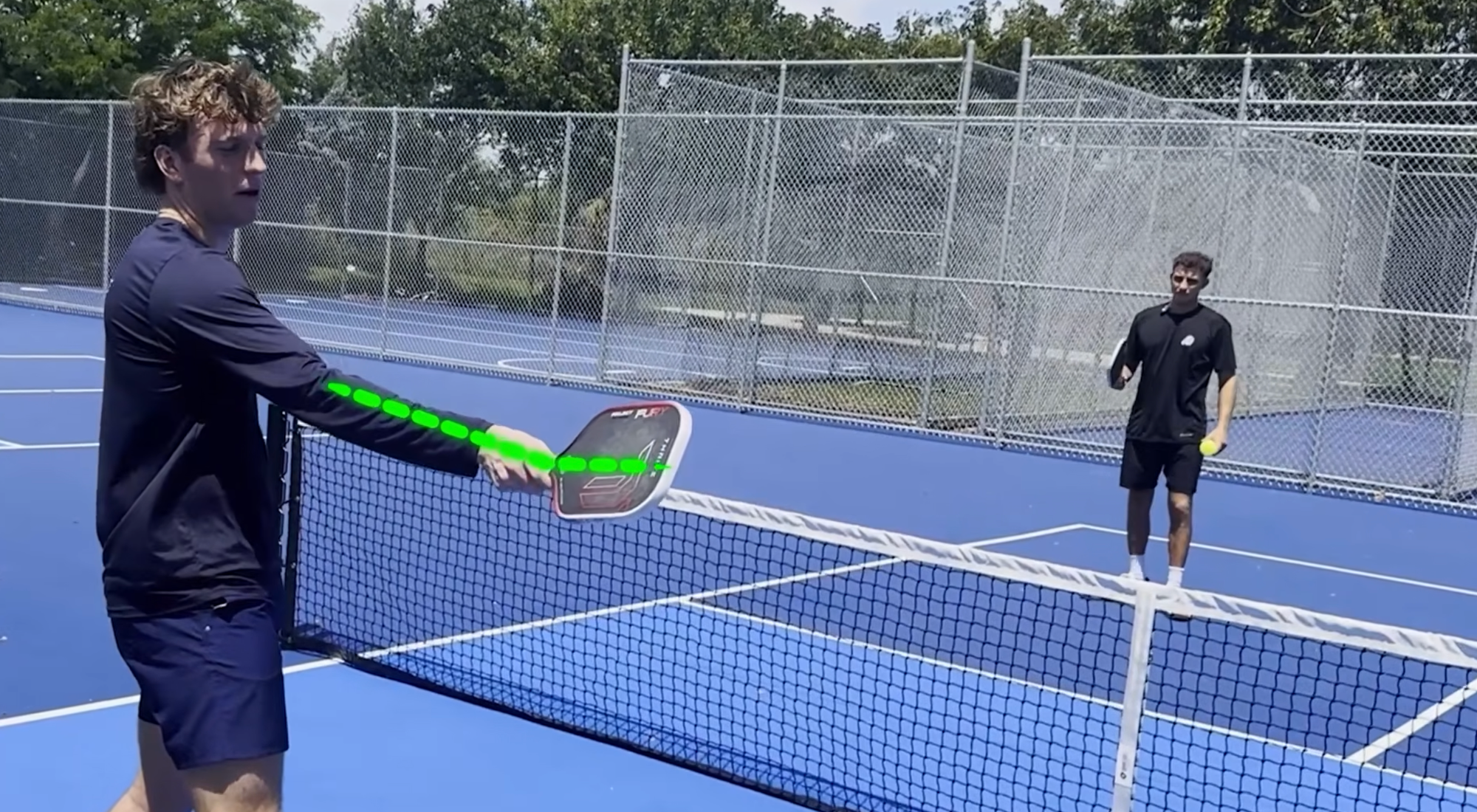
This aggressive midcourt approach doesn't just apply pressure—it creates a suffocating environment where opponents struggle to gain any offensive momentum. Players who haven't incorporated this technique into their arsenal are essentially gifting their opponents uncontested net positioning.
Understanding Fourth Ball Pressure Strategy
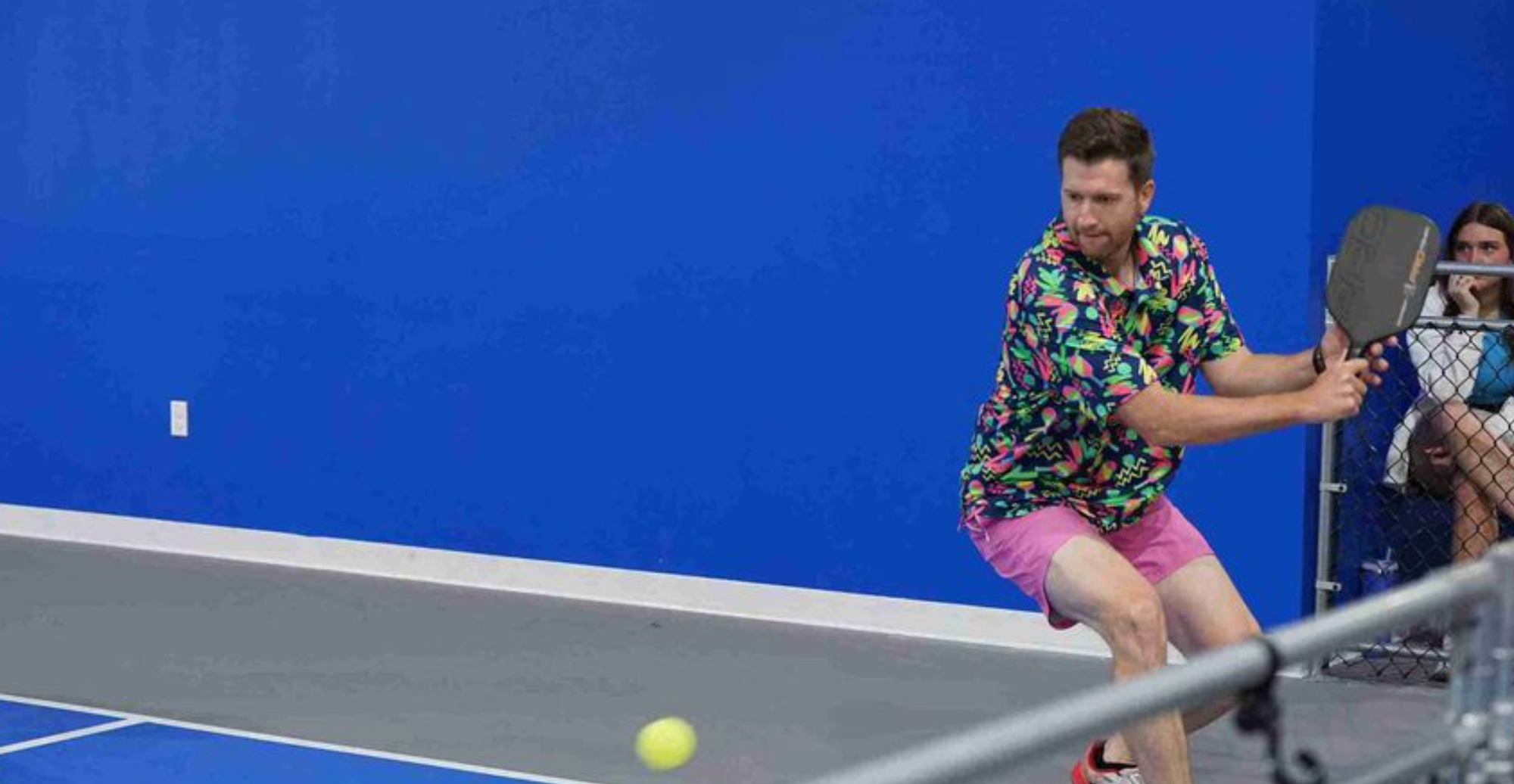
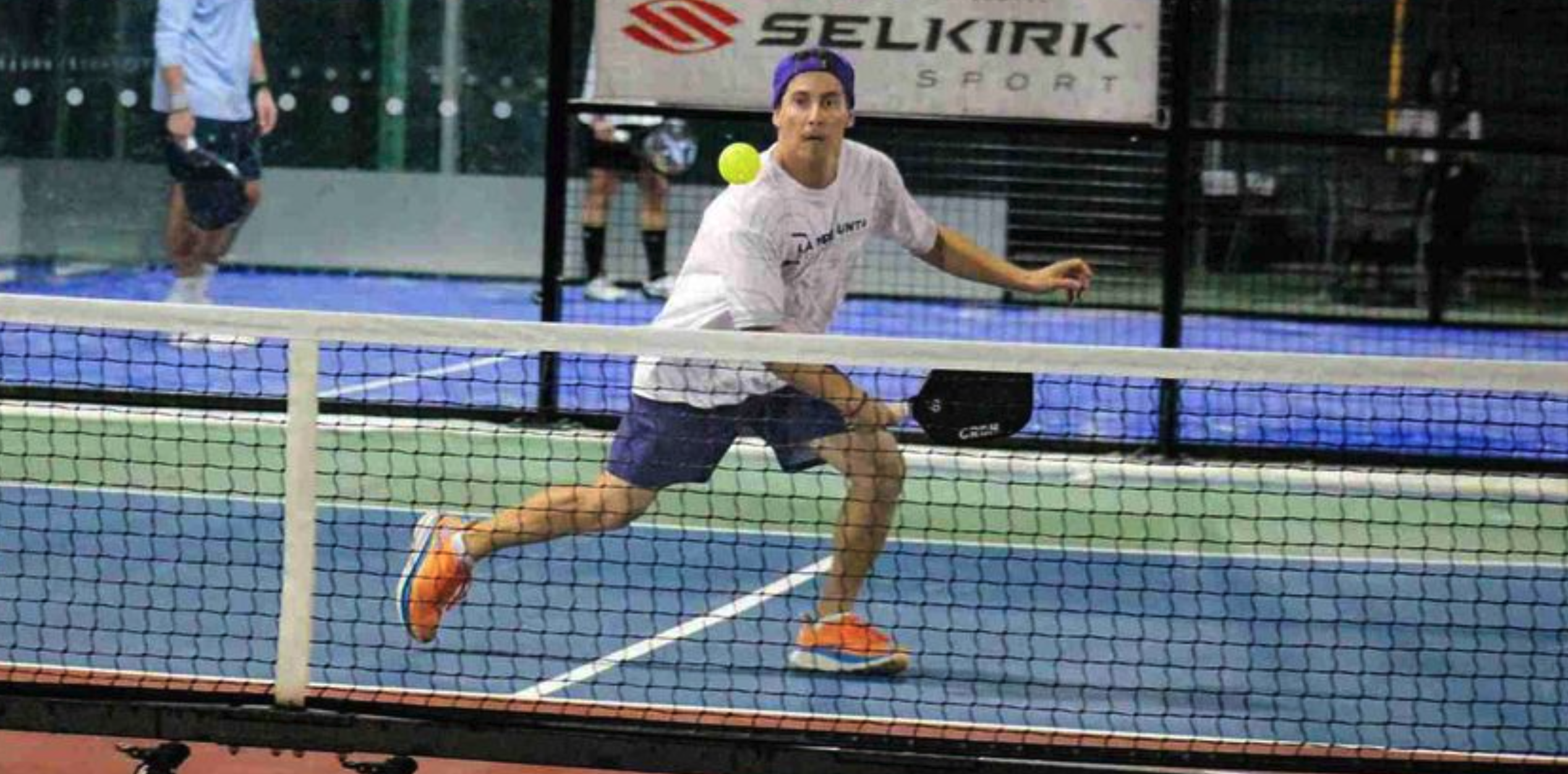
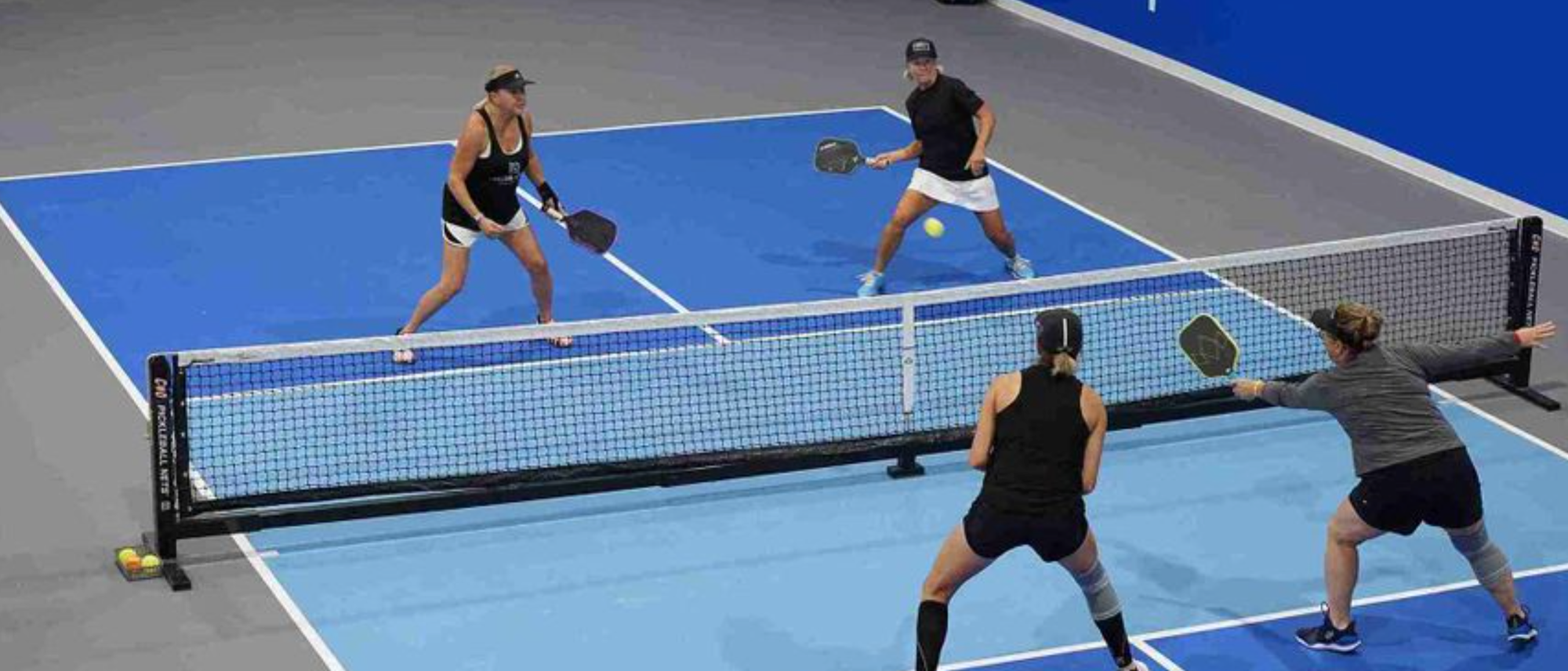
The fourth ball occurs immediately after the return of serve, positioning you in the transition zone with a critical decision to make. Instead of the traditional soft drop shot approach, fourth ball pressure involves taking an aggressive stance that forces your opponents into defensive positioning.
APP professional Tanner Tomassi has witnessed this tactical evolution firsthand. According to Tomassi, this midcourt aggression has completely revolutionized how he approaches rally construction, and it's rapidly becoming the gold standard in tournament play.
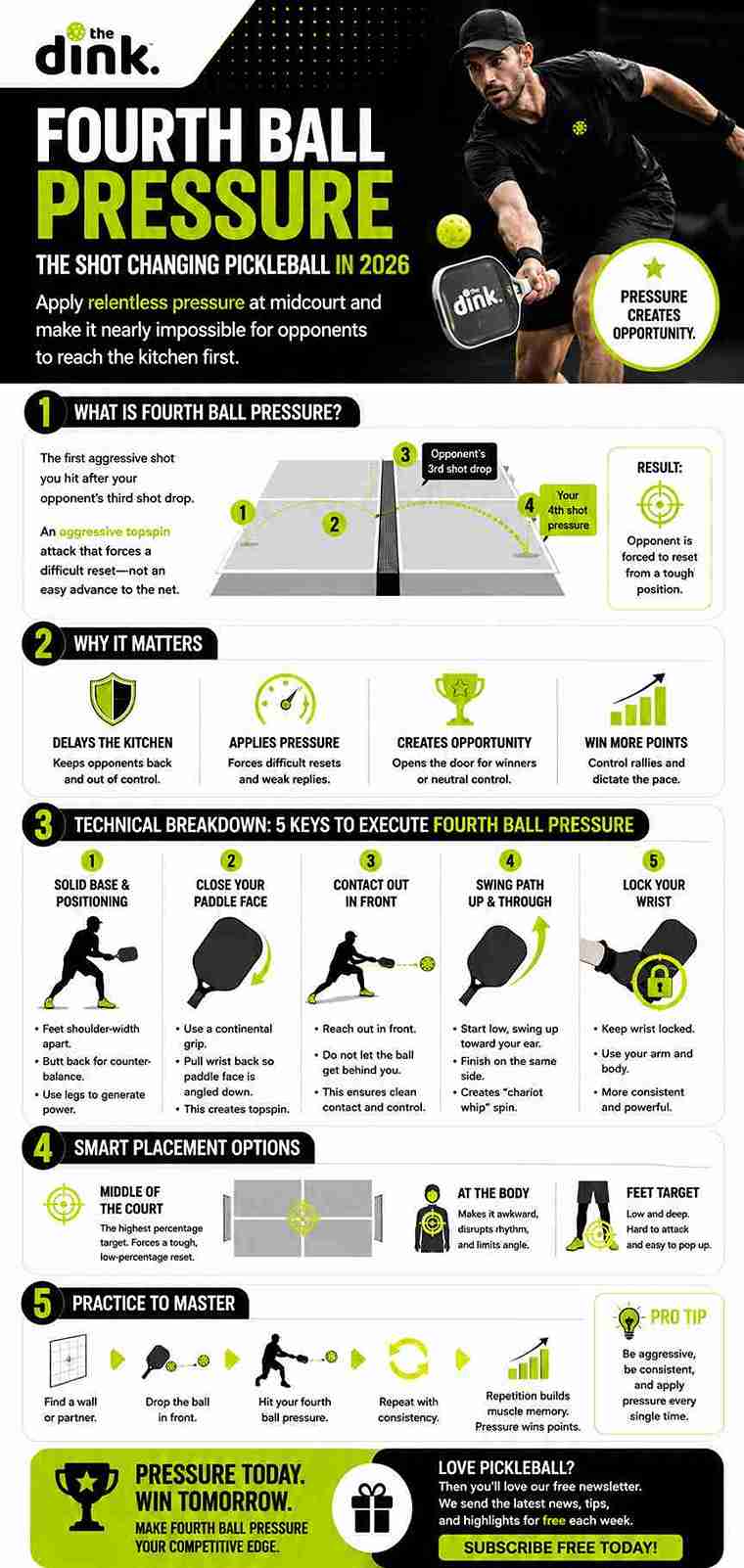
Why Traditional Fourth Shots Are Losing Effectiveness
The conventional fourth shot drop has become increasingly predictable at higher levels of play. Opponents anticipate the soft placement and position themselves for immediate counterattacks. This predictability has created an opening for more aggressive players to exploit.
Fourth ball pressure breaks this pattern by:
- Maintaining offensive momentum from the serving team
- Forcing opponents to react rather than dictate
- Creating opportunities for immediate point construction
- Disrupting traditional rally rhythm and timing
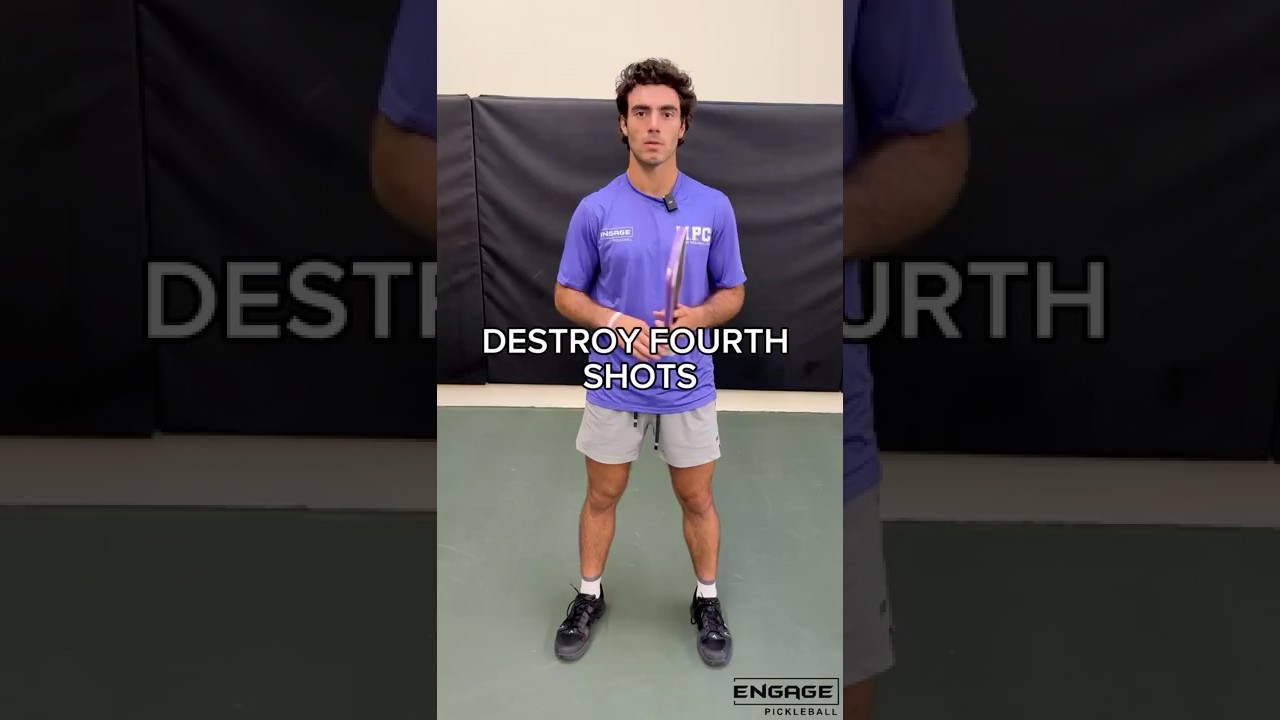
Technical Execution of Pressure Shots
Successful fourth ball pressure requires precise timing and court positioning. Players must strike the balance between aggression and control, ensuring their shots create pressure without gifting easy putaway opportunities.
The key technical elements include:
- Compact swing preparation for quick ball contact
- Targeting specific zones that limit opponent options
- Maintaining forward momentum toward the kitchen line
- Reading opponent positioning for optimal shot selection
Impact on Modern Tournament Play
Professional tournaments in 2026 are showcasing this tactical shift dramatically. Players who rely exclusively on traditional drop shots find themselves constantly defending against opponents who maintain relentless pressure throughout rallies.
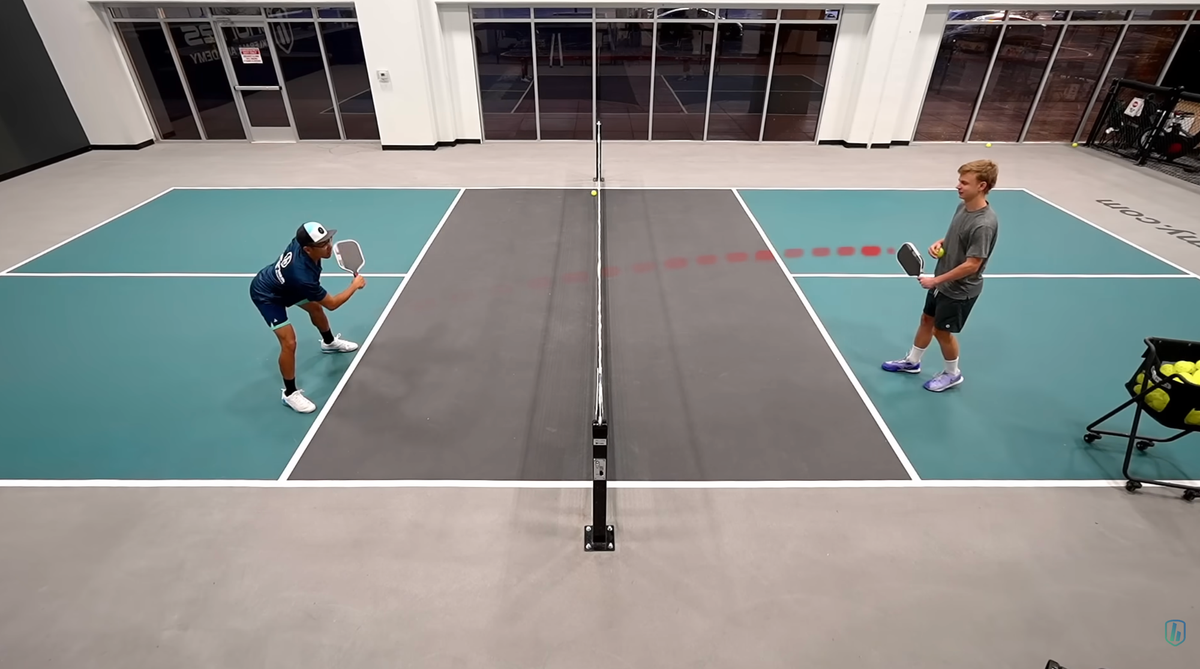
This evolution mirrors broader trends in pickleball strategy, where patient construction is giving way to controlled aggression. The fourth ball pressure technique represents the perfect synthesis of these competing approaches.
Adapting Your Game Strategy
Incorporating fourth ball pressure requires fundamental shifts in court positioning and shot selection mentality. Players must develop the confidence to attack from transition zones while maintaining the precision necessary for consistent execution.
Practice sessions should emphasize scenario-based drilling where players work specifically on fourth ball situations. This targeted approach builds the muscle memory and decision-making speed essential for tournament application.
The Future of Competitive Pickleball
As more players adopt fourth ball pressure techniques, the overall pace and intensity of competitive pickleball continues accelerating. This tactical evolution challenges traditional coaching methodologies and forces players to expand their strategic thinking.
The players who master this approach early will possess significant advantages as the technique becomes more widespread. Those who resist adapting may find themselves struggling against opponents who control rallies from the opening exchanges.
Frequently Asked Questions
When should I use fourth ball pressure instead of a drop shot?
Use fourth ball pressure when opponents are positioning aggressively at the kitchen line or when you need to disrupt their rally rhythm. It's most effective against players who excel at drop shot returns and quick net exchanges.
What are the biggest risks of attempting fourth ball pressure shots?
The primary risks include overhitting into the net or giving opponents easy overhead opportunities. Players must develop precise control before attempting this technique in competitive situations, as mistimed aggression can result in quick point losses.
How long does it typically take to master fourth ball pressure techniques?
Most players require 3-6 months of focused practice to effectively integrate fourth ball pressure into their competitive game. The timeline depends on existing skill level, practice frequency, and quality of instruction during the learning process.