45-Min Pickleball Drill Plan for Beginners (Game-Changing!)
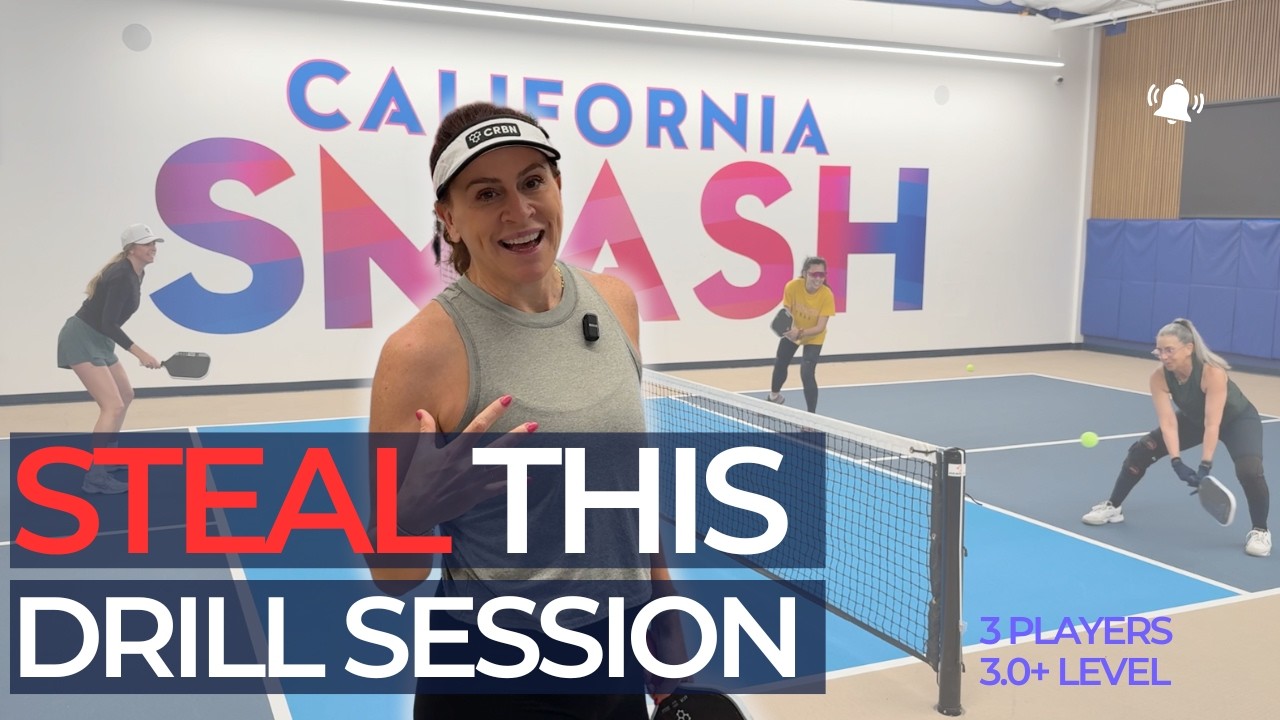
Why Structured Drilling Beats Random Practice Every Time
Many pickleball newcomers make the same mistake: they show up to practice and start hitting balls without any clear objective. This approach might feel productive, but it's actually holding back your progress. The key to rapid improvement lies in intentional practice – targeting specific skills that will have the biggest impact on your game.
Before stepping onto the court, identify 2-3 specific areas you want to improve. Whether it's your third shot drop, dinking consistency, or serve placement, having clear goals transforms mindless hitting into purposeful skill development.
The Complete 45-Minute Beginner Drill Session
Warm-Up Phase (10 Minutes)
Start every practice session with a proper warm-up to prevent injury and prepare your body for focused drilling:
- Minutes 1-3: Light jogging around the court and dynamic stretching
- Minutes 4-7: Gentle rally from the baseline, focusing on consistent contact
- Minutes 8-10: Kitchen line rallies to activate your soft game muscles
Skill Development Block 1: Serving and Return (15 Minutes)
Your serve and return set the tone for every point. Dedicate focused time to these fundamental shots:
Serving Drill (8 minutes): Practice serving to specific targets in each service box. Place cones or towels in the corners and center of each box. Aim for 7 out of 10 serves to hit your target before moving to the next location.
Return Drill (7 minutes): Have a partner serve to you while you focus on deep, crosscourt returns. The goal is consistency over power – aim to land 8 out of 10 returns past the baseline.
Skill Development Block 2: Third Shot and Transition (15 Minutes)
The third shot is often called the most important shot in pickleball because it determines whether you'll be stuck at the baseline or successfully transition forward.
Third Shot Drop Practice (10 minutes): Start at the baseline with your partner at the kitchen line. Practice hitting soft drops that land in the kitchen. Focus on a high, arcing trajectory rather than trying to hit winners.
Transition Footwork (5 minutes): After each successful drop shot, practice moving forward to the non-volley zone. Work on timing your approach so you're ready for the next shot.
Skill Development Block 3: Dinking and Kitchen Play (15 Minutes)
Most points in pickleball are won or lost at the net. Developing solid dinking skills is essential for competitive play.
Crosscourt Dinking (8 minutes): Stand at opposite kitchen lines and practice crosscourt dinks. Focus on keeping the ball low and landing it in the kitchen consistently. Count how many consecutive dinks you can achieve and try to beat your record.
Dink and Move (7 minutes): Practice dinking while moving side to side along the kitchen line. This drill improves your ability to maintain control while repositioning during actual gameplay.
Maximizing Your Practice Results
To get the most from your 45-minute sessions, follow these key principles:
Quality Over Quantity: It's better to hit 20 perfect shots than 100 sloppy ones. Focus on proper technique and gradually increase speed as your consistency improves.
Track Your Progress: Keep a simple practice journal noting which drills you performed and your success rates. This helps identify areas needing extra attention.
Practice Regularly: Two or three focused 45-minute sessions per week will yield better results than one marathon practice session.
Common Drilling Mistakes to Avoid
Don't fall into these traps that limit your improvement:
- Practicing only the shots you're already good at
- Moving too quickly to the next drill without mastering the basics
- Focusing solely on power instead of placement and consistency
- Skipping the warm-up phase
Remember, every professional player started with the basics. Master these fundamental drills, and you'll build a solid foundation for advanced techniques later.
Frequently Asked Questions
How often should beginners practice these drills?
Aim for 2-3 practice sessions per week using this 45-minute format. Consistency is more important than frequency – regular short sessions beat occasional long ones for skill development.
Can I do these drills alone or do I need a partner?
While some drills require a partner, you can modify many for solo practice using a ball machine or practicing against a wall. The serving and footwork drills work particularly well for solo sessions.
When should I move on to more advanced drills?
Progress to advanced drills when you can consistently execute these basics with 80% success rate. Most beginners benefit from 4-6 weeks of focused practice on these fundamentals before adding complexity.