Master the Backhand Roll: The Shot That Wins Points
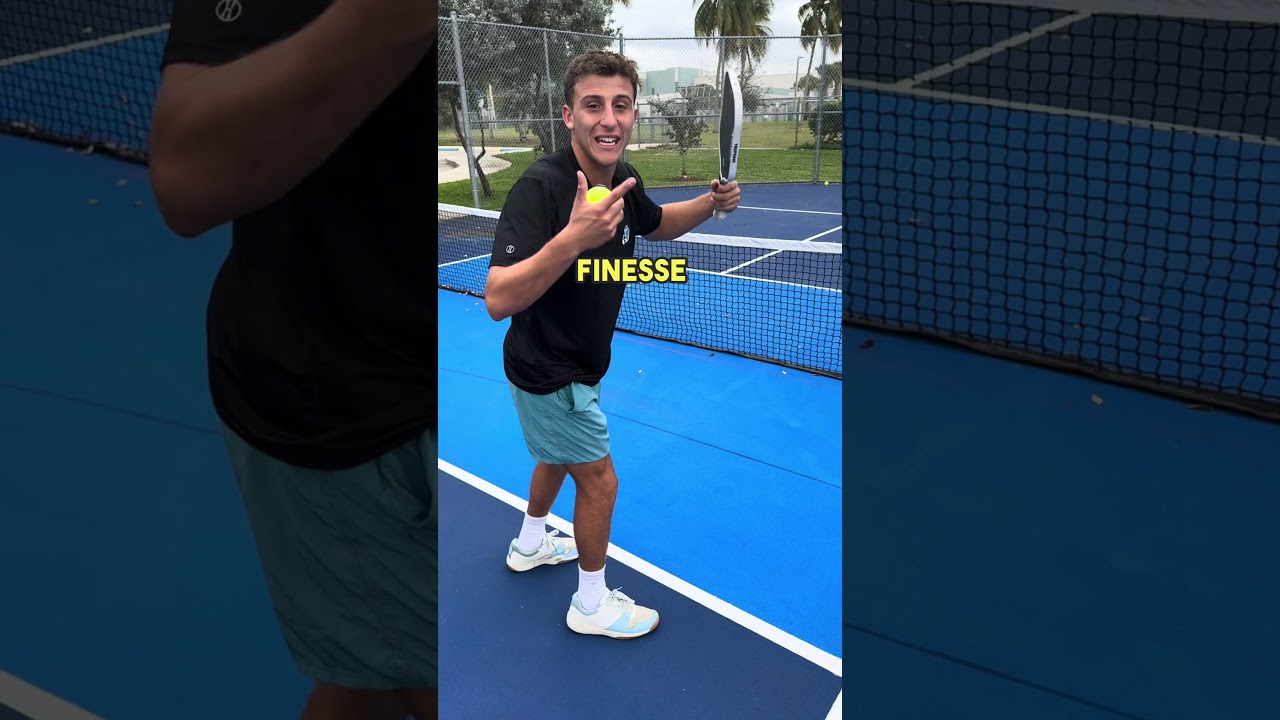
The Backhand Roll: Pickleball's Most Underutilized Weapon
The backhand roll stands as one of pickleball's most deceptive and effective shots, yet countless players execute it incorrectly or confuse it with other techniques. This precision shot can be the difference between winning crucial points and watching opportunities slip away at the net.
Unlike the backhand flick, which relies on quick wrist action, the backhand roll demands controlled shoulder movement and strategic placement. When executed properly, this shot creates a low, spinning ball that forces opponents into difficult positions while maintaining exceptional control.
Key Technique Elements for the Perfect Backhand Roll
Shoulder-Driven Movement Over Wrist Action
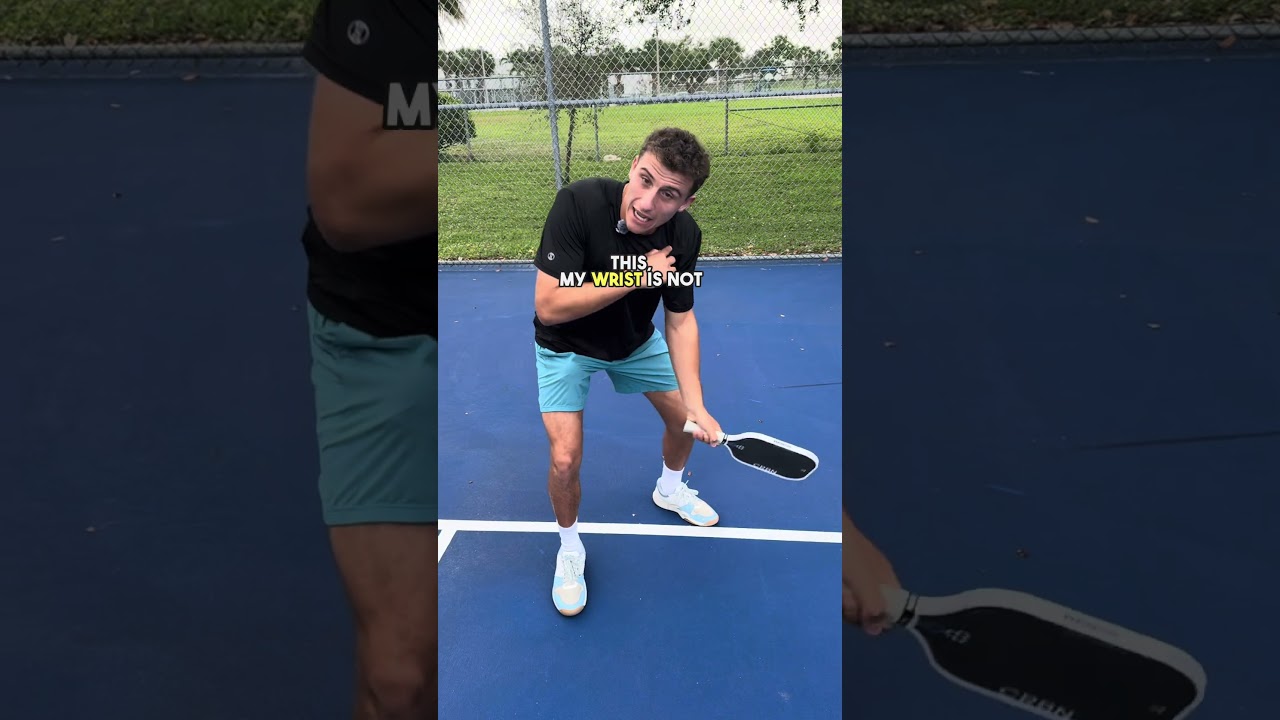
The fundamental mistake most players make is attempting to generate power and spin through wrist movement. Professional instruction emphasizes that the backhand roll originates from controlled shoulder rotation, creating a smooth, consistent motion that produces reliable results.
Begin with your paddle face slightly open and positioned below the contact point. As you initiate the shot, focus on rotating your shoulder forward while maintaining a firm wrist position. This technique ensures the paddle travels in a controlled arc, imparting the necessary topspin while maintaining accuracy.
Contact Point and Ball Placement
Timing the contact point correctly separates successful backhand rolls from mishits. Strike the ball when it's positioned slightly in front of your body and at approximately waist height. This positioning allows for optimal paddle angle and follow-through.
The follow-through motion should continue upward and across your body, finishing with the paddle face pointing toward your intended target. This complete motion ensures proper spin generation and directional control.
Strategic Applications of the Backhand Roll
Offensive Opportunities
The backhand roll excels when opponents position themselves deep in the court or when you need to create sharp angles. The topspin causes the ball to dip quickly after clearing the net, making it extremely difficult for opponents to attack aggressively.
Target the sidelines or aim for the opponent's feet when they're positioned at the non-volley zone line. The low bounce and spin make it challenging to return with power, often resulting in weak returns you can capitalize on.
Defensive Applications
When under pressure, the backhand roll provides a safer alternative to attempting powerful drives. The controlled nature of the shot allows you to maintain rally consistency while potentially creating offensive opportunities through precise placement.
Use this shot to neutralize aggressive opponents by keeping the ball low and forcing them to hit upward, reducing their ability to maintain attacking positions.
Common Mistakes and Corrections
Avoiding the Flick Confusion
Many players inadvertently attempt a backhand flick when trying to execute a roll. The flick requires quick, snappy wrist action for immediate power, while the roll demands patience and smooth acceleration through the shot.
Practice the motion slowly, focusing on the shoulder-driven movement pattern. Gradually increase speed while maintaining the controlled technique, ensuring muscle memory develops correctly.
Paddle Angle Precision
Incorrect paddle angles result in shots that either sail long or hit the net. Maintain a slightly open paddle face at contact, allowing the natural follow-through to create the desired trajectory and spin.
Practice Drills for Backhand Roll Mastery
Begin with stationary practice, focusing on the proper motion without a ball. Execute the shoulder rotation and follow-through repeatedly until the movement feels natural.
Progress to wall practice, hitting balls against a wall at varying heights and speeds. This develops timing and consistency while allowing immediate feedback on technique effectiveness.
Finally, practice with a partner feeding balls to your backhand side. Start with slow, predictable feeds before progressing to more challenging scenarios that simulate game conditions.
Frequently Asked Questions
What's the main difference between a backhand roll and backhand flick?
The backhand roll uses controlled shoulder movement with a smooth follow-through to create topspin, while the backhand flick relies on quick wrist action for immediate power and speed.
When should I use the backhand roll during a match?
Use the backhand roll when you need precise placement, want to create difficult angles, or need to keep the ball low against aggressive net players. It's particularly effective when opponents are positioned deep or when you're under defensive pressure.
How can I practice the backhand roll effectively at home?
Practice the motion without a ball first, focusing on shoulder rotation and follow-through. Then use wall practice to develop timing and consistency, gradually increasing speed while maintaining proper technique.