Slow hands at the kitchen line cost you points. But according to Coach Austin Hardy, a 5.0+ player and creator of the Pickleball Drills App, hand speed isn't genetic—it's trainable through the right system.
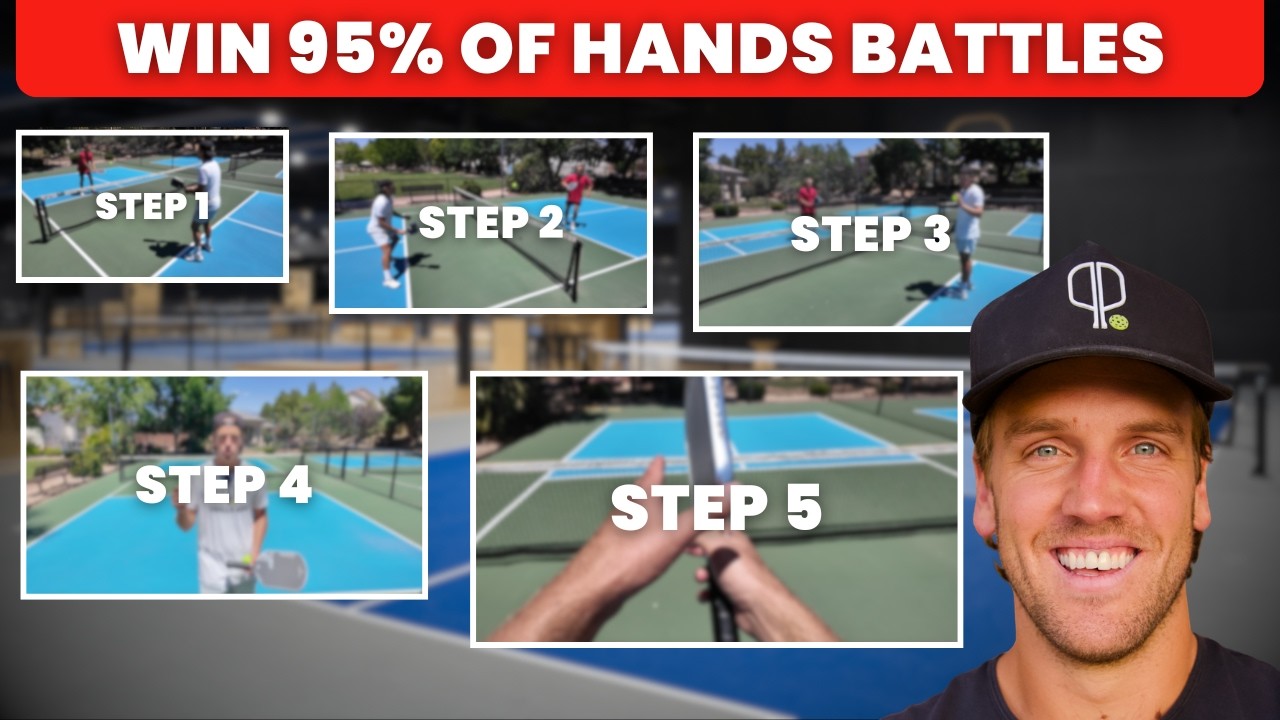
Hardy's proven methodology has helped countless players transform their net game, winning 99% of hand battles through deliberate practice and precision training. Here's his complete 5-step system to dominate at the kitchen line.
Understanding True Hand Speed Training
Most recreational players think hand speed means swinging faster. That's wrong. Effective hand speed training involves coordinating your entire body to react with precision under pressure.
"Hand speed is really about reaction time, paddle positioning, and muscle memory working together," Hardy explains. "When you train these elements systematically, your net game becomes unstoppable."
The 5-Step Hand Speed System
Step 1: Foundation Positioning
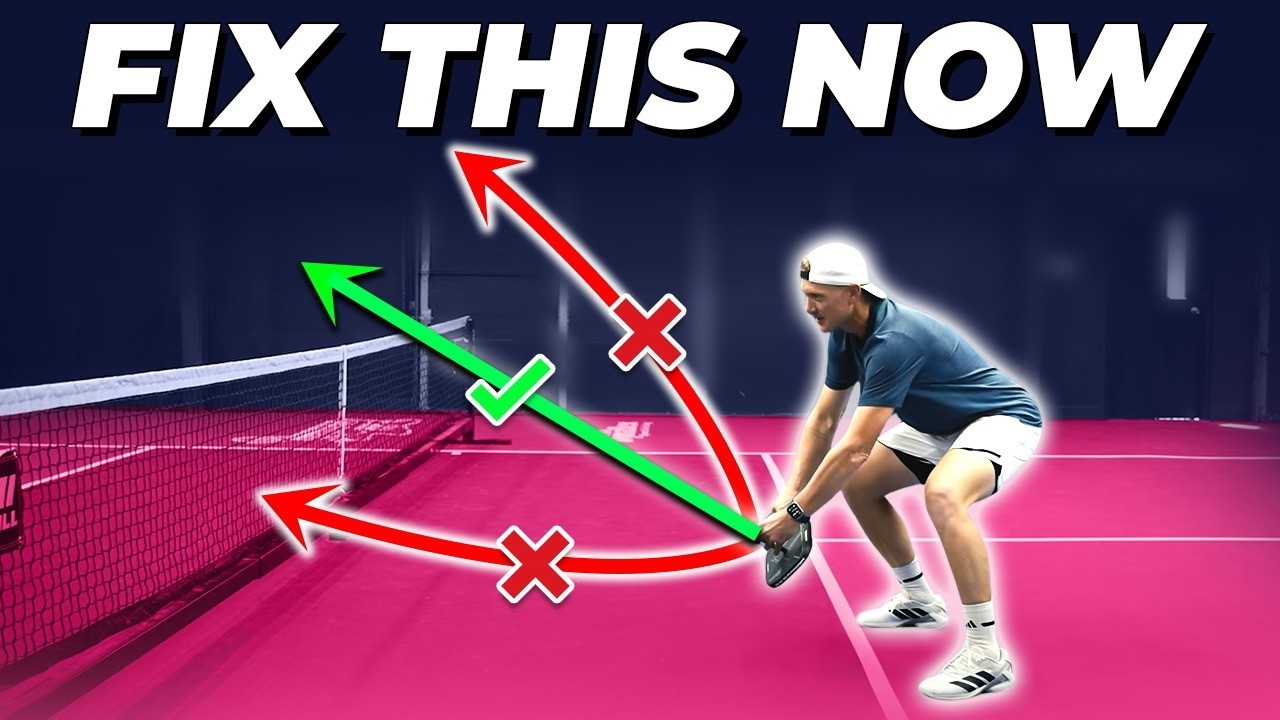
Start with proper ready position: paddle up, elbows slightly bent, weight on balls of feet. Your paddle should be positioned between your chest and shoulders, creating the shortest path to any incoming ball.
Step 2: Isolation Drills
Practice paddle movements without a ball. Focus on quick, controlled motions from your ready position. Perform 50 repetitions of forehand and backhand blocks, emphasizing compact swings and immediate return to ready position.

Step 3: Wall Training
Stand three feet from a wall and continuously hit soft shots, gradually increasing pace. This drill develops hand-eye coordination and teaches you to control power while maintaining speed.
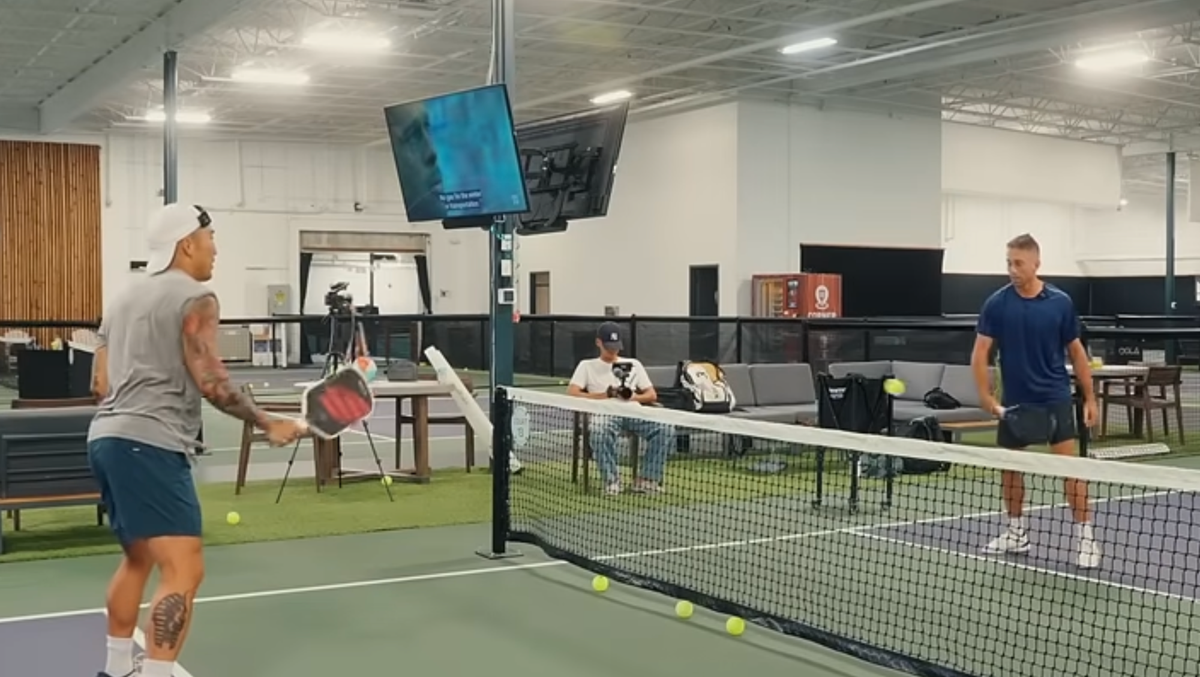
Step 4: Partner Rapid Fire
Have a partner feed balls rapidly from close range. Start slow and build intensity. Focus on clean contact and placement rather than power. This simulates real game pressure.
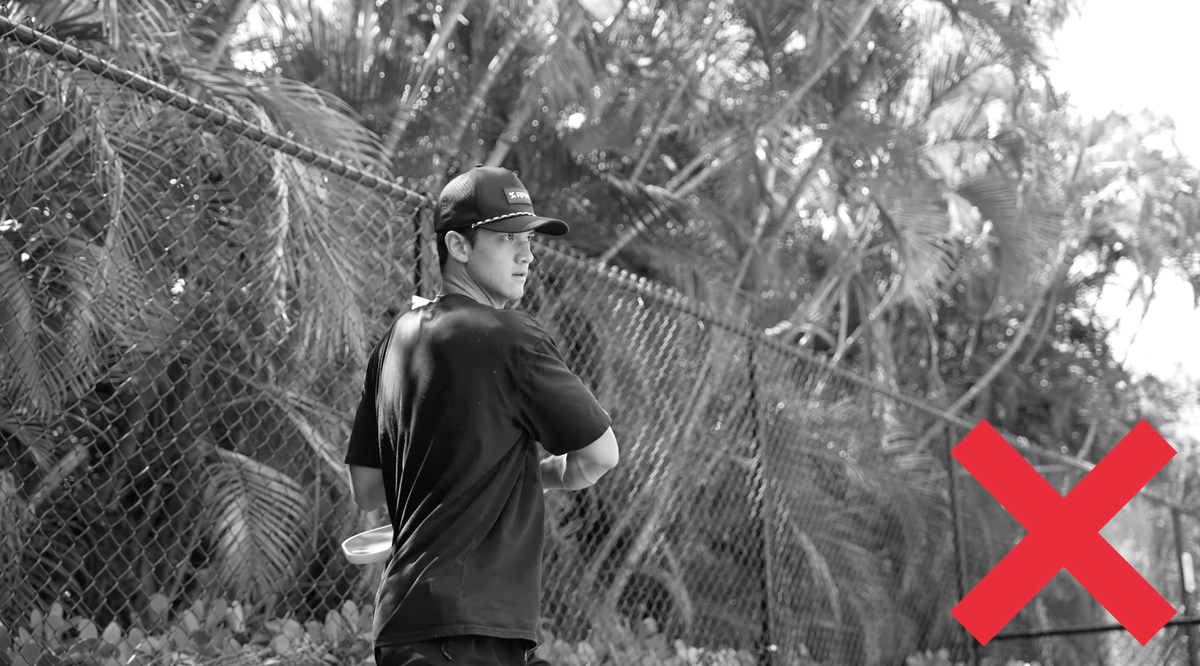
Step 5: Game Simulation
Practice hand battles in controlled scenarios. Start each point at the kitchen line and play out exchanges. This integrates your improved hand speed into actual gameplay situations.
Three Progressive Drill Levels
Beginner Level
Focus on stationary blocking with consistent paddle position. Emphasize proper form over speed. Practice 15-minute sessions with adequate rest between sets.
Intermediate Level
Add movement while maintaining hand speed. Incorporate side-to-side shuffling during rapid-fire drills. Increase session duration to 25 minutes with varied shot angles.
Advanced Level
Combine hand speed with strategic shot selection. Practice under fatigue conditions and add deception elements to your blocks and counters.
Five Game-Changing Tips
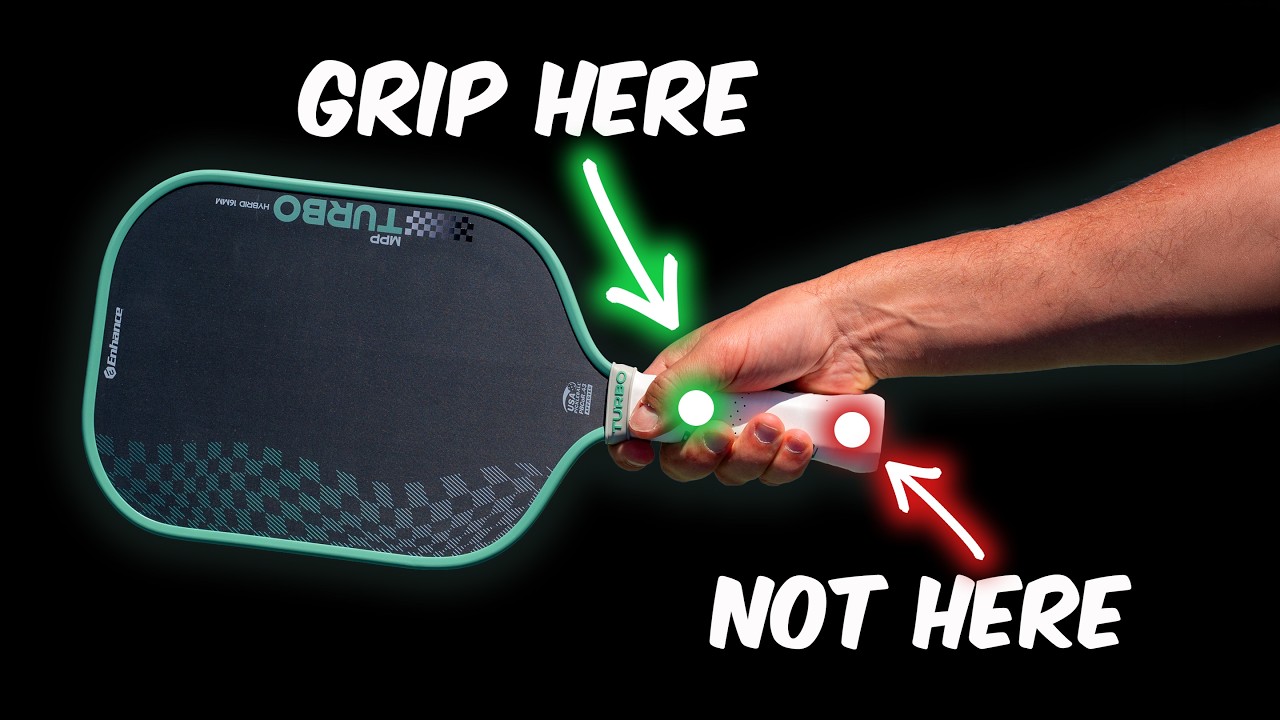
1. Keep Your Grip Relaxed: Tension slows reaction time. Maintain a firm but flexible grip that allows quick paddle adjustments.
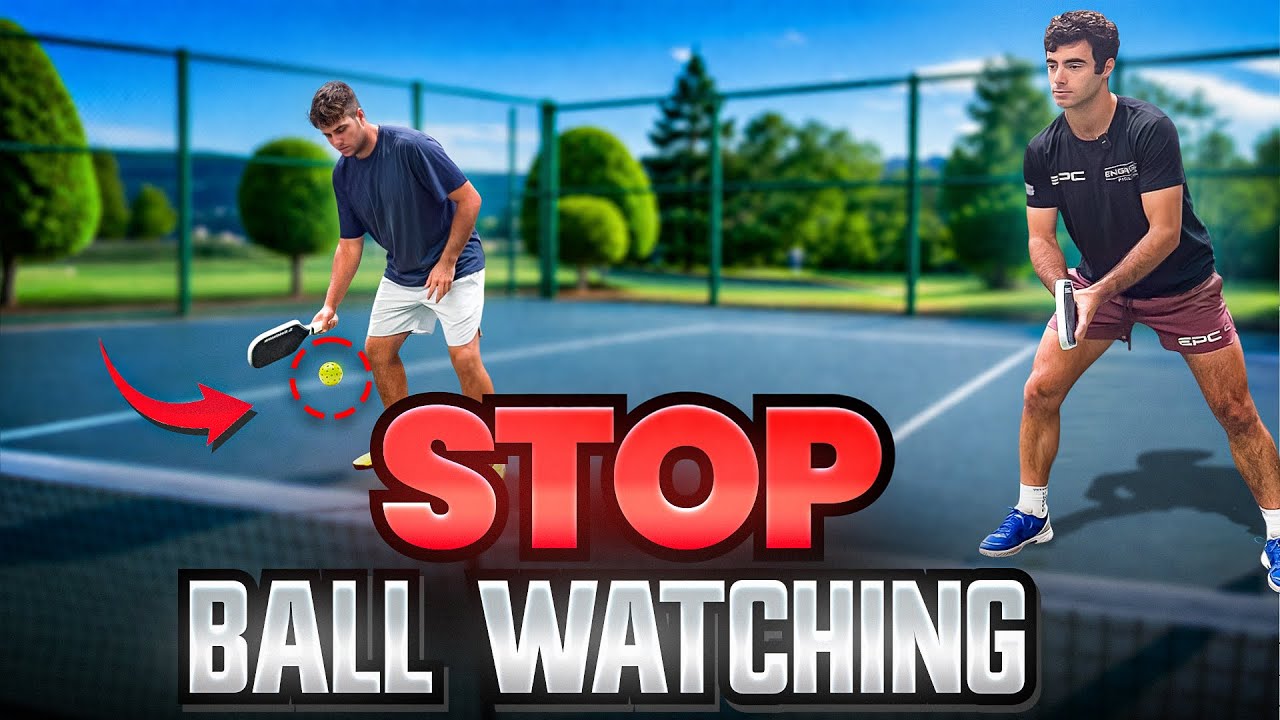
2. Watch the Ball, Not the Paddle: Track the ball's path from your opponent's paddle to improve anticipation and reaction speed.
3. Use Your Core: Generate power from your core muscles rather than just your arms. This creates more efficient movement patterns.
4. Practice Daily: Consistency beats intensity. Ten minutes of daily hand speed training produces better results than one long weekly session.
5. Visualize Success: Mental rehearsal improves physical performance. Visualize successful hand battles during off-court time.
Common Mistakes to Avoid
Don't sacrifice accuracy for speed during initial training phases. Many players rush the progression and develop bad habits that are difficult to correct later.
Avoid training only your dominant side. Balanced development of both forehand and backhand reactions is crucial for kitchen line success.
Measuring Your Progress
Track improvement through specific metrics: reaction time to first contact, successful blocks per minute, and win percentage in hand battle situations. Hardy recommends testing these weekly to monitor development.
Video analysis can reveal subtle improvements in paddle positioning and body mechanics that aren't immediately obvious during play.
FAQ
How long does it take to see improvement in hand speed?
Most players notice improved reactions within 2-3 weeks of consistent practice. Significant game improvement typically occurs within 6-8 weeks of following Hardy's system.
Should I practice hand speed drills before or after regular play?
Practice hand speed drills when you're fresh, typically before playing games. Fatigue can reinforce poor movement patterns and slow your development.
Can older players effectively improve their hand speed?
Absolutely. While reaction time may naturally decline with age, proper training and technique can significantly improve performance regardless of age through better positioning and anticipation.