Pickleball's explosive growth has brought an unexpected side effect: a surge in wrist injuries. From repetitive dinking to aggressive net exchanges, your wrists endure constant stress that court time alone can't prepare them for.
Smart players understand that wrist strength isn't built accidentally—it requires intentional training. These six evidence-based exercises will fortify your wrists against the demands of competitive pickleball while improving your on-court performance.
Understanding Pickleball's Impact on Your Wrists
Every shot in pickleball creates forces that travel through your wrist joint. Dinks require precise control and repetitive micro-movements, while resets and blocks demand instant stability under pressure. Over time, these accumulated stresses can overwhelm unprepared tendons and muscles.
The most common pickleball wrist injuries include:
- Tendinitis from overuse
- Ligament strains from sudden movements
- Muscle fatigue leading to poor form
- Joint instability affecting shot accuracy
The 6 Essential Wrist Strengthening Exercises
1. Wrist Flexor Strengthening
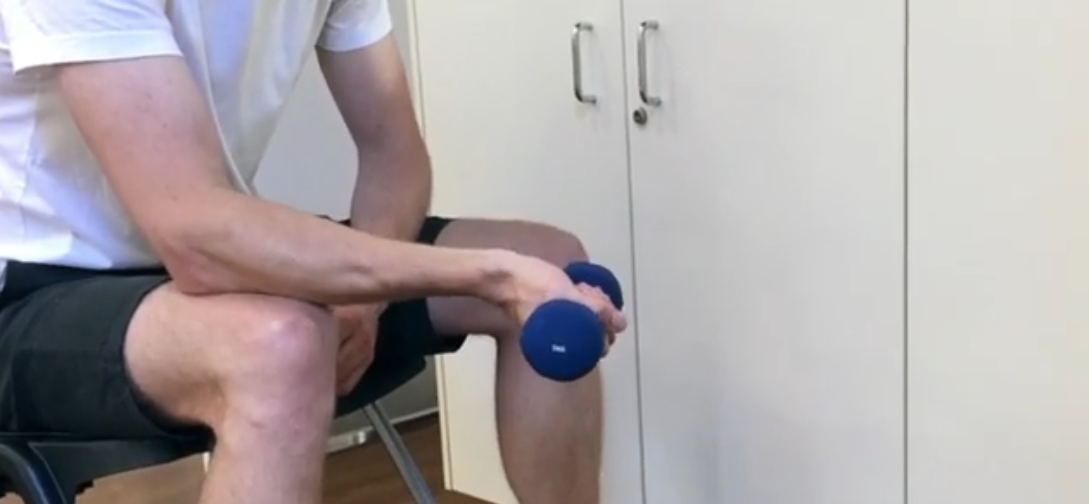
This foundational exercise targets the muscles responsible for paddle control during soft shots. Hold a light weight in your palm, rest your forearm on a table with your hand hanging over the edge, then slowly curl your wrist upward. Perform 3 sets of 15 repetitions.
2. Wrist Extensor Conditioning
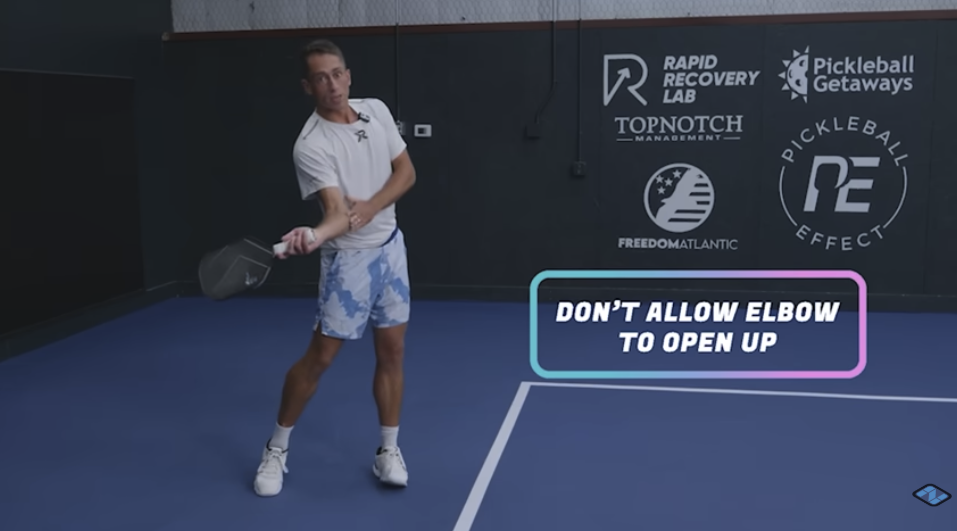
Balance your flexor work with extensor strengthening to prevent muscle imbalances. Using the same position, flip your hand palm-down and lift the weight by extending your wrist backward. This exercise is crucial for backhand stability.
3. Radial and Ulnar Deviation
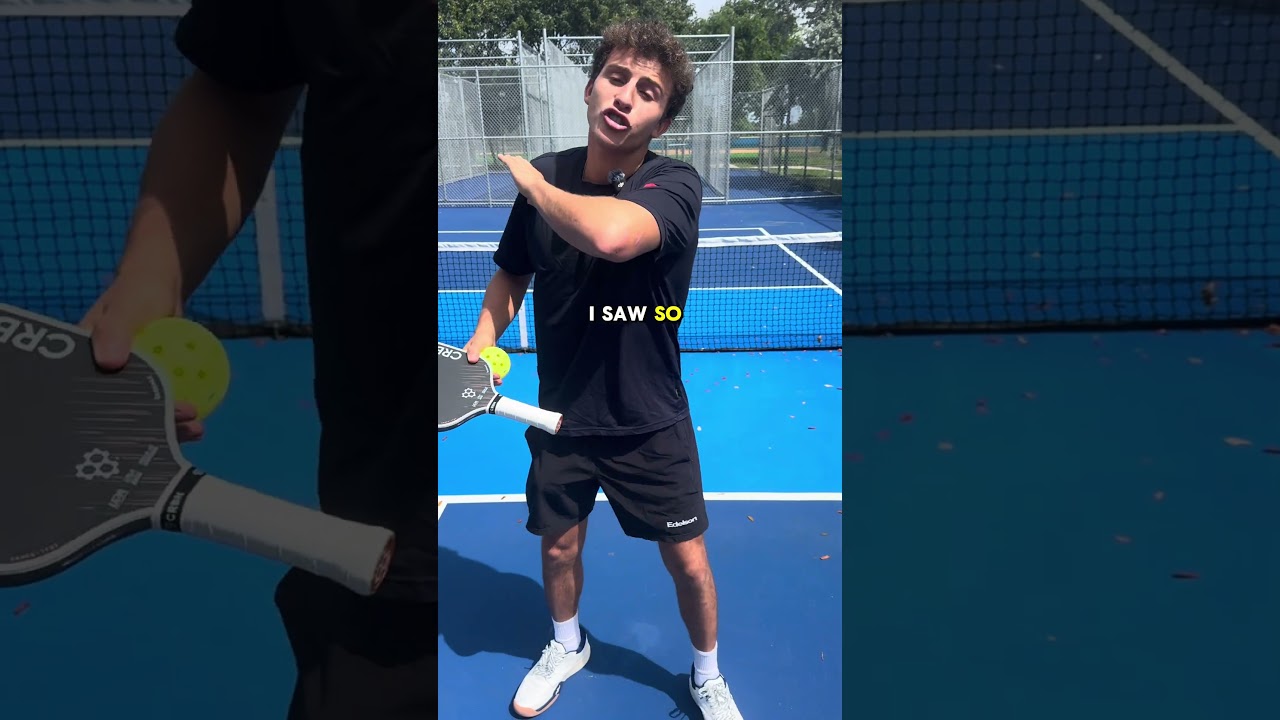
Side-to-side wrist movements strengthen often-neglected stabilizing muscles. Hold a hammer or weighted stick vertically and rock your wrist left and right in controlled movements. This exercise directly translates to better paddle control during angle shots.
4. Grip Strength Development
A strong grip foundation supports all wrist movements. Use a tennis ball or grip trainer for 30-second holds, focusing on maintaining consistent pressure. Strong grip muscles reduce wrist fatigue during long matches.
5. Pronation and Supination
Rotational strength is essential for generating spin and adjusting paddle angle mid-shot. Hold a hammer or light dumbbell and rotate your forearm so your palm faces up, then down. This movement pattern mirrors the natural rotation needed for effective pickleball shots.
6. Isometric Stability Holds
Static holds build the endurance needed for consistent performance throughout lengthy games. Hold your wrist in various positions against resistance for 15-30 seconds, focusing on maintaining perfect alignment.
Programming Your Wrist Training
Effective wrist conditioning requires consistent, progressive loading. Start with bodyweight exercises and light resistance, gradually increasing difficulty as your strength improves.
Beginner Schedule: 3 times per week, 2 sets of each exercise
Intermediate Schedule: 4 times per week, 3 sets with added resistance
Advanced Schedule: 5 times per week with sport-specific movement patterns
Always perform these exercises on non-consecutive days to allow proper recovery. Your wrists adapt quickly to consistent stimulus, but they also fatigue easily when overworked.
Integrating Wrist Health with Court Performance
The strongest wrists in the world won't help if your technique creates unnecessary stress. Focus on proper paddle grip pressure—firm enough for control, loose enough to allow natural wrist movement.
Warm up your wrists before every session with gentle circles and stretches. Cool down afterward with static stretches to maintain flexibility and reduce stiffness.
Frequently Asked Questions
How long before I notice stronger wrists from these exercises?
Most players experience improved wrist stability within 2-3 weeks of consistent training. Strength gains typically become noticeable after 4-6 weeks of regular exercise.
Can I do these exercises if I already have wrist pain?
If you're experiencing wrist pain, consult a healthcare provider before starting any exercise program. These exercises work best as prevention rather than treatment for existing injuries.
Should I train my wrists on the same days I play pickleball?
Light wrist exercises can serve as an effective warm-up before play, but avoid intensive strengthening work immediately before or after court time. Schedule dedicated wrist training on alternate days for optimal recovery.