Ever wondered what truly separates professional pickleball players from weekend warriors? The answer might surprise you. It's not always about superior athleticism or countless hours of practice time.
The real distinction lies in the strategic mindset and tactical decision-making that occurs on every single point. Professional players consistently make choices that amateurs overlook, creating a performance gap that extends far beyond physical ability.
The Mental Game: Strategy Over Power
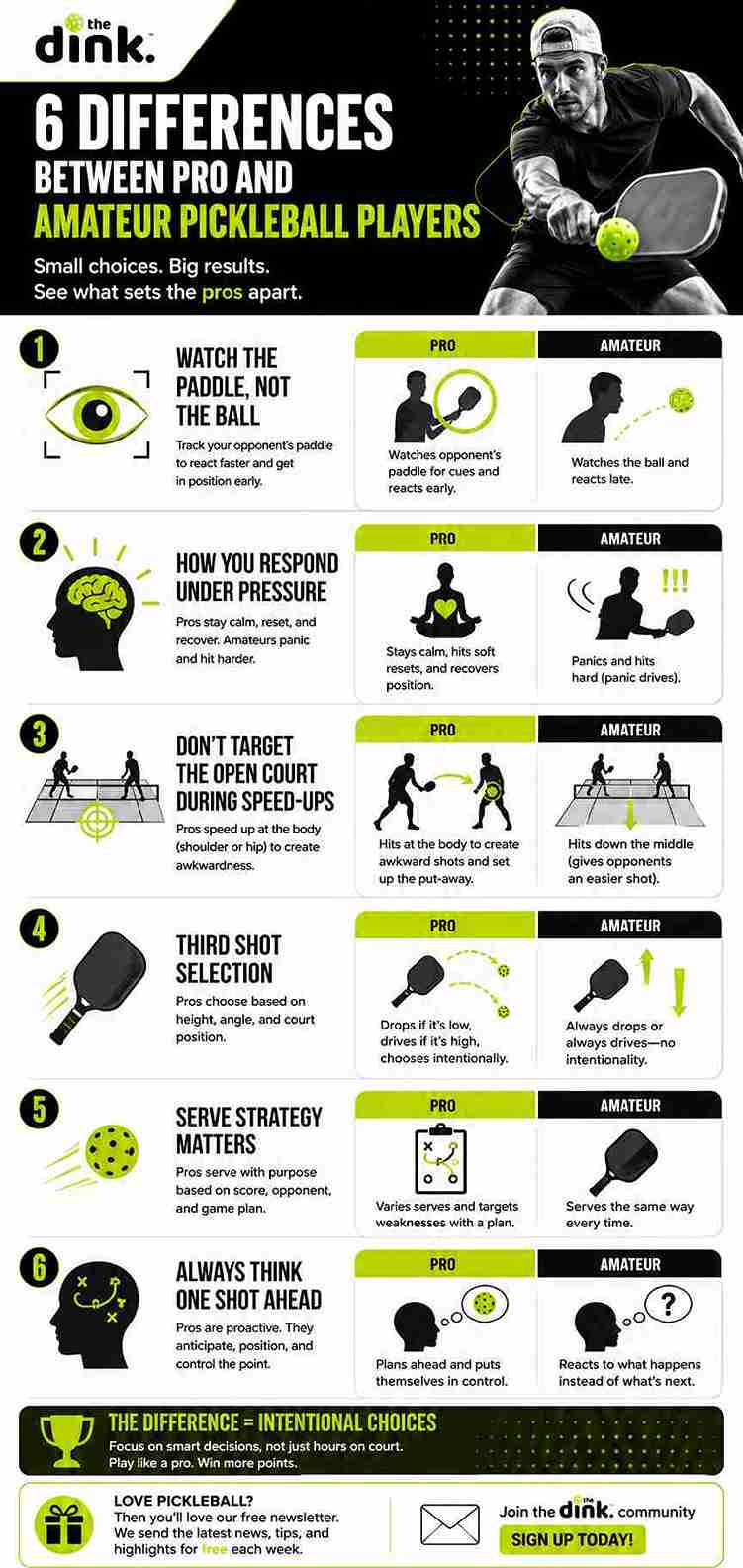
Professional pickleball players approach each point with a chess-like mentality, thinking several moves ahead. While amateur players often focus on hitting harder or faster, pros concentrate on placement, timing, and creating opportunities through patient point construction.
This strategic approach manifests in shot selection, court positioning, and the ability to recognize patterns in opponents' play. Professionals rarely hit a shot without a specific purpose, whether it's setting up the next shot or exploiting a weakness they've identified.
Court Positioning and Movement Efficiency
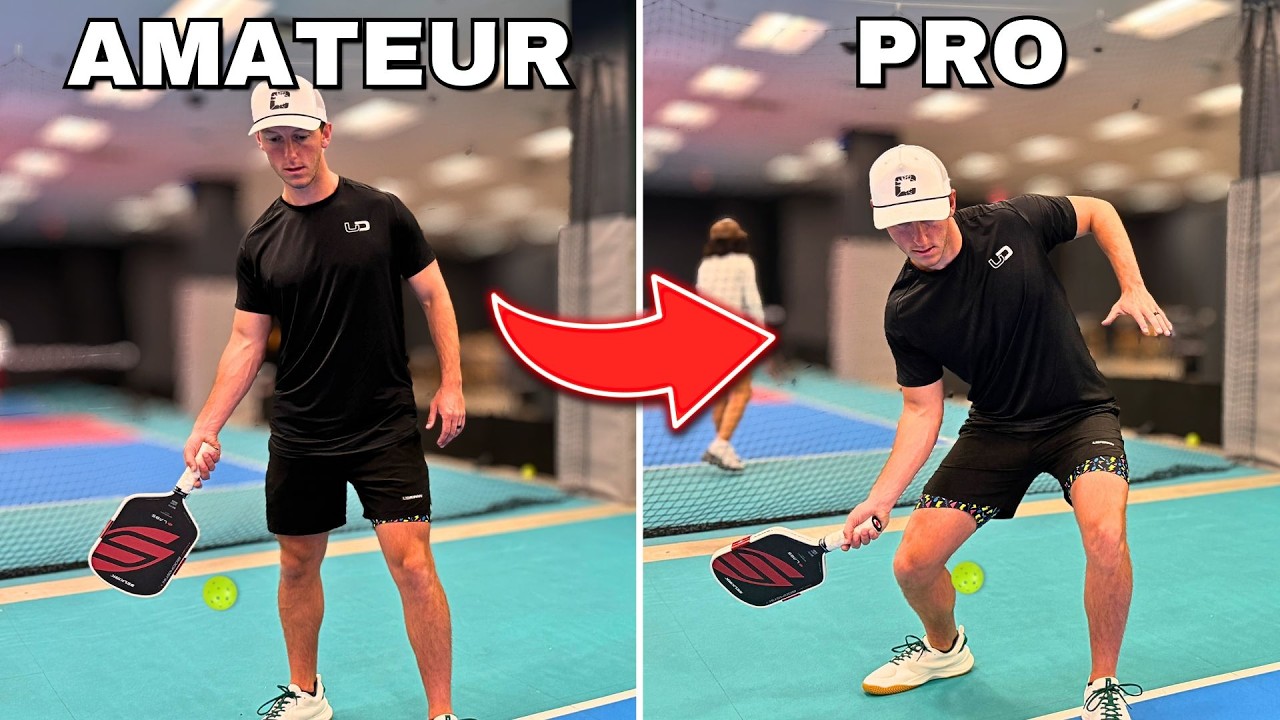
One of the most noticeable differences between skill levels is court positioning. Professional players maintain optimal court position throughout rallies, rarely finding themselves out of position or scrambling to reach shots.
Amateur players often chase the ball rather than anticipating where it's going. Pros use efficient movement patterns, taking fewer steps to cover more ground while maintaining balance and preparation for the next shot.
The Non-Volley Zone Mastery
Professional players treat the kitchen line as their command center. They understand the subtle nuances of positioning relative to the non-volley zone, using it strategically rather than simply avoiding it.
This includes knowing when to step back, when to crowd the line, and how to use body positioning to create advantageous angles for both offensive and defensive shots.
Shot Selection and Risk Management
Perhaps the most significant difference lies in shot selection. Professional players excel at risk-reward analysis, choosing shots that maximize their chances of winning points while minimizing unforced errors.
Amateur players often attempt low-percentage shots or miss opportunities for easier winners. Pros consistently select shots that put pressure on opponents while maintaining control of the point.
The Power of Patience
Professional players understand that not every shot needs to be a winner. They're willing to hit neutral shots that maintain good court position and wait for the right opportunity to attack.
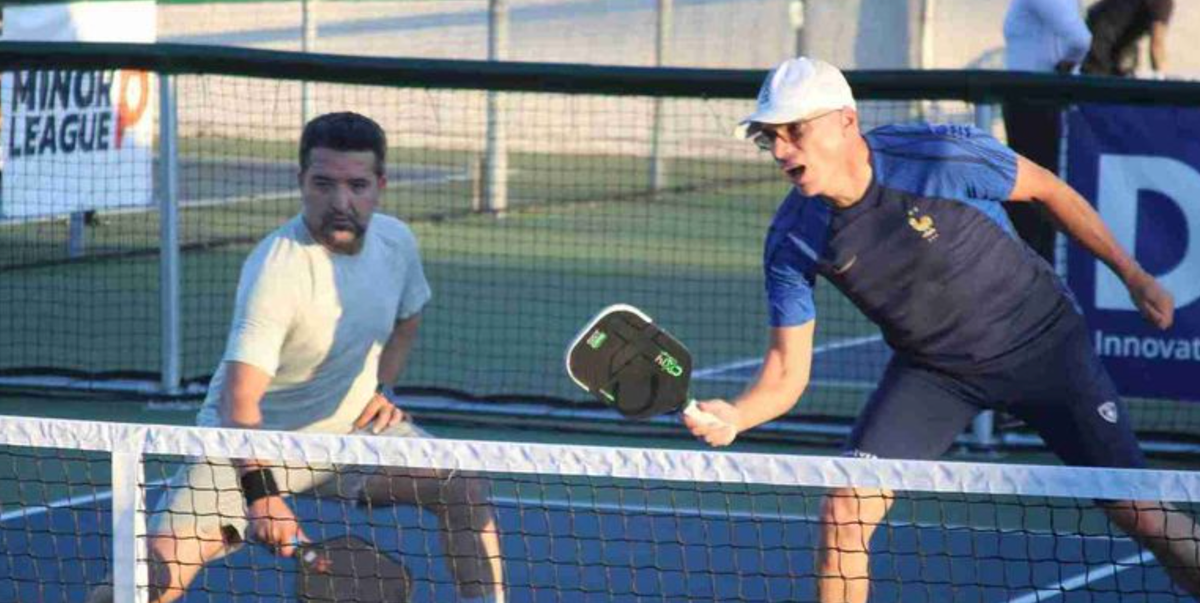
This patience extends to rally construction, where pros build points methodically rather than rushing for quick finishes that often result in errors.
Communication and Partnership Dynamics
In doubles play, professional teams communicate seamlessly throughout matches. This goes beyond calling shots - it includes subtle positioning cues, strategic adjustments, and maintaining positive energy during challenging moments.
Amateur partnerships often struggle with communication breakdowns, leading to confusion about shot responsibilities and missed opportunities for coordinated attacks.
Adaptability and In-Game Adjustments
Professional players excel at making real-time adjustments based on changing match conditions. Whether it's adapting to different opponents, court surfaces, or weather conditions, pros quickly identify what's working and what isn't.
This adaptability extends to tactical flexibility - changing strategies mid-match when initial game plans aren't producing desired results.
Learning from Every Point
Professionals treat each point as a learning opportunity, constantly gathering information about opponents' tendencies, preferred shots, and weaknesses. This information gathering helps them make increasingly better decisions as matches progress.
The Path to Improvement
Understanding these differences provides a roadmap for amateur players looking to elevate their game. Focus on developing strategic thinking, improving court positioning, and making smarter shot selections rather than simply hitting harder.
Practice with purpose, emphasizing decision-making scenarios and tactical awareness. Work on communication skills with regular partners and develop the patience to construct points rather than rushing for winners.
Frequently Asked Questions
How can amateur players develop better strategic thinking?
Start by analyzing your shot selection after each point. Ask yourself why you chose that particular shot and whether it was the highest-percentage option. Watch professional matches with focus on decision-making rather than just spectacular shots.
What's the most important skill for improving from amateur to advanced level?
Court positioning and movement efficiency typically provide the biggest improvement for amateur players. Focus on maintaining optimal position relative to the ball and your opponents, and work on moving efficiently rather than just quickly.
How long does it take to develop professional-level strategic thinking?
Strategic development varies by individual, but most players need consistent practice and match experience over 1-2 years to significantly improve their tactical decision-making. Regular play against stronger opponents accelerates this process.