The transition zone in pickleball is silently sabotaging your game. While most players focus on perfecting their serves and dinks, they're missing the critical four-second window between baseline and kitchen where matches are truly won and lost.
Professional coach Troy Akin has identified this as the #1 area where amateur players hemorrhage points without even realizing it. Here are his 7 game-changing strategies to transform your transition zone play from liability to weapon.Why the Transition Zone Destroys Most Players
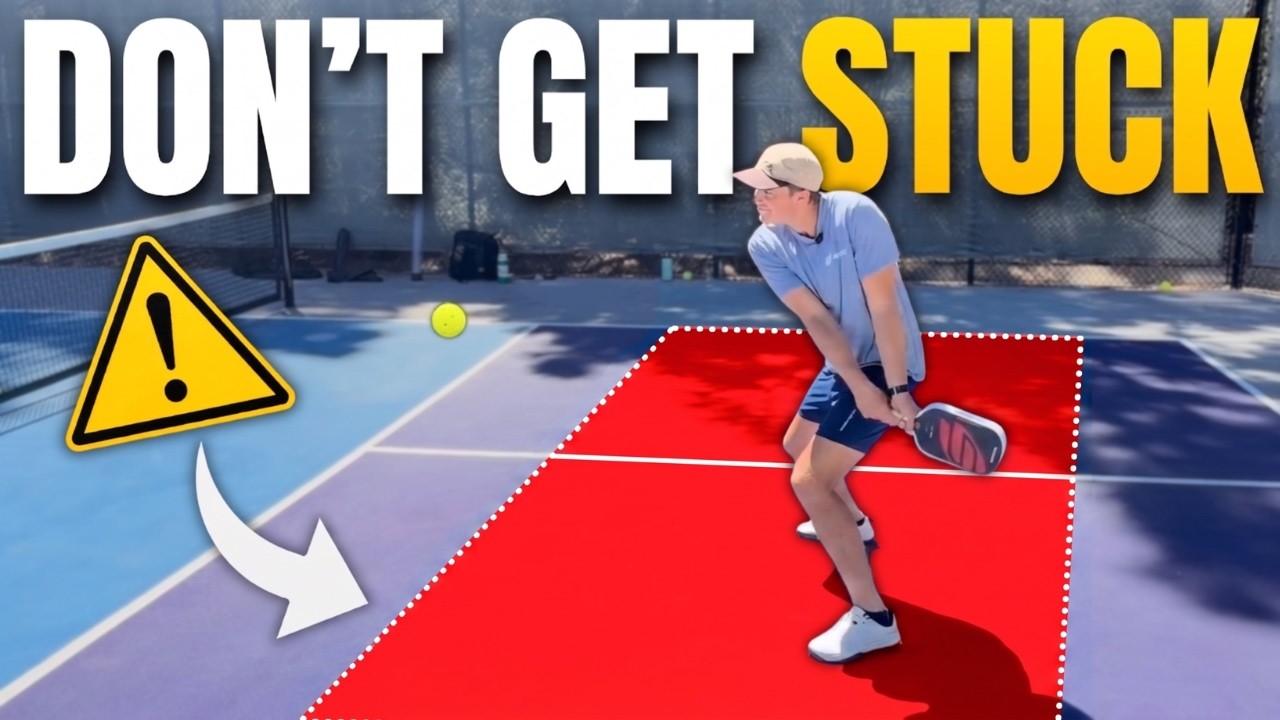 The transition zone - that awkward middle court area between the baseline and non-volley zone - represents the most vulnerable position in pickleball. Unlike tennis where you can power through with groundstrokes, pickleball demands precision, patience, and strategic positioning during this critical phase.
Most recreational players make the same fatal mistakes:
The transition zone - that awkward middle court area between the baseline and non-volley zone - represents the most vulnerable position in pickleball. Unlike tennis where you can power through with groundstrokes, pickleball demands precision, patience, and strategic positioning during this critical phase.
Most recreational players make the same fatal mistakes:
- Rushing forward too quickly after the return
- Getting caught in no-man's land with poor positioning
- Attempting low-percentage shots under pressure
- Failing to read their opponent's intentions
Troy Akin's 7 Essential Transition Zone Strategies
1. Master the Split-Step Timing
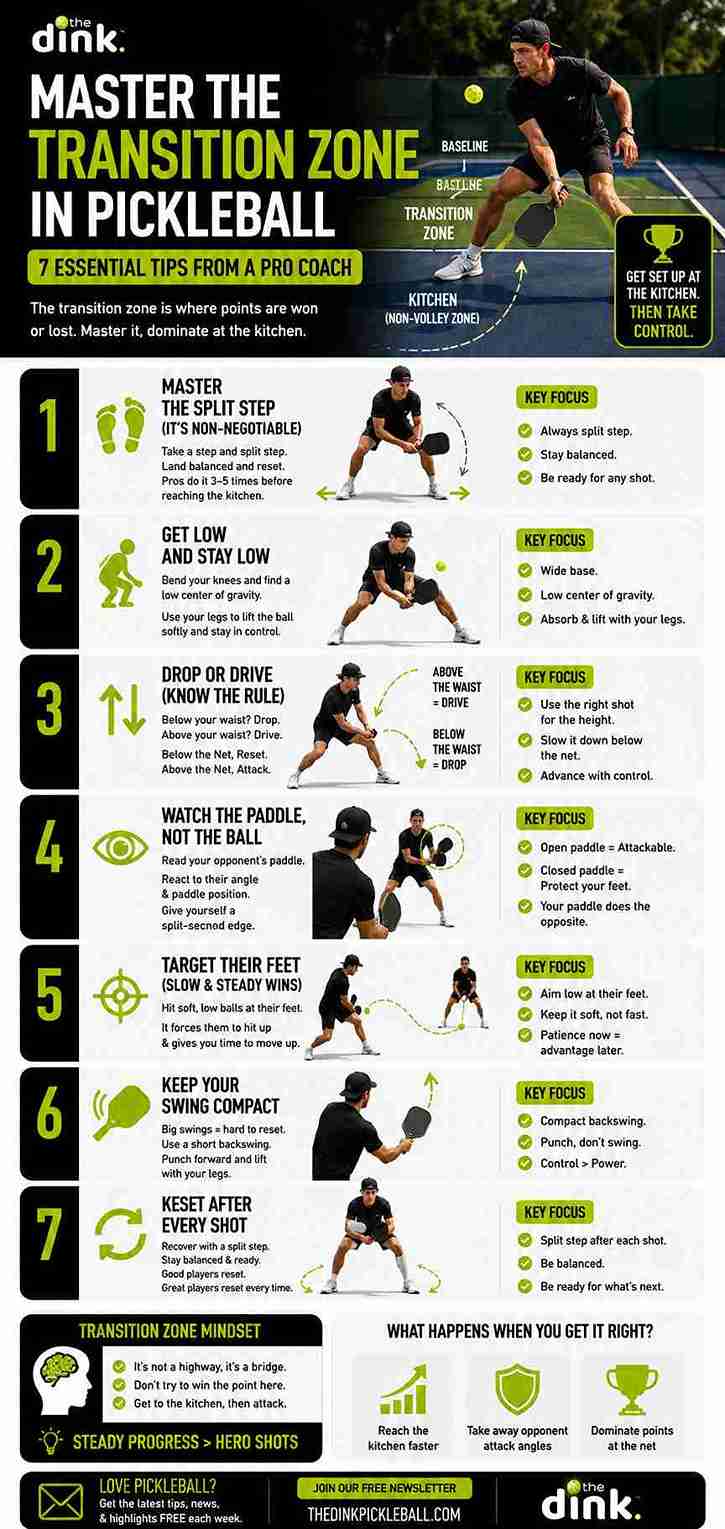 The split-step isn't just for tennis. Execute a controlled split-step as your opponent makes contact with the ball. This athletic position prepares you to move in any direction while maintaining balance for your next shot.
2. Use the "Ready Position" Philosophy
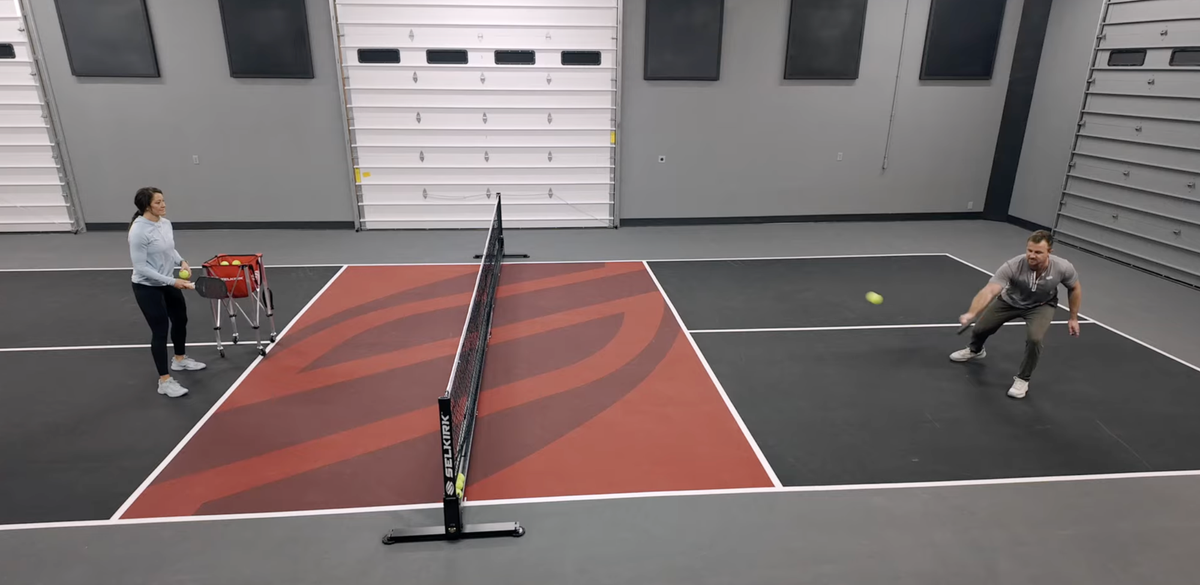 Stay in an athletic stance with paddle up, weight on the balls of your feet. Your paddle should be positioned at chest level, ready for both forehand and backhand responses. This positioning cuts your reaction time in half.
3. Control Your Forward Movement
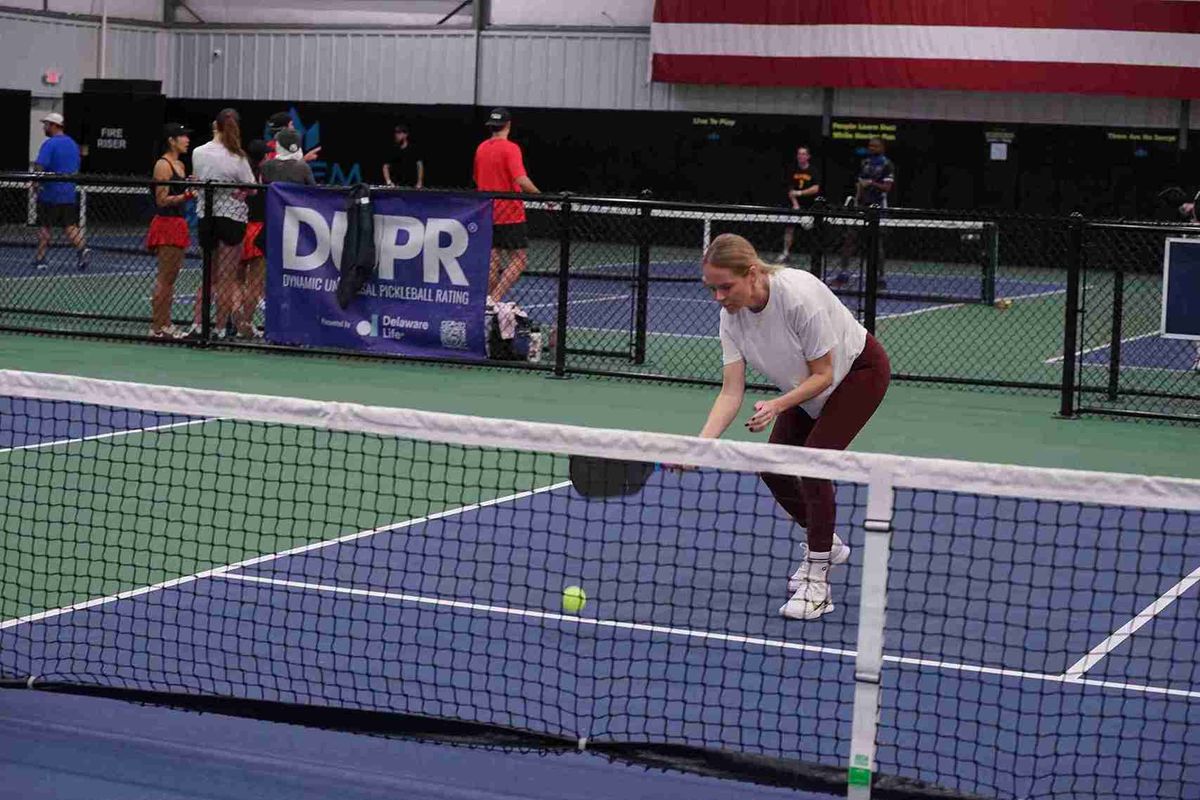 Advance toward the kitchen in controlled steps, not desperate sprints. Move forward only when you've hit an offensive shot that allows safe advancement. Each step should be deliberate and balanced.
4. Perfect the Transition Shot Selection
Choose high-percentage shots during transition. Aim for deep, penetrating drives or well-placed drops rather than attempting winners. Your goal is to either force a weak return or safely advance your position.5. Read Your Opponent's Body Language
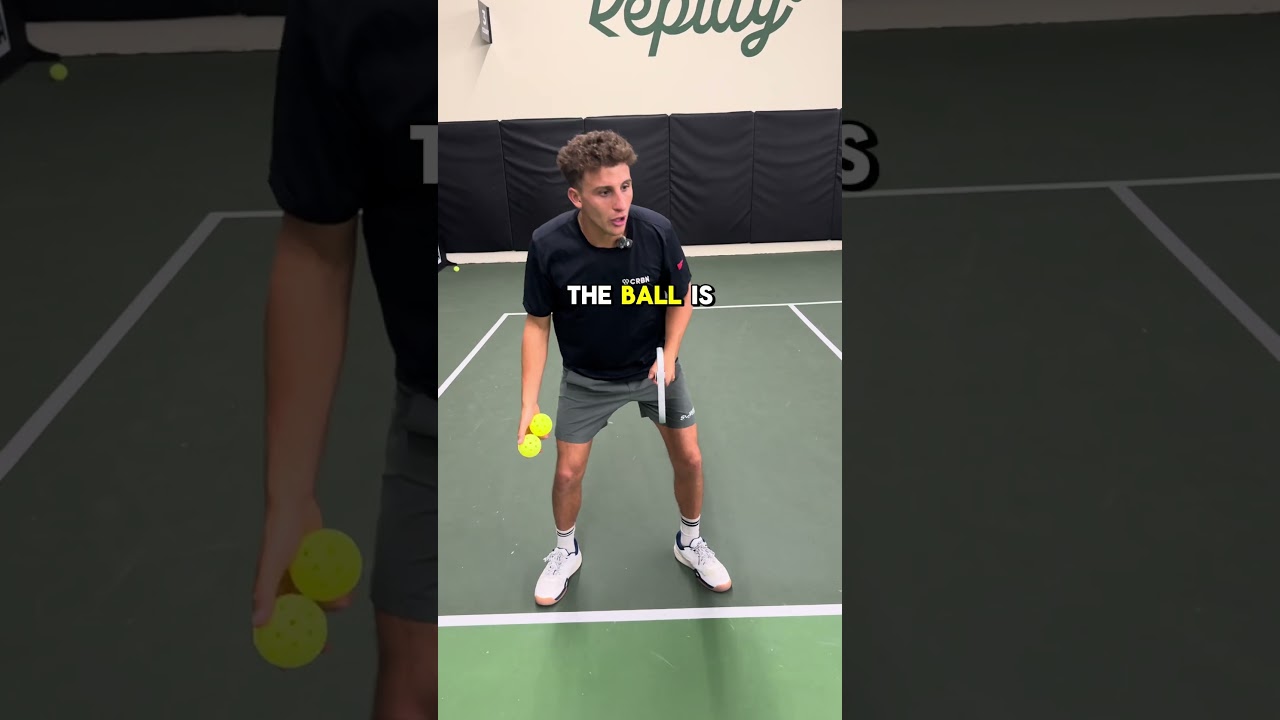 Watch your opponent's paddle angle, stance, and preparation. These visual cues telegraph their intended shot direction and power, giving you crucial milliseconds to prepare your response and positioning.
6. Develop Court Awareness
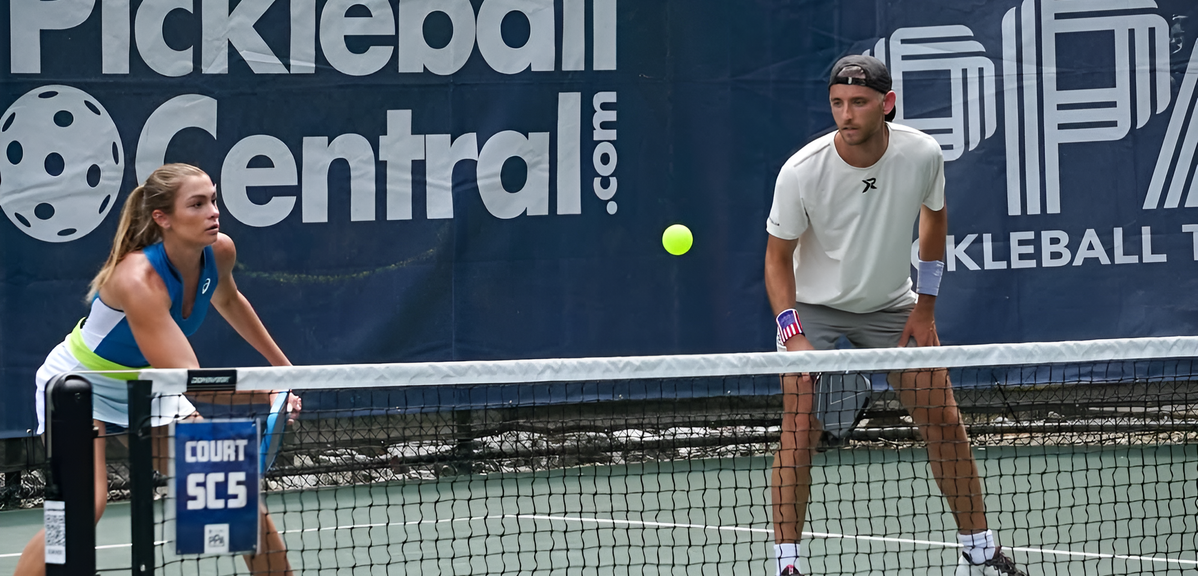 Constantly assess both your position and your partner's location. Maintain proper spacing and avoid leaving gaps that opponents can exploit. Communication becomes critical during these high-pressure moments.
7. Practice the Recovery Shot
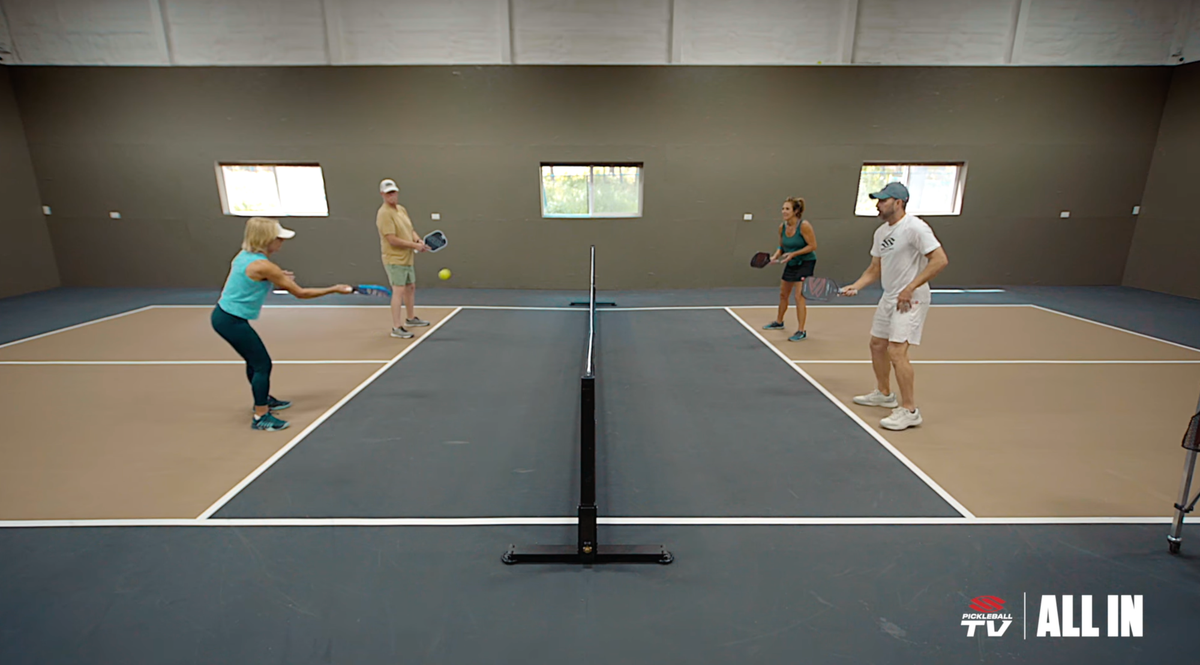 When caught off-guard in the transition zone, focus on a defensive lob or deep drive to reset the point. Don't attempt miracle shots - prioritize getting back into better position for the next exchange.
Implementing These Strategies in Your Game
Start by practicing these concepts during warm-up drills. Work on transition zone positioning with a partner, focusing on controlled movement and shot selection rather than power. The key is developing muscle memory for these positions and decisions. Most players need 3-4 weeks of focused practice to see significant improvement in their transition zone play. Remember: the transition zone isn't about making spectacular shots - it's about making smart decisions that put you in position to win points at the net.Frequently Asked Questions
How long should I spend in the transition zone?
Minimize your time in the transition zone to 2-3 shots maximum. The goal is to either advance safely to the kitchen line or reset the point from the baseline. Lingering in the middle court makes you vulnerable to aggressive opponents.
What's the biggest mistake players make in the transition zone?
The most common error is rushing forward without proper shot selection. Players advance after hitting weak or neutral shots, leaving them exposed to passing shots or drop shots they can't handle effectively.
Should I always try to get to the net quickly?
Not necessarily. Advance only when you've hit an offensive shot that puts pressure on your opponents. Sometimes staying back and hitting another groundstroke is the smarter tactical choice than rushing forward into a vulnerable position.