The return of serve in pickleball isn't just about getting the ball back over the net—it's your first opportunity to seize control of the entire rally. Professional players understand this fundamental principle and use their returns as strategic weapons to dictate the pace, positioning, and outcome of every point.
While recreational players often focus solely on making contact with the ball, elite athletes view the return as a chess move that sets up their entire tactical approach for the rally ahead.
The Foundation of Professional Return Strategy
Professional pickleball players approach returns with three core objectives: neutralize the server's advantage, create favorable court positioning, and establish rally control from the outset. This strategic mindset transforms what many consider a defensive shot into an offensive opportunity.
The key lies in understanding that the return of serve is your chance to move the serving team out of their comfort zone before they can establish dominance at the net. Top players accomplish this through precise placement, controlled aggression, and tactical awareness.
Placement Over Power: The Pro Approach
Elite players prioritize surgical precision over raw power when executing returns. The most effective strategy involves targeting specific zones that force the serving team into disadvantageous positions.
Deep and Crosscourt Returns
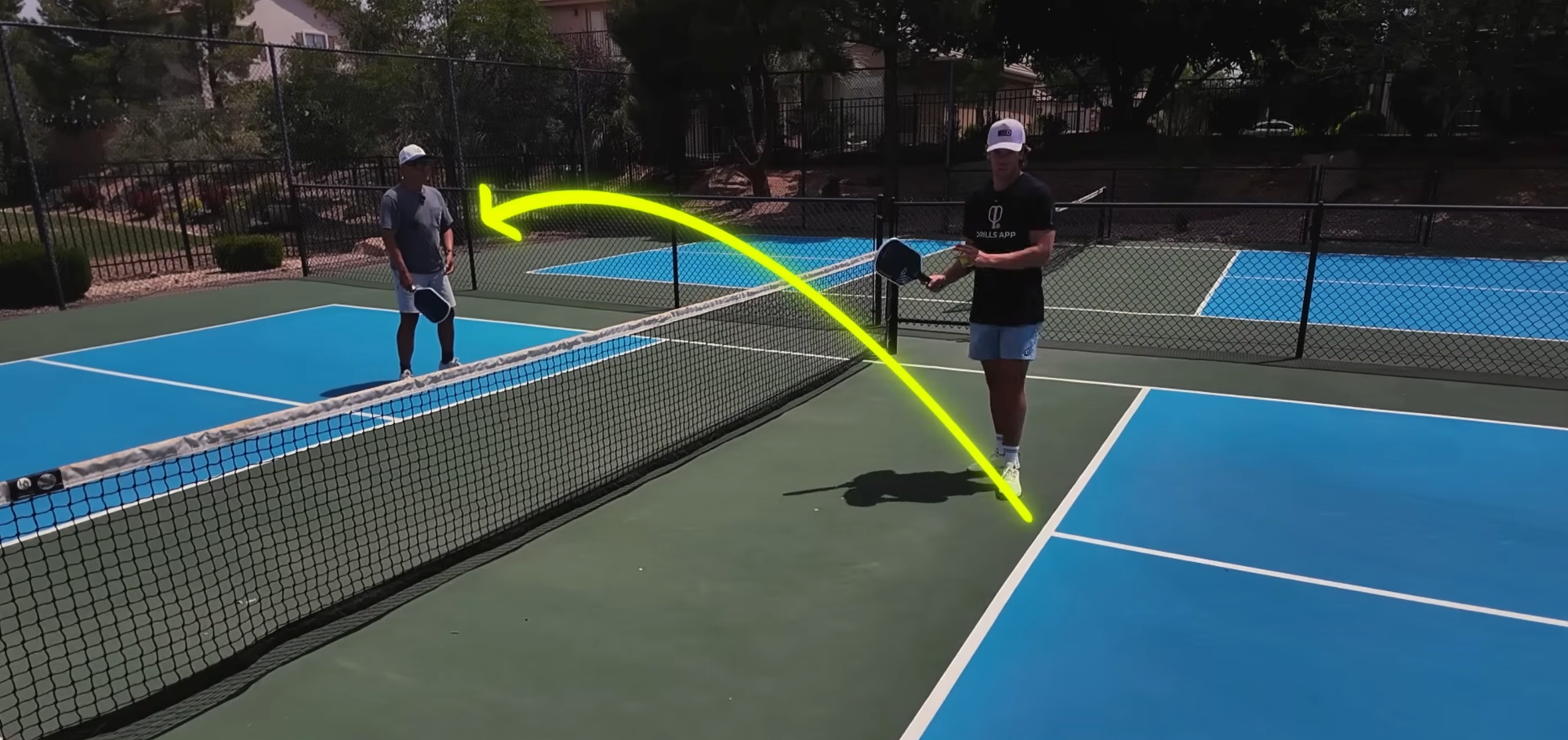
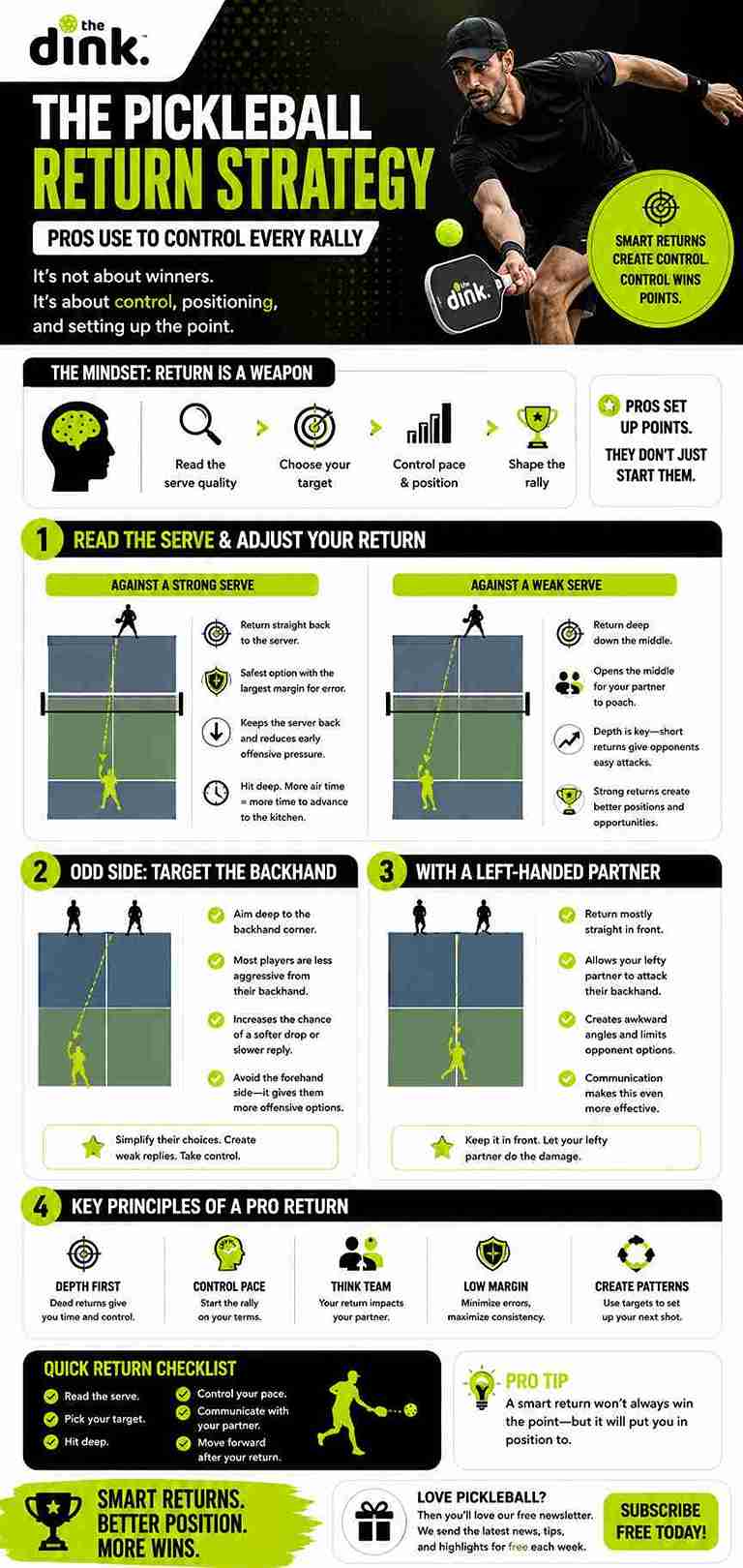
Professional players consistently aim for deep crosscourt returns that land within three feet of the baseline. This placement serves multiple strategic purposes: it maximizes court distance, reduces angles for the third shot, and keeps the serving team pinned back while you advance to the net.
The crosscourt angle is particularly effective because it uses the longest distance on the court, providing the greatest margin for error while still maintaining offensive pressure.
Attacking the Backhand
When the opportunity presents itself, pros target the server's backhand side, especially if they've identified it as a weakness during warm-up or early rallies. This targeted approach often results in weaker third shots that can be attacked aggressively.
Advanced Return Techniques
Professional players employ several sophisticated techniques that recreational players often overlook.
The Neutral Block Return
Against aggressive serves, top players use a controlled block return that absorbs pace while maintaining depth and placement. This technique prevents the server from gaining momentum while keeping you in the point.
Topspin for Consistency
Adding moderate topspin to returns helps clear the net safely while bringing the ball down quickly for better depth control. This spin also makes the ball more challenging for opponents to attack on their third shot.
Reading the Serve to Optimize Your Return
Professional players excel at quickly analyzing incoming serves to determine the optimal return strategy. They assess serve speed, spin, and placement within milliseconds to choose between offensive and defensive return options.
Against hard serves, pros focus on controlled placement rather than trying to match pace. Conversely, when facing soft serves, they step forward and take the ball early to maintain offensive pressure.
Footwork and Court Positioning
Elite players position themselves to maximize return options while preparing for immediate forward movement after contact. The ready position is typically 2-3 feet behind the baseline, with weight slightly forward to enable quick directional changes.
After executing the return, professional players immediately begin their advance toward the net, understanding that court positioning is just as crucial as the return itself.
Mental Approach and Consistency
Professional pickleball players maintain unwavering focus on return consistency, understanding that unforced errors on this crucial shot immediately surrender control of the rally. They develop reliable return patterns while remaining adaptable to different serve styles and game situations.
The mental approach involves treating each return as an investment in the rally's outcome, not just a reaction to the opponent's serve.
Frequently Asked Questions
What's the most important aspect of a professional return strategy?
Consistency and depth are paramount. Professional players prioritize getting deep, controlled returns over attempting winner shots that increase error rates.
Should I always return crosscourt like the pros?
While crosscourt returns are generally preferred due to the longer court distance and better angles, occasionally mixing in down-the-line returns can keep opponents guessing and prevent them from anticipating your strategy.
How do pros handle extremely fast serves on returns?
Against pace, professional players focus on shortening their backswing, using a block technique, and prioritizing placement over power. The goal is to neutralize the serve's pace while maintaining control of court positioning.