Are you spending countless hours on the pickleball court but still struggling to see meaningful improvement in your game? You're not alone. Many players unknowingly sabotage their progress through ineffective practice habits that feel productive but deliver minimal results.
Jordan Briones, founder of Briones Pickleball Academy, has identified seven critical practice mistakes that plague players across all skill levels. These errors cost valuable time and prevent even dedicated athletes from reaching their potential on the court.
Why Most Pickleball Practice Sessions Fail
The majority of recreational players approach practice with good intentions but poor execution. They focus on repetitive drills that don't mirror actual game situations, leading to muscle memory that breaks down under competitive pressure.
According to Briones, the disconnect between practice and performance stems from fundamental misunderstandings about skill development. Players often prioritize quantity over quality, rushing through drills without proper focus or intentionality.
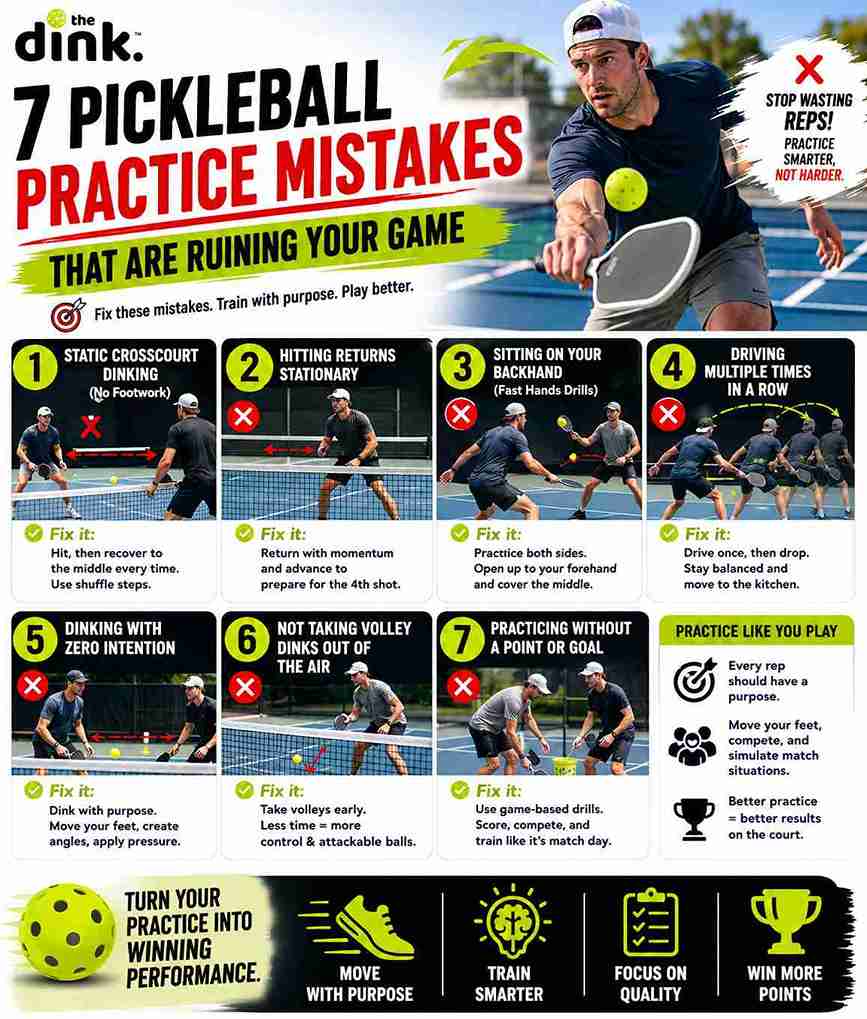
The Seven Practice Mistakes Destroying Your Game
1. Drilling Without Game-Like Pressure
Many players excel at controlled drills but crumble during actual matches. The solution involves incorporating time pressure, movement, and decision-making into every practice session to simulate real competition scenarios.
2. Ignoring Footwork Fundamentals
Shot technique receives most attention while footwork gets neglected. Poor positioning undermines even perfect paddle mechanics, making proper movement patterns essential for consistent performance.
3. Overemphasizing Power Over Placement
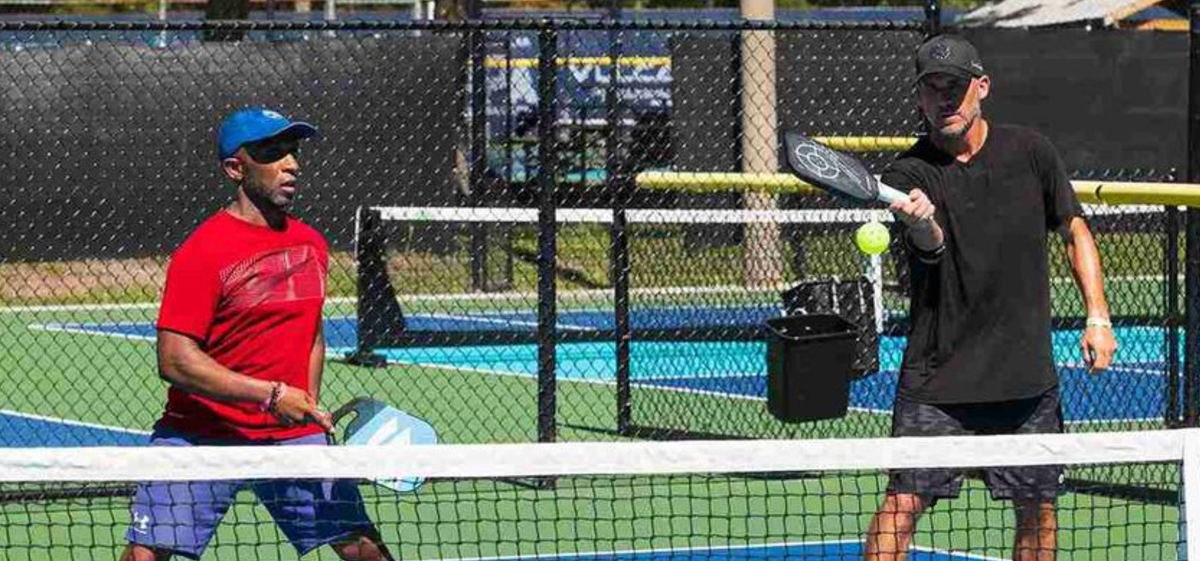
Recreational players frequently focus on hitting harder rather than smarter. Developing touch, spin variation, and strategic placement yields better results than simply increasing shot velocity.
4. Neglecting Mental Training
Physical skills represent only half the equation. Players who ignore visualization, focus techniques, and emotional regulation struggle to perform their best when stakes are highest.
5. Practicing Solo Too Often
While individual work has value, pickleball requires constant adaptation to opponents' strategies. Partner drills and competitive scenarios develop crucial reaction and decision-making abilities.
6. Skipping Progressive Skill Building
Jumping directly to advanced techniques without mastering fundamentals creates gaps that limit long-term development. Each skill level requires specific focus areas for optimal progression.
7. Lack of Specific Goal Setting
Vague practice objectives produce mediocre results. Successful players establish measurable targets for each session and track progress systematically over time.
How to Transform Your Practice Sessions
Effective pickleball training requires intentional design around specific outcomes. Start each session with clear objectives, whether improving third-shot consistency or developing better net positioning.
Briones recommends structuring practice around three key components: technical skill development, tactical awareness, and physical conditioning. Each element should connect directly to situations you'll encounter during competitive play.
Quality trumps quantity in every aspect of training. Fifteen minutes of focused, purposeful drilling delivers more value than an hour of mindless repetition.
Building a Championship Mindset
Mental preparation separates good players from great ones. Incorporate visualization exercises, pressure training, and scenario-based decision making into regular practice routines.
Successful players also embrace failure as a learning tool rather than avoiding challenging situations. Push beyond comfort zones during practice to build resilience for competitive moments.
Frequently Asked Questions
How often should I practice to see real improvement?
Quality matters more than frequency. Three focused 45-minute sessions per week will produce better results than daily unfocused play. Consistency and intentionality drive improvement more than raw time investment.
What's the biggest practice mistake beginners make?
New players often skip fundamental movement patterns in favor of flashy shots. Building proper footwork, ready position, and basic stroke mechanics creates a foundation for all future skill development.
Should I focus on weaknesses or strengths during practice?
Dedicate 70% of practice time to addressing weaknesses while maintaining strengths with the remaining 30%. This balanced approach prevents skill gaps while preserving existing advantages.