What transforms a solid recreational player into an elite 6.0 DUPR competitor? The secret isn't in flashy trick shots or overwhelming power—it's in the methodical, precision-focused drilling routine that top professionals use to sharpen their skills daily.
Elite pickleball players understand that excellence comes from mastering the fundamentals under increasingly challenging conditions. This comprehensive drilling routine, used by top-tier professionals, focuses on three critical areas that separate good players from great ones.

The Foundation: Consistency Under Pressure
Professional-level drilling begins with building unshakeable consistency. Elite players don't just practice hitting balls—they practice hitting balls perfectly, every single time, even when fatigued or under pressure.
Progressive Pressure Drilling
The key is creating artificial pressure during practice. Start with slow-paced, controlled exchanges and gradually increase the intensity, speed, and complexity of each drill. This progressive approach mirrors the pressure escalation you'll face in competitive matches.
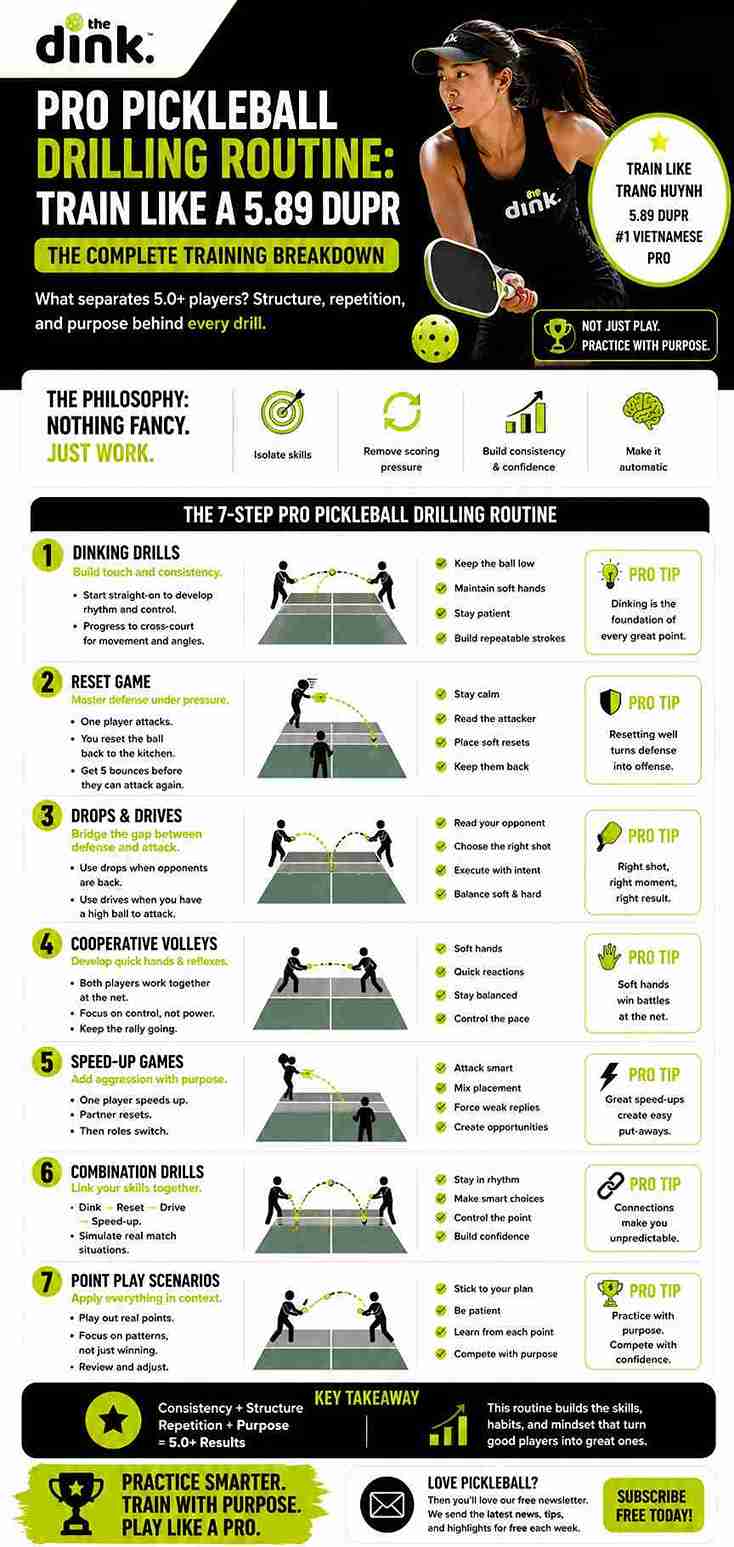
Top players incorporate target zones, time constraints, and consequence-based scenarios into their consistency drills. Missing a target might mean starting the drill over or adding penalty repetitions—anything that raises the stakes and simulates match pressure.
Precision Attack Training
The ability to execute clean, decisive attacks separates intermediate players from advanced competitors. Professional drilling routines emphasize precision over power, teaching players to place attacking shots with surgical accuracy.
Multi-Ball Attack Sequences
Elite players practice attacking from various court positions and ball heights. This includes transitioning from defensive positions to offensive opportunities, a skill that requires split-second decision-making and flawless execution.
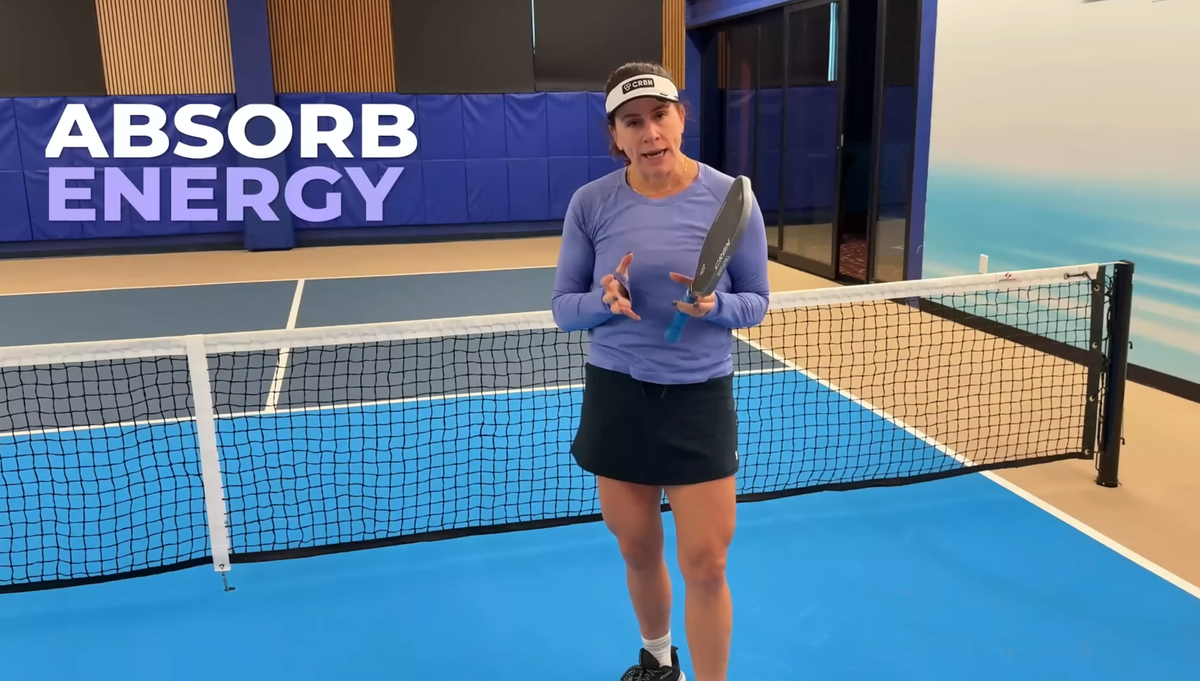
The most effective attack drills incorporate realistic game scenarios. Rather than simply hitting winners from ideal positions, professional training focuses on creating and capitalizing on marginal opportunities—the kind that actually occur during competitive play.
Lightning-Fast Hand Speed Development
Hand speed at the net often determines the outcome of high-level matches. Professional players dedicate significant practice time to developing reflexes and hand-eye coordination that allow them to handle even the most challenging volleys and counter-attacks.

Reflex Enhancement Drills
Elite training includes rapid-fire exchanges at close range, forcing players to react instinctively rather than relying on conscious decision-making. These drills build the muscle memory essential for net play dominance.
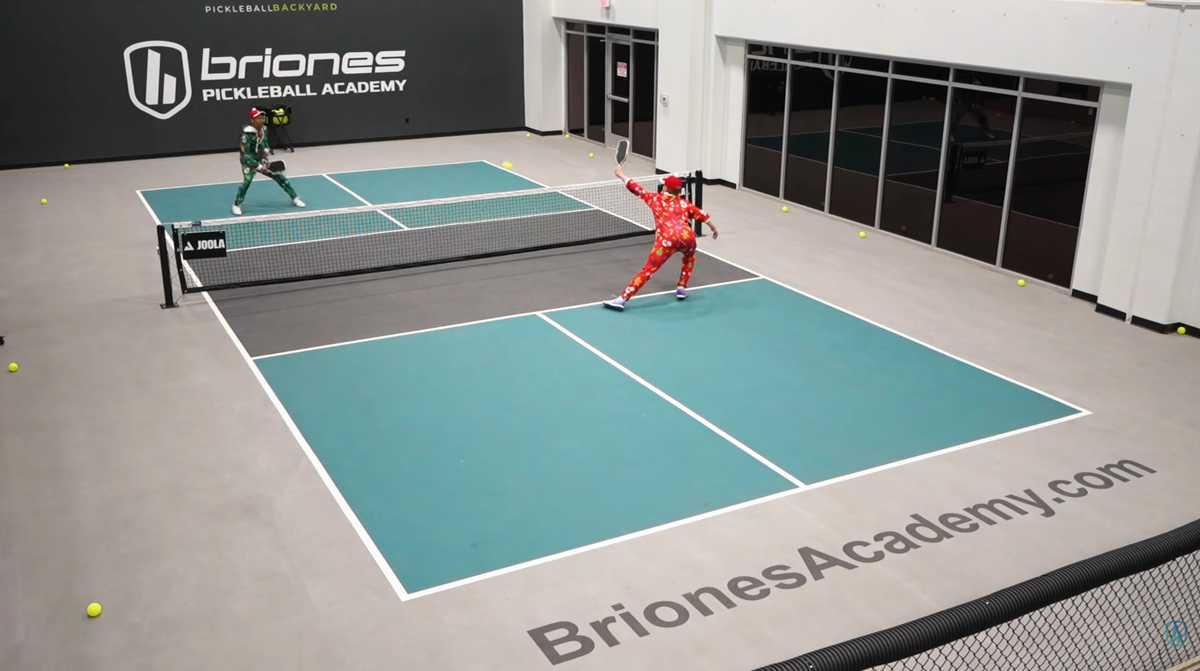
Professional players also practice with varying ball speeds and trajectories, training their hands to adapt instantly to unexpected shots. This adaptability is crucial when facing opponents who can change pace and direction unpredictably.
Implementing the Professional Approach
The most important aspect of professional-level drilling isn't the specific exercises—it's the mindset and methodology. Elite players approach every drill with intense focus, treating practice shots with the same importance as match-winning points.
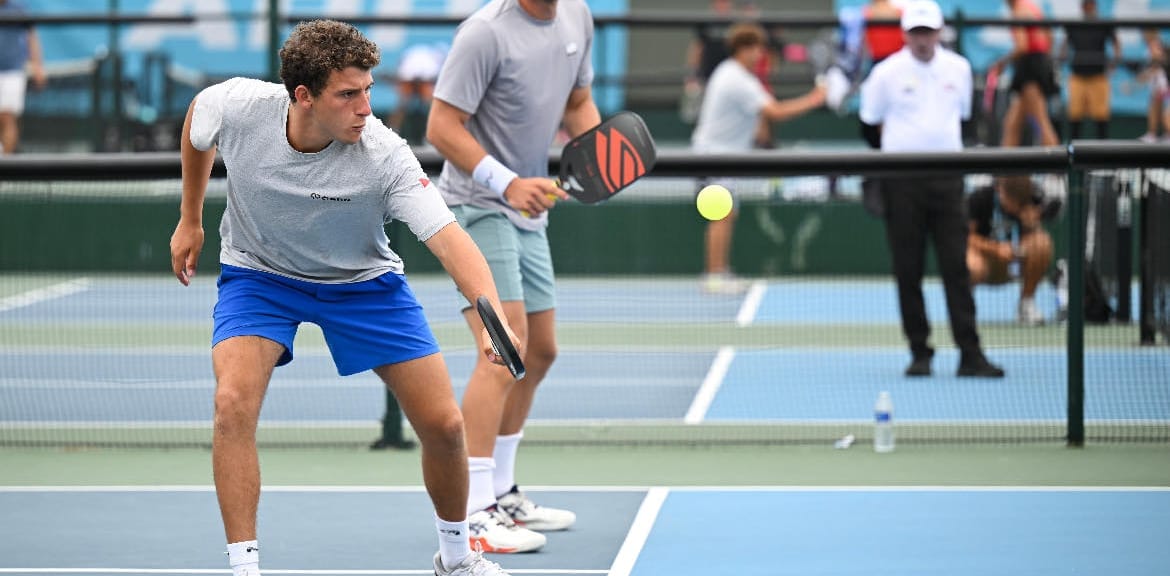
Quality always trumps quantity in professional training. A focused 60-minute session with specific goals and measurable outcomes provides more value than hours of unfocused hitting. Every repetition should have a purpose, and every mistake should be immediately analyzed and corrected.
Recovery and Progression Tracking
Professional players also understand the importance of structured rest and systematic progression. They track their improvement metrics, adjust drilling intensity based on their physical condition, and ensure that each training session builds upon previous work.
FAQ
How often should I practice these elite drilling routines?
Professional players typically train 4-6 times per week, but recreational players should start with 2-3 focused sessions weekly. Consistency matters more than frequency—regular, purposeful practice yields better results than sporadic intensive sessions.
Can these professional drills help players below 5.0 DUPR level?
Absolutely. While the intensity and complexity can be adjusted, the fundamental principles of progressive pressure training, precision development, and systematic skill building benefit players at every level. Start with simplified versions and gradually increase difficulty as your skills improve.
What equipment do I need for professional-level drilling?
Basic equipment includes sufficient balls for continuous drilling, target cones or markers, and ideally a practice partner or ball machine. The most important element isn't expensive equipment—it's maintaining professional-level focus and intensity during every practice session.