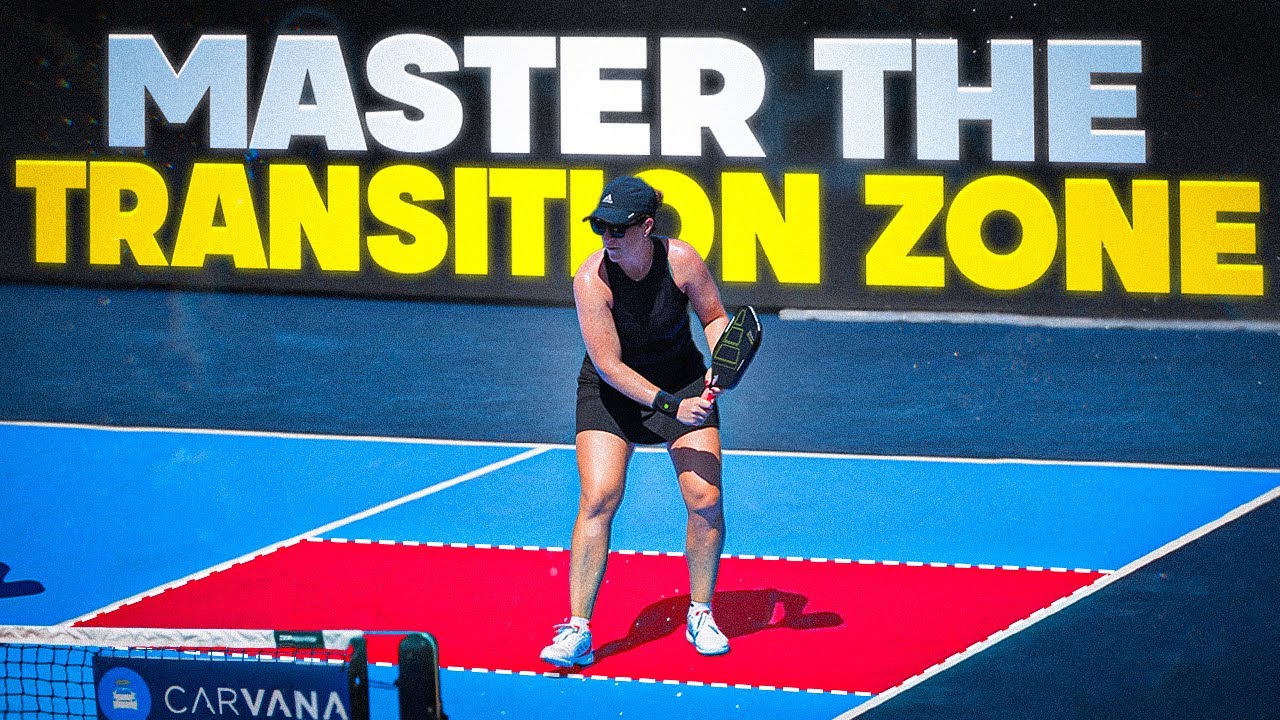
The transition zone—that treacherous area between the baseline and kitchen line—is where most pickleball points are won or lost. If you've struggled with awkward positioning, mistimed shots, or getting caught in no-man's land, you're experiencing one of pickleball's biggest challenges.
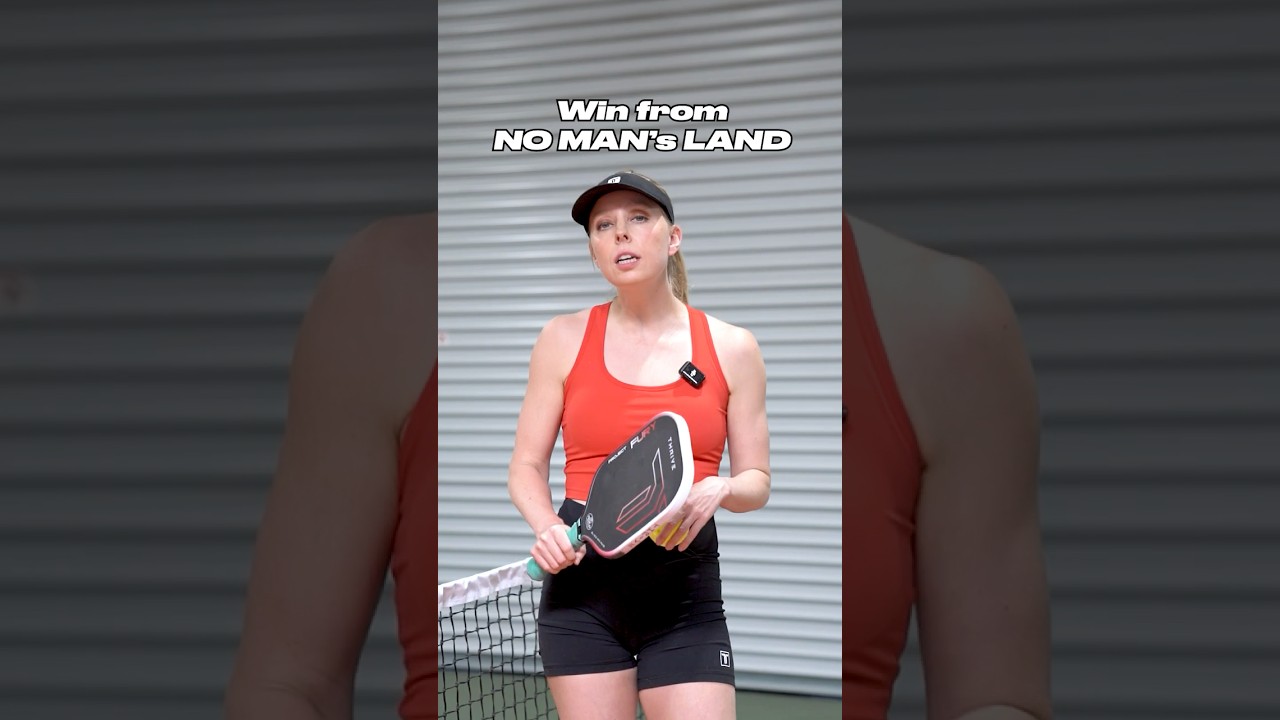
Professional instructor Mari Humberg has identified this problem and created a systematic approach to conquering the transition zone through targeted drilling. Her comprehensive sequence addresses the specific skills needed to move confidently from baseline to kitchen while maintaining offensive positioning.
Why the Transition Zone Destroys Your Game
Most recreational players treat the transition zone as simply a path to get to the kitchen line. This mindset creates several critical errors:
- Poor positioning: Players rush forward without considering shot placement
- Weak return shots: Attempting difficult shots while moving compromises accuracy
- Defensive vulnerability: Getting stuck mid-court leaves you exposed to aggressive opponents
- Timing issues: Moving at the wrong moment disrupts point flow
The solution isn't avoiding the transition zone—it's learning to dominate it through proper technique and positioning.
Humberg's 5-Drill Transition Zone System
Mari Humberg's drilling sequence systematically builds the skills needed for transition zone mastery. Each drill targets specific movement patterns and shot selections that translate directly to match play.
Drill 1: Baseline Reset and Advance
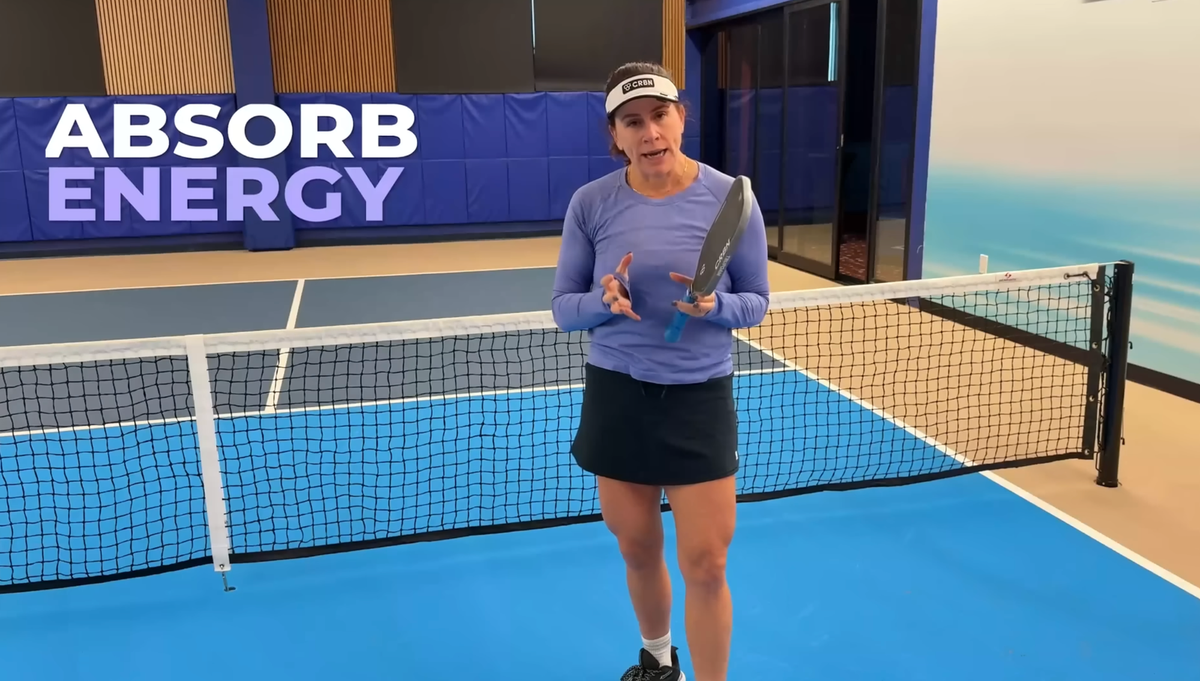
This foundational drill teaches players when and how to begin their forward movement. Starting from the baseline, players practice hitting deep returns while taking controlled steps toward the kitchen. The key is maintaining balance and shot quality while moving.
Focus points include keeping your paddle up, taking small steps, and ensuring your return shot has sufficient depth to allow safe advancement.
Drill 2: Mid-Court Attack Positioning
Once you're comfortable with basic movement, this drill adds offensive elements. Players practice recognizing short balls and moving forward aggressively while maintaining shot control.
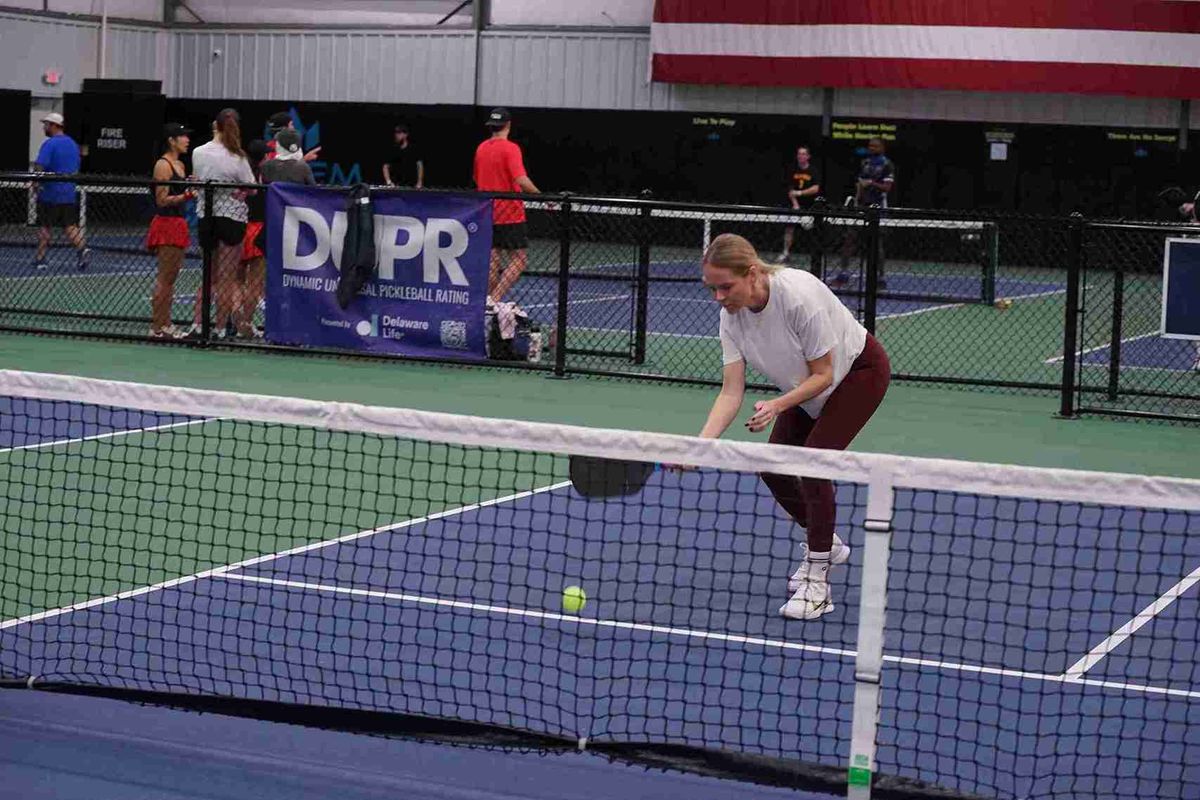
The emphasis is on reading your opponent's shot early and positioning yourself to attack weak returns rather than simply advancing based on a predetermined plan.
Drill 3: Transition Zone Defense
Not every transition zone situation is offensive. This drill teaches players how to handle aggressive shots while positioned in the transition zone, focusing on defensive shot selection and recovery positioning.
Players learn to hit defensive drops, reset the point tempo, and avoid the temptation to attempt low-percentage shots from difficult positions.
Drill 4: Kitchen Line Approach Timing
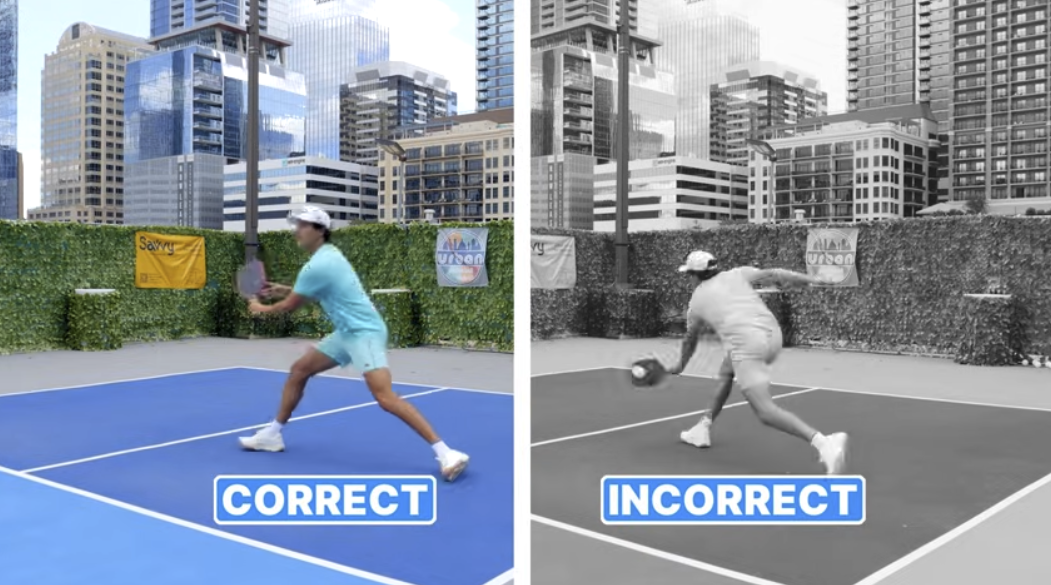
The final approach to the kitchen line requires precise timing. This drill practices the last few steps of transition zone navigation, emphasizing when to complete your forward movement and establish kitchen line positioning.
Players work on reading their opponent's position and shot selection to time their final approach safely.
Drill 5: Complete Sequence Integration
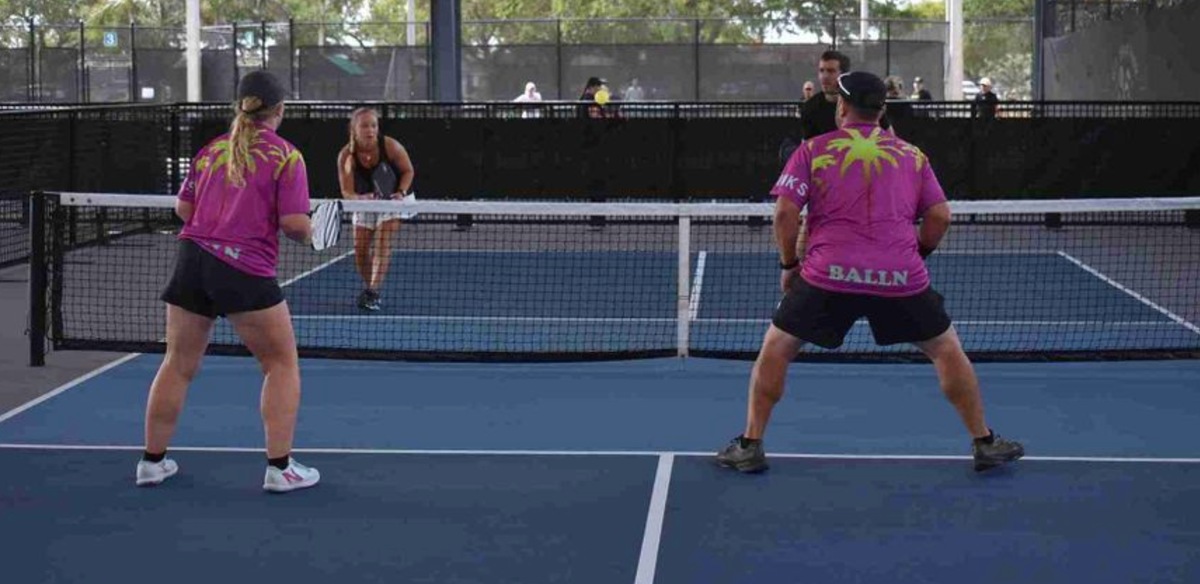
The final drill combines all elements into a flowing sequence that mimics actual match conditions. Players practice the entire transition from baseline to kitchen while incorporating the specific skills developed in the previous four drills.
This integration drill helps players develop the decision-making skills needed to adapt their transition zone play based on point development and opponent positioning.
Implementing Transition Zone Training
Successful transition zone improvement requires consistent practice and gradual skill building. Start with basic movement patterns before adding complex shot selections or speed variations.
Practice these drills regularly, focusing on quality over quantity. Muscle memory development takes time, but the improvement in your overall game positioning will be immediately noticeable.
Remember that transition zone mastery isn't about perfect execution—it's about making better decisions and maintaining better positioning than your opponents during this challenging phase of point play.
Frequently Asked Questions
How often should I practice transition zone drills?
Incorporate transition zone drilling into every practice session, even if only for 10-15 minutes. Consistent exposure to these movement patterns helps develop the muscle memory needed for match situations.
What's the biggest mistake players make in the transition zone?
Rushing to reach the kitchen line without considering shot quality or opponent positioning. Players often sacrifice good shot selection for quick advancement, which leaves them vulnerable to aggressive returns.
Can beginners benefit from these drills?
Absolutely. Starting with proper transition zone habits prevents the development of bad positioning patterns. Beginners should focus on the basic movement and timing elements before adding advanced shot selection components.