The Hidden Problems Behind Your Inconsistent Serve
A weak, unreliable serve can sabotage your entire game before the rally even begins. If you're struggling with inconsistent serves that lack power and precision, you're experiencing one of the most common challenges facing intermediate players today.
Coach Jess from Athena Pickleball, who brings her Division 1 tennis background and sports psychology expertise to the court, has identified three critical issues that prevent players from developing a commanding serve. These problems are especially prevalent among 3.0 to 4.0 level players who have the basics down but struggle to achieve consistency and power.
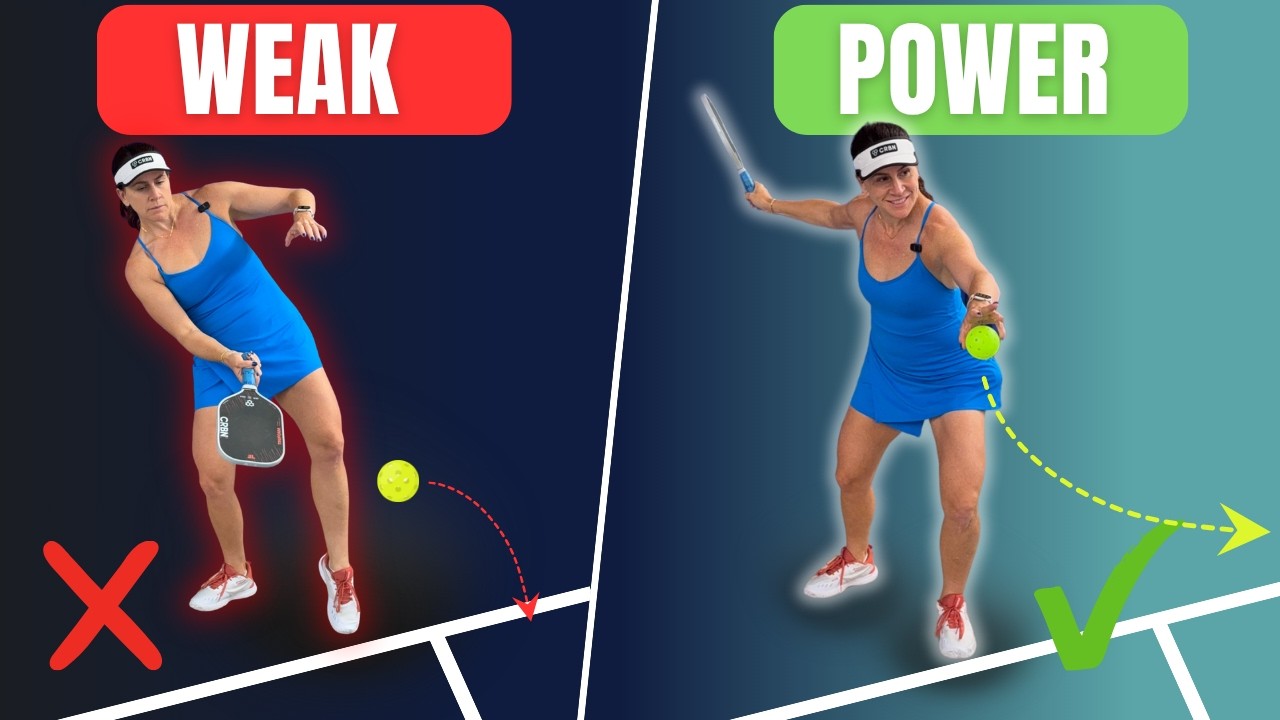
Problem #1: Inconsistent Ball Toss Mechanics
The foundation of any reliable serve starts with your ball toss. Many players unknowingly sabotage their serves by creating unnecessary variables in their toss technique. When your toss varies in height, position, or timing, your entire serving motion becomes unpredictable.
The key is developing a consistent release point and toss trajectory. Your toss should reach the same height and position relative to your body every single time. Practice releasing the ball at the same point in your arm's upward motion, and focus on a smooth, controlled release rather than a quick flick of the wrist.

Toss Consistency Drill
Stand at the baseline and practice your toss without hitting the ball. Let the ball drop and notice where it lands relative to your feet. A consistent toss should land in nearly the same spot every time. Repeat this 20 times, focusing on identical arm motion and release timing.
Problem #2: Poor Weight Transfer and Body Positioning
Power in your pickleball serve doesn't come from arm strength alone—it comes from proper weight transfer and coordinated body movement. Many players make the mistake of relying entirely on their arm and shoulder, missing out on the kinetic chain that generates real power.
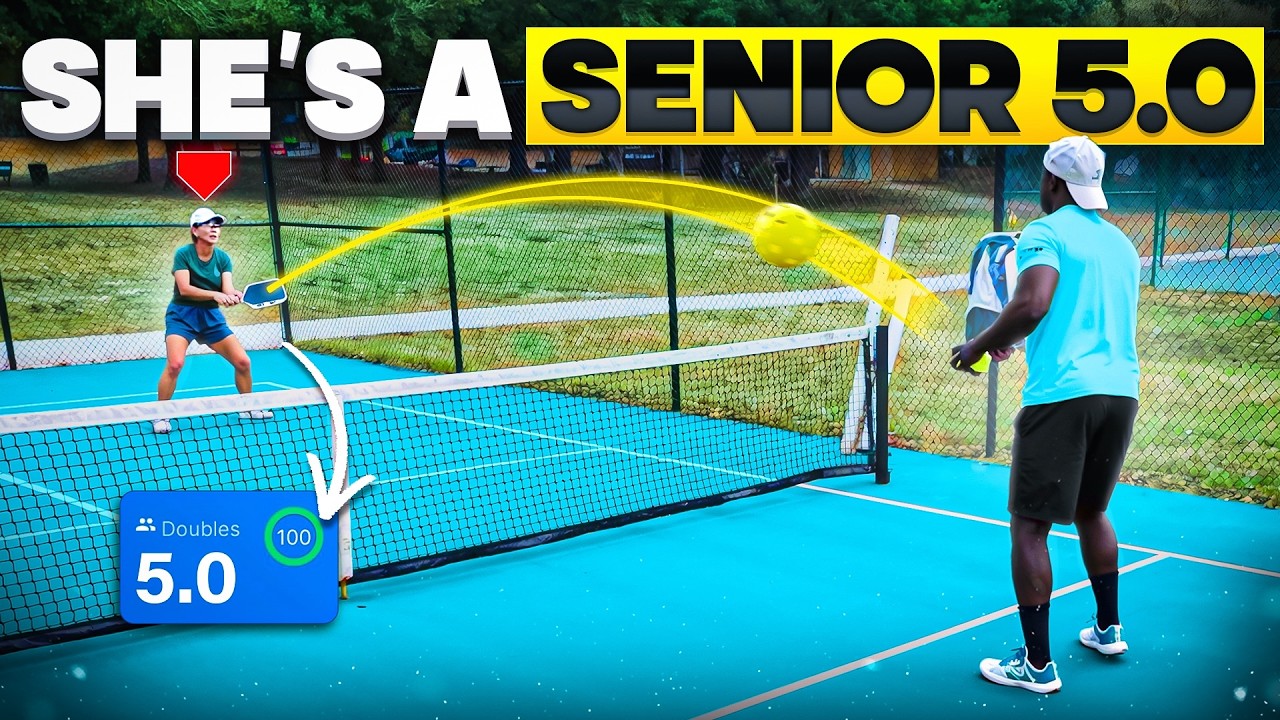
Effective weight transfer begins with your stance and continues through contact. Start with your weight slightly favoring your back foot, then shift forward as you move through the serving motion. This forward momentum, combined with proper hip rotation, creates the foundation for a powerful serve.
The Kinetic Chain Connection
Think of your serve as a wave of energy that starts from the ground up. Your legs initiate the movement, your core transfers the energy, and your arm delivers it to the ball. When these elements work in sequence, you'll notice immediate improvements in both power and consistency.
Problem #3: Flawed Contact Point and Follow-Through
The moment of contact and your follow-through determine both the power and placement of your serve. Many players rush through this crucial phase, making contact too early or too late, and cutting their follow-through short.
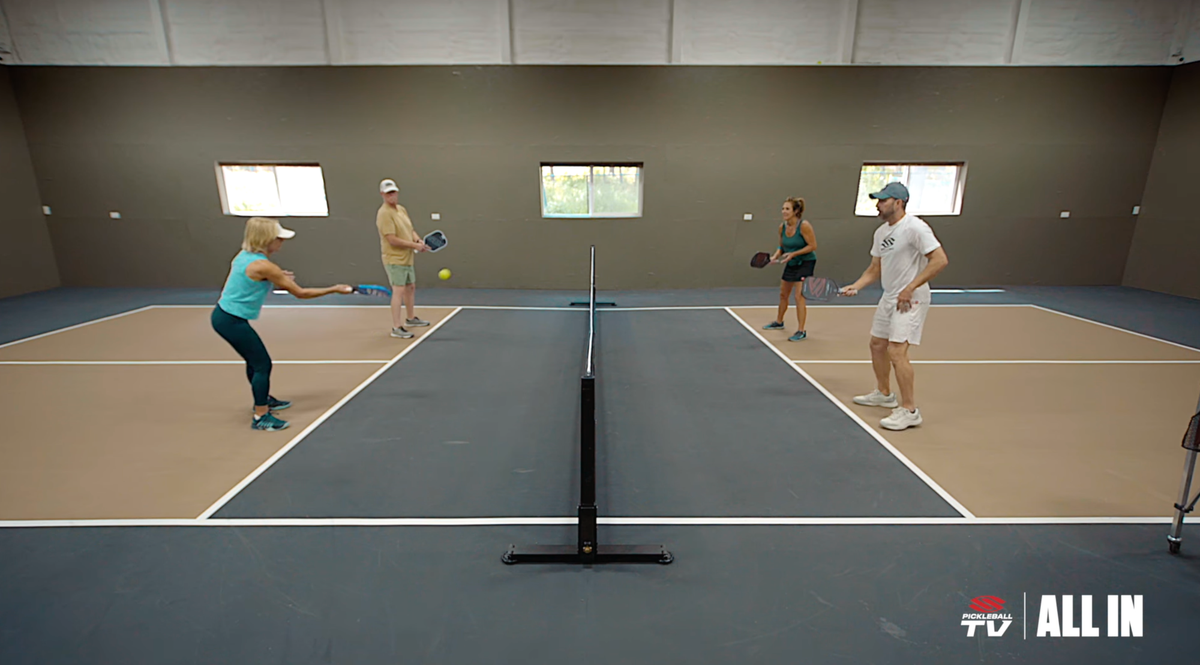
Optimal contact occurs when the ball is slightly in front of your body and at a comfortable reaching height. Your paddle should be moving upward through contact, creating the necessary trajectory to clear the net while maintaining downward pressure for placement.
Follow-Through Fundamentals
Your follow-through should be natural and complete, with your paddle finishing across your body. A proper follow-through indicates that you've maintained acceleration through contact rather than decelerating as you approach the ball.
Putting It All Together: Practice Progression
Master these fixes by practicing them individually before combining them into your complete serve. Start with toss consistency, add weight transfer, then focus on contact and follow-through. This progression ensures each element becomes automatic before adding complexity.
Remember that muscle memory takes time to develop. Be patient with yourself as you integrate these changes, and expect some initial inconsistency as your body adapts to new movement patterns.
Frequently Asked Questions
How long does it take to see improvement in serve consistency?
Most players notice improvements within 2-3 practice sessions when focusing on these fundamentals. However, developing complete muscle memory and consistency typically takes 2-4 weeks of regular practice.
Should I practice these fixes during games or only in practice?
Focus on these technical changes during practice sessions first. Once you feel comfortable with the new mechanics, gradually introduce them into game situations. Trying to make major technical changes during competitive play can temporarily hurt your performance.
What's the most important fix to work on first?
Start with toss consistency, as it's the foundation for everything else. A consistent toss makes it much easier to develop proper timing for weight transfer and contact point.