Pickleball stacking represents one of the most sophisticated positioning strategies in competitive doubles play. This tactical approach allows teams to optimize their court positioning by keeping both players' forehands toward the center of the court, creating significant advantages in rally control and offensive opportunities.
Understanding and implementing stacking techniques can elevate your game from recreational to competitive level, providing the strategic depth that separates advanced players from casual participants.
What Is Pickleball Stacking?
Stacking is a positioning strategy where doubles partners deliberately arrange themselves to maximize their stronger shots, typically their forehands, toward the middle of the court. Unlike traditional positioning where players remain on their designated sides, stacking allows for dynamic repositioning that can confuse opponents and create tactical advantages.
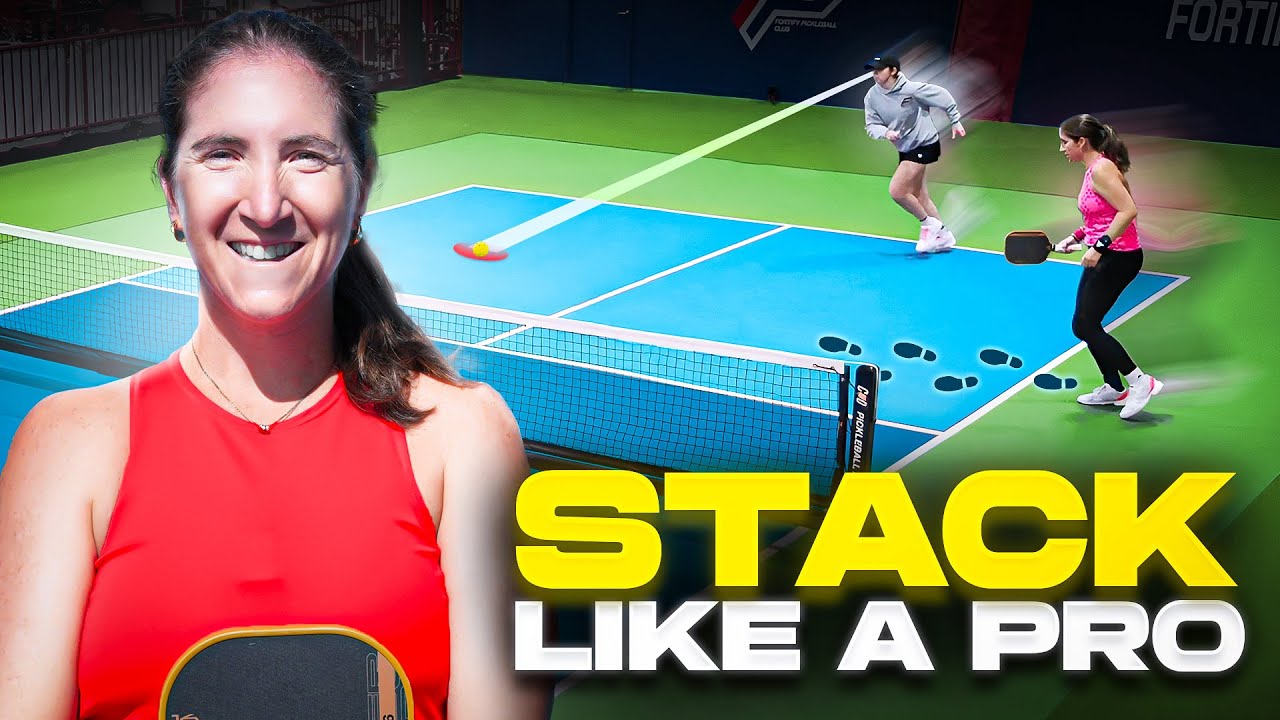
This strategy proves particularly effective in mixed doubles scenarios or when partnering with a left-handed player, as it enables teams to present their strongest offensive weapons where they'll be most impactful during rallies.
Off-Court Stacking Fundamentals
Off-court stacking occurs when both partners position themselves on the same side of the court before the serve or return. The non-serving partner stands behind or beside their teammate, then quickly moves to their intended position once the ball is in play.
Serving Team Off-Court Stack
When your team is serving, the non-serving partner positions themselves on the same side as the server. After the serve is delivered and the return is made, both players move to their desired positions, ensuring their forehands face the center court area.

Receiving Team Off-Court Stack
For the receiving team, both players start on the same side of the court. The non-returning partner waits behind the returner, then moves to their preferred position immediately after the return is completed and the third shot is played.
On-Court Stacking Techniques
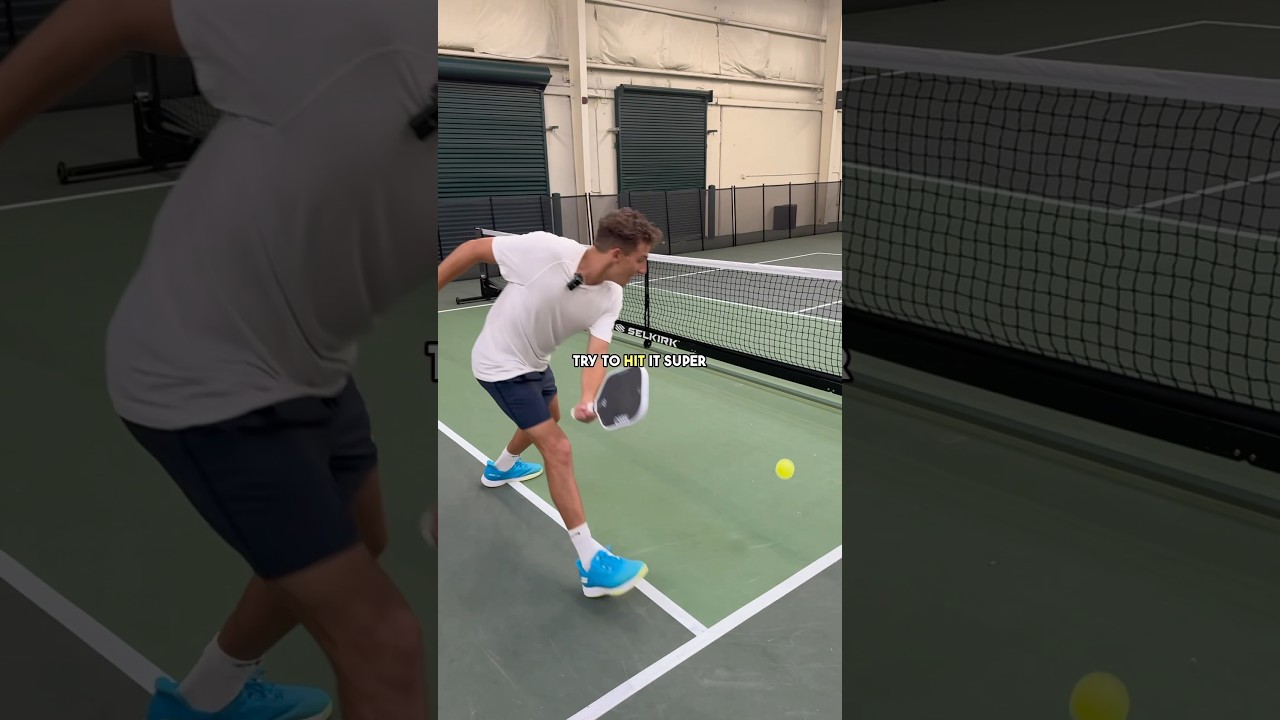
On-court stacking involves switching positions during active play, typically after the serve sequence is complete and both teams have established their positions at the non-volley zone line.
This dynamic repositioning requires excellent communication and timing between partners. Players must coordinate their movements to avoid collisions while maintaining optimal court coverage throughout the transition.
Timing Your Switches
Successful on-court stacking depends on selecting the right moments to switch positions. The most effective times include:
- During opponent's preparation time between shots
- When the ball is traveling cross-court, providing cover for the switch
- After forcing opponents into defensive positions
- When anticipating specific shot patterns from your opponents
Strategic Advantages of Stacking
Implementing stacking strategies provides several competitive benefits that can significantly impact match outcomes.
Forehand Optimization
By positioning both forehands toward the center, teams can attack down-the-middle shots more aggressively and consistently. This positioning also enables more powerful offensive opportunities during fast exchanges at the net.
Opponent Confusion
Constant position changes can disrupt opponents' rhythm and shot selection. Many players develop target preferences during matches, and stacking forces them to continuously readjust their strategic approach.

Coverage Enhancement
Proper stacking can eliminate weaknesses in court coverage, particularly when one player has significantly stronger mobility or reach than their partner.
Common Stacking Mistakes to Avoid
While stacking offers significant advantages, improper execution can create vulnerabilities. Avoid these common errors:
Over-stacking: Switching positions too frequently can create confusion and leave gaps in court coverage.
Poor communication: Partners must clearly communicate their intentions to prevent collisions and ensure smooth transitions.
Predictable patterns: Using the same stacking sequence repeatedly allows opponents to anticipate and counter your positioning.
Frequently Asked Questions
When should beginners start learning stacking techniques?
Players should master basic positioning and communication before attempting stacking strategies. Generally, intermediate players (3.0+ skill level) benefit most from incorporating stacking into their game, as they possess the court awareness and partner coordination necessary for successful execution.
Is stacking legal in tournament play?
Yes, stacking is completely legal in all levels of tournament play, including professional competitions. However, players must maintain proper serving order and positions during the serve sequence, only switching after the ball is legally in play.
How do you counter opponents who stack effectively?
Counter stacking by targeting the spaces they create during transitions, varying your shot placement to prevent predictable positioning, and using lobs or drops to force them out of their preferred formations. Focus on disrupting their timing and communication through strategic shot selection.