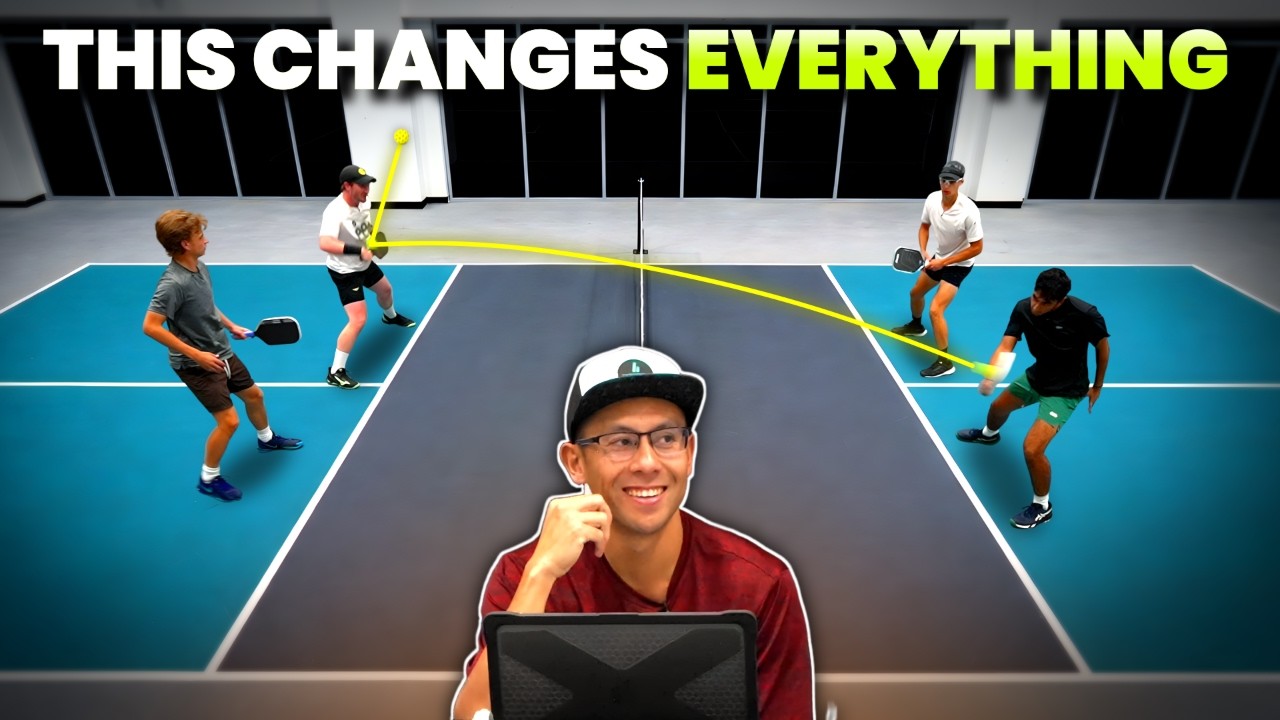
The kitchen dink represents the cornerstone of competitive pickleball strategy. While recreational players often focus on power shots and aggressive attacks, seasoned competitors understand that mastering the subtle art of dinking separates good players from great ones.
Professional coaching insights reveal that your dinking technique directly influences whether you're creating offensive opportunities or inadvertently setting up your opponents for winning shots. The kitchen zone becomes a chess match where precision, patience, and strategic thinking trump raw power.
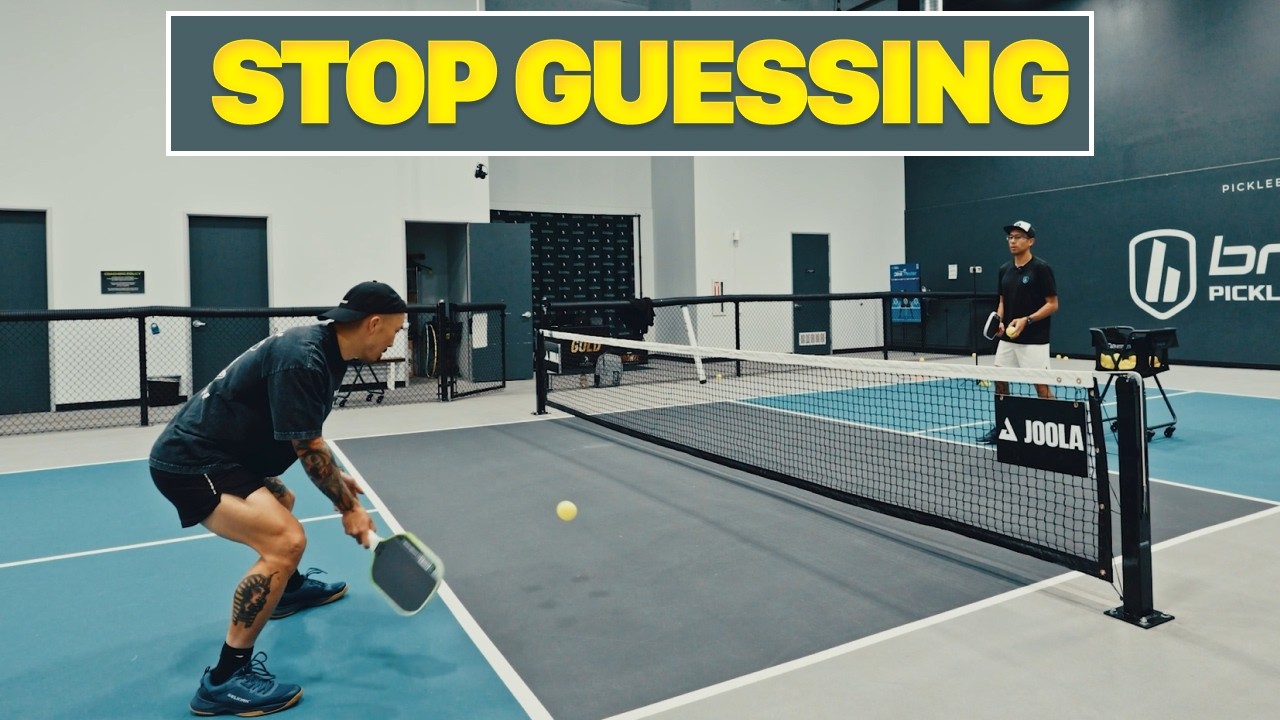
Understanding Kitchen Dink Fundamentals
The kitchen dink isn't merely about keeping the ball low and soft. Modern pickleball strategy demands a sophisticated understanding of ball placement, court geometry, and opponent psychology. Each dink should serve a specific tactical purpose rather than simply maintaining a rally.
Effective dinking requires three core components: consistent depth control, intentional target selection, and anticipatory positioning. These elements work together to create a comprehensive approach that puts pressure on opponents while maintaining defensive stability.
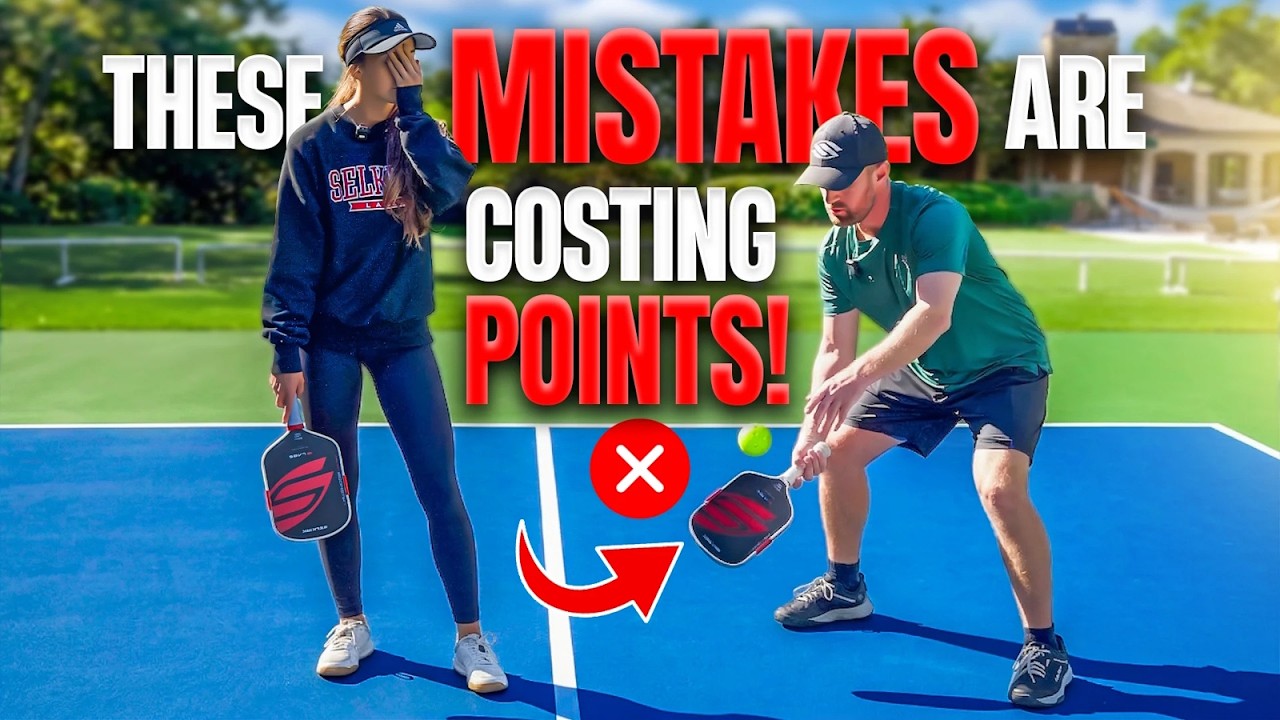
Mastering Depth Control
Depth control represents the most critical aspect of successful dinking. Players who can consistently place their dinks within inches of the kitchen line force opponents into difficult positions while maintaining offensive pressure.
Shallow dinks invite aggressive attacks, while overly deep shots provide opponents with comfortable angles for counter-attacks. The optimal dinking depth creates a narrow margin for opponent responses, limiting their tactical options while preserving your court positioning.
Technical Execution for Depth Precision
Achieving consistent depth requires proper paddle face angle, controlled swing tempo, and deliberate follow-through direction. The paddle should maintain a slightly open face at contact, with the swing path directed toward your intended landing zone.
Body positioning plays an equally important role. Maintaining a balanced, athletic stance allows for quick adjustments and consistent contact points, essential for repeatable depth control under pressure situations.
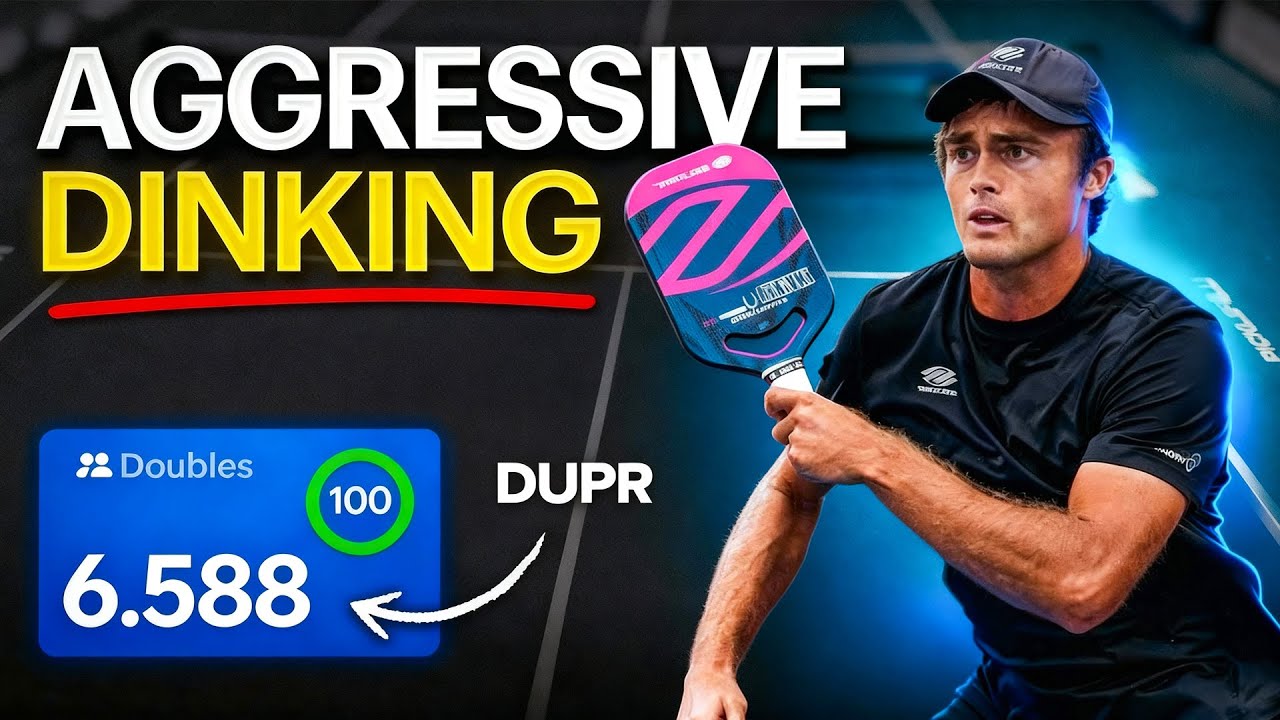
Strategic Target Placement
Advanced dinking involves more than finding the kitchen line – it requires strategic target selection based on opponent positioning, court geometry, and rally development. Each dink should move opponents away from optimal positions or create angles for future attacks.
Cross-court dinks offer the highest margin for error while opening up court space for subsequent shots. Down-the-line dinks carry more risk but can create immediate pressure when executed with proper timing and placement.
Reading Opponent Vulnerabilities
Successful dinking requires constant opponent assessment. Watch for players who struggle with backhand dinks, those who position themselves too close to the net, or opponents who consistently favor one side of their body for shot selection.
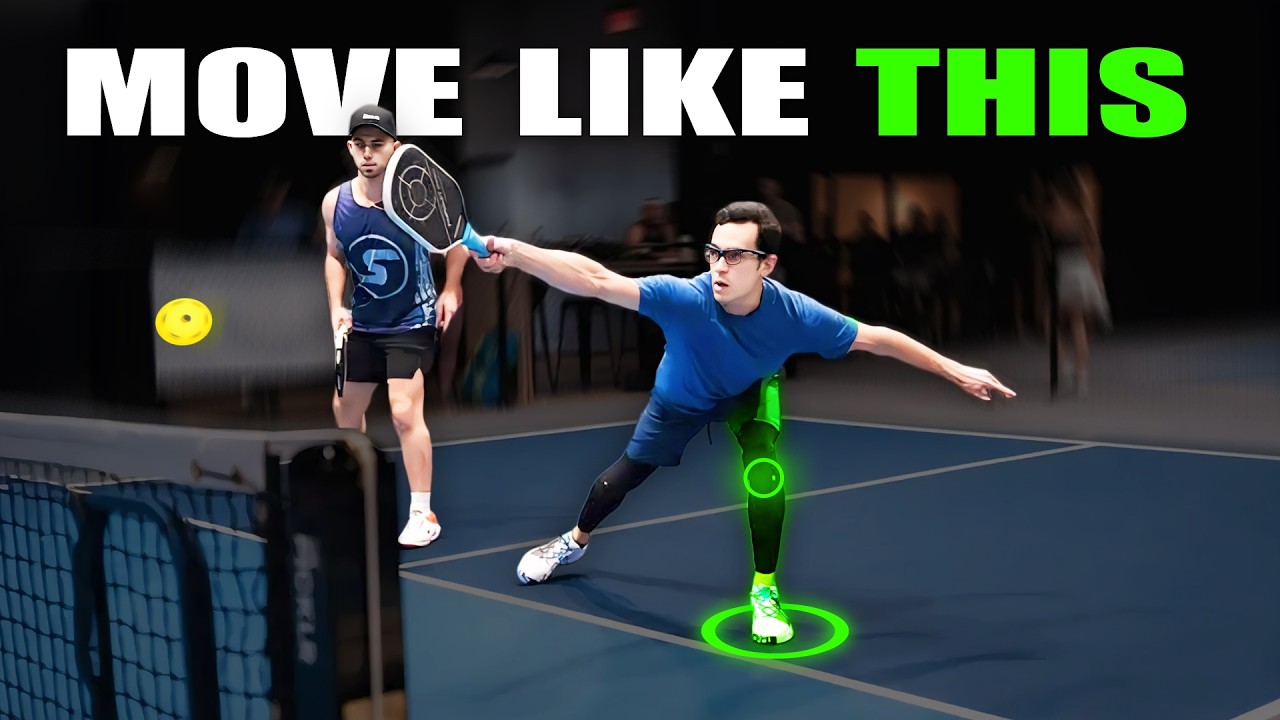
These observations inform your target selection, allowing you to systematically exploit weaknesses while building points toward winning opportunities. Patient, methodical target selection often proves more effective than attempting immediate winners.
Counter-Attack Anticipation
Elite dinking involves anticipating opponent responses and positioning yourself for counter-attacks. This requires understanding common dinking patterns, recognizing setup opportunities, and maintaining ready positions for quick transitions.
Successful anticipation begins with understanding your own shot quality. Recognize when your dinks create offensive opportunities for opponents versus when they maintain pressure and positioning advantages.
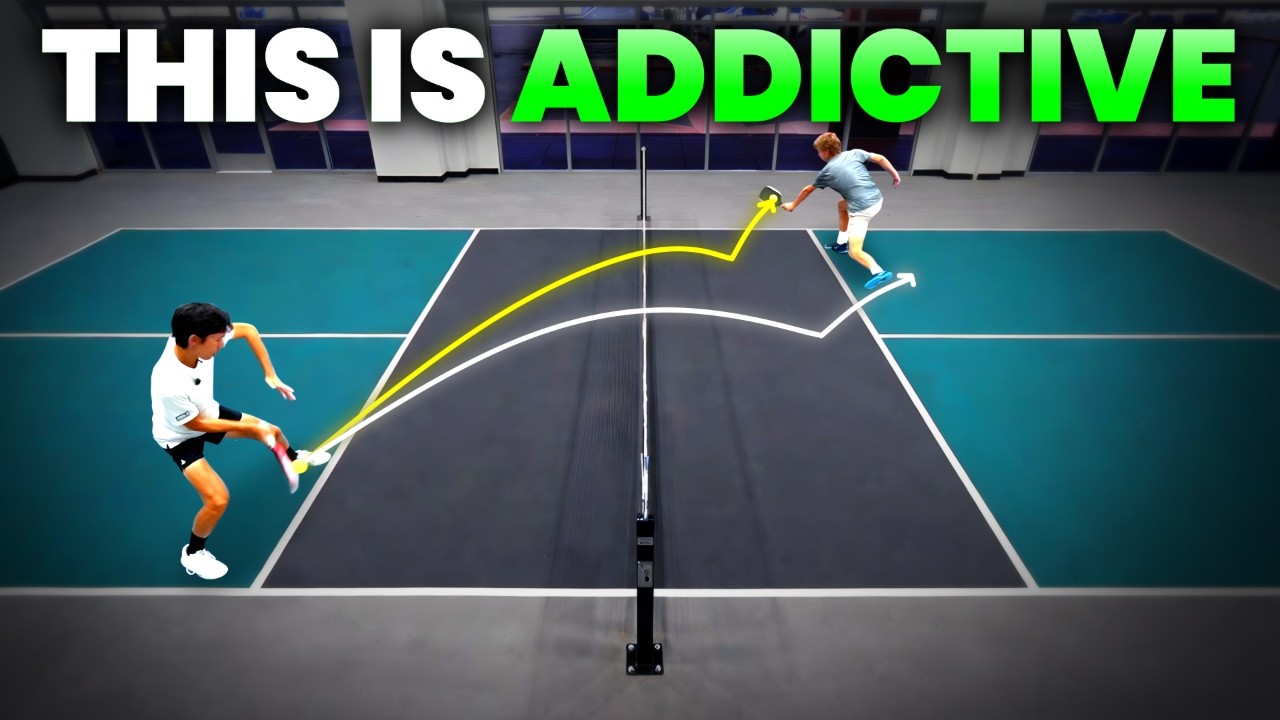
Transition Readiness
The best dinkers maintain constant readiness for rally transitions. This means staying balanced, keeping the paddle in ready position, and maintaining visual focus on opponent body language and paddle preparation.
Quick recognition of opponent intentions allows for faster reactions and better defensive positioning, crucial elements for maintaining control during extended kitchen exchanges.
Practice Drills for Improvement
Systematic practice develops the muscle memory and court awareness necessary for competitive dinking. Focus on consistency before attempting advanced variations, building a foundation of reliable execution under pressure.
Partner drills should emphasize specific targets, controlled rally lengths, and gradual pressure increases. Solo practice against walls or backboards can help develop consistent contact points and paddle control.
Frequently Asked Questions
How can I improve my dink consistency during matches?
Focus on simplified technique with consistent paddle face angle and controlled swing tempo. Avoid attempting advanced shots until basic consistency is established. Practice specific target zones during warm-up and maintain the same technique under pressure.
What's the most common dinking mistake among intermediate players?
Attempting to hit winners too early in rallies rather than building pressure through patient, strategic placement. Focus on moving opponents and creating advantages before attempting aggressive shots.
How do I know when to transition from dinking to attacking?
Look for balls that rise above net level, opponent positioning errors, or shots that land short in the kitchen. These situations provide opportunities for controlled aggression while maintaining low-risk shot selection.