Mixed doubles presents unique challenges that separate it from traditional doubles play, requiring specialized strategies and court awareness. Professional player Rachel Rohrabacher recently collaborated with Kyle Koszuta to deliver an comprehensive breakdown of mixed doubles fundamentals that every competitive player should master.
Understanding Role Distribution in Mixed Doubles
The foundation of successful mixed doubles lies in clearly defined roles for each partner. Rohrabacher emphasizes that while traditional gender-based assumptions often influence court positioning, the most effective teams focus on individual strengths rather than outdated conventions.

"Each partnership is unique," Rohrabacher explains. "The key is identifying who has the stronger overhead game, better court coverage, and more consistent third shots. These factors should determine your positioning strategy, not preconceived notions."
Strategic Court Positioning Principles
Effective court positioning in mixed doubles requires constant adaptation based on your opponents' tendencies and shot selection. The traditional "man back, woman forward" approach has evolved into more nuanced positioning that maximizes each player's strengths.

Rohrabacher breaks down three critical positioning concepts:
- Dynamic switching: Partners should be prepared to exchange positions based on shot opportunities
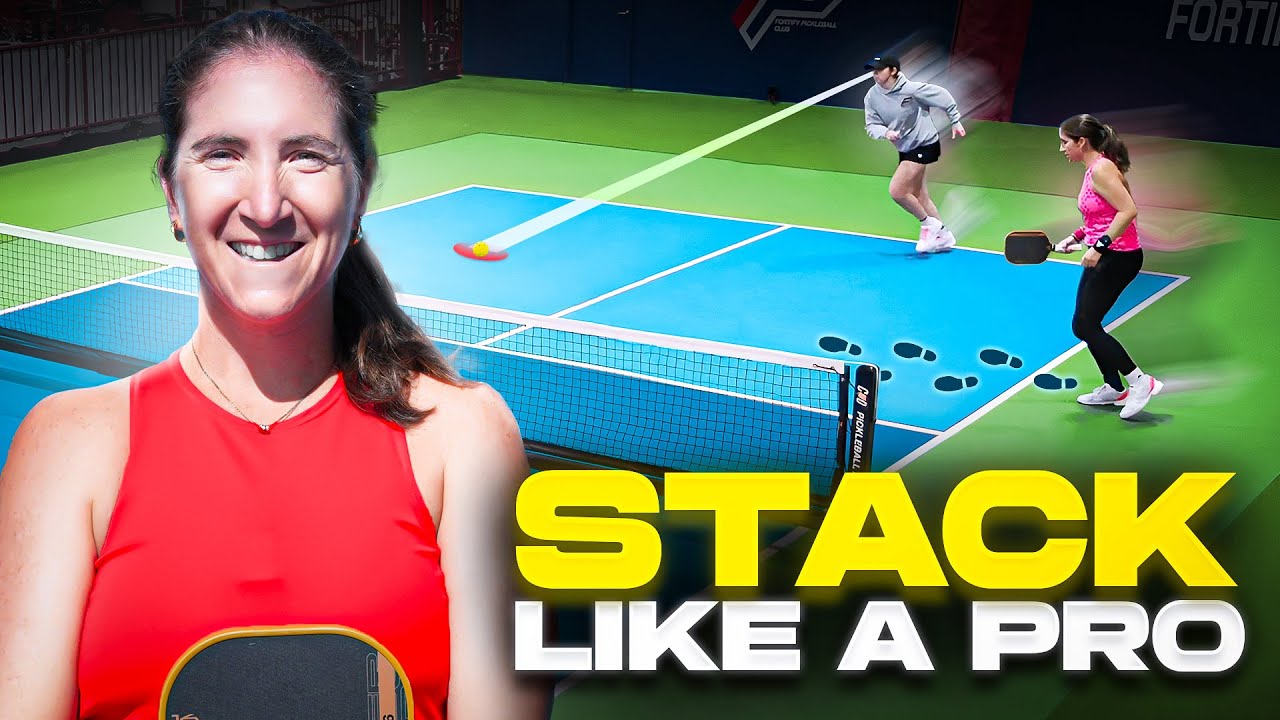
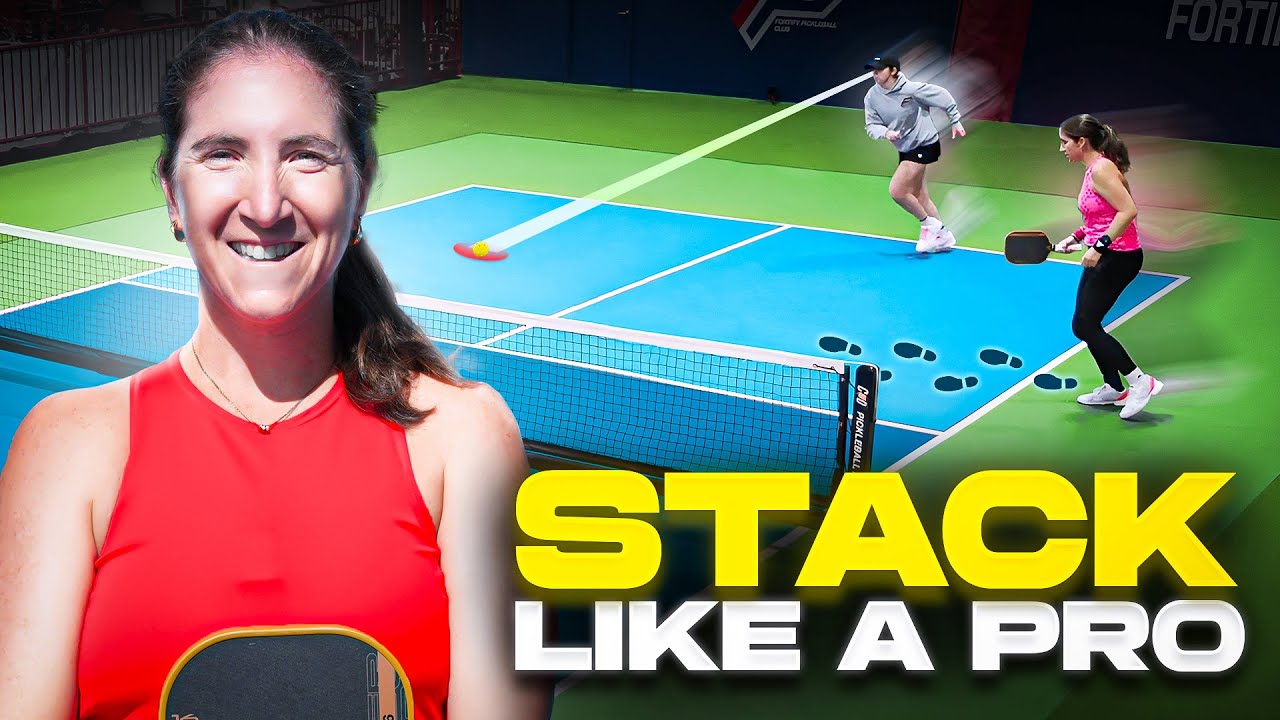
- Stacking variations: Use strategic stacking to create favorable matchups and protect weaker forehands or backhands
- Communication timing: Establish clear verbal and non-verbal signals for position changes
Reading Opponent Movement Patterns
One of Rohrabacher's most valuable insights focuses on anticipating opponent behavior through careful observation of their movement patterns and shot preferences.

"Successful mixed doubles teams develop the ability to predict where their opponents will attack," she notes. "This comes from watching their footwork, paddle preparation, and court positioning during rallies."
Key Opponent Analysis Points
Rohrabacher recommends focusing on specific opponent behaviors that reveal strategic opportunities:
- Target preferences: Which player do they consistently attack?
- Shot selection patterns: Do they favor crosscourt or down-the-line shots?
- Movement limitations: Are there court areas they struggle to cover effectively?
- Communication gaps: When do they show confusion about court responsibilities?
Advanced Tactical Considerations
Beyond basic positioning, Rohrabacher delves into sophisticated tactical elements that separate recreational players from competitive mixed doubles teams.

Serve and Return Strategy
The serving sequence in mixed doubles offers unique opportunities for strategic advantage. Rohrabacher emphasizes varying serve placement and speed to disrupt opponent rhythm while maintaining consistent return positioning.
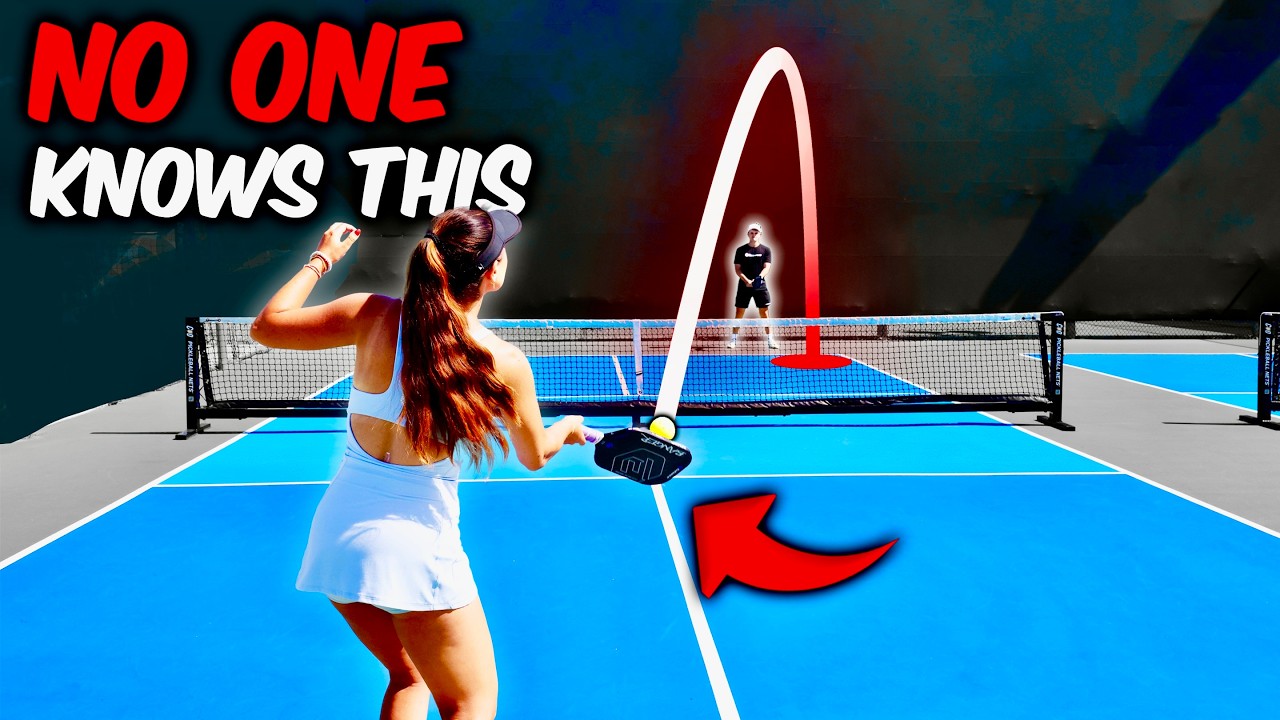
"Your serve sets up the entire point," she explains. "Use it strategically to create favorable positioning for your partner and force your opponents into uncomfortable return positions."
Third Shot Execution
The third shot becomes even more critical in mixed doubles, where court positioning differences can create significant advantages or vulnerabilities.
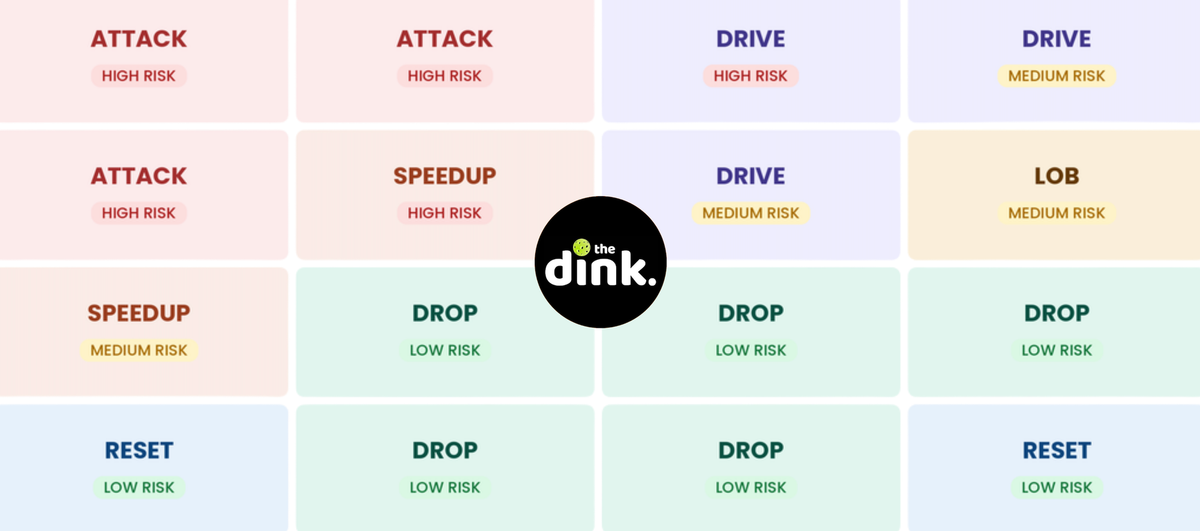
Rohrabacher recommends developing multiple third shot options based on opponent positioning:
- Drop shots: Neutralize aggressive net players
- Drive shots: Exploit positioning gaps
- Lob variations: Test overhead capabilities
Practice Recommendations
Implementing these strategies requires dedicated practice with consistent partners. Rohrabacher suggests specific drills that reinforce proper positioning habits and improve team chemistry.
Regular practice sessions should include scenario-based drills that simulate common mixed doubles situations, allowing teams to develop automatic responses to typical opponent tactics.
FAQ
Should the male player always play the backhand side in mixed doubles?
Not necessarily. While traditional positioning often places the male player on the backhand side, the most effective positioning depends on individual player strengths, court coverage abilities, and overhead skills rather than gender-based assumptions.
How important is stacking in competitive mixed doubles play?
Stacking can be highly effective when used strategically to create favorable matchups or protect player weaknesses. However, it requires excellent communication and practice to execute properly during competitive play.
What's the biggest mistake recreational mixed doubles teams make?
The most common error is failing to communicate clearly about court responsibilities and position changes during points, leading to confusion and gaps in court coverage that opponents can exploit.