Most recreational players think dominating at the kitchen line means hitting with more power. Professional player Jack Munro, who holds the #1 ranking on the APP tour in both mixed and men's doubles, says they're completely missing the point.
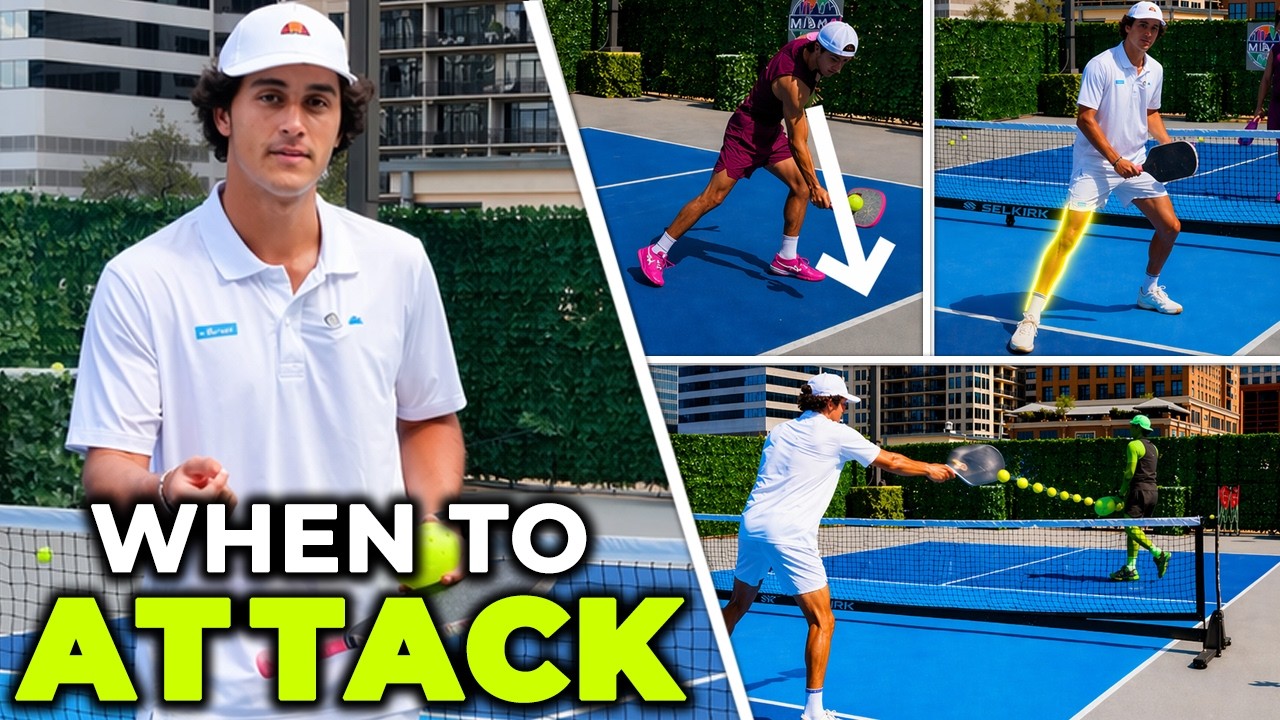
The real secret to kitchen line aggression isn't about raw power - it's about recognizing the subtle body language cues that reveal when your opponent is off-balance and ready to be exploited.
The Mental Game Behind Kitchen Line Dominance
In a detailed breakdown filmed at Urban Pickleball Club, Munro demonstrated how top-level players gain their competitive edge through superior court awareness and opponent analysis. Rather than relying on brute force, elite players focus on timing their attacks when opponents show specific vulnerability signals.
"You have to read what's happening before the ball even gets hit," Munro explains. "The positioning, the body language, the paddle preparation - everything tells a story about what's coming next."
Key Vulnerability Signals to Watch For
Paddle Position and Preparation
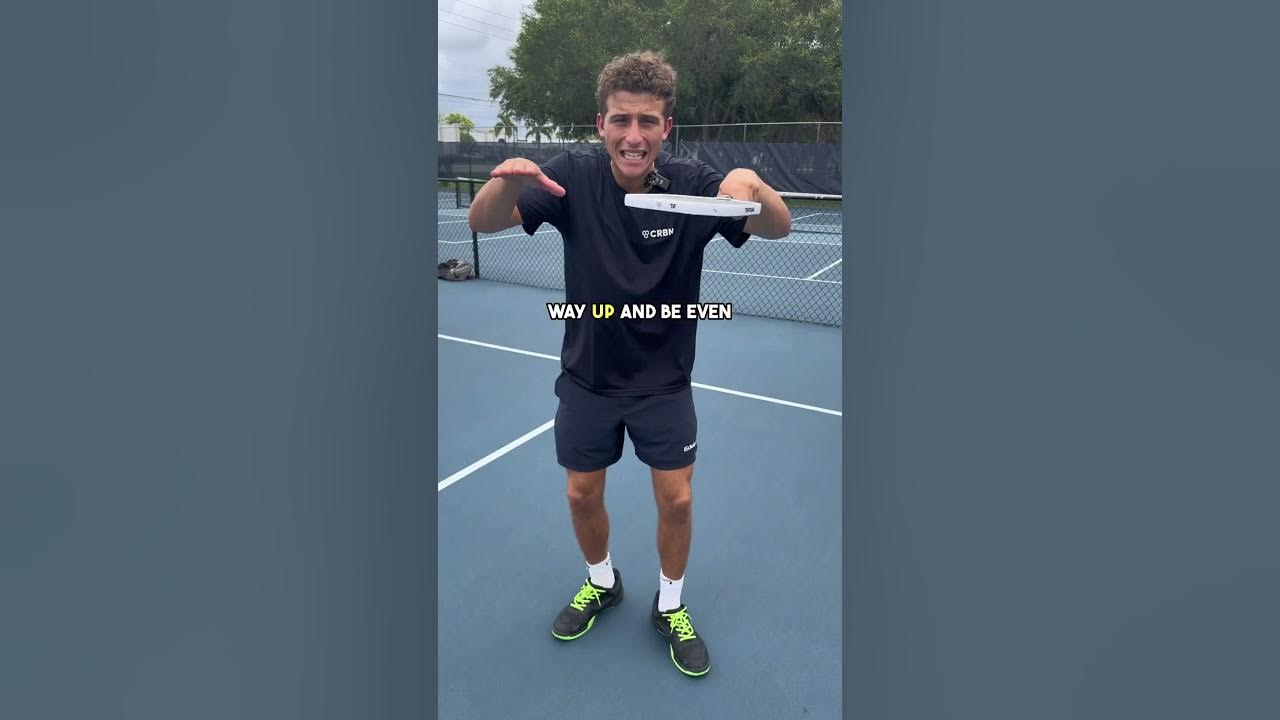
The first major indicator comes from how your opponent holds and positions their paddle as they approach the ball. When players are rushed or out of position, their paddle preparation becomes abbreviated and predictable.
Watch for paddles held too low or too high relative to the incoming ball. These positions limit shot options and create opportunities for aggressive responses.
Footwork and Body Balance
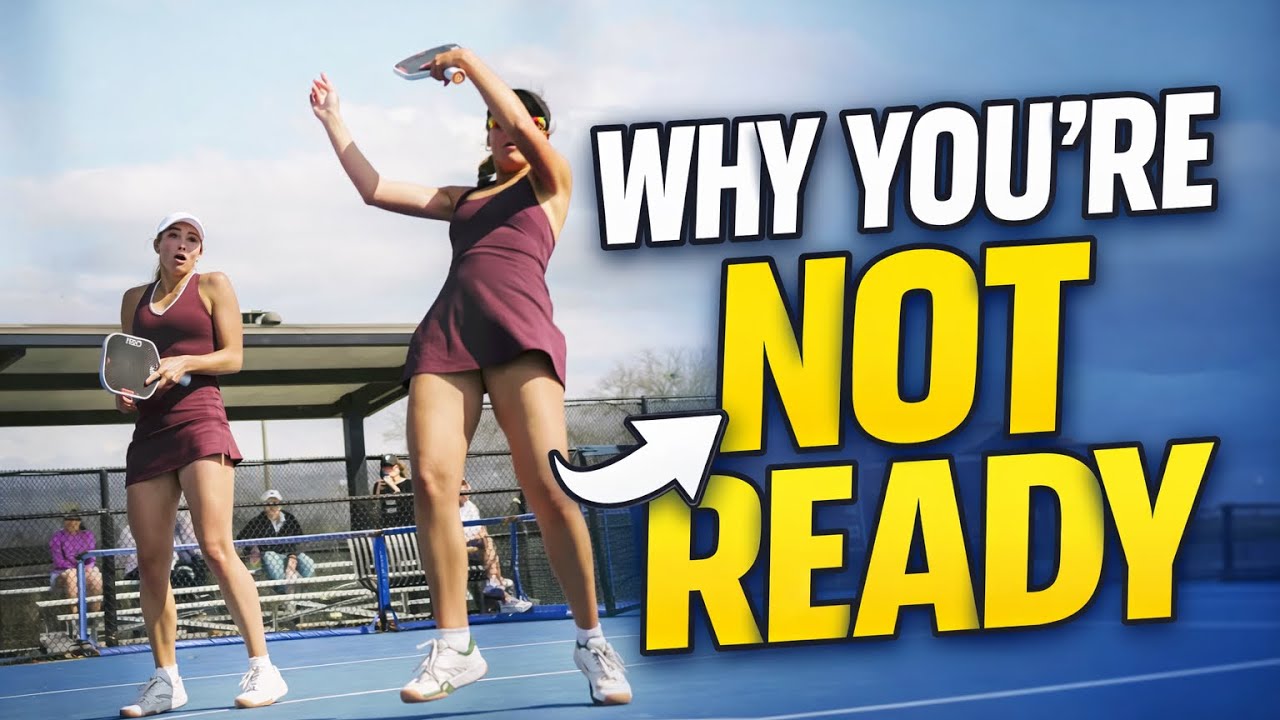
Munro emphasizes that footwork reveals everything about an opponent's next move. Players who are backpedaling, leaning away from the ball, or have their weight distributed incorrectly are prime targets for kitchen line attacks.

"When someone's feet aren't set properly, they can't generate consistent pace or placement," notes Munro. "That's when you strike."
Eye Contact and Focus Patterns
Advanced players also monitor where opponents are looking during rallies. Players who constantly glance at their intended target or seem uncertain about shot selection are broadcasting their vulnerability.
Timing Your Kitchen Line Attacks
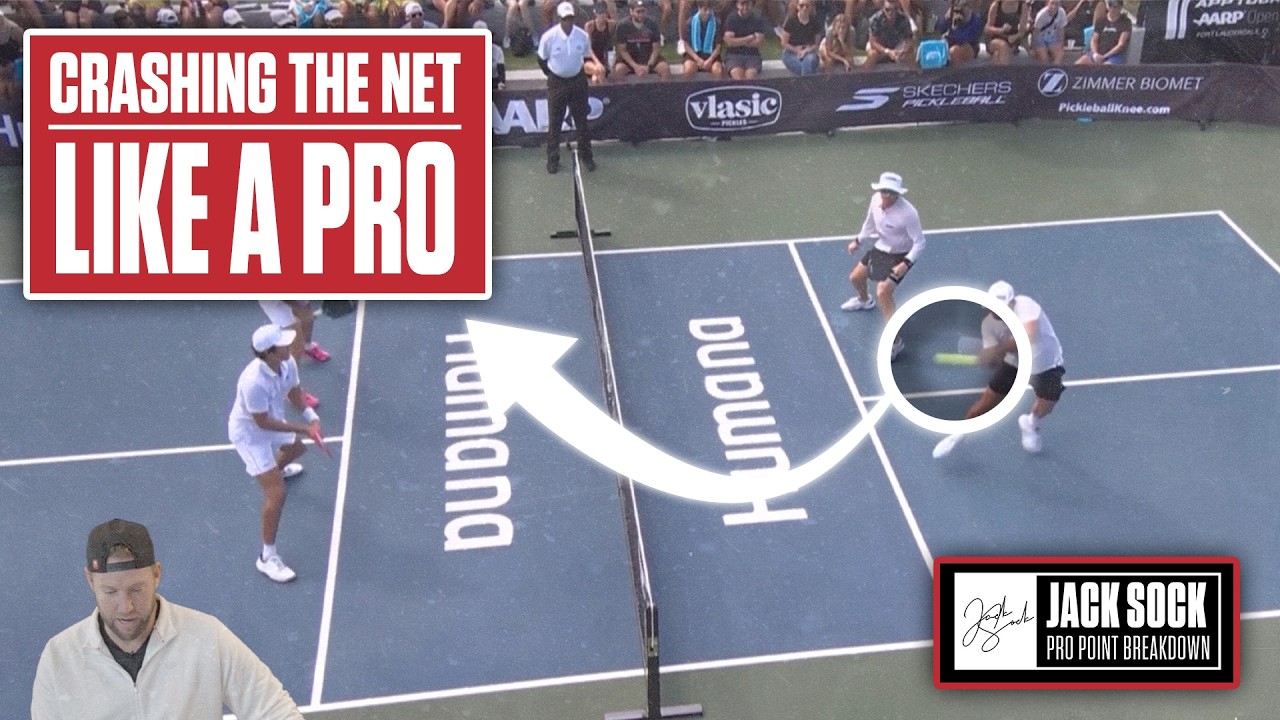
Recognizing vulnerability signals is only half the equation. The other critical component involves timing your aggressive moves to coincide with these moments of opponent weakness.
Rather than attacking randomly or when you feel like being aggressive, Munro advocates for patience combined with precise timing. Wait for the clear signals, then commit fully to your attack.
The Setup Phase
Most successful kitchen line attacks begin several shots before the actual aggressive move. By controlling rally pace and placement, you can force opponents into positions where they'll display these vulnerability signals more frequently.
The Execution Phase
Once you've identified the vulnerability signal, your attack must be decisive and well-placed. This doesn't necessarily mean hitting harder - it means hitting to the specific weakness you've identified through your opponent's body language.
Common Mistakes to Avoid
Many intermediate players try to implement aggressive kitchen line tactics but fail because they're attacking at the wrong moments. They see professional players being aggressive and assume it's about timing or power, missing the crucial reading component entirely.
Another frequent error involves attacking based on your own comfort level rather than your opponent's vulnerability. Just because you feel ready to attack doesn't mean the tactical situation supports that decision.
Practice Recommendations
To develop these recognition skills, Munro suggests spending practice time specifically focused on observation rather than just shot execution. Watch your practice partners' body language patterns and start correlating those observations with the shots they subsequently hit.
This type of analytical practice develops the pattern recognition skills that separate recreational players from competitive players at higher levels.
FAQ
How long does it take to develop good body language reading skills?
Most players start noticing basic patterns within a few weeks of focused practice, but developing reliable recognition skills typically takes several months of consistent observation and application during matches.
Should I always attack when I see vulnerability signals?
Not necessarily. Consider the overall tactical situation, your position on the court, and the score. Sometimes the best response to a vulnerability signal is controlled placement rather than outright aggression.
Can these techniques work at recreational levels?
Absolutely. While recreational players may not display signals as clearly as professionals, the same basic principles apply. Start with the most obvious signals like poor footwork and abbreviated paddle preparation.