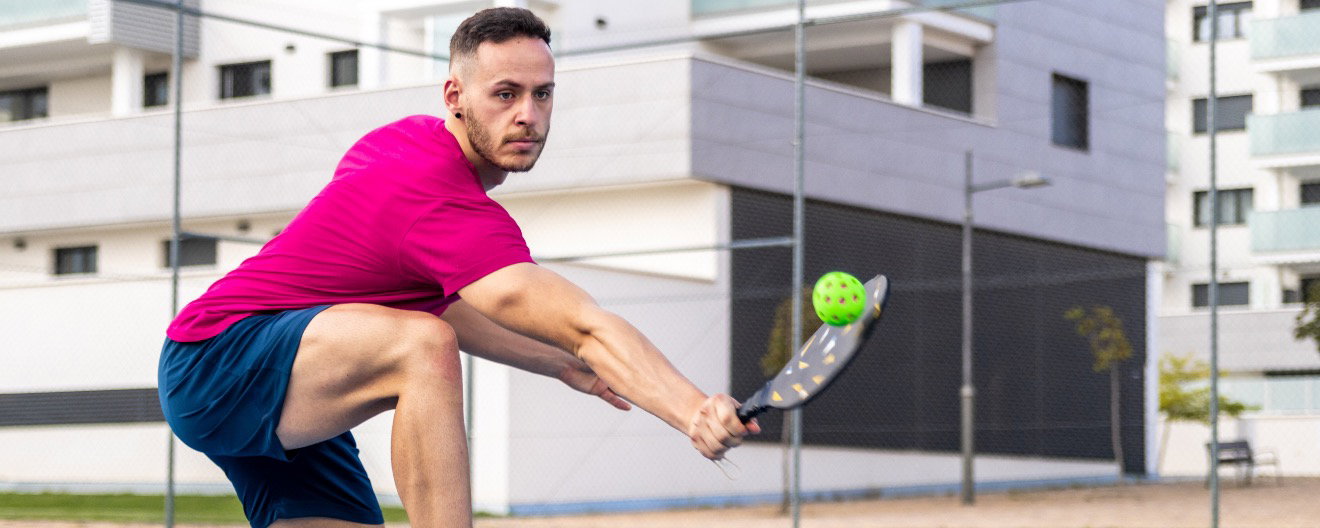
Struggling with consistent volley control at the kitchen line? The secret isn't more practice—it's understanding the physics behind every shot. John Cincola, renowned pickleball instructor, reveals why mastering two fundamental principles will revolutionize your net game.
The Physics Foundation of Volley Control
Most recreational players approach volleys with brute force, fighting against the natural physics of ball flight. This muscular approach leads to inconsistent results and frustrated performances. The breakthrough comes when you work with physics rather than against it.
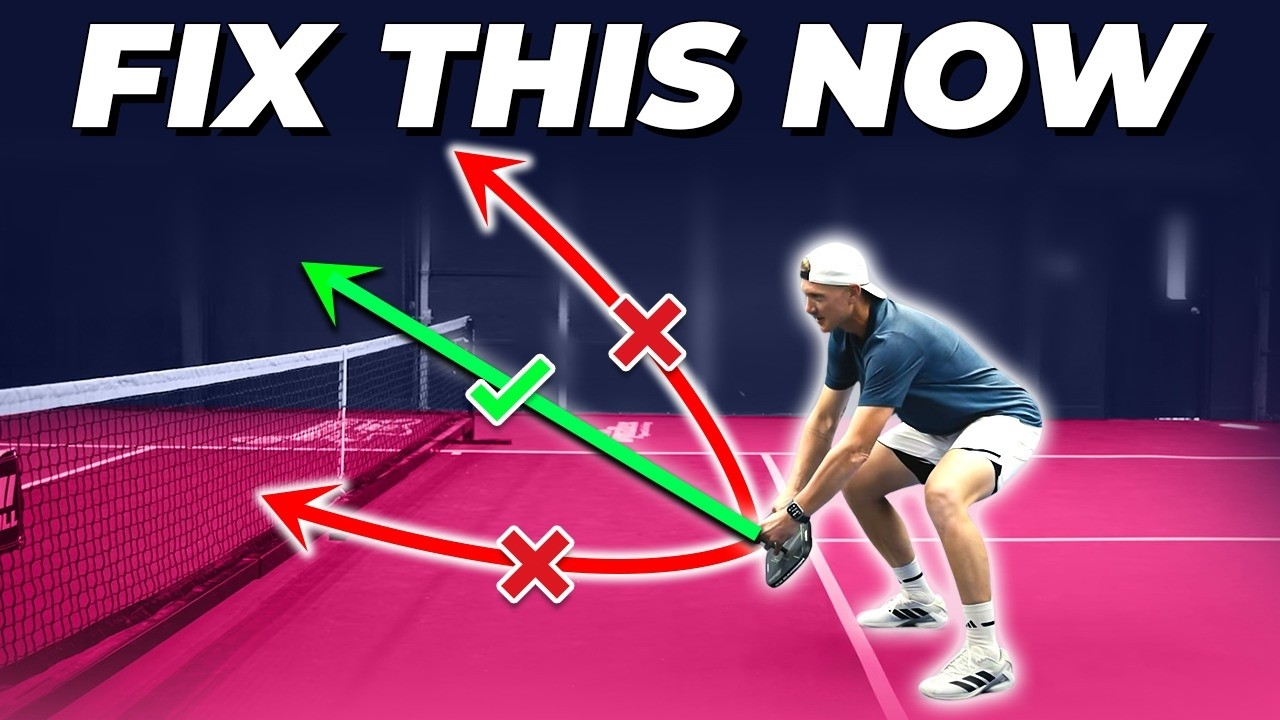
Effective volley control relies on two core principles that govern every successful shot:
- Paddle angle management - Controlling ball trajectory through precise face positioning
- Energy transfer optimization - Using incoming ball energy rather than generating excessive force
Paddle Angle: Your Trajectory Control System
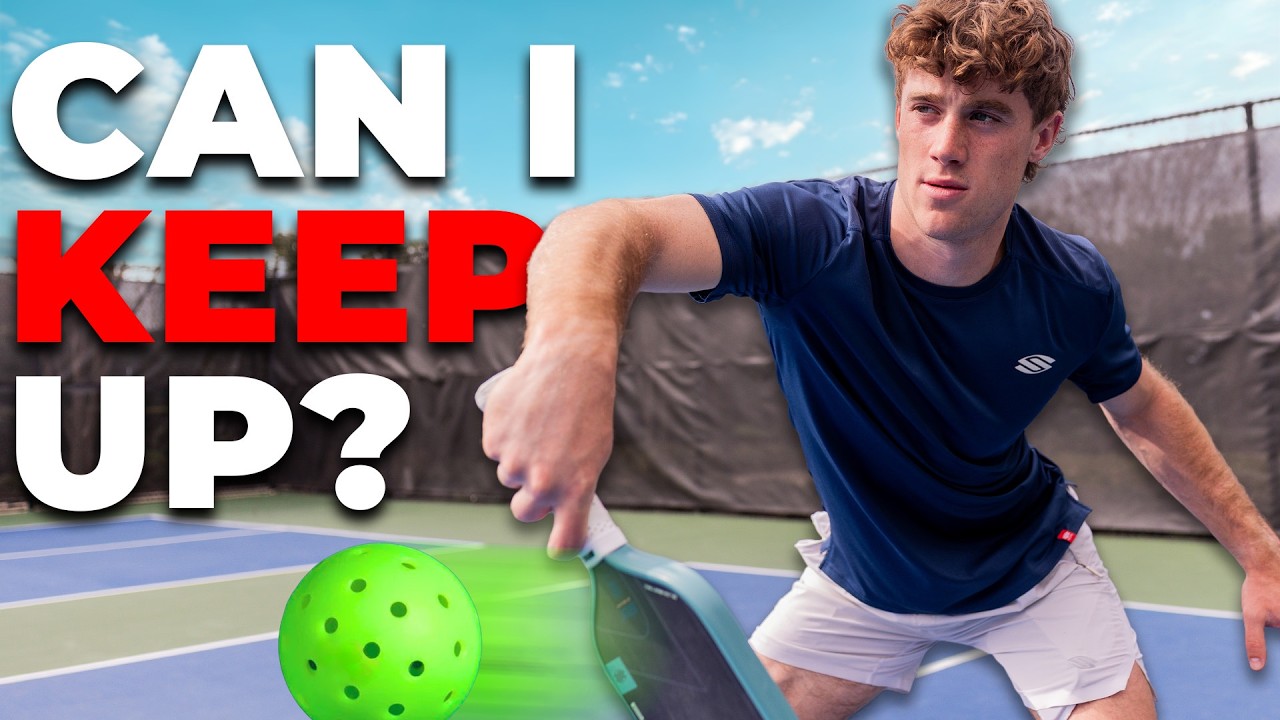
The paddle face angle at contact determines your ball's flight path more than any other factor. Understanding this relationship transforms guesswork into predictable shot-making.
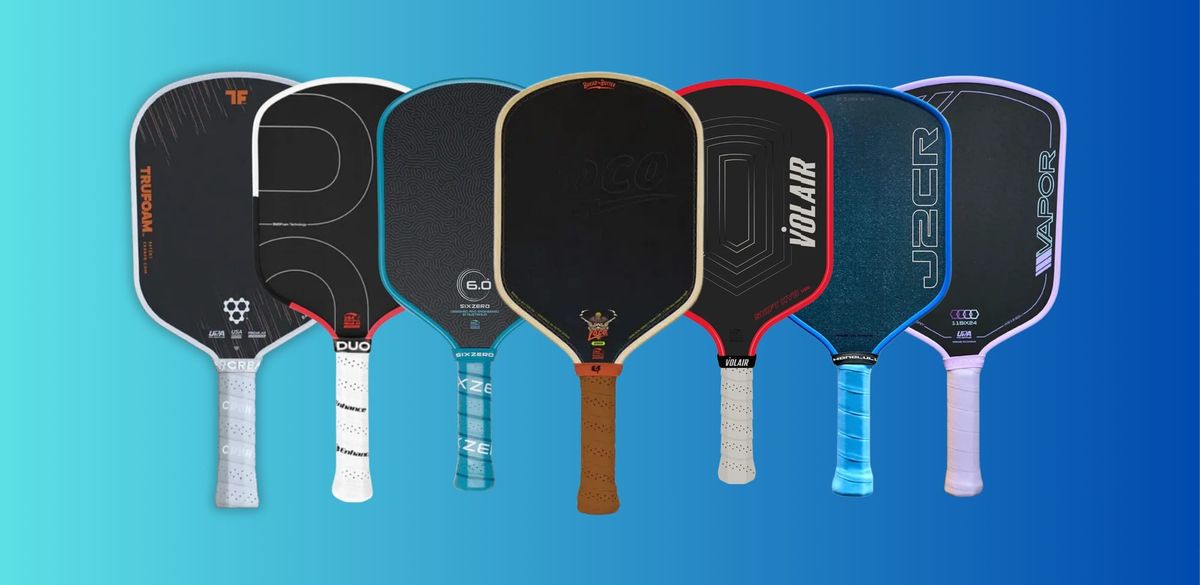
When facing a hard-driven ball, your paddle angle must account for the incoming energy. A slightly closed face (angled downward) helps control aggressive shots, while neutral positioning works best for softer feeds.
Angle Adjustment Techniques
Professional players make micro-adjustments based on incoming ball characteristics:
- High velocity shots: Close paddle face 10-15 degrees
- Medium pace balls: Maintain neutral face position
- Soft shots: Open face slightly for lift and placement
Energy Management: Working Smarter, Not Harder
The second physics principle involves energy transfer efficiency. Instead of adding power to every volley, skilled players redirect existing energy from their opponent's shot.
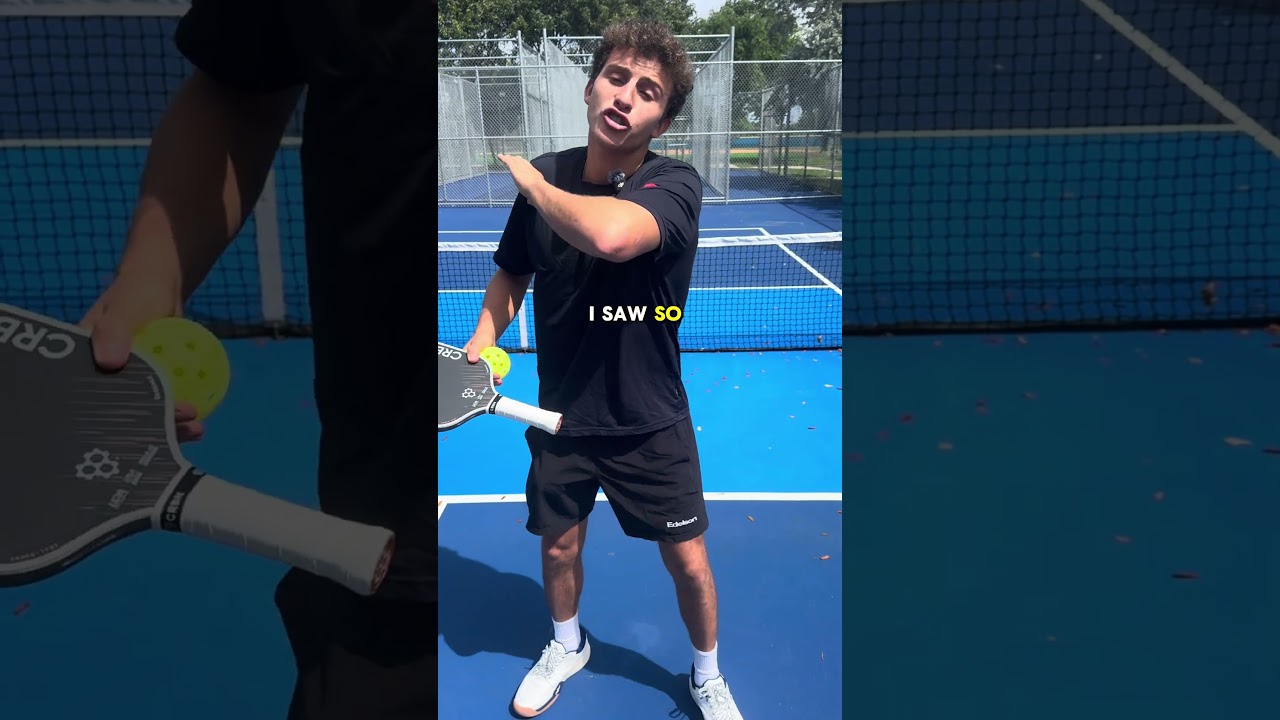
This redirection technique offers several advantages:
- Reduced effort and fatigue
- Improved consistency
- Better court positioning maintenance
- Enhanced reaction time for follow-up shots
The Absorption and Redirect Method
Professional volleys follow a three-step energy management process:
- Absorb: Allow paddle to give slightly on contact
- Control: Maintain steady paddle face through impact
- Redirect: Guide ball placement through gentle follow-through
Kitchen Line Application Strategies
Applying these physics principles at the non-volley zone requires specific tactical awareness. The kitchen line presents unique challenges due to proximity constraints and net clearance requirements.
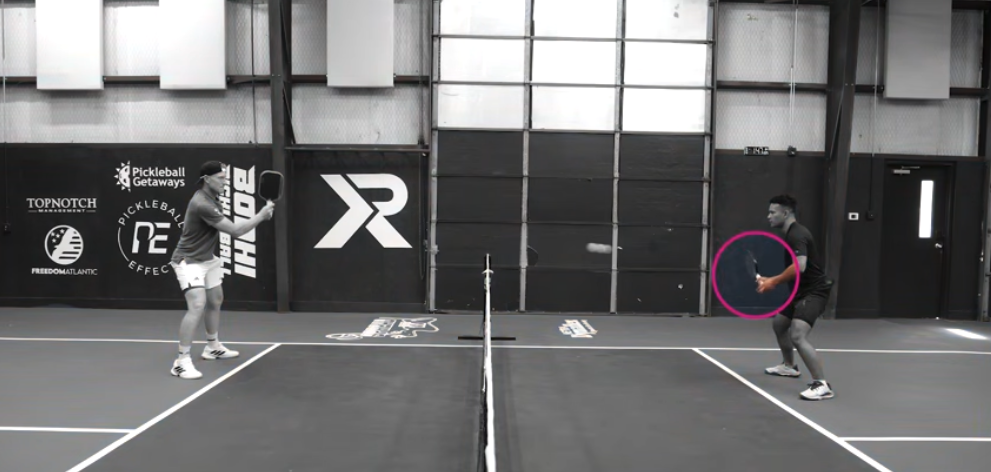
Positioning for Physics Success
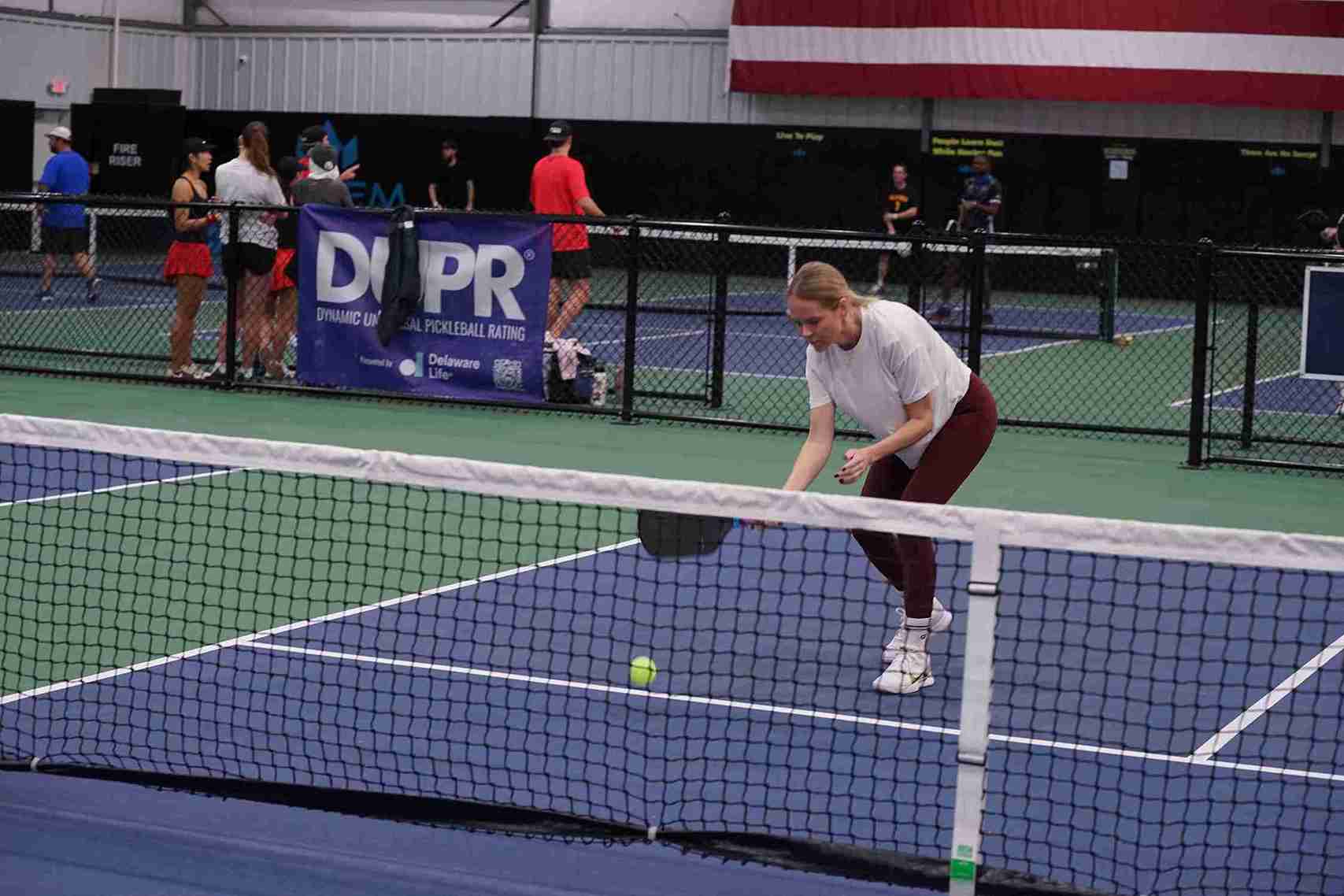
Optimal kitchen line positioning enhances your ability to apply physics principles effectively:
- Distance: Stay 12-18 inches behind the line for reaction time
- Stance: Maintain balanced, athletic position
- Paddle ready: Keep paddle face up and forward
Common Physics Violations
Many players unknowingly work against physics through these mistakes:
- Over-swinging on fast balls (fighting incoming energy)
- Inconsistent paddle face angles
- Attempting to add power instead of redirecting
- Poor contact point timing
Practice Drills for Physics Mastery
Developing physics-based volley control requires targeted practice focusing on feel and consistency rather than power generation.
Wall Practice Protocol
Use wall practice to develop angle and energy control:
- Stand 3 feet from wall
- Hit gentle volleys maintaining consistent height
- Focus on paddle face stability
- Practice 50 consecutive controlled contacts
Partner Feed Drills
Progressive feeding drills build real-game application:
- Soft feeds: Focus on placement accuracy
- Medium pace: Practice energy absorption
- Hard drives: Master angle adjustments
Advanced Physics Applications
Once basic principles are mastered, advanced players can manipulate physics for strategic advantage through spin application, pace variation, and placement precision.
Understanding these physics fundamentals transforms volley technique from guesswork into reliable, repeatable skill. Master paddle angle and energy management, and watch your kitchen line dominance soar to new levels.
Frequently Asked Questions
How long does it take to master physics-based volley control?
Most players see significant improvement within 2-3 weeks of focused practice. Complete mastery typically requires 2-3 months of consistent application during matches and practice sessions.
Should I change my grip for better volley control?
Grip changes aren't necessary for most players. Focus on paddle angle management and energy control with your current grip first. If problems persist after mastering these principles, consider grip adjustments.
Can these physics principles help with other pickleball shots?
Absolutely. Paddle angle and energy management apply to groundstrokes, serves, and returns. Volleys simply make these principles more obvious due to reduced reaction time and close net proximity.