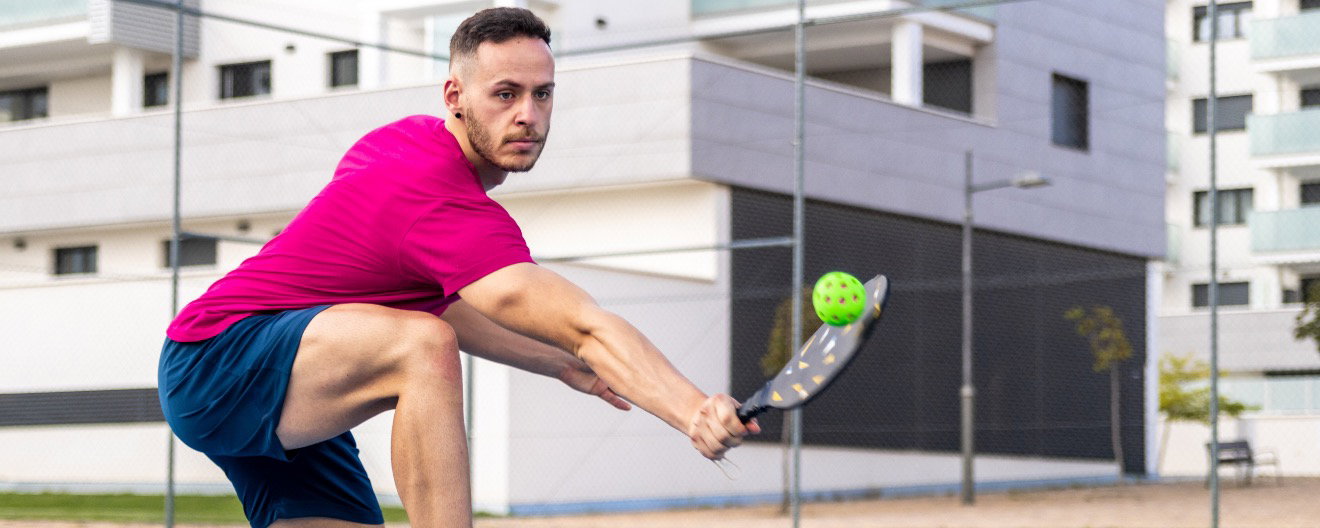
The difference between intermediate and advanced pickleball players often comes down to a single fundamental: proper ready position mechanics. While most players focus on perfecting their shots, they're unknowingly sabotaging their defensive capabilities with one critical error.
The Fatal Ready Position Flaw
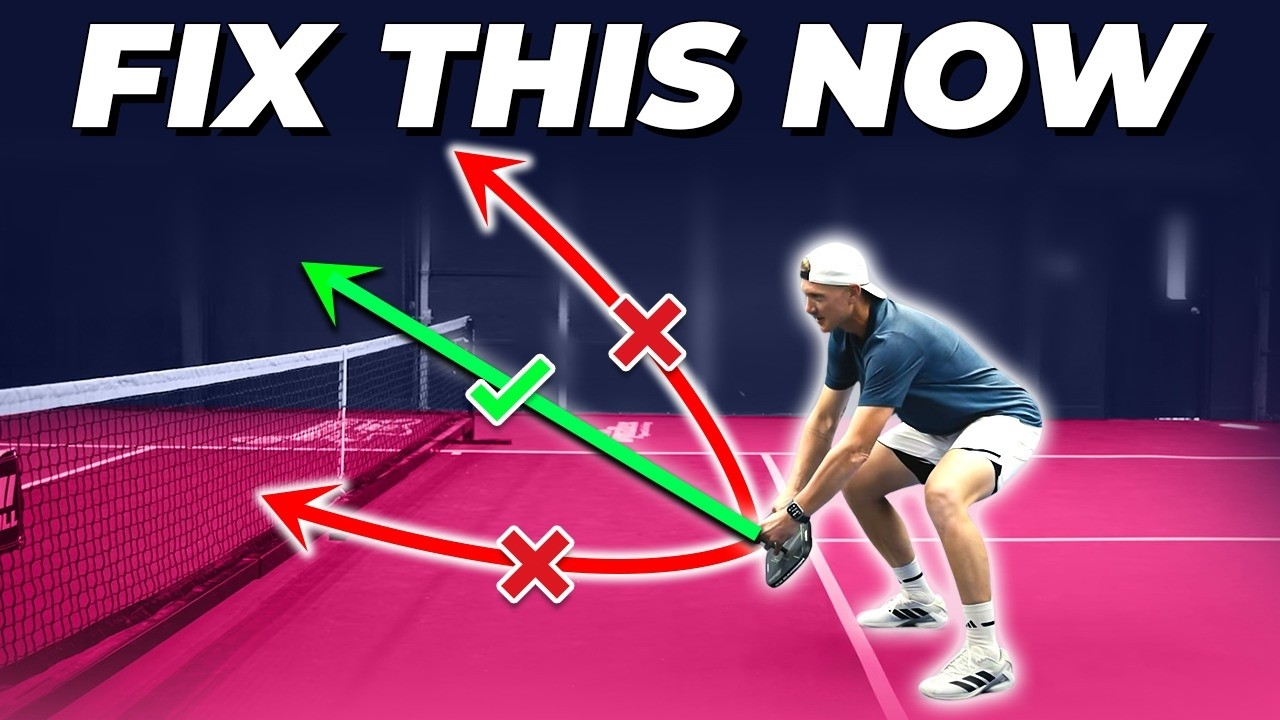
According to pickleball coaching experts Angie and Alex Walker from Walker Sisters Pickleball, the majority of recreational players make the same devastating mistake: they complete their shot and allow their paddle to drift away from center position instead of immediately resetting to a neutral defensive stance.
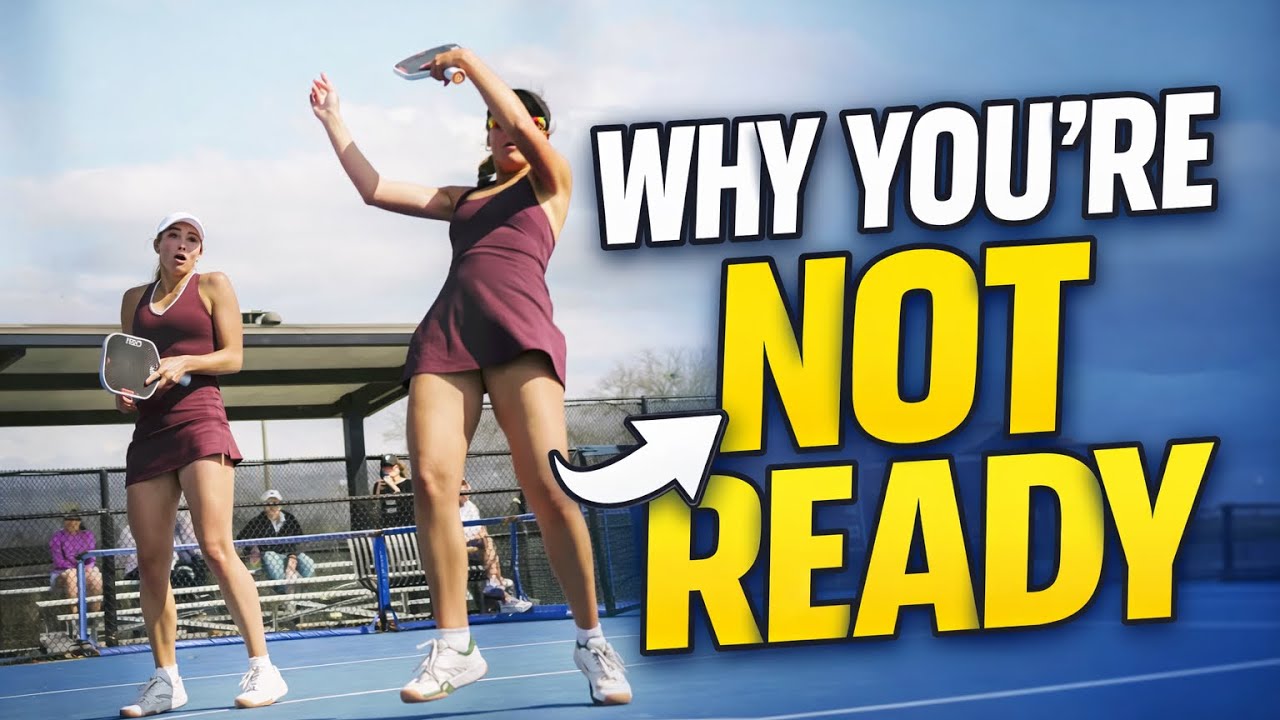
This seemingly minor oversight creates a cascading effect that compromises your entire defensive game. Those precious milliseconds spent repositioning your paddle after each shot accumulate into significant disadvantages during fast-paced rallies.
Why Ready Position Matters More Than You Think
Your ready position serves as the launching pad for every defensive reaction on the court. Without proper positioning, even the most skilled players find themselves consistently behind the play, scrambling to catch up rather than controlling the rally.
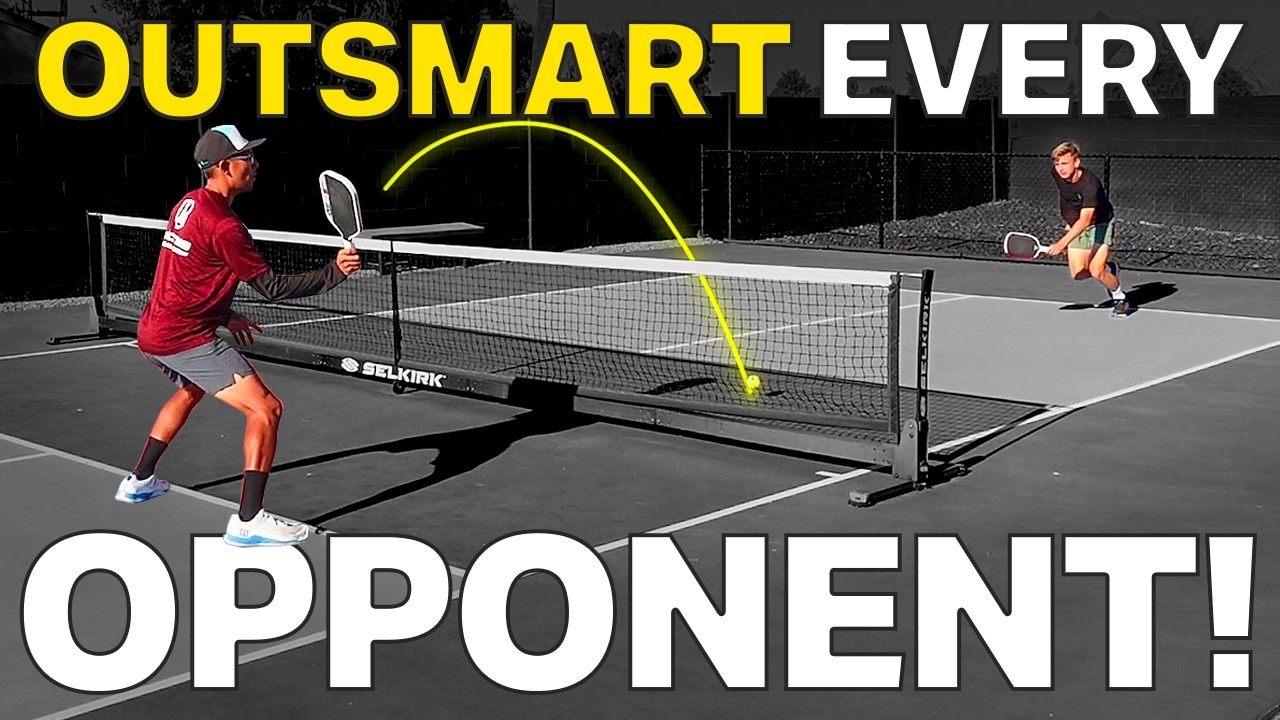
Consider the biomechanics: when your paddle hangs loosely at your side or remains extended from your previous shot, your body must complete additional movement sequences before you can effectively respond to incoming balls. This delay becomes exponentially more problematic as rally speeds increase.
The Science Behind Split-Second Reactions
Elite pickleball players understand that court positioning and paddle readiness work in tandem. Your ready position should feature:
- Paddle held at chest height with both hands
- Feet shoulder-width apart with slight knee bend
- Weight distributed on the balls of your feet
- Body facing the net with shoulders square
Common Ready Position Errors Costing You Points
The "Paddle Drop" Syndrome
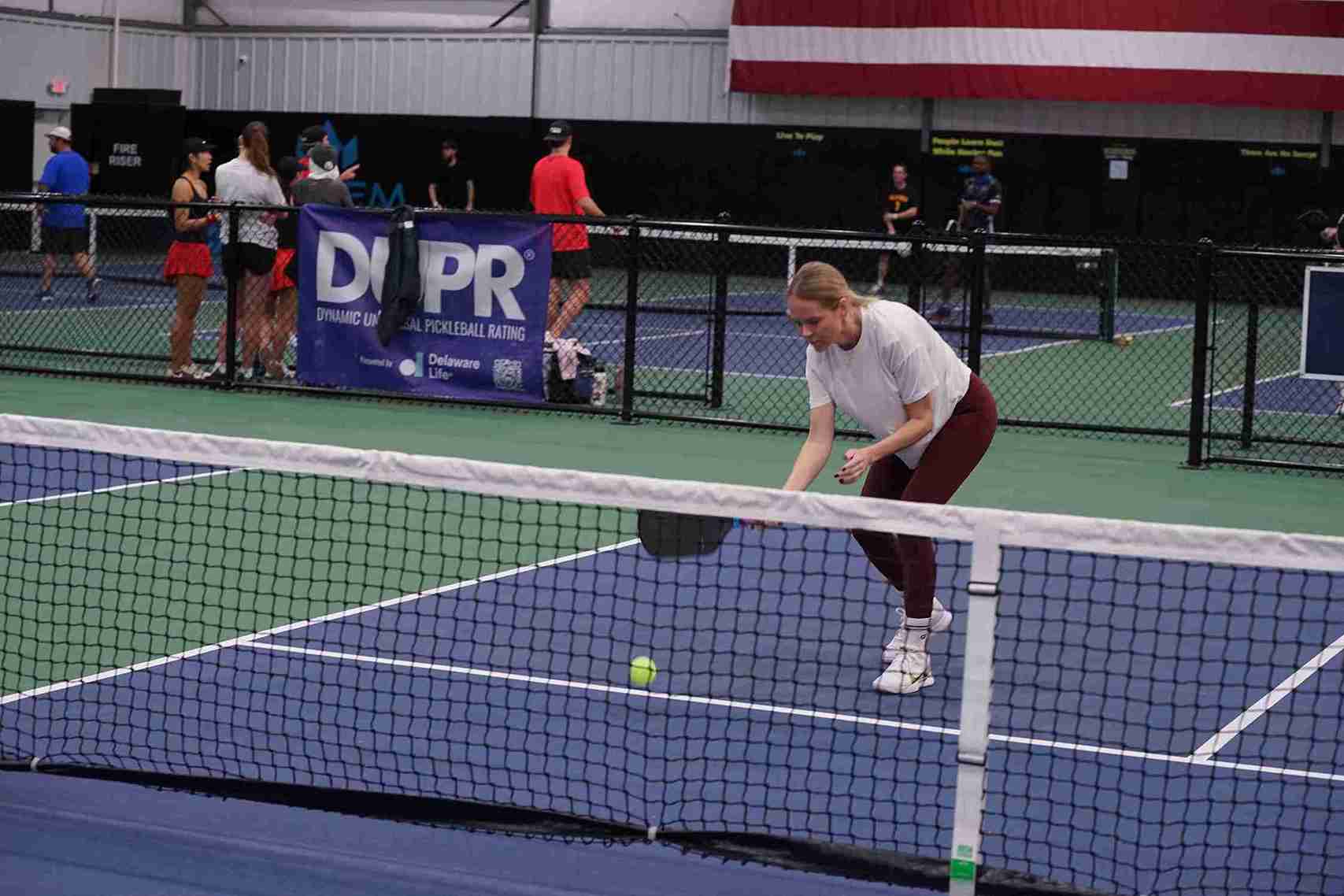
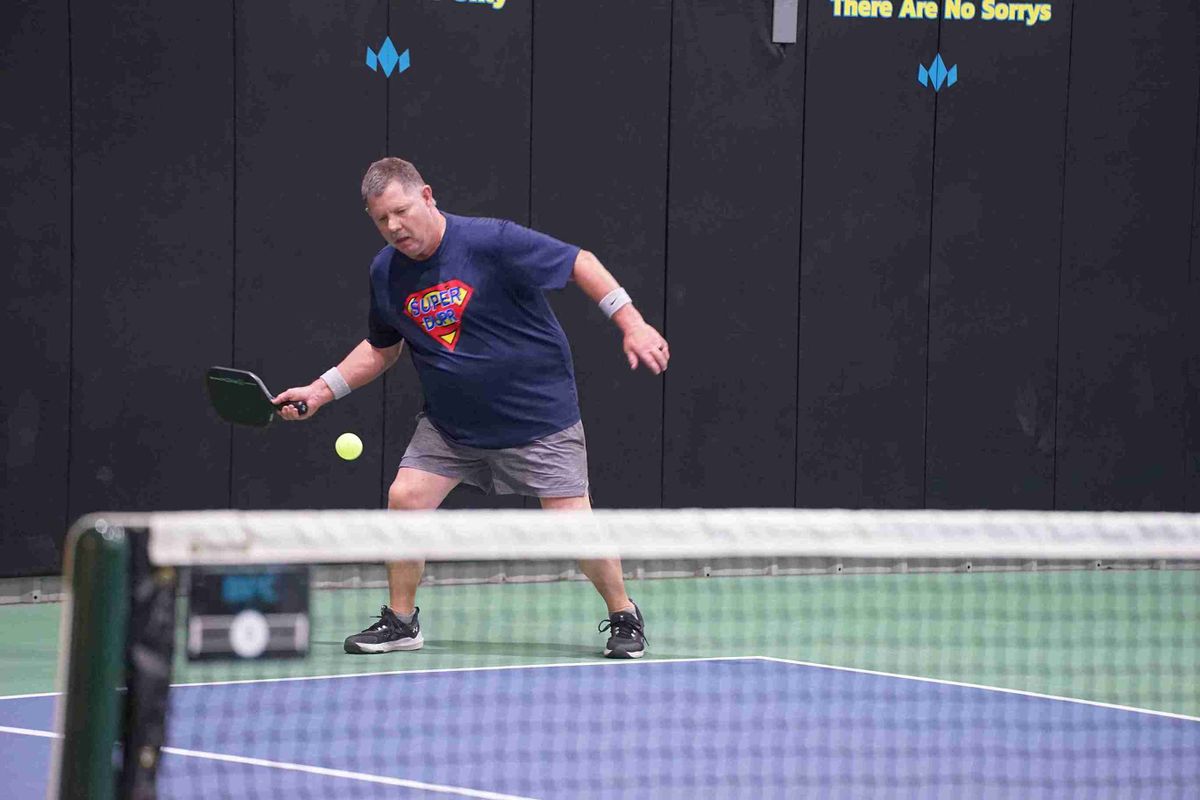
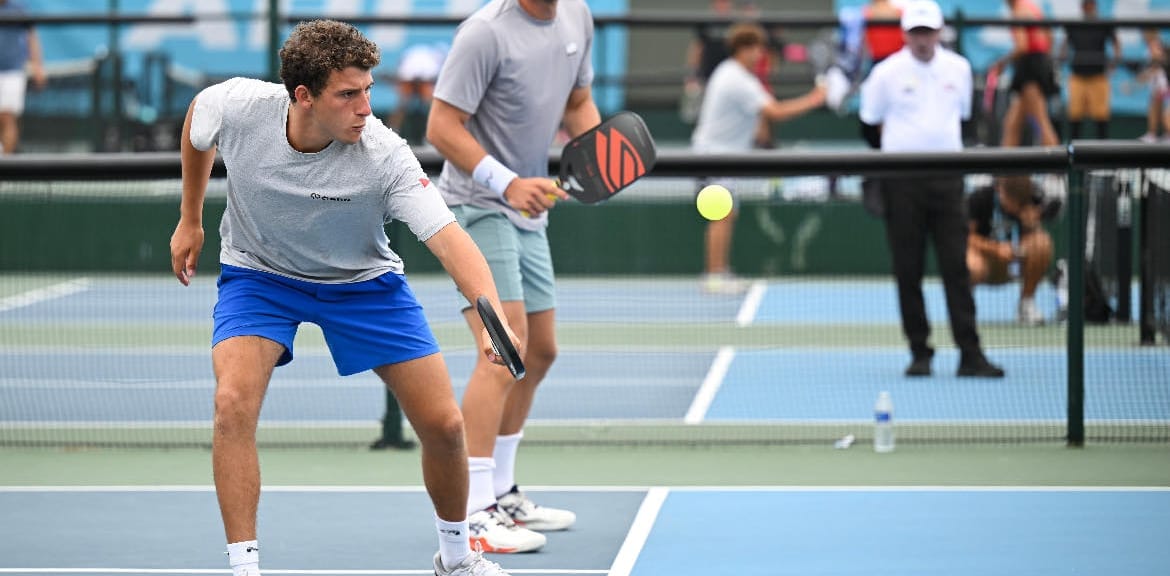
After executing a forehand drive or backhand volley, many players allow their paddle to drop toward their hip or hang at their side. This forces them to lift and reposition before they can defend, creating vulnerable windows that skilled opponents exploit mercilessly.
The "Follow-Through Freeze"
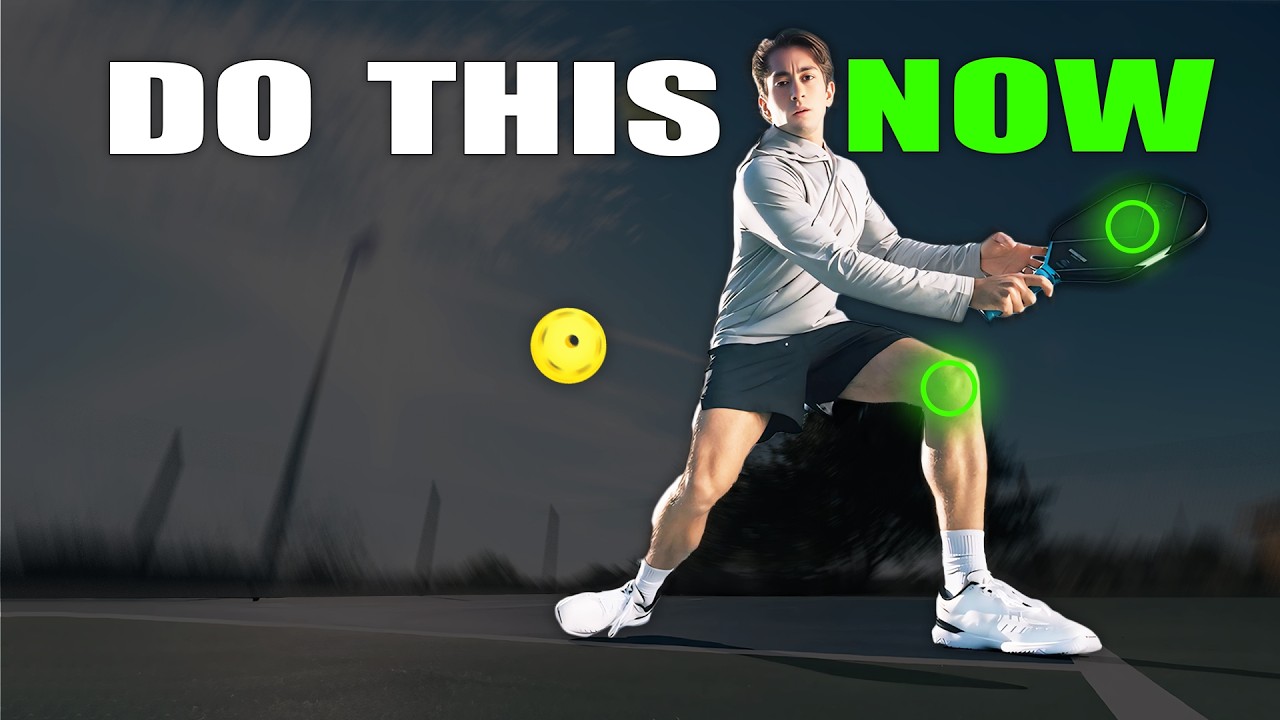
Some players become so focused on shot completion that they freeze in their follow-through position, admiring their work instead of immediately transitioning back to defensive readiness. This habit proves particularly costly during kitchen exchanges where reaction time is paramount.
Mastering the Reset Sequence
Professional players develop muscle memory that automatically returns them to ready position after every shot, regardless of the outcome. This reset sequence should become as natural as breathing during competitive play.
Practice this three-step reset during your next training session:
- Complete your shot with full follow-through
- Immediately bring paddle back to chest-high position
- Adjust feet and weight distribution for optimal court coverage
Drill Your Way to Better Habits
Shadow swings prove invaluable for developing proper ready position habits. Practice your standard shots—drives, volleys, dinks—but focus entirely on the transition back to ready position rather than shot execution.
Wall practice also accelerates this learning process. Hit balls against a wall while emphasizing the reset between each contact. The consistent ball return forces you to maintain proper ready position or suffer immediate consequences.
Transform Your Defensive Game
Mastering ready position fundamentals creates a ripple effect throughout your entire game. Improved reaction times lead to better court coverage, more successful defensive shots, and increased confidence during high-pressure rallies.
Remember: pickleball points are often won through defensive consistency rather than offensive brilliance. Players who maintain proper ready position find themselves in position to make plays that others simply cannot reach.
Frequently Asked Questions
How long does it take to develop proper ready position habits?
Most players see significant improvement within 2-3 weeks of focused practice. However, fully automatic muscle memory typically develops over 4-6 weeks of consistent drilling and conscious application during games.
Should my ready position change based on court position?
While the fundamental principles remain consistent, slight adjustments are appropriate. At the kitchen line, maintain a slightly more compact stance with the paddle higher. During baseline play, you can afford a marginally wider stance for better lateral movement.
What's the biggest ready position mistake recreational players make?
Allowing the paddle to drop below waist level after shots. This creates the longest reset time and leaves players most vulnerable to quick attacks from opponents.