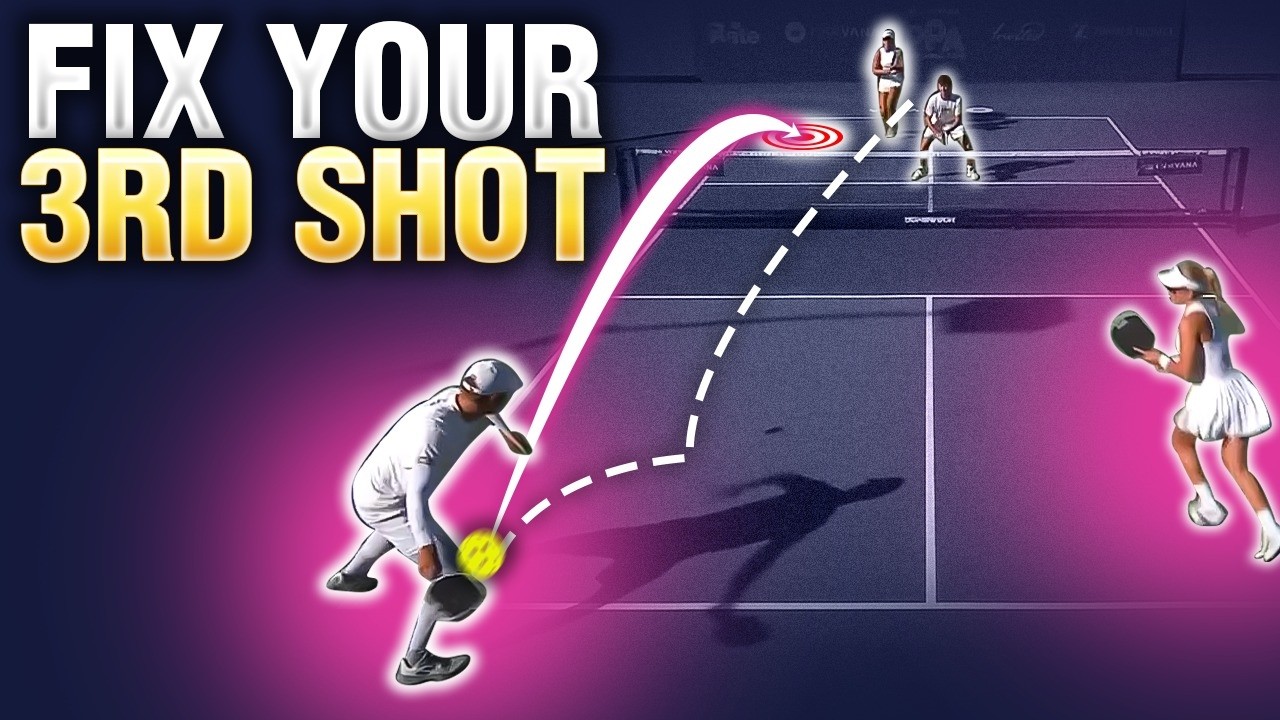
The third shot in pickleball separates intermediate players from advanced competitors. It's the pivotal moment that determines whether you'll control the point or hand your opponents a strategic advantage.
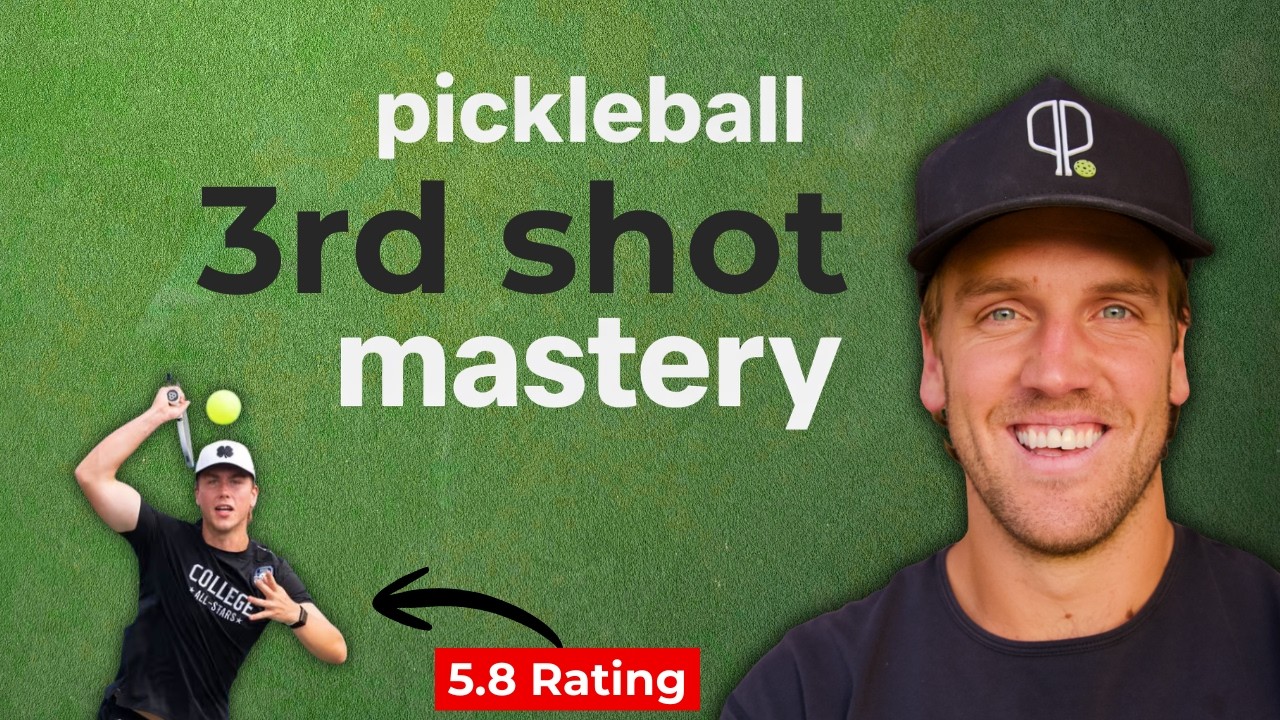
Austin Hardy, head coach at Pickleball Playbook, has developed a systematic approach alongside pro player Liam Duffin (5.8-rated, three-time national champion) that eliminates guesswork from this critical decision.
Why the Third Shot Decision Matters
Standing at the baseline after your opponent's return, you have milliseconds to make a choice that impacts the entire rally. The wrong decision leaves you vulnerable to aggressive attacks or gives your opponents easy kitchen positioning.
Most recreational players approach third shots reactively, making split-second decisions based on feel rather than strategy. This inconsistency leads to unforced errors and missed opportunities to seize control.
The Professional Framework Breakdown
Ball Height Assessment
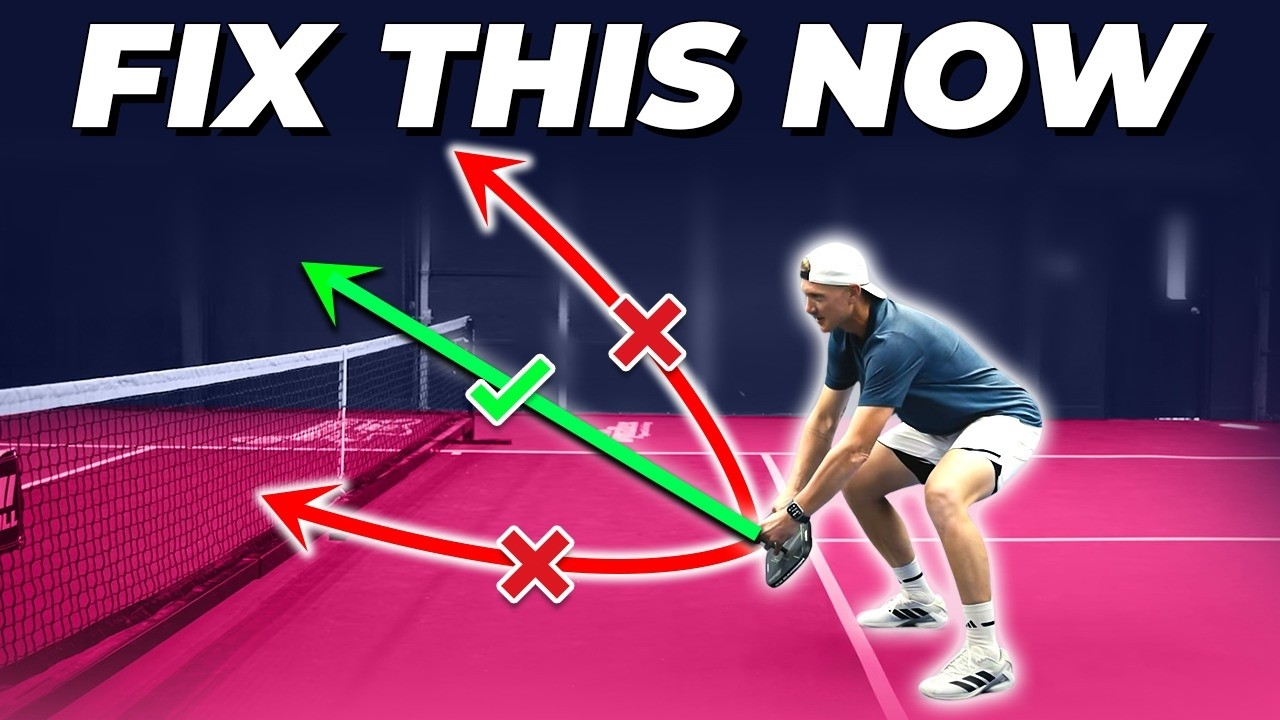
The primary factor in Hardy's framework involves evaluating the ball's contact point relative to the net. Balls contacted above net height present drive opportunities, while lower contact points favor drop shots.
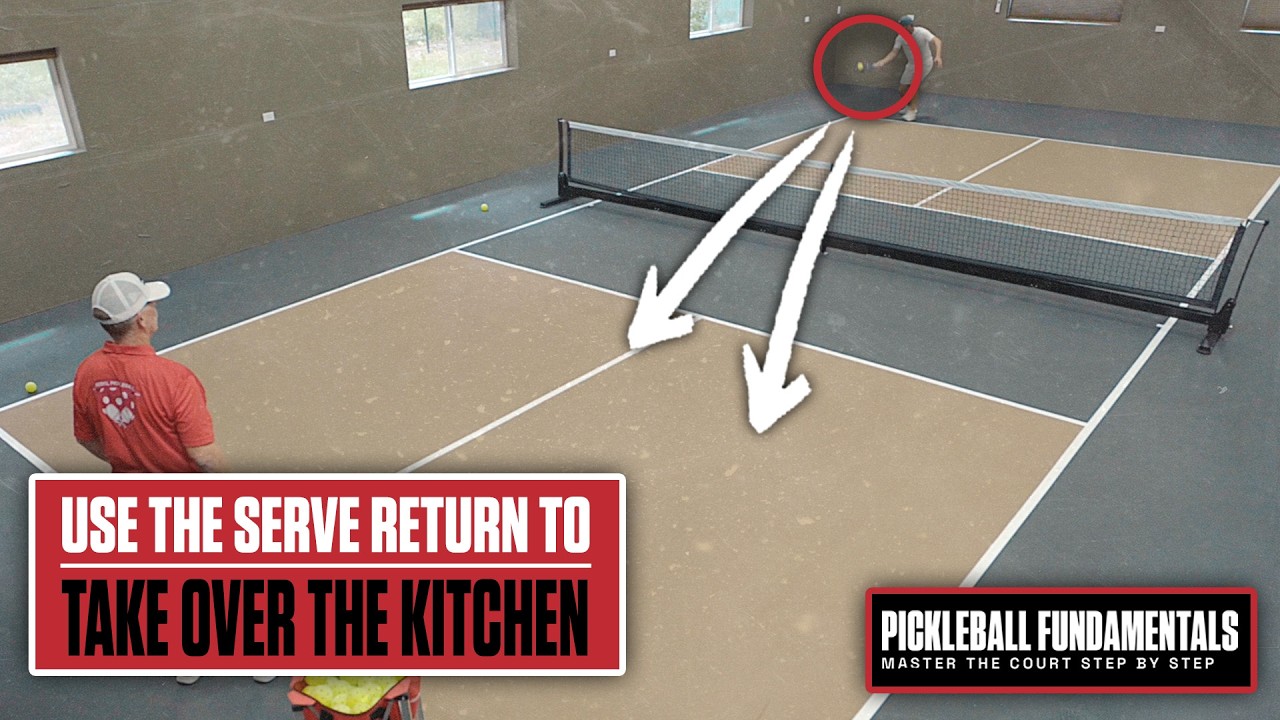
Professional players instinctively recognize these height zones and adjust their shot selection accordingly. This split-second assessment becomes automatic through deliberate practice.
Court Position Analysis
Your positioning when making contact significantly influences shot effectiveness. Players positioned behind the baseline should prioritize safety with drop shots, while those inside the court can consider more aggressive driving options.
Opponent Positioning Factors
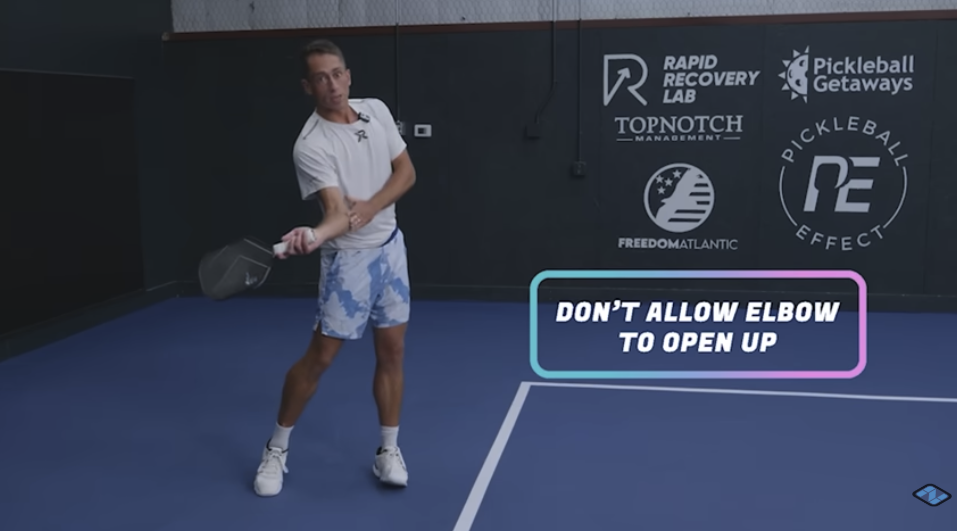
Advanced players constantly monitor opponent positioning before executing third shots. Wide-positioned opponents create driving lanes down the middle, while centered opponents may be vulnerable to angled drives.
When to Choose the Drive
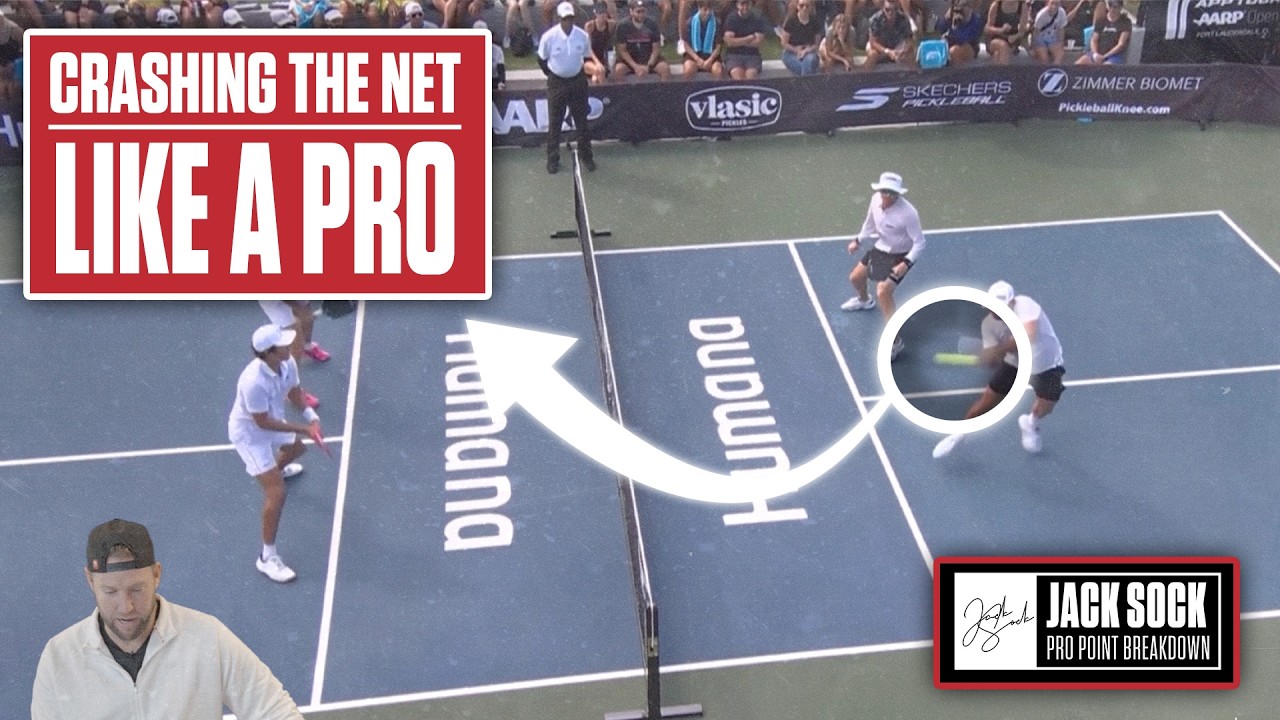
Driving becomes advantageous when multiple conditions align: high ball contact, aggressive court positioning, and favorable opponent placement. The drive should target specific zones that limit opponent response options.
Successful drives require precise placement rather than raw power. Targeting the opponent's feet or creating awkward backhand angles proves more effective than attempting outright winners.
Mastering the Drop Shot
The drop shot remains the percentage play for most third shot scenarios. It neutralizes opponent advantages while providing time to advance to the kitchen line.
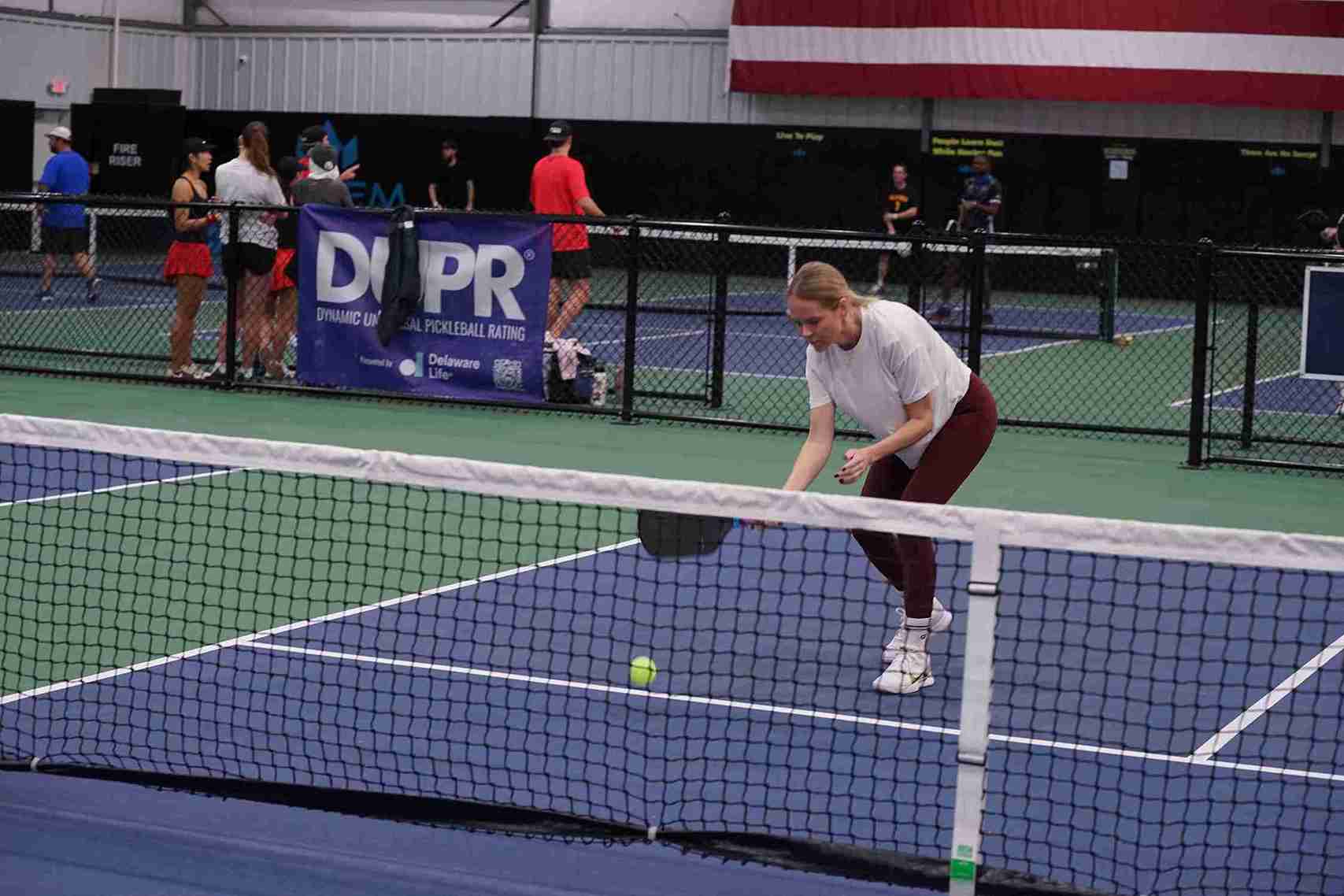
Effective drops land in the kitchen with minimal bounce, forcing opponents to hit upward and creating counterattack opportunities. Consistency trumps perfection in drop shot execution.
Practice Implementation
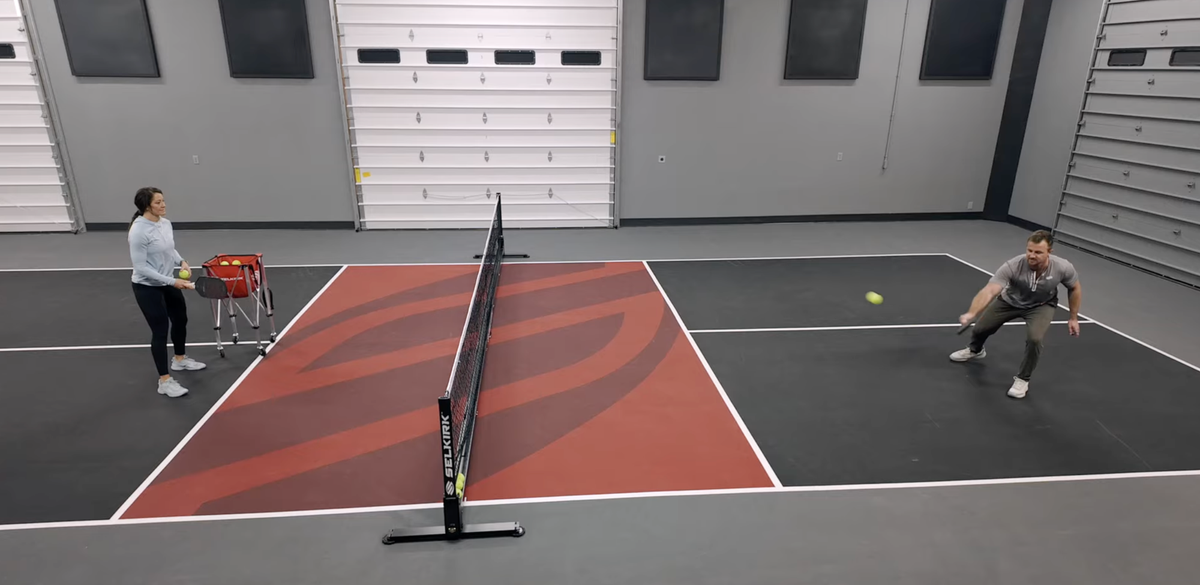
Hardy recommends structured practice sessions focusing on decision-making rather than mechanical repetition. Partners should vary return depth, pace, and placement to simulate match conditions.
Recording practice sessions helps identify decision-making patterns and areas for improvement. Many players discover they default to one shot type regardless of situational factors.
Common Decision-Making Errors
Recreational players frequently make third shot decisions before assessing court conditions. This premature commitment leads to poor shot selection and predictable patterns.
Another common mistake involves attempting low-percentage drives from defensive positions. These aggressive shots often result in net errors or easy put-aways for opponents.
Mental Game Considerations
Confidence in your decision-making framework reduces hesitation and improves execution quality. Players who trust their shot selection commit fully to each attempt, leading to better outcomes.
Developing this systematic approach requires patience and consistent application. The framework becomes instinctive through repetition and match experience.
Frequently Asked Questions
Should I always drop shot when in doubt?
When facing uncertainty, the drop shot typically offers the safer percentage play. It keeps you in the point while advancing your court position, making it the preferred default option for most players.
How do I practice reading ball height quickly?
Set up feeding drills with varying ball heights and practice calling out "drive" or "drop" before making contact. This verbal processing helps develop faster visual recognition skills during match play.
Can this framework work for recreational players?
Absolutely. While the execution may differ from professional standards, the decision-making principles remain consistent across skill levels. Focus on gradual implementation rather than immediate perfection.